Paint stains on clothing are one of the most common accidents in any decorating project—and one of the most mishandled. Most people either wait too long to act or reach for the wrong product, turning a fixable stain into a permanent one. This guide walks you through exactly what to do, in the right order, so you give yourself the best possible chance of full removal.
How to Get Water-Based Paint Out of Clothes

Spilling water-based paint on your clothes doesn’t have to mean the end of that shirt or pair of jeans. With over two decades working in the paint and decorating trade, we’ve seen our share of ruined drop cloths—and rescued more than a few garments that looked like total write-offs.
The good news: water-based paints are far more forgiving than oil-based ones, and most stains respond well to treatment if you move fast and choose the right method. This guide covers everything from fresh spills to stubborn dried stains, with specific advice for different fabric types and situations.
Does Water-Based Paint Come Out of Clothes?
In most cases, yes—especially if you catch it while it’s still wet. The binders in water-based paints (latex, acrylic, vinyl) are water-soluble before they cure, which gives you a real advantage in the first 15–20 minutes after a spill. Once the paint dries and bonds to the fabric fibers, removal becomes harder but not impossible. Heat is the biggest enemy—a spill that has gone through a hot dryer cycle may only fade rather than fully disappear. For small to medium stains on washable fabrics, full removal is realistic even after drying.
Act First: Scrape Before You Soak
Whether the paint is wet or dry, your first move is always the same: remove as much paint as possible before applying any liquid. Use a spoon, a butter knife, or a plastic scraper to lift excess paint off the fabric surface, working from the outer edge inward. For wet paint, blot gently with a paper towel rather than rubbing—rubbing pushes the paint deeper into the weave. Avoid rinsing with water before scraping, as this causes wet paint to spread and penetrate more quickly.
What Removes Water-Based Paint from Clothes?
1-Soap and Warm Water
The first and best option for wet stains. Liquid dish soap contains surfactants that break down and lift pigments effectively. Use warm—not hot—water, as heat begins to set the stain.
2-Rubbing Alcohol (Isopropyl Alcohol)
The go-to solvent for dried water-based paint stains. It partially re-liquefies cured acrylic binders, making them easier to scrub out. Safe on most fabrics and widely available. Hand sanitizer or hairspray can work in a pinch.
3-Acetone
More powerful than isopropyl alcohol and effective on stubborn dried paint. Use carefully on synthetic and delicate fabrics—avoid it on rayon, acetate, or anything labeled “dry clean only.” Test first, use sparingly, rinse well.
4-Vinegar and Baking Soda
A useful combination for lighter stains. Make a paste from equal parts white vinegar and baking soda, apply to the stain, let it sit for 10–15 minutes, then scrub and rinse. Vinegar alone lacks the strength to dissolve paint, but the mild acidity combined with baking soda’s abrasive action can lift residual pigment.
5-Commercial Stain Removers
Pre-treatment sprays like Spray ‘n Wash or OxiClean work on both wet and dried stains. Apply, allow the required dwell time, and wash. A reliable option when you’re unsure of the fabric’s tolerance for stronger solvents.
6-Mineral Spirits (White Spirit)
Milder than lacquer thinner and effective on semi-dried or dried paint on durable fabrics like cotton or denim. Dampen a cloth and rub in circular motions. Do not dilute with water. Follow up with soapy water once the paint has been lifted.
7-Lacquer Thinner (Cellulosic Thinner)
The most aggressive option. Effective at dissolving dried paint but can strip dye from delicate fabrics. Use only as a last resort on tough fabrics like heavy canvas or denim, and always test on a hidden seam first. “For detailed information, you can read Can paint thinner remove paint?”
How to Remove Wet Water-Based Paint from Clothes
Acting fast is everything with a fresh spill. Start by blotting the excess paint with a dry cloth or paper towel—never rub, as this drives the paint deeper into the fabric. Once you’ve removed as much surface paint as possible, hold the stained area under warm running water from the reverse side. This pushes the paint back out the way it came in rather than forcing it further through the weave.
From there, work a small amount of liquid dish soap directly into the stain with your fingers or a soft brush, scrubbing in gentle circular motions. Rinse thoroughly and repeat if needed. Once the stain has faded, wash the garment normally according to the care label—but always check the stain before putting it in the dryer, since heat can permanently set any paint that remains.
How to Get Dried Water-Based Paint Out of Clothes
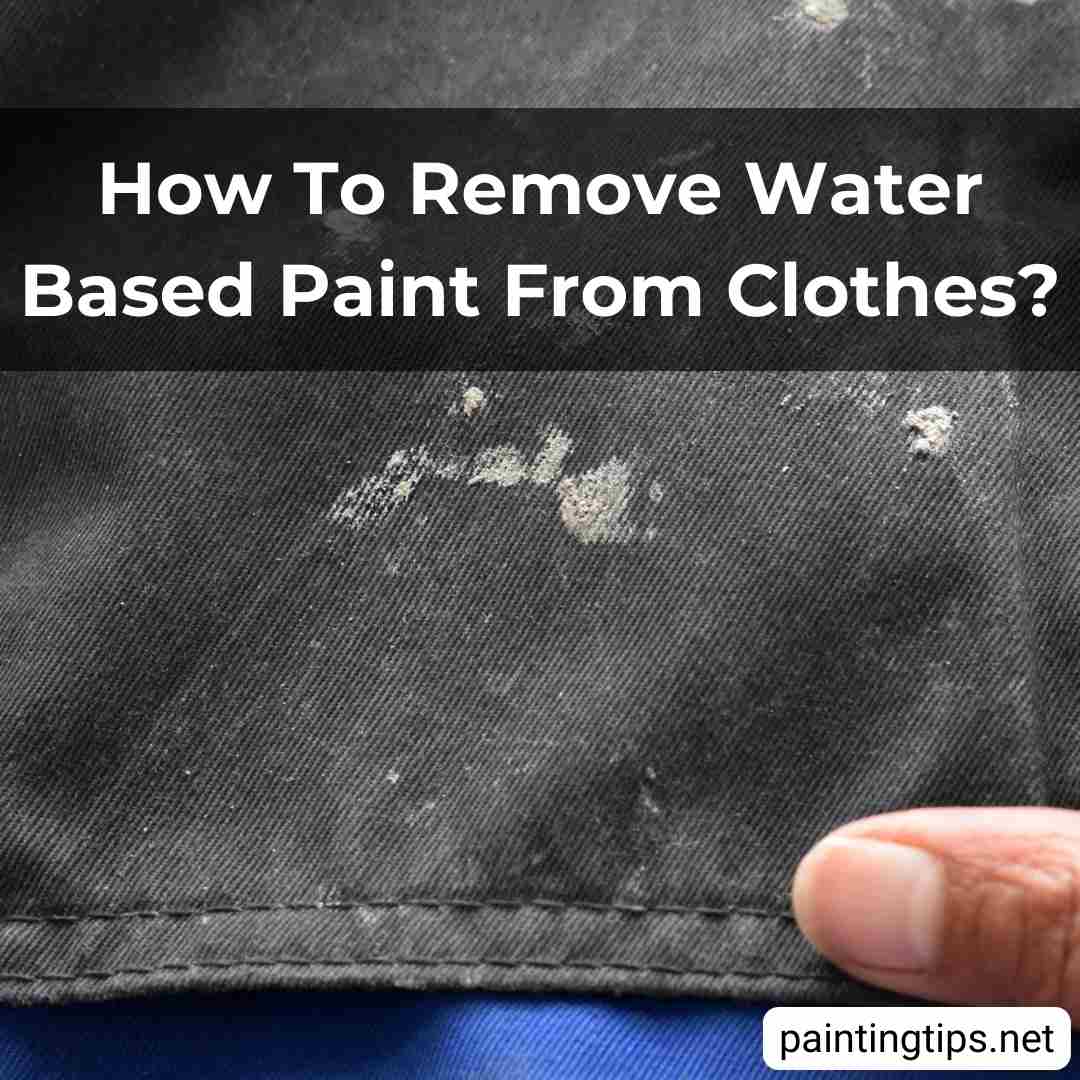
Dried paint requires a solvent to break down the cured polymer binder. The approach depends on how long the paint has been dry and how thick the deposit is.
- Step 1: Scrape off the dried crust. Use a stiff brush, an old toothbrush, or a blunt scraper to flake off as much of the hardened paint as possible.
- Step 2: Apply rubbing alcohol (isopropyl alcohol). Soak a cotton ball or clean cloth with 70–90% isopropyl alcohol and press it against the stain. Let it sit for 2–3 minutes, then scrub with an old toothbrush. This is the safest first-line solvent for most fabrics, including synthetics and cotton.
- Step 3: Try acetone if alcohol doesn’t work. Acetone (nail polish remover) can dissolve dried acrylic and latex paint effectively. Apply sparingly and scrub. Do not use acetone on acetate, triacetate, or certain synthetic fabrics. Always test on an inconspicuous area first.
- Step 4: Rinse thoroughly. Rinse under warm water to remove dissolved paint and solvent residue.
- Step 5: Wash as normal. Finish with a regular machine wash. Air dry and check the stain before using a dryer.
Warnings and Precautions
- Never mix cleaning solutions. Let the fabric dry completely before switching from one solution to another.
- Do not mix solvents with water. Diluting mineral spirits or lacquer thinner reduces their effectiveness significantly.
- Test before you treat. Always test solvents on a hidden part of the garment first.
- Check the care label. Dry-clean-only garments should go to a professional cleaner.
- Work in a ventilated area. Acetone and lacquer thinner produce strong fumes.
- Check before drying. Never put a treated garment in the dryer until the stain is fully gone. Heat permanently bonds paint to fabric.
Frequently Asked Questions
Does Water-Based Paint Come Out of Clothes in the Wash?
Fresh, light stains often do come out in the washing machine. However, the machine alone is not reliable for dried or heavy stains. Always pre-treat with soap, rubbing alcohol, or a commercial stain remover before washing.
How to Remove Water-Based Acrylic Paint from Clothes?
Acrylic paint is water-based with a plastic polymer binder. While wet, soap and warm water is enough. Once dry, apply isopropyl alcohol, let it sit, and scrub with a toothbrush. For stubborn stains, acetone works well on most fabrics—avoid it on acetate or rayon. Finish with a machine wash.
How to Get Emulsion Paint Out of Clothes?
Emulsion is a water-based wall paint that responds well to soap and warm water while wet. For dried emulsion, scrape off the hardened film first—it builds up in thicker layers than craft paint. Then apply rubbing alcohol or a commercial stain remover, let it sit, scrub gently, and machine wash.
How to Get Dried Water-Based Paint Out of Clothes?
Scrape off as much hardened paint as possible, then apply isopropyl alcohol and scrub with an old toothbrush. If that doesn’t fully lift it, move to acetone (test on a hidden area first). Rinse thoroughly and machine wash. Check the stain before putting the garment in the dryer.
How to Get Spray Paint Out of Clothes?
Water-based spray paints respond to the same methods as other water-based paints: soap and water while wet, and isopropyl alcohol or acetone when dry. For solvent-based aerosols, acetone or lacquer thinner is needed. Always check the can label to confirm the paint type before choosing your method.
How to Get Water-Based Paint Out of Jeans?
Denim is durable enough to handle more aggressive treatment than delicate fabrics. For dried paint on jeans, apply isopropyl alcohol or acetone with an old toothbrush and scrub firmly—the tight weave can trap paint particles, so thorough scrubbing is key. Rinse well and follow with a hot machine wash if the care label allows.
How to Get Paint Out of Clothes After Washing?
If the stain survived a wash cycle, it has partially set. Apply rubbing alcohol or acetone directly, scrub firmly with a toothbrush, and let the solvent work for 5–10 minutes before rinsing. If the garment also went through the dryer, the stain is heat-set and may only partially fade. Do not run another drying cycle until you’ve treated it again.
What Is the Best Way to Get Paint Off Clothes?
For wet water-based paint: dish soap and warm water, treated immediately. For dried paint: isopropyl alcohol with a toothbrush, followed by a machine wash. These two methods handle the vast majority of stains without risking fabric damage. Move to acetone or mineral spirits only if the simpler options fail.-
