Paint on concrete is one of those problems that looks simple until you’re actually trying to remove it. The right method depends on what type of paint it is, how long it’s been there, and what kind of surface you’re working on—and getting that call wrong usually means starting over. Here’s what actually works.
How to Remove Paint from Concrete
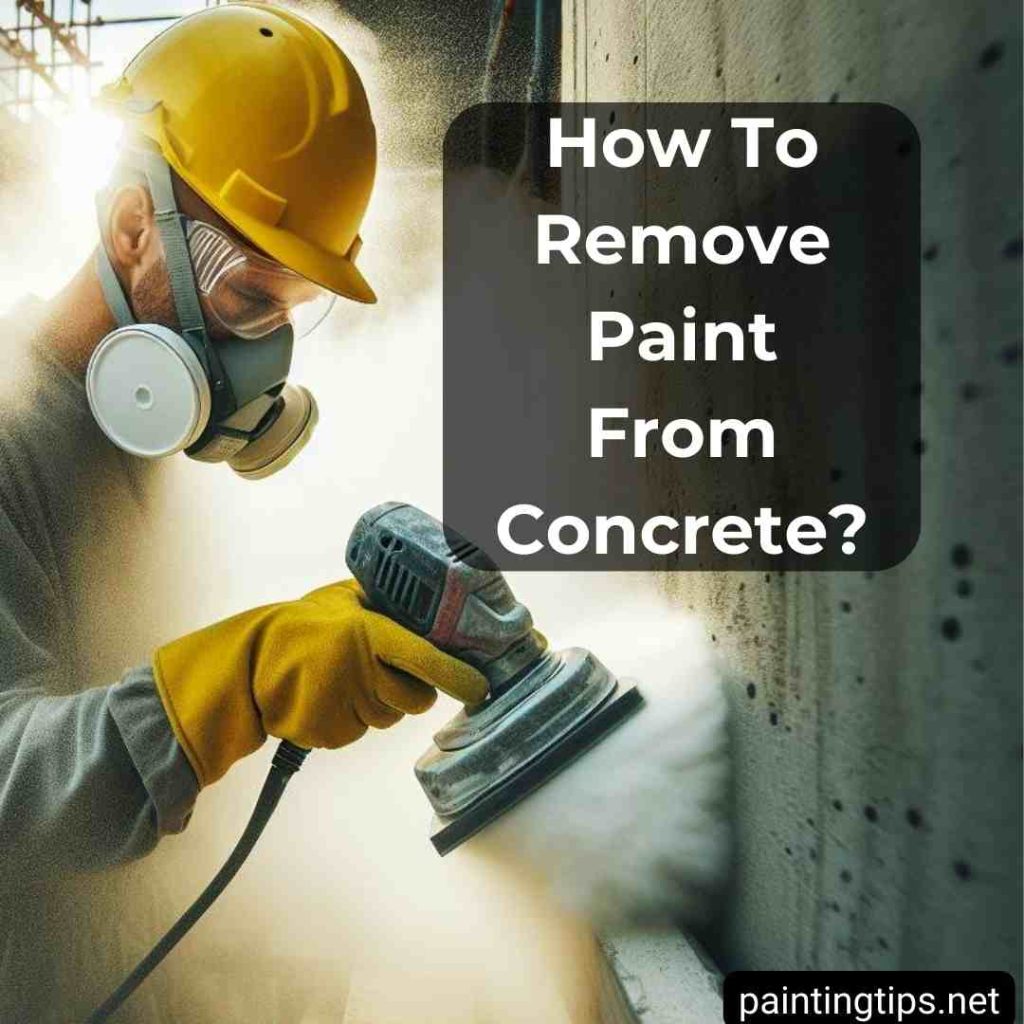
The method that works on a latex paint spill from last weekend is not the same one you’ll need for an oil-based coat that’s been bonding to a garage floor for a decade. Getting it wrong doesn’t just waste time—it can mean multiple failed attempts, unnecessary chemical exposure, or surface damage that’s harder to fix than the original paint.
Start by identifying the paint type if you can. Latex and acrylic paints are water-based and generally easier to remove—they respond well to chemical removers, lacquer thinner, and even high-pressure washing when the coat is thin. Oil-based and exterior masonry paints cure harder and penetrate deeper into the concrete, which means they typically need a heavier-duty chemical remover, mechanical grinding, or sandblasting to come off completely. If you’re not sure what you’re dealing with, a chemical paint remover is the safest starting point—it works across most paint types and gives you a clear indication of how stubborn the job is going to be.
Surface condition shapes the decision just as much as paint type. Smooth concrete floors absorb differently than rough outdoor surfaces, and a vertical concrete wall requires a different application technique than a horizontal patio or a set of steps. Whatever method you choose, clean the surface first—grease, dust, and loose debris prevent any product from making proper contact with the paint. Work in sections, keep your protective gear on throughout, and ventilate the space properly if you’re working indoors. Rushing any stage of paint removal on concrete usually means doing it twice.
Here are seven methods that actually work for removing paint from concrete—pick the one that fits your surface, your paint type, and the tools you have available.
1-Sandblasting
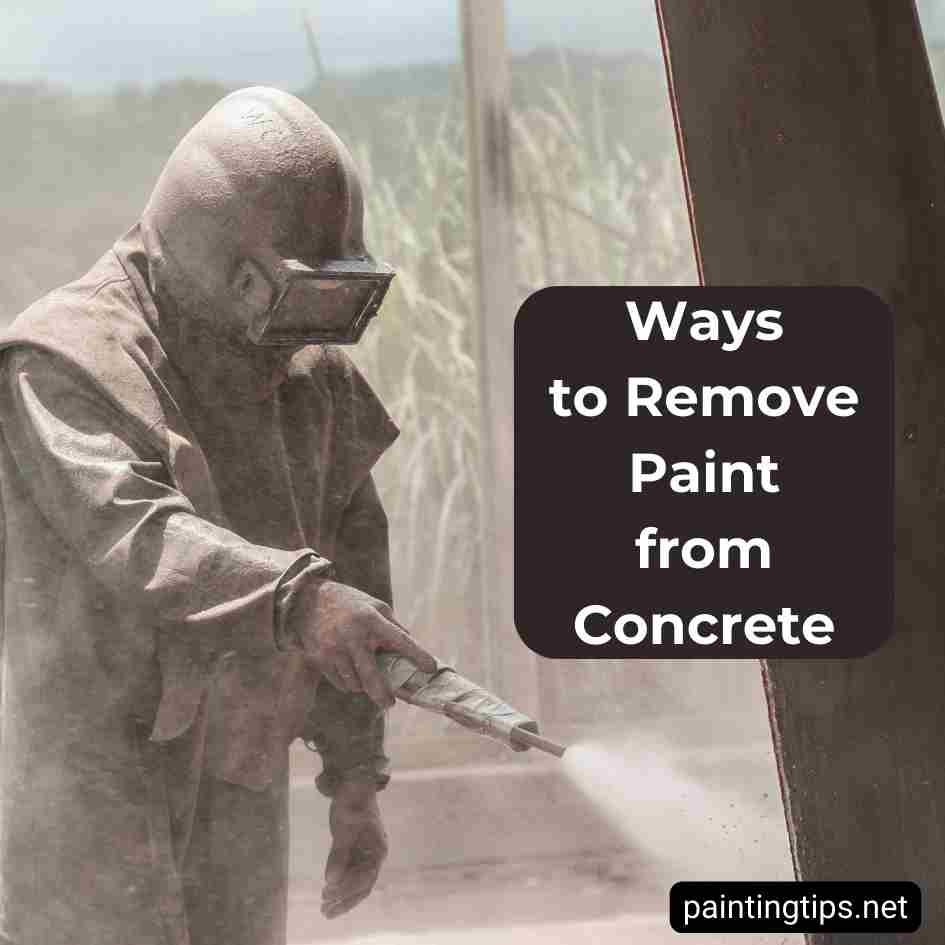
Sandblasting is one of the most thorough ways to remove paint from concrete, particularly on large surface areas or when dealing with multiple layers of old paint. The process uses compressed air to propel abrasive material—typically sand or a similar media—against the surface at high velocity, stripping paint down to bare concrete without chemicals.
It’s highly effective for removing paint from concrete floors, exterior walls, and driveways, including stubborn oil-based and exterior masonry paints that resist chemical removers. The trade-off is that sandblasting requires professional equipment and generates significant dust and debris. For indoor spaces or smaller jobs, it’s usually overkill. For large outdoor surfaces or garage floors with years of built-up paint, it’s hard to beat. Always use a heavy-duty respirator and eye protection—the dust produced is not something you want to breathe.
2-Pressure Washing
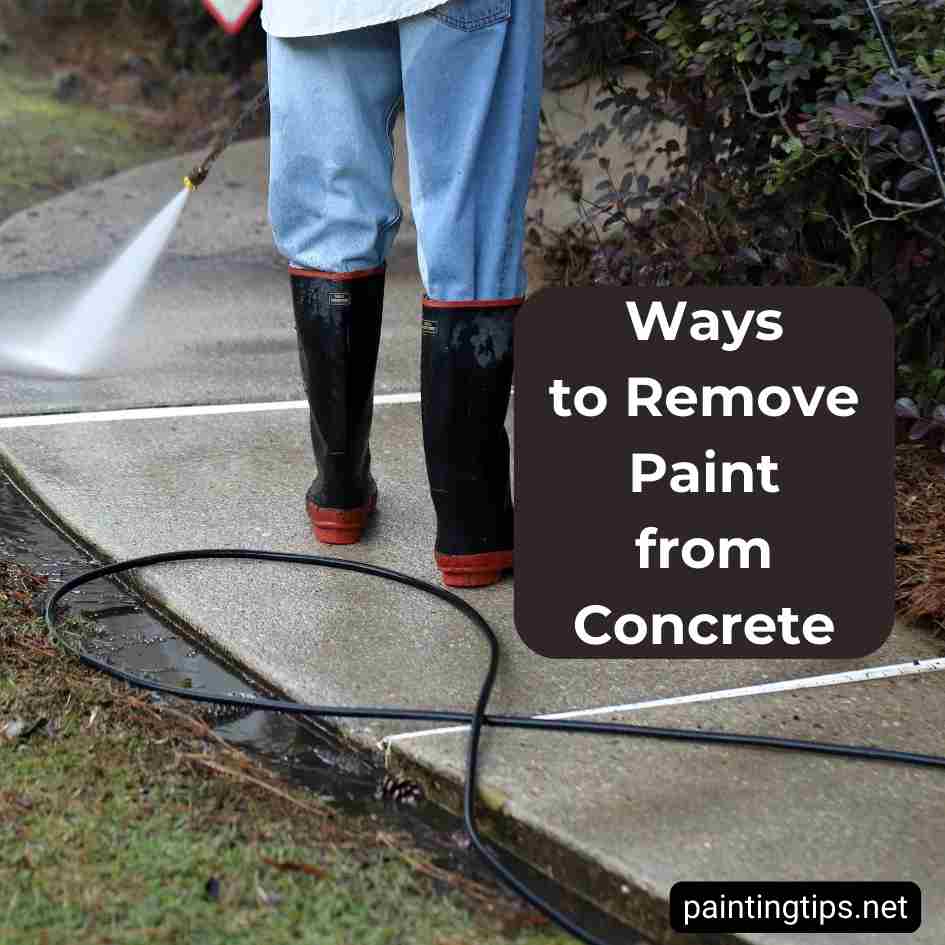
A pressure washer can remove loose, peeling, or water-based paint from concrete effectively—but only if the machine has sufficient pressure. For paint removal on concrete, you need at least 3,000 PSI. A standard household pressure washer in the 1,500–2,000 PSI range won’t generate enough force to strip paint reliably.
Pressure washing works best as a first step or for removing latex paint and paint splashes from concrete patios, steps, and driveways. It’s one of the few genuinely chemical-free options that can cover large areas quickly. For thick coats of oil-based or exterior paint, pressure washing alone usually isn’t enough—but it’s a useful pre-treatment before applying a chemical remover, as it opens the surface and removes loose material that would otherwise interfere with penetration.
3-Chemical Paint Remover
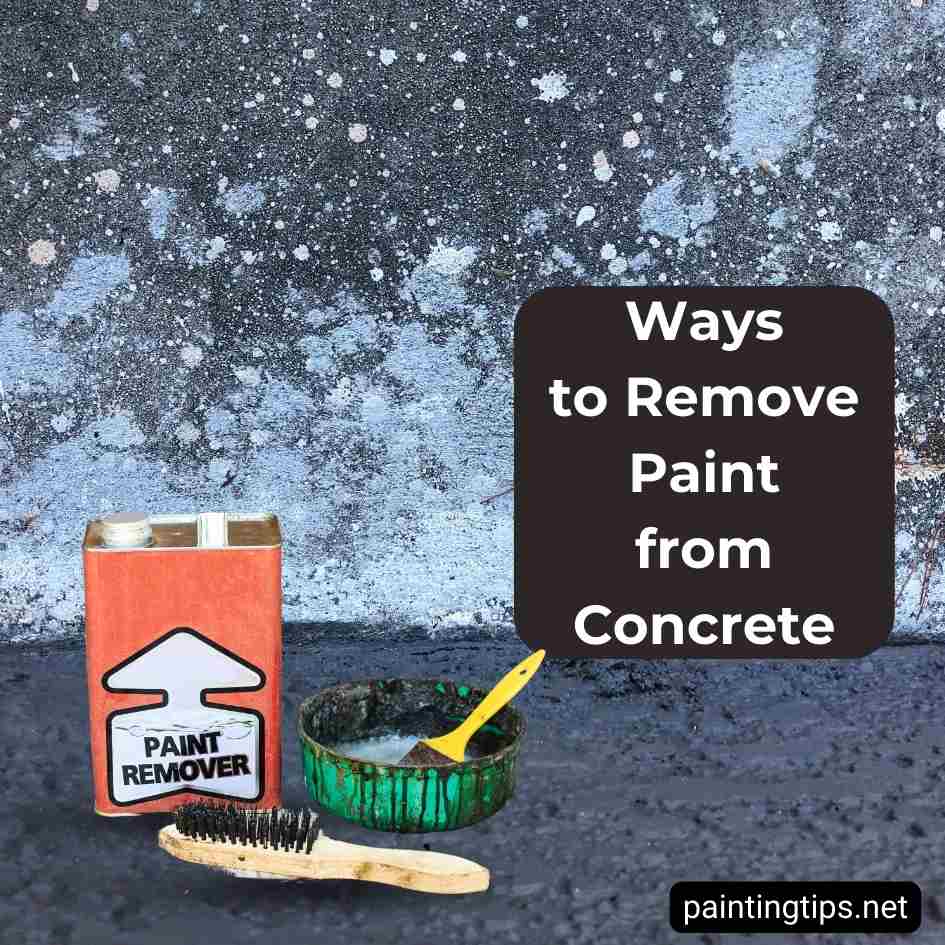
For most paint removal jobs on concrete—whether you’re dealing with latex, acrylic, or oil-based paint on a floor or wall—a quality concrete paint remover is the most reliable option available to the average homeowner. Apply a generous coat, allow it to dwell for the full time specified on the product label (usually 20 to 40 minutes, longer for multiple layers), and then scrape off the softened paint with a stiff metal scraper.
For removing old paint from concrete walls or vertical surfaces, use a thicker gel-formula remover that won’t run before it has time to work. On horizontal surfaces like floors and patios, standard liquid removers spread easily and cover large areas efficiently. For heavy or multi-layer buildup, a second application is often necessary—don’t rush it. Trisodium phosphate (TSP) mixed with water can also be effective for stripping water-based paint from concrete when used as a scrubbing solution before or after a chemical remover.
“If you’re dealing with painted drywall or interior walls rather than concrete, our guide on how to remove paint from walls fast covers the right approach for that surface.”
4-Paint Thinner and Solvents
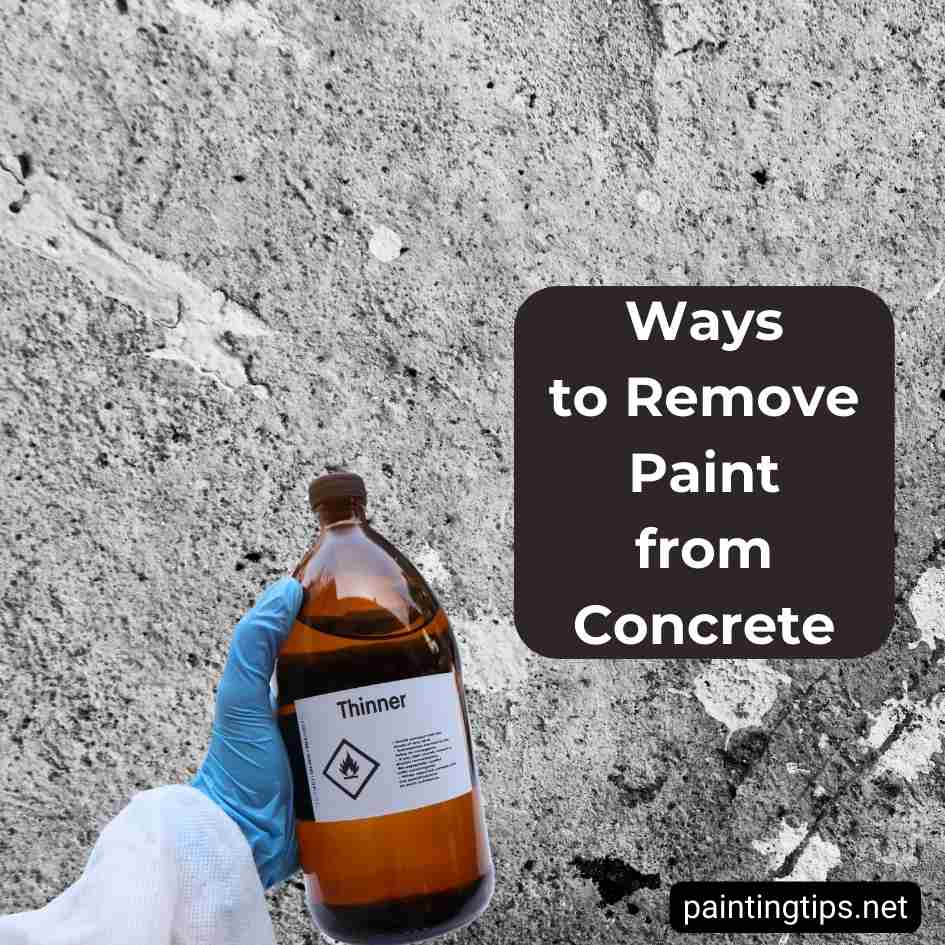
Paint thinner—specifically cellulosic thinner, also known as lacquer thinner—is a practical option for removing paint stains from concrete, particularly small splashes and fresh spills. It works best on smooth concrete surfaces where the paint hasn’t had time to fully cure and penetrate deep into the pores.
Apply the thinner directly to the paint stain and allow it to sit for several minutes so it can penetrate and soften the paint. Don’t wipe immediately—instead, blot and scrape. For paint thinner on concrete walls, apply with a brush and let dwell time do the work before scrubbing with a stiff bristle brush. Lacquer thinner is less effective on thick exterior coatings and old oil-based paint that has fully cured, but for acrylic paint, latex, and fresh paint splashes, it’s fast and accessible. “Relate post: Can thinner remove paint?”
5-Heat Gun
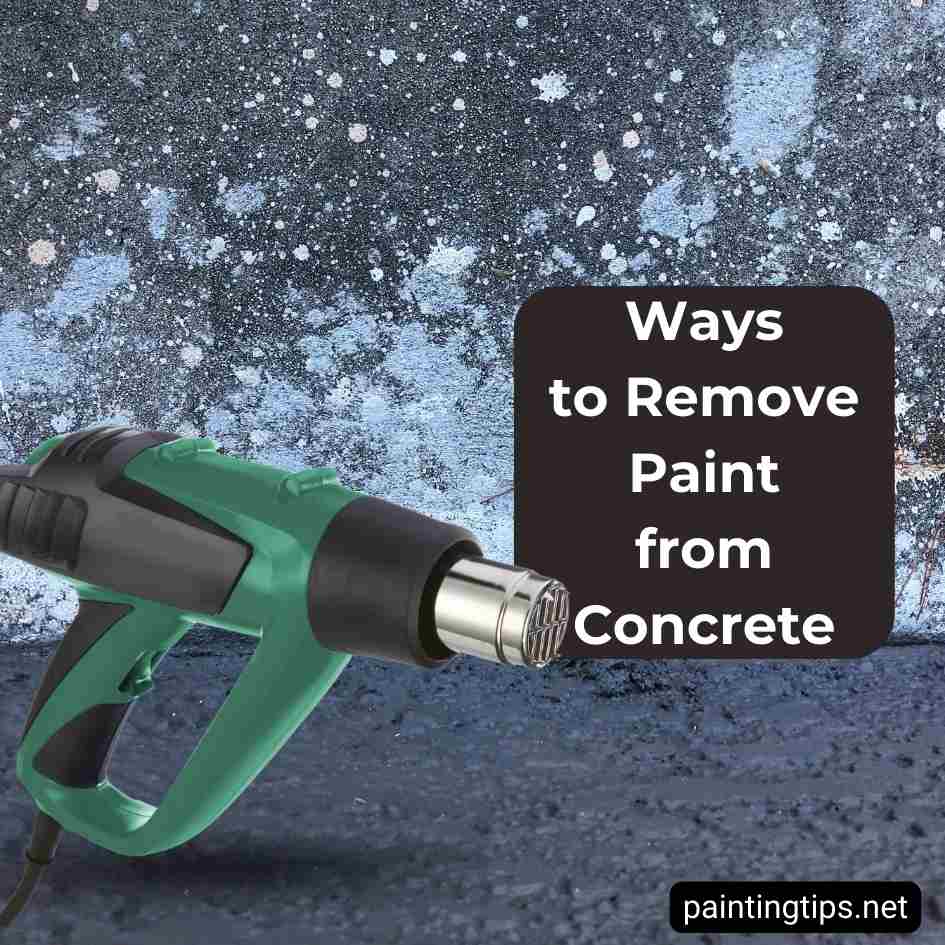
A heat gun softens paint by applying concentrated heat directly to the surface, making it pliable enough to scrape away cleanly. It’s particularly effective for removing thick layers of synthetic or oil-based paint from concrete where chemical removers have failed or aren’t practical.
Hold the heat gun 2 to 3 inches from the surface and move it slowly until the paint begins to bubble and soften—this usually takes 30 to 60 seconds per section. Follow immediately with a metal scraper before the paint re-hardens. This method works best on manageable areas rather than large concrete floors and is one of the cleaner chemical-free options for removing exterior paint from concrete steps and small wall sections. Keep the gun moving to avoid scorching the surface.
6-Steam Cleaner
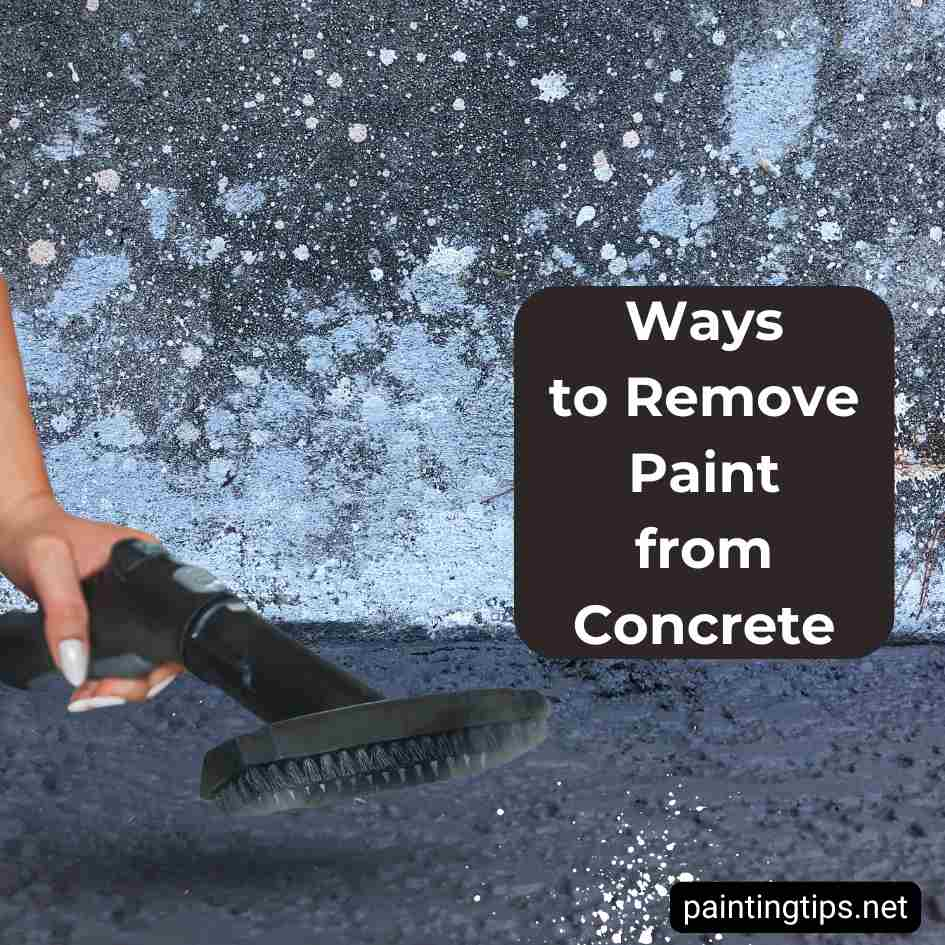
A steam cleaner uses high-temperature steam to penetrate and loosen paint without chemicals, making it one of the safest methods for removing water-based and latex paint from concrete in enclosed spaces. The heat breaks the bond between the paint film and the concrete surface, allowing it to be scrubbed or scraped away.
This method works best on thin coats of water-based or acrylic paint and smaller surface areas. For removing paint stains from concrete in areas where chemical fumes are a concern—such as basements, interior floors, or around children and pets—a steam cleaner is a practical first option before moving to stronger methods. Use a stiff brush attachment where possible to work the loosened paint off the surface as you go.
7-Mechanical Grinding and Scraping
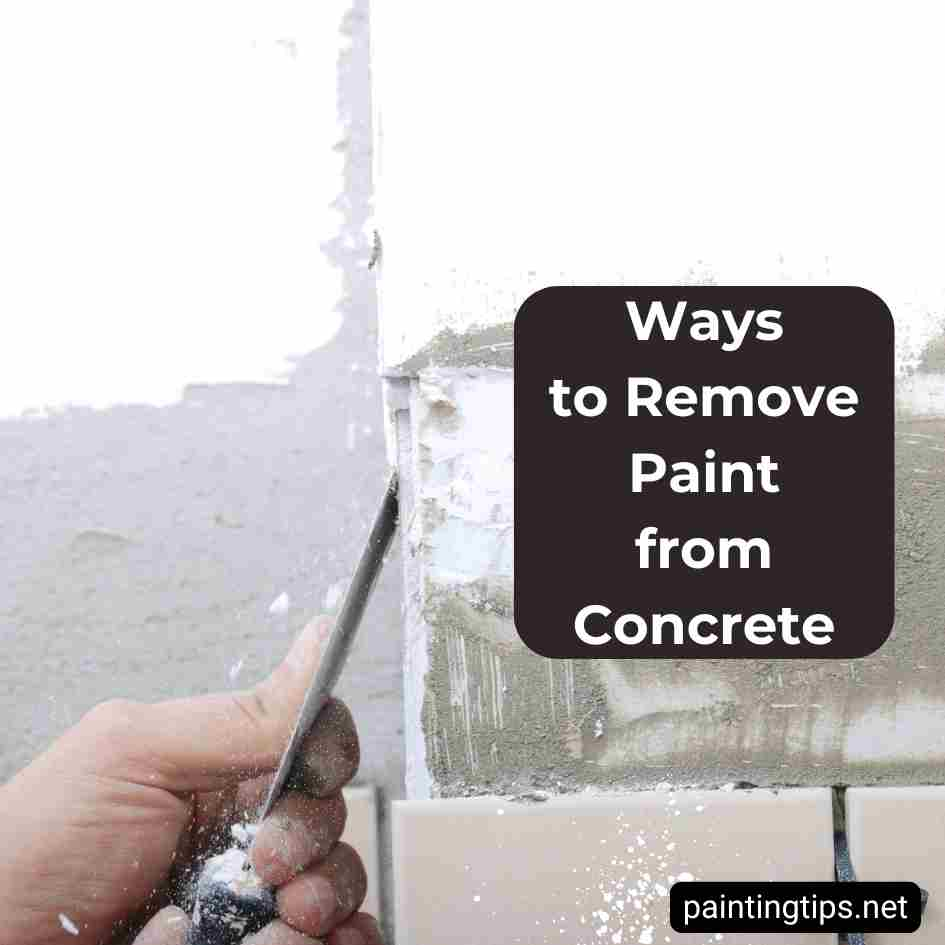
For large concrete floors—garage floors especially—mechanical grinding with a diamond disk angle grinder is one of the most effective and permanent solutions available. It removes paint by abrading the top layer of the concrete surface itself, which means it works on any paint type regardless of age or thickness.
For smaller areas, manual scraping with a heavy-duty floor scraper or putty knife can remove paint from concrete steps, patios, and walls. Pair this with coarse-grit sandpaper or a sanding machine for stubborn spots. Mechanical methods generate considerable dust—a respirator, goggles, and a dust collection system or wet grinding technique are essential. This method is not suitable for decorative or polished concrete surfaces, as it removes a thin layer of material along with the paint. “Related: Stripping lead based paint.”
How to Remove Paint From Concrete Without Chemicals
If you’d prefer to avoid solvents and chemical removers entirely, several of the methods above qualify as chemical-free—and some are more capable than people expect.
Pressure washing at 3,000 PSI or higher is the most accessible option for outdoor surfaces. It handles loose, peeling, and water-based paint on patios, driveways, and steps without any products beyond water. For latex paint on a concrete patio or paint splashes on exterior steps, it’s often all you need.
Mechanical grinding with a diamond disk grinder is the most thorough chemical-free method for garage floors and large interior surfaces. It removes any paint type completely but requires proper dust control and isn’t suitable for decorative concrete. A heat gun paired with a metal scraper works well on smaller sections—exterior steps, wall patches, and targeted spots where you need control without chemicals. Steam cleaning rounds out the options for indoor use, particularly for water-based and acrylic paint in ventilation-limited spaces.
Frequently Asked Questions
Below are answers to the most frequently asked questions about removing paint from concrete. For anything not covered here, feel free to use the comments section.
What Is the Easiest Way to Remove Paint From Concrete?
For most homeowners, a chemical paint remover combined with a metal scraper is the easiest and most reliable approach. Apply, wait for the paint to soften, and scrape. For small paint stains and splashes, lacquer thinner works faster and requires less setup. The right choice depends on the paint type—latex and acrylic respond quickly to chemical removers, while thick oil-based coatings may need multiple applications or a mechanical approach.
Will a Pressure Washer Remove Paint From Concrete?
It can, but only with sufficient pressure—3,000 PSI or higher. A pressure washer is most effective on loose, peeling, or water-based paint and works well as a chemical-free option for outdoor concrete. For stubborn or fully adhered paint, pressure washing alone rarely achieves a clean result, but it’s a useful first step before applying a chemical remover.
Will Paint Thinner Remove Paint From Concrete?
Lacquer thinner is effective on fresh paint stains and water-based or acrylic coatings on smooth concrete. It’s less reliable on thick, old, or oil-based paint that has fully cured. Apply, allow it to dwell, then scrape rather than wiping immediately.
How Do You Remove Old Paint From a Concrete Wall?
Old paint on concrete walls is best approached with a gel-formula chemical remover that won’t run on vertical surfaces. Apply generously, allow full dwell time, and scrape with a stiff metal scraper. For stubborn spots, a second application or a heat gun used in combination with scraping usually gets the remaining paint off. TSP solution scrubbed in with a stiff brush can help lift residue after the main removal.
What Is the Best Chemical Paint Remover for Concrete?
A general-purpose, water-rinseable paint remover is the most practical choice for most concrete surfaces—it works on multiple paint types and cleans up without additional solvents. For thick or old oil-based coatings, look for a heavy-duty formula with a longer dwell time. Gel formulas are preferable for walls and vertical surfaces. Always test on a small area first to confirm the product won’t damage or discolor the concrete.
Can You Sand Paint off Concrete?
Yes, though it requires the right equipment. A diamond disk angle grinder or floor sanding machine with coarse-grit pads is effective for removing paint from concrete floors and larger surfaces. Manual sanding works for small areas and paint spots. Always wear a respirator and eye protection—sanding concrete generates fine silica dust that poses a serious respiratory hazard with prolonged exposure.
