Painting a room can be exciting, but achieving clean, straight lines takes patience and the right technique. That’s where painter’s tape comes in. It helps create sharp edges, prevents paint from spreading into unwanted areas, and reduces the need for touch-ups. However, the timing of removing the tape is just as important as applying it correctly. Removing it too early or waiting too long can affect the final result. In this guide, we’ll explain when to remove painter’s tape and how to get the cleanest finish possible.
When to Remove Painter’s Tape
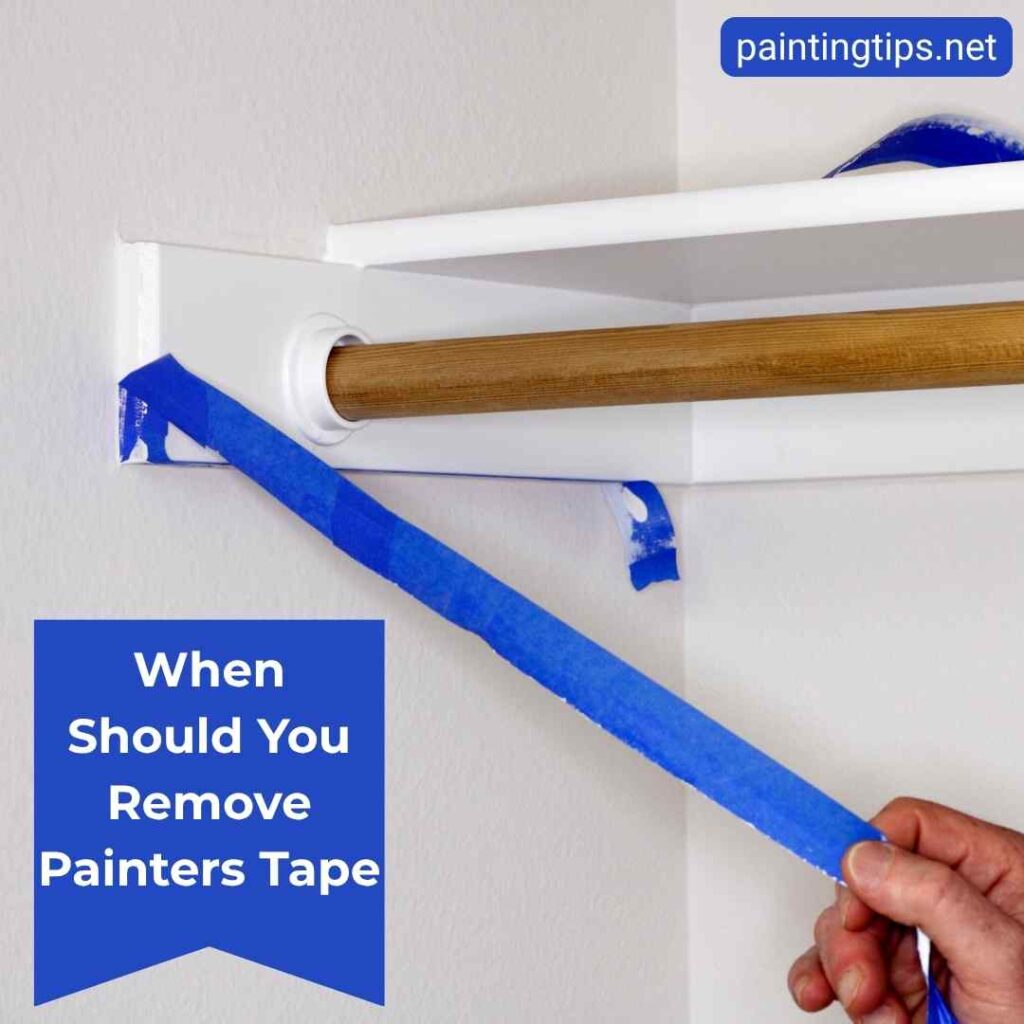
Painter’s tape is designed to create clean paint lines, but knowing when to remove it makes a big difference. The best time to remove painter’s tape is after the final coat has been applied and while the paint is still slightly wet or has reached a touch-dry stage.
If you remove the tape while the paint is too wet, the paint may smear, drip, or create uneven edges. On the other hand, waiting until the paint is completely dry or fully cured can increase the chance of the paint film peeling away with the tape.
In most cases, the tape should be removed carefully shortly after the final coat has been applied, once the paint has started to set but is still flexible. The exact timing depends on several factors, including the type of paint, room temperature, humidity, and the painter’s tape being used.
In general, painter’s tape should be removed after the final coat of paint is complete. Different tapes are designed for different surfaces and conditions, so choosing the right tape for your project is important.
Some painter’s tapes are made for delicate surfaces, while others are designed for painted walls, trim, exterior projects, or textured surfaces. Before applying tape, make sure the surface is clean, dry, and free from dust or loose paint. Poor surface preparation can cause the tape to lift or allow paint to bleed underneath.
Temperature and humidity can also affect drying time. Paint may take longer to set in cool or humid conditions, while warm and dry environments can speed up the drying process. Always consider the conditions of your workspace before deciding when to remove the tape.
Leaving painter’s tape on for too long can make removal more difficult. As the paint dries over the edge of the tape, it can create a stronger bond between the tape and the painted surface. When removing the tape, pull it slowly at a 45-degree angle while keeping it close to the surface. This helps prevent lifting dried paint and keeps the edges sharp.
Using the right painting technique can also improve your results. Painting a room for beginners is a helpful guide that covers basic preparation steps, tools, and techniques for getting a smoother finish.
Can You Leave Painter’s Tape on Too Long?
Leaving painter’s tape on too long can make it harder to remove. As the paint dries, it can form a stronger connection along the tape edge. When the tape is finally removed, the dried paint may crack, peel, or leave uneven edges.
The recommended removal time depends on the brand and type of tape you are using. Some tapes are designed for short-term projects, while others can stay on surfaces longer. Check the tape manufacturer’s recommendations before use, as each product may have different adhesion levels and removal times.
What Happens If You Remove Painter’s Tape Too Soon?
Removing painter’s tape while the paint is still very wet can cause smudging, dripping, and uneven edges. The paint may not have enough time to set, which can affect the sharpness of your lines.
For the best results, wait until the paint has started to dry slightly but has not fully hardened. This allows the tape to separate cleanly without disturbing the painted surface.
Do You Take Painter’s Tape Off Wet or Dry?
The ideal time to remove painter’s tape is when the paint is slightly dry but not completely cured. The paint should be stable enough that it does not run, while still being flexible enough for the tape to release cleanly.
Removing tape while the paint is too wet can create messy edges, while waiting until the paint is fully cured may increase the risk of peeling. The right timing creates cleaner, sharper paint lines.
Should You Remove Tape After Every Coat of Paint?
No, you usually do not need to remove painter’s tape between coats. If your project requires multiple coats, keep the tape in place until the final coat is complete.
Removing and reapplying tape between coats can make the process longer and may create uneven edges. After the final coat is applied, remove the tape at the correct time while the paint is still slightly flexible.
Conclusion
Using high-quality painter’s tape and applying it correctly can make a major difference in your painting results. Press the tape firmly along the edges before painting to prevent paint from bleeding underneath, and choose tapes designed for the surface you are working on.
Avoid leaving painter’s tape on longer than recommended by the manufacturer. Different tapes have different removal times, and factors such as temperature and humidity can affect how quickly paint dries.
When removing the tape, pull it slowly at a slight angle instead of pulling straight upward. This helps prevent lifting dried paint from the surface and keeps your lines clean.
Knowing when to remove painter’s tape is just as important as knowing how to apply it. With the right timing, proper preparation, and the correct technique, you can achieve professional-looking paint lines with fewer imperfections.
For more advanced techniques, How to cut in paint without tape can help you learn how to create sharp edges without using painter’s tape.
