Painting a tin shed or a galvanized metal roof isn’t just about making it look better. It’s actually key if you want that metal to last, especially when it’s out in the rain and sun all the time. Galvanized steel comes with a zinc coating, which does a great job fighting off rust. The catch? That same coating makes it tough for paint to stick unless you prep the surface the right way.
Here’s what you’ll find in this guide: how to get your tin shed or galvanized roof ready for paint, what kind of paint actually works, and the right way to put it on. You’ll get answers to common questions—like whether you can even paint galvanized roofing, which paint works best if your roof’s already a little rusty, and how to paint a metal shed so the finish holds up instead of flaking off after a few months.
Painting a Tin Shed: Key Considerations Before You Start
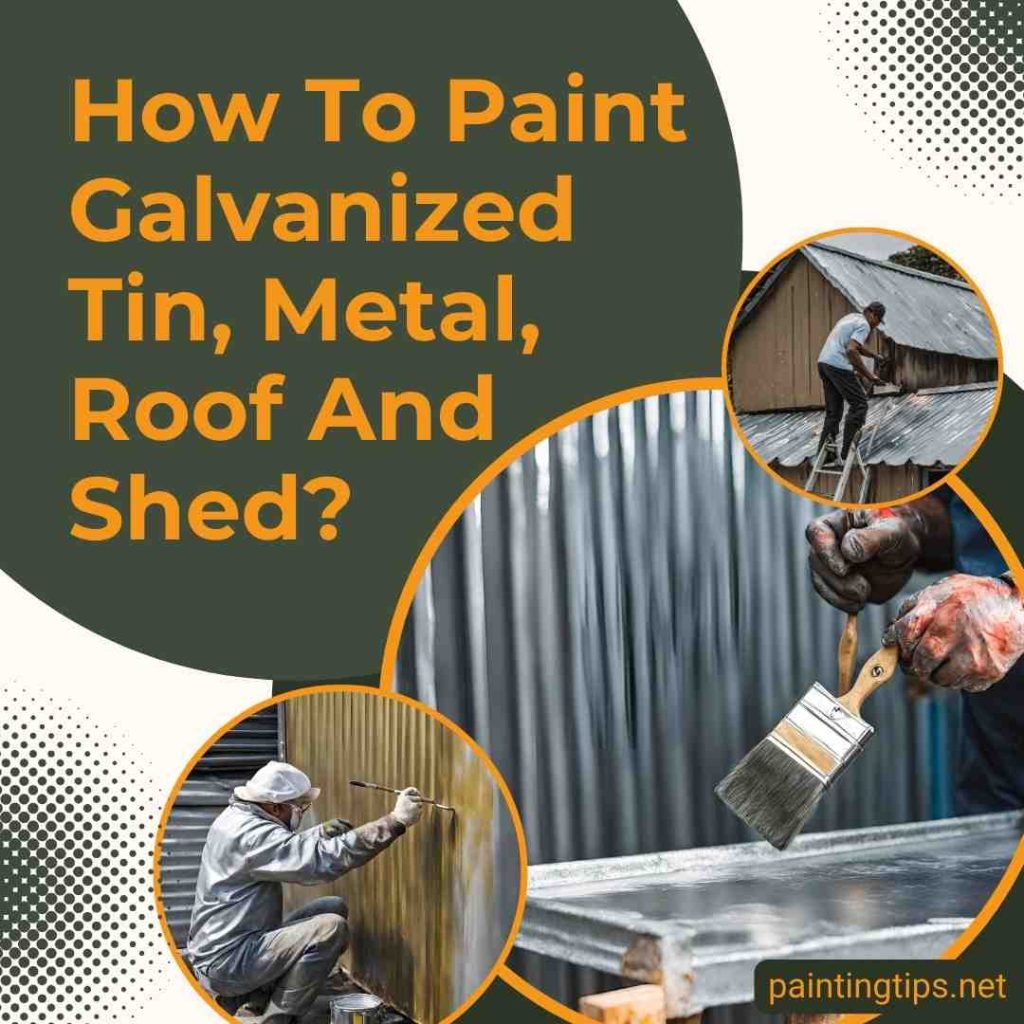
Painting a tin shed isn’t quite the same as painting steel or aluminum. Tin panels are thin and pretty flexible, so they expand and shrink a lot as temperatures swing. That constant movement? It’s a big reason why paint tends to give up early on metal sheds and roofing.
Then there’s the weather. Most tin sheds sit outside with no insulation at all, so rain, snow, and sun hit them directly. After a while, all that exposure wears down the original coatings and lets rust creep in—especially near the fasteners, seams, overlaps, and edges.
If you want paint to last on a tin shed, you really have to prep the surface and use paints that can move with the metal. Stiff coatings might stick at first, but they usually crack or peel once the panels start flexing. Stick with primers and exterior metal paints made for this kind of job—they handle the movement and keep the shed looking good for much longer.
Can You Paint Galvanized Steel Roofing?
You can paint galvanized steel roofing, but you’ve got to prep it first. Fresh galvanized steel has a zinc coating that just doesn’t want to hold onto regular paint. If you skip prepping and slap paint on right away, it’ll probably start peeling before long.
With new galvanized roofing, you’ll need to rough up the surface a bit—either sand it lightly or use a special etching solution made for galvanized metal. This breaks through that shiny zinc layer and gives the primer something to grab onto.
Older galvanized roofs are a little easier, since the zinc has already started to wear down from weather. Still, you really should use a primer made for galvanized metal. Some paints claim you can skip primer, but honestly, if you want the paint to last and not peel, go with the primer. It makes a big difference.
What Is the Best Paint for a Rusted Galvanized Metal Roof?
So, what’s the best paint for a rusted galvanized metal roof? It really comes down to how rusty the roof is and whether those panels shift around a lot with the weather.
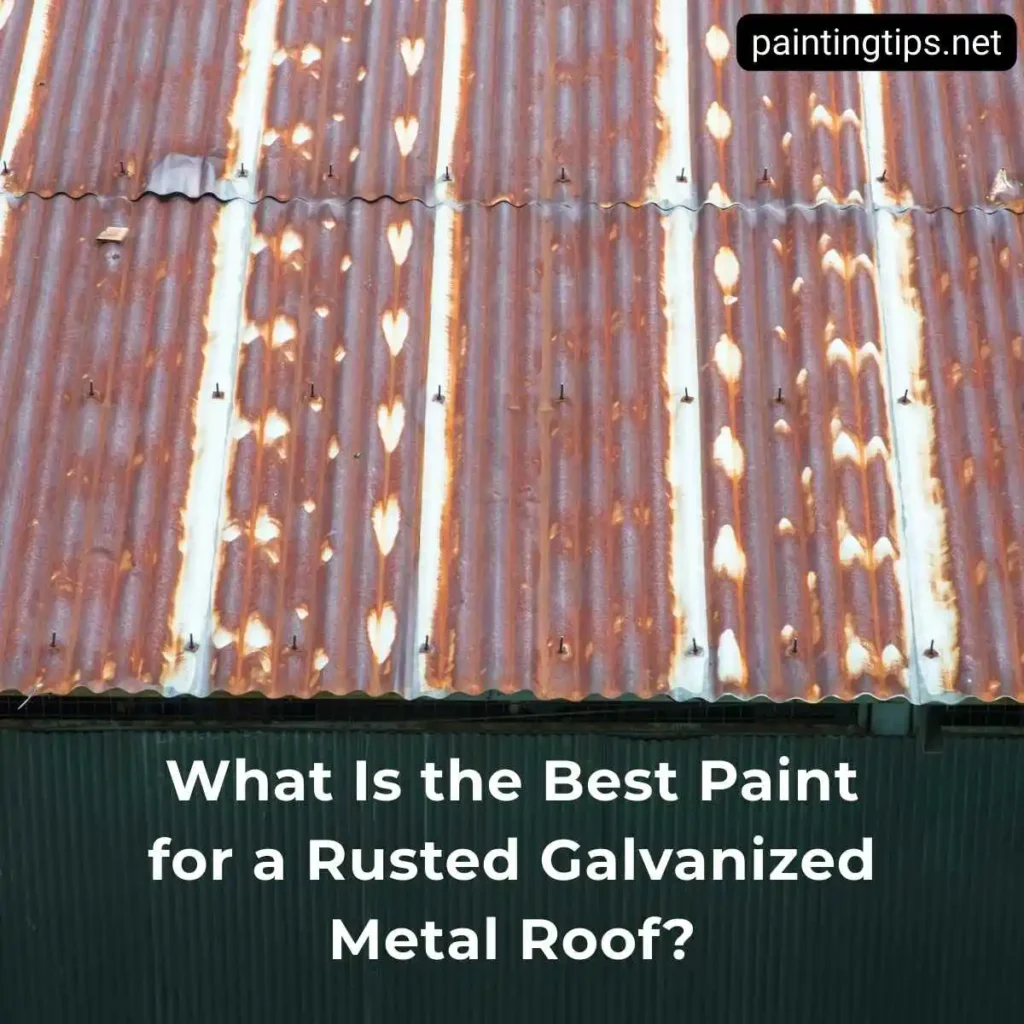
If you’re just dealing with some light rust, start with a rust-inhibiting metal primer. After that, go for a good exterior metal paint. Oil-based metal paints stick well and hold up against moisture, which is why a lot of folks use them on galvanized steel roofs.
But if your roof panels tend to expand and contract all the time, acrylic elastomeric metal paints are hard to beat. They stay flexible, shrug off UV damage, and handle movement better than stiff enamels. Still, you don’t always need elastomeric paint. If the panels are pretty solid and don’t move much, a high-quality oil-based or hybrid metal paint over a proper primer does the job just fine.
Now, if the rust is heavy, don’t even think about painting until you’ve gotten rid of all the loose, flaky stuff. In those cases, you might want to use a rust converter to stabilize what’s left before you prime and paint.
Preparing a Tin Shed for Painting (Surface Preparation Guide)
Before you even think about opening a paint can, you’ve got to prep the shed. Dirt, old oxidation, and greasy spots all ruin the chances of your paint sticking—even if you splurge on the good stuff.
First, grab some water and mild detergent and scrub down the whole shed. If you spot areas with heavy rust or that chalky white stuff, go at them with a wire brush or a sanding sponge. Knock off anything loose, especially old zinc or rusty bits. If you see holes, dents, or seams that look rough, patch them up with epoxy or a metal filler. Just make sure you let it cure all the way—don’t rush it. Follow the instructions on the product.
After you finish repairs, check that everything’s bone dry. Seriously, don’t paint over damp spots. That’s the fastest way to end up with peeling, bubbles, or a paint job that flakes off way too soon.
How to Paint a Rusted Metal Shed (Step by Step)
Thinking about painting your old metal shed? Before you grab a brush, consider reviewing our guides on painting in cold weather or painting a tin can, as they provide helpful preparation insights.
Step 1: Remove Rust and Loose Paint
Grab a wire brush, sanding disc, or scraper and start knocking off any peeling paint or crumbly rust. Don’t go overboard—you don’t need to take it down to bare metal, just clear away anything flaky that could mess with your paint sticking.
Step 2: Clean the Surface
Give the whole shed a good wash. Get rid of any dust, grease, or leftover junk. Rinse it well, then let it dry out completely before moving on.
Step 3: Repair Damage
Spot any holes, cracks, or seams? Fill them in with epoxy or metal filler. Follow the instructions on the label—let it cure all the way.
Step 4: Apply the Correct Primer
Pick a primer made for galvanized or rusted metal. Make sure it matches the type of paint you’ll use (oil-based or acrylic). This step matters if you want the job to last.
Step 5: Paint the Shed
Roll or brush on two thin coats of exterior metal paint. Let the first coat dry all the way before starting the second. Try not to paint on super-hot, cold, or humid days. That only leads to headaches.
Step 6: Allow Proper Curing
Once you’re done, leave the panels alone until the paint cures. If you flex or move them too soon, you’ll risk cracking or peeling.
Additional Tips for Painting Galvanized Metal Roofing
- Always follow the paint manufacturer’s application instructions; they take precedence over general advice.
- Avoid painting galvanized metal early in the morning or late in the evening when condensation may form.
- Use rollers or spray equipment for even coverage, especially on corrugated roofing panels.
- Pay special attention to fasteners, seams, and overlaps, as these areas tend to fail first.
Conclusion
Painting a tin shed or galvanized metal roof is a practical investment that improves appearance and significantly extends service life. Success depends on understanding how galvanized steel behaves, selecting compatible primers and paints, and accounting for the natural movement of metal surfaces.
If you want your metal shed or galvanized roof to look good and last, start with the right prep work and pick quality paint made for the job. Don’t skip checking the paint manufacturer’s instructions—those details matter, and every product’s a little different. Do it right, and you’ll keep your shed or roof protected for a long time.
