If you’ve been searching for that one neutral paint color that’s warm without being too yellow, gray without feeling cold, and sophisticated without trying too hard — you may have already come across Behr Paint Sculptor Clay. It’s been showing up on mood boards, interior design forums, and renovation blogs for good reason. This color sits in a beautifully balanced middle ground that most greiges fail to find, and once you understand what makes it tick — its undertones, its light behavior, and the colors that complement it best, you’ll have a much clearer idea of whether it’s the right fit for your space.
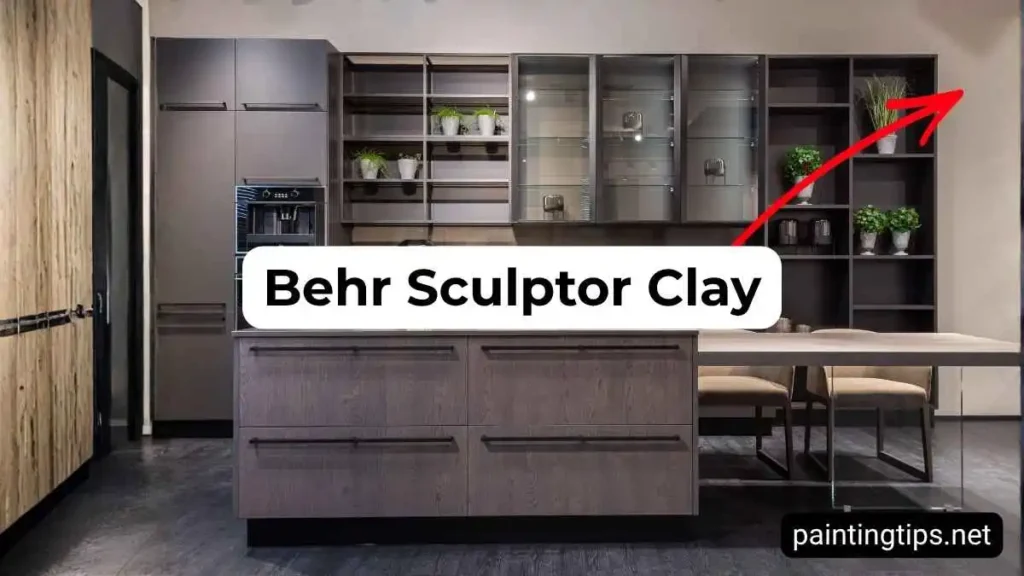
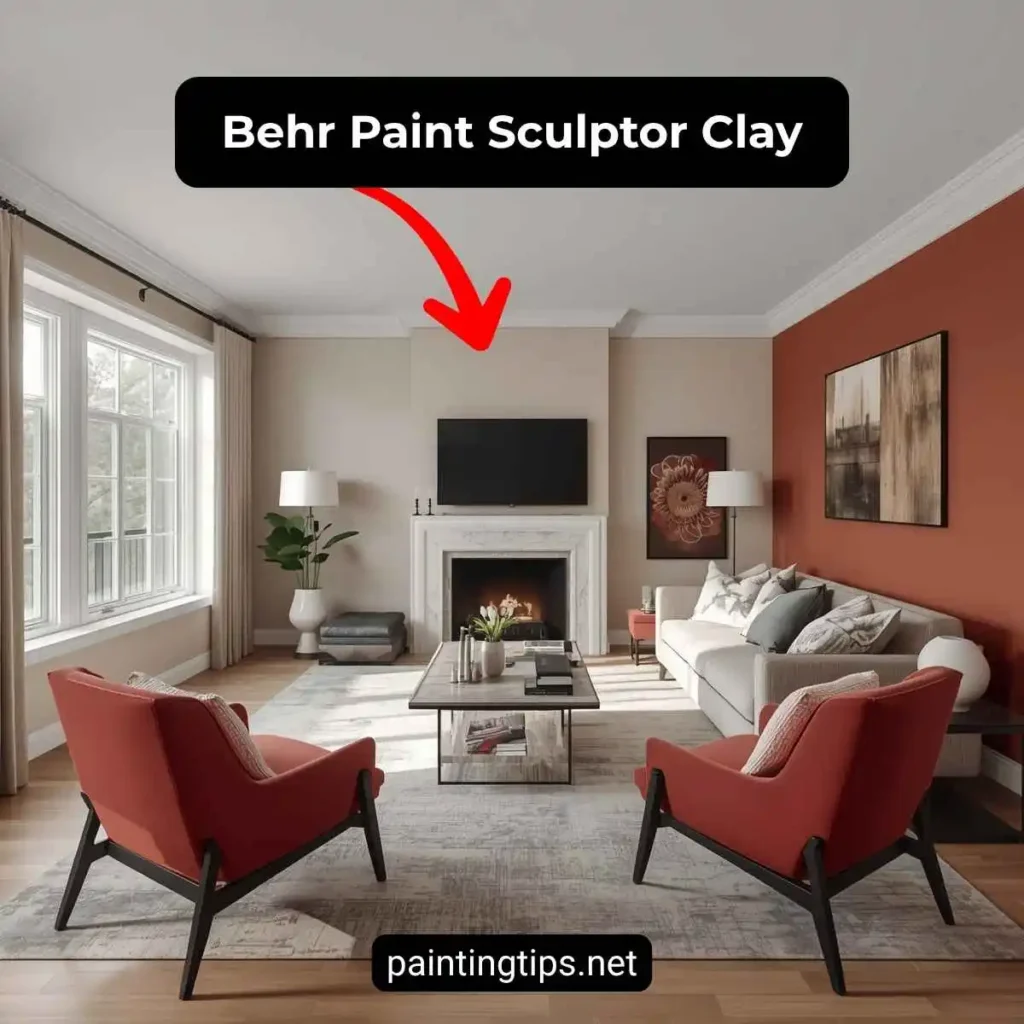
Behr Paint Sculptor Clay
Behr Sculptor Clay (color code PPU5-08) is a soft, light greige — that blend of gray and beige that has become the backbone of modern neutral interiors. Behr describes it as a color “inspired by art on a potter’s wheel,” which actually captures it well: there’s an organic, earthy quality to it, nothing harsh or synthetic about it.
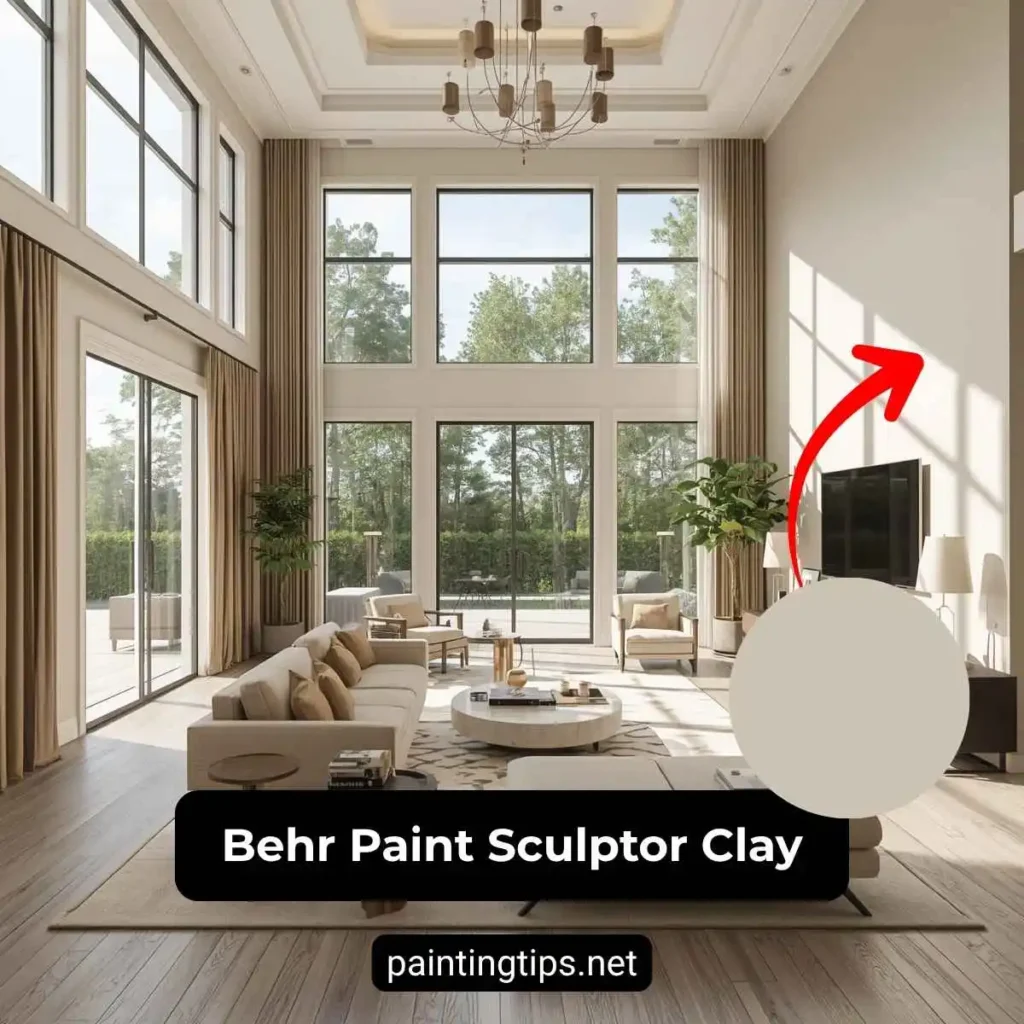
This color is available across Behr’s paint lines, including Behr Marquee Sculptor Clay — the premium one-coat line — which makes it especially convenient for coverage and durability. Whether you’re painting a living room, bedroom, hallway, or kitchen, this color adapts without feeling out of place.

Behr Sculptor Clay LRV
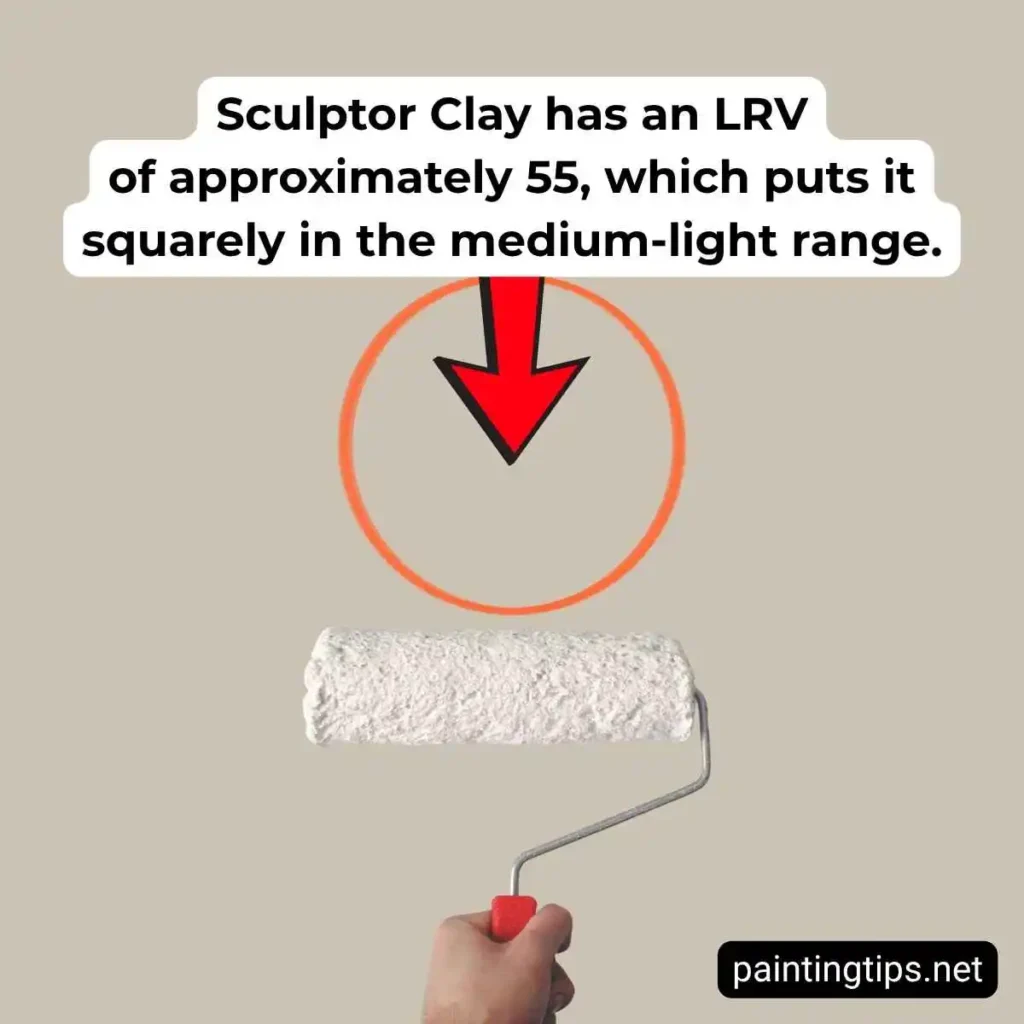
Sculptor Clay has an LRV of approximately 55, which puts it squarely in the medium-light range. In practical terms, that’s the sweet spot between colors that feel too heavy and colors that disappear into the wall. It’s bright enough to keep a room from feeling closed in, but it has enough body to actually read as a color rather than a near-white. To put this into perspective, LRV is measured on a 0–100 scale, where higher values reflect more light and lower values absorb it. Sculptor Clay’s mid-range position helps it feel neither too bright nor too heavy.
One thing worth knowing: LRV shifts with finish. A flat or matte finish will make Sculptor Clay read slightly darker and more grounded, while an eggshell or satin finish adds a touch of luminosity that works well in kitchens and bathrooms. Same color, noticeably different feel — so factor in your finish before ordering.
Behr Paint Sculptor Clay Undertones
Undertones are where neutral colors either shine or disappoint — and Sculptor Clay is one of the more nuanced ones worth paying attention to.
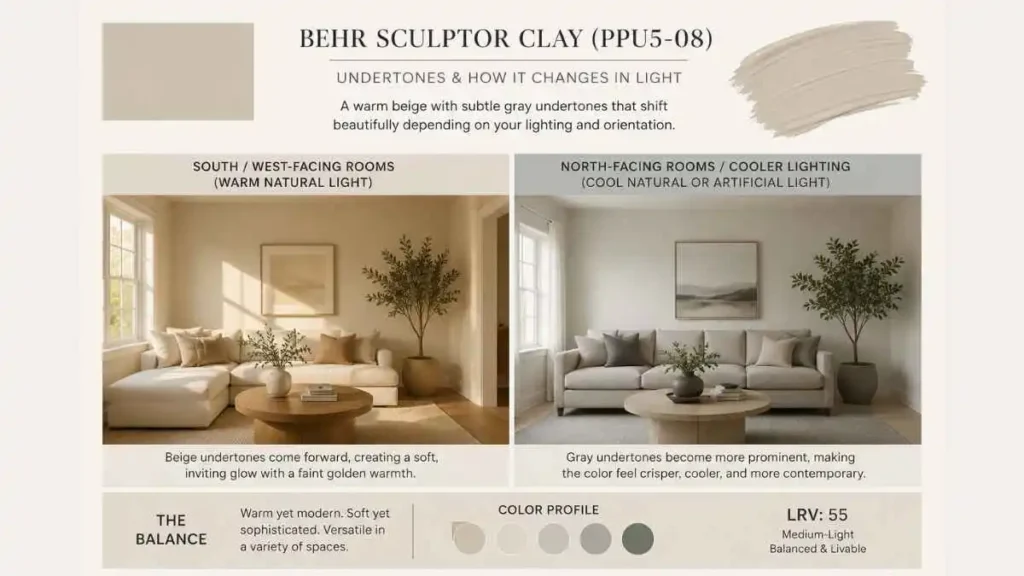
At its core, Sculptor Clay carries warm beige undertones that give it its earthy, grounded feel. But layered beneath that warmth are faint gray undertones that modernize it and prevent it from reading as a traditional cream or dated tan. That subtle balance between warmth and gray is a big reason why Sculptor Clay works well in such a wide range of interiors.
In rooms with natural light — especially south- or west-facing spaces — the beige undertones tend to come forward, wrapping the room in a soft, inviting glow. It feels cozy and organic in that setting, almost like the walls have a faint golden warmth to them.
In cooler, low-sunlight environments like north-facing rooms, the gray side of Sculptor Clay becomes more prominent. In those conditions, Sculptor Clay reads crisper and more polished — closer to a light greige with a contemporary edge. It’s the kind of shift that can feel jarring with some colors, but with Sculptor Clay, both versions work.
There’s also a subtle quality some people notice under certain lighting conditions: a very faint hint of mauve or purple, especially where it picks up cool reflected light. It’s not dominant and many people never see it, but if your space has purple, plum, or mauve accents, keep this in mind — it can create a lovely, unexpected harmony.
What separates Sculptor Clay from most greiges is that it avoids the two common failure modes: it doesn’t go too yellow like many beige-leaning neutrals, and it doesn’t go too cool and blue like many gray-leaning ones. That’s a narrower target than it sounds.
Behr Paint Sculptor Clay Coordinating Colors
Crisp Whites for Trim and Ceilings For trim, baseboards, and ceilings, pairing Sculptor Clay with Behr Ultra Pure White or Swiss Coffee creates a clean, classic contrast that looks intentional without being too stark. Swiss Coffee, with its own warm undertones, is especially harmonious if you want the room to feel cohesive and soft.
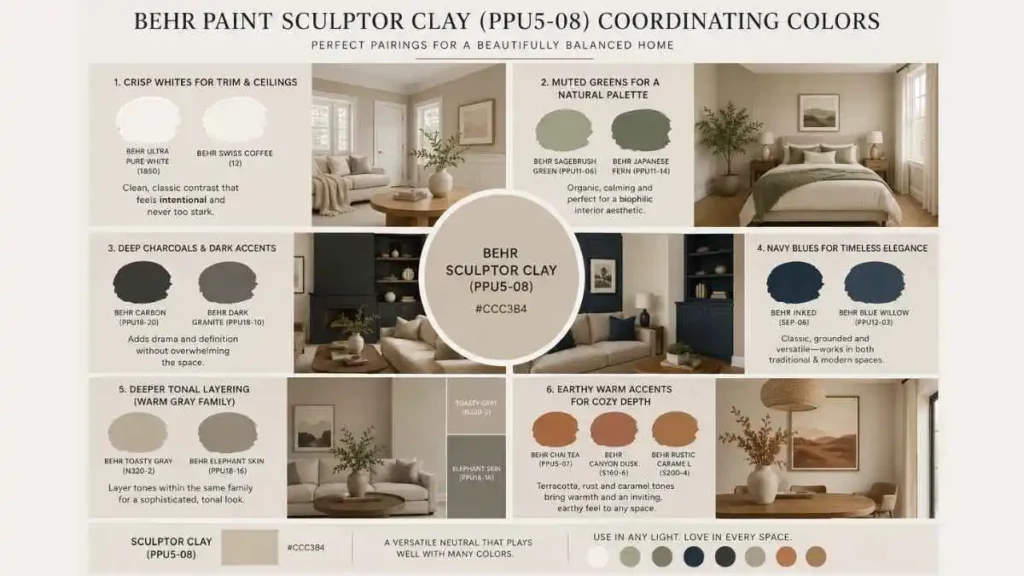
Muted green tones inspired by nature work especially well alongside Sculptor Clay. Think Behr Sagebrush Green or Japanese Fern — these tones create an organic, calming palette that feels like it belongs together. If you’re going for a biophilic interior aesthetic, this combination delivers.
Deep Charcoals and Dark Accents for Contrast For those who want more drama, darker shades like Behr Carbon or Dark Granite create a striking contrast with Sculptor Clay’s lightness. This works particularly well in open-plan spaces where one wall or architectural detail can be darker without making the whole room feel heavy.
Navy Blues for Timeless Elegance Sculptor Clay and navy blue is a combination that’s been popular for years — it’s classic, grounded, and works in everything from a traditional living room to a transitional bedroom. Behr Inked or Blue Willow (PPU12-03) both pair naturally with Sculptor Clay’s warm neutrality.
Deeper Tonal Layering If you’re building a tonal palette within the same color family, Behr Toasty Gray (N320-2) makes for a lighter companion, while Behr Elephant Skin (PPU18-16) adds depth in the same warm-gray family. This kind of monochromatic layering reads sophisticated without being overdone.
Sculptor Clay pairs beautifully with nature-inspired hues such as terracotta, clay red, muted rust, and rich caramel shades, creating a warm and inviting atmosphere. Behr Chai Tea (PPU5-07) — a warm brown-orange — brings out the earthier qualities of Sculptor Clay and gives the whole space a cozy, textured feel.
Behr Paint Sculptor Clay Paint Color Reviews
So how does Sculptor Clay actually hold up in real homes? Here’s an honest look at the scenarios where it works well — and one where you should think twice.

Open-plan living spaces are where Sculptor Clay really proves itself. In a combined kitchen-dining-living area, it creates visual continuity without flattening everything into the same tone. Paired with warm oak flooring and white trim, it reads differently in each zone depending on how light moves through the space — warmer near windows, slightly cooler toward interior walls — which adds depth rather than taking it away.
Rooms with warm wood floors or natural materials are another strong match. Sculptor Clay doesn’t fight with medium or honey-toned hardwood the way cooler grays often do. If you have rattan furniture, linen upholstery, or exposed wood beams, this color works with the texture instead of flattening it.
Hallways and transitional spaces are trickier with most neutrals, but Sculptor Clay holds up because its LRV is high enough to keep darker corridors from feeling closed in. It acts as a visual reset between rooms painted in bolder colors without jarring the eye.
One honest caveat: in rooms with very little natural light and cool LED lighting, the gray undertones can occasionally push Sculptor Clay toward feeling slightly flat. In those spaces, warm-toned bulbs (2700K–3000K) and a warmer white on the trim make a noticeable difference.
Before you commit, always test a sample swatch on the actual wall — Sculptor Clay can look slightly darker on a small chip than it appears at full scale. And if coverage matters, the Behr Marquee version is worth the upgrade. Overall, this is a color that rewards patience: put it up, sit with it for a day or two, and it tends to grow on you fast.
If you’d like to incorporate gray tones into your walls, you may find these colors inspiring: Benjamin Moore Gray Owl, Repose Gray, Agreeable Gray, Distant Gray, and Light Grey Wall Paint Colors. If you’re more interested in beige tones, you may also enjoy these articles: Accessible Beige and Beige Wall Color Ideas.
