Removing paint from a radiator looks different depending on the situation — whether you’re stripping back to bare metal before repainting or cleaning up wall paint that ended up where it shouldn’t, this guide covers the right methods for both, including what works on cast iron and how to handle dried drips.
How to Remove Paint from a Radiator
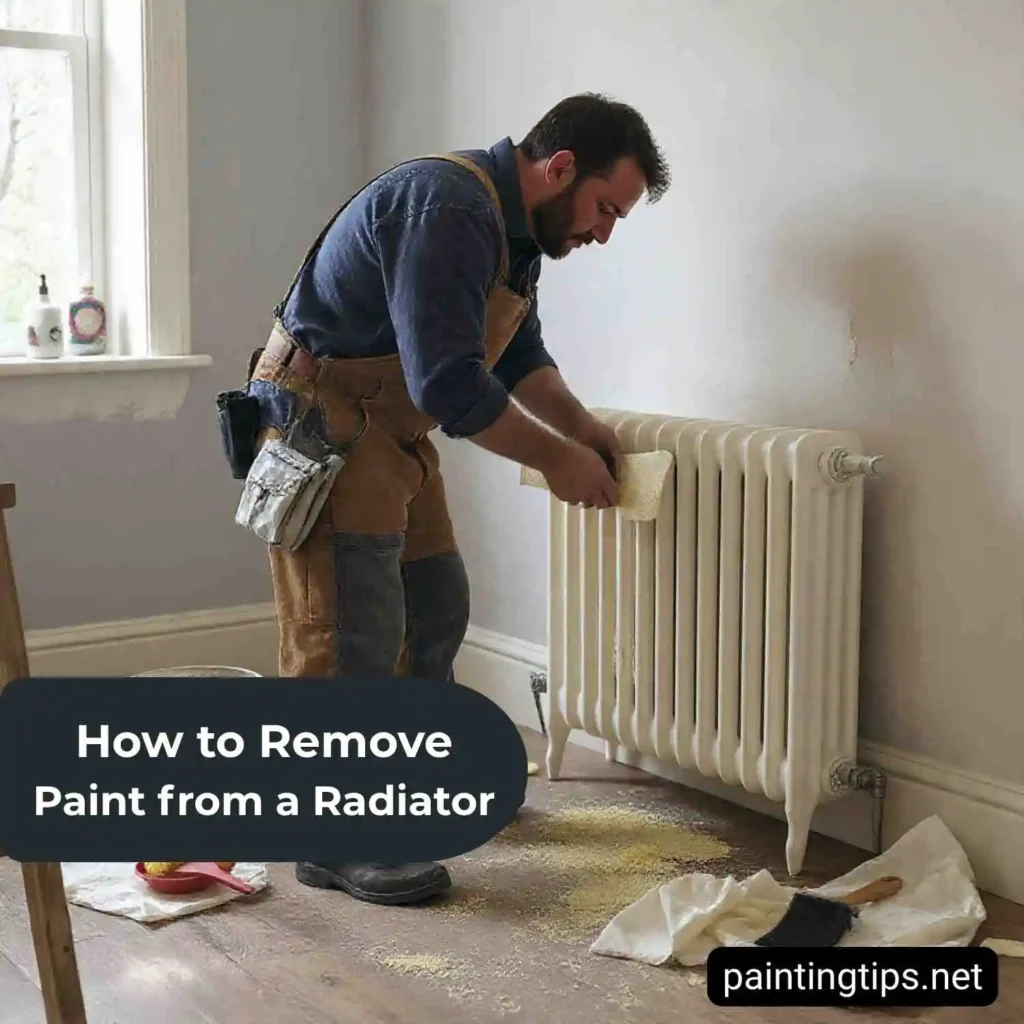
Before you pick up a tool, know what you’re working with. Most radiators have several layers of paint applied over the years — original factory coating, followed by whatever was thrown on during every redecoration cycle. If those layers are still solid and adhering well, stripping all the way back to bare metal may not be necessary. But if the paint is flaking, bubbling, or thick enough to clog the fins, a full strip is the right call.
There’s also one thing most guides don’t mention: radiators get hot, repeatedly, season after season. Paint that’s been subjected to years of heating cycles behaves differently from wall paint — it bonds harder, becomes brittle, and sometimes fuses multiple layers together in ways that make partial removal tricky.
Choosing the Right Stripping Method
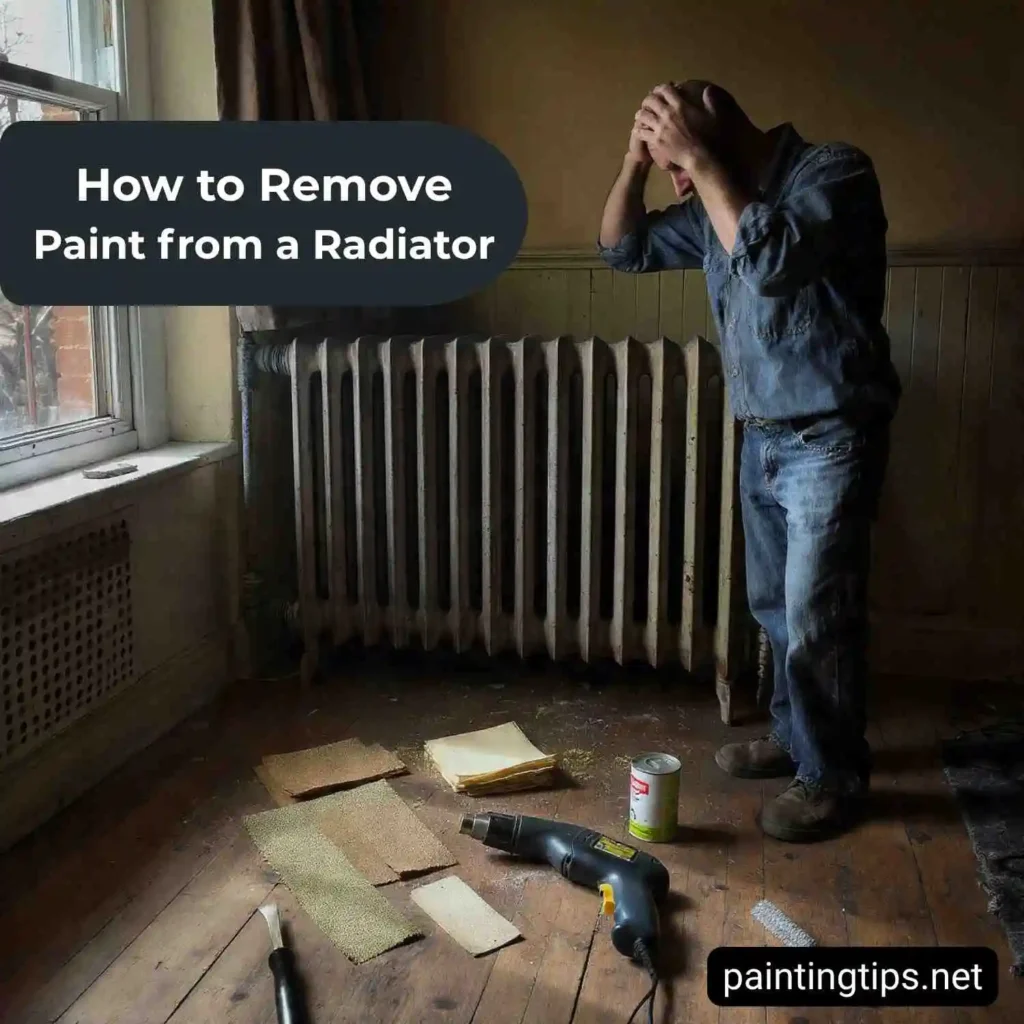
A gel-based radiator paint remover is the most thorough option when you’re dealing with multiple built-up layers. The gel formulation clings to fins and contoured surfaces, giving it enough contact time to soften paint right down to the metal. Apply generously, cover with plastic sheeting to stop it drying out, and leave it for at least an hour — longer on thick builds. Then scrape off with a plastic scraper to avoid gouging the metal.
A heat gun is faster on flat sections but gets awkward around fins and columns. Keep it moving constantly to avoid warping thin steel panels, and lift the softened paint with a scraper as you go. On cast iron it’s more forgiving — the thick metal distributes heat evenly rather than concentrating it in one spot.
Sanding and hand scraping is only worth it for light surface work — clearing flaking paint before a touch-up rather than a full strip. Grab a wire brush or some coarse sandpaper — the loose stuff comes away pretty quickly. For the cleanest result, combining chemical stripper with follow-up sanding gives you the most paint-ready surface.
How to Strip Paint from a Cast Iron Radiator
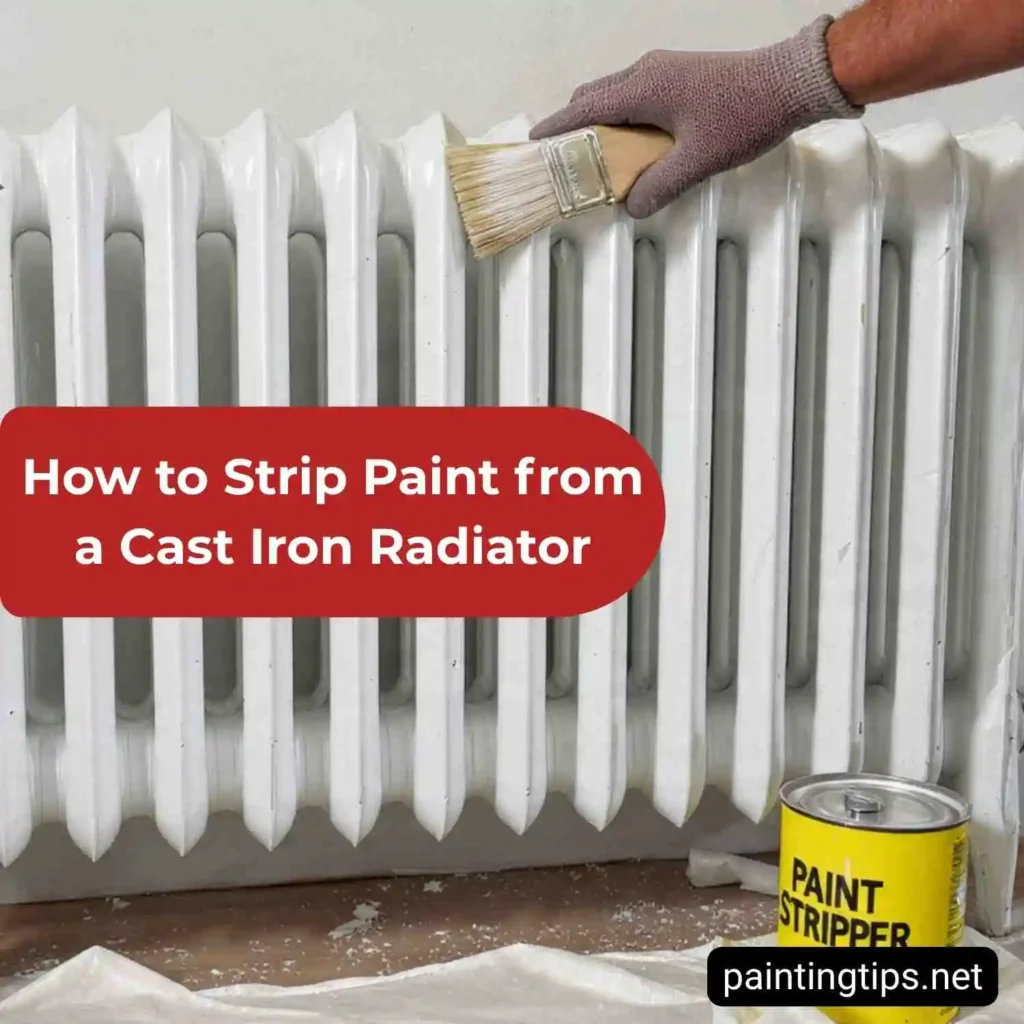
Cast iron radiators are a different animal. The intricate columns and decorative sections trap paint in places that brushes and scrapers can’t easily reach, and because these units have often been painted six or eight times over their lifetime, the layers can be impressively thick.
The most effective approach is a heavy application of gel chemical stripper left to work for several hours — sometimes overnight on really built-up units. Once softened, use a stiff-bristled brush for the flat areas, an old toothbrush for tight spots, and wooden dowels or chopsticks to work paint out of deep crevices without scratching the surface.
For cast iron radiators with extreme paint buildup, professional shot blasting or caustic tank dipping gets the unit completely bare and is worth considering if you’re restoring a period piece. Some decorating companies offer this as a specialist service.
If you’re planning to remove the radiator entirely for stripping, the valves need to be fully closed and the unit drained before you disconnect anything. If you’d rather work around that, our guide on how to paint behind a radiator without removing it covers some practical alternatives that save you the hassle of a full disconnection.
How to Get Accidental Paint Off a Radiator
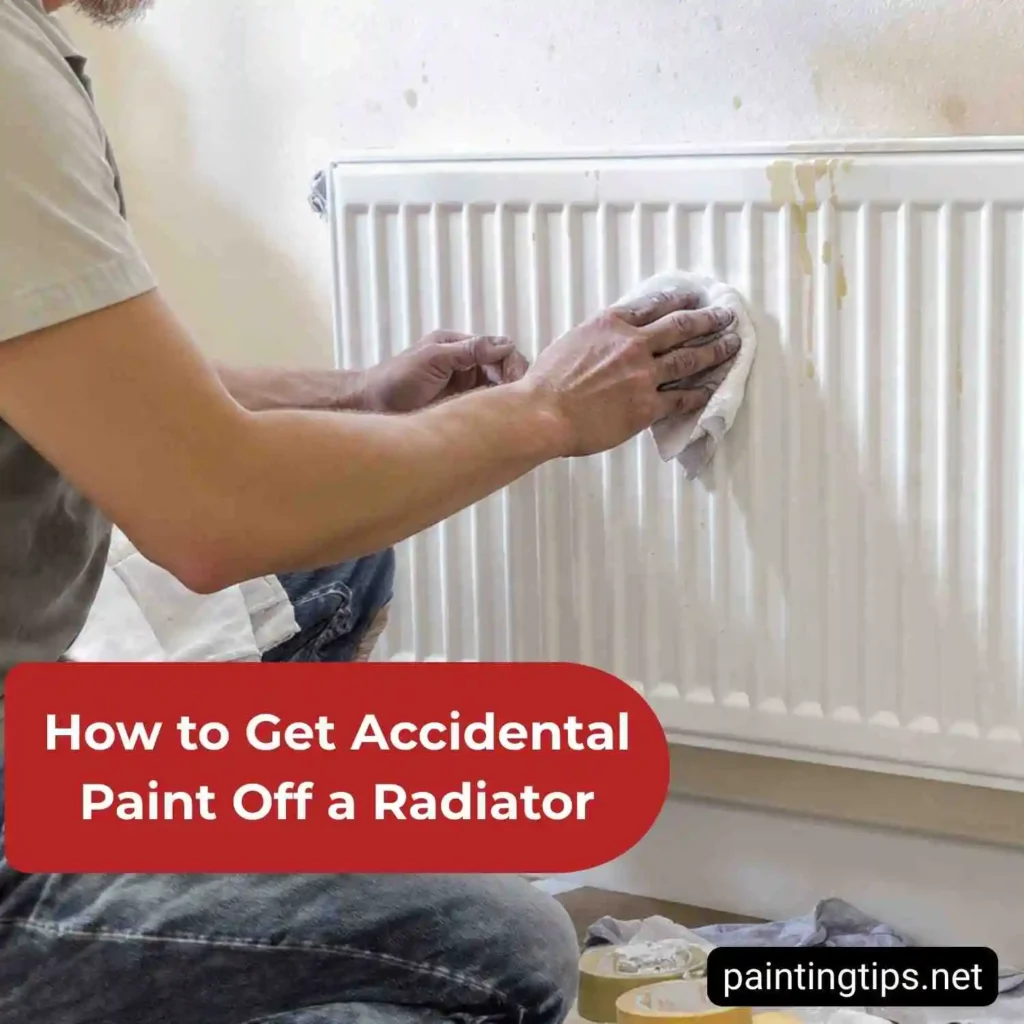
If wall paint has dripped or brushed onto your radiator by mistake, how quickly you act makes a big difference.
Wet paint is easy. A damp cloth handles water-based paints immediately, while a small amount of mineral spirits on a rag takes care of oil-based drips before they set. The key is getting to it before the radiator heats up and bakes it on permanently.
Dried paint takes more work. For small drips and splatters, a plastic scraper or even a fingernail lifts most of it without scratching the existing finish. For more stubborn dried spots, apply a small amount of chemical stripper directly to the affected area, leave it for 15 to 20 minutes, then wipe or scrape clean.
If the radiator has a quality enamel finish you want to preserve, be careful—chemical strippers don’t distinguish between the paint you want to remove and the coating underneath. Always test in an inconspicuous spot first.
We also put together a full guide on can paint thinner remove paint if that’s something you’re weighing up.
FAQ
What Is the Best Paint Remover for Radiators?
A gel-based chemical stripper formulated for metal gives the best results. The gel consistency clings to vertical and contoured surfaces — essential for radiators with fins or columns — giving it enough contact time to penetrate fully before you scrape. Check that the product is rated for metal surfaces and follow the dwell time on the label.
How Do You Remove Flaking Paint from a Radiator?
All loose material needs to come off before anything new goes on — painting over flaking paint just guarantees more peeling later. Use a wire brush or stiff scraper to clear the loose sections, then sand the edges of remaining paint smooth so there’s no raised lip. Prime with a metal primer before repainting. If the flaking is widespread across the whole unit, a full strip will serve you better in the long run.
How Do You Strip Paint Off a Cast Iron Radiator?
Apply a generous coat of gel chemical stripper and leave it covered with plastic sheeting for several hours or overnight. Work the softened paint out of crevices using brushes and wooden tools, then sand for a clean finish. For heavily built-up units, professional dipping or shot blasting takes the radiator back to completely bare metal.
How Do You Remove Paint from Radiator Pipes?
Chemical stripper works on pipes the same way it does on the radiator body — apply, let it dwell, then wipe or scrape clean. For surface flaking, light sanding is usually enough. One exception: avoid heat guns on copper pipes. Copper conducts heat fast, and applying a gun too close to soldered joints or fittings further along the run can cause damage that’s far more trouble than a bit of old paint.
How Do You Get Paint Off a Cast Iron Radiator Without Removing It?
Gel chemical stripper is the most practical in-situ method. Apply heavily, cover with plastic to extend the working time, then use brushes and wooden tools to work paint out of the decorative sections. It takes patience on a heavily detailed unit, but it’s entirely doable without taking the radiator off the wall.
Once you’ve got a clean surface, our guide on how to paint a radiator covers everything from the right primer to the best topcoats for heat resistance and long-term durability.
