Spray paint has a way of ending up where it shouldn’t — a window nicked during an outdoor project, an old mirror rescued from a garage sale, a car window hit by an overspray drift. The good news is that glass is one of the easier surfaces to work with, since it won’t absorb paint the way wood or drywall does. The paint just sits on top, which means the right solvent can lift it clean off. We’ve pulled together the methods that actually hold up, along with a few mistakes worth avoiding.
How to Get Spray Paint off Glass

Spray paint tends to bond well with glass. Even though glass is smooth and slick, it doesn’t need texture to grip — it just needs to dry. Once the solvents in the paint evaporate, what’s left behind hardens into a thin, plastic-like film that clings to the surface.
That’s why removing spray paint from glass gets harder the longer it sits, and why fresh overspray comes off far more easily than paint that’s had weeks to cure. The removal process itself can also cause scratches or a dull, cloudy finish if it’s rushed, so the right approach matters as much as the right product.
Is Spray Paint Permanent on Glass?
Spray paint can feel permanent on glass, since many formulas are made to bond tightly and resist fading. It isn’t actually permanent, though — with the right solvent and a little patience, it comes off without damaging the glass underneath.
What Removes Spray Paint from Glass?
Which product makes sense depends on how much paint you’re dealing with and how long it’s been sitting. For a few small drips, acetone, rubbing alcohol, mineral spirits, or vinegar are usually enough on their own.
If the glass is fully coated, you’ll need something stronger. A dedicated paint remover or lacquer thinner will strip spray paint off a glass jar, mirror, or window without scratching the surface — just be sure to wash the glass with soapy water afterward to clear away any residue.
Removing Spray Paint from Glass
Below are the methods worth trying for spray paint on glass removal, starting with the mildest options and working up to what’s needed for a fully coated surface.
1. Removing Spray Paint with Acetone
Acetone is usually the first thing worth reaching for on small stains. Pour a small amount onto a soft cloth and press it against the paint for a few seconds to let it soften, then wipe in one direction rather than scrubbing in circles.
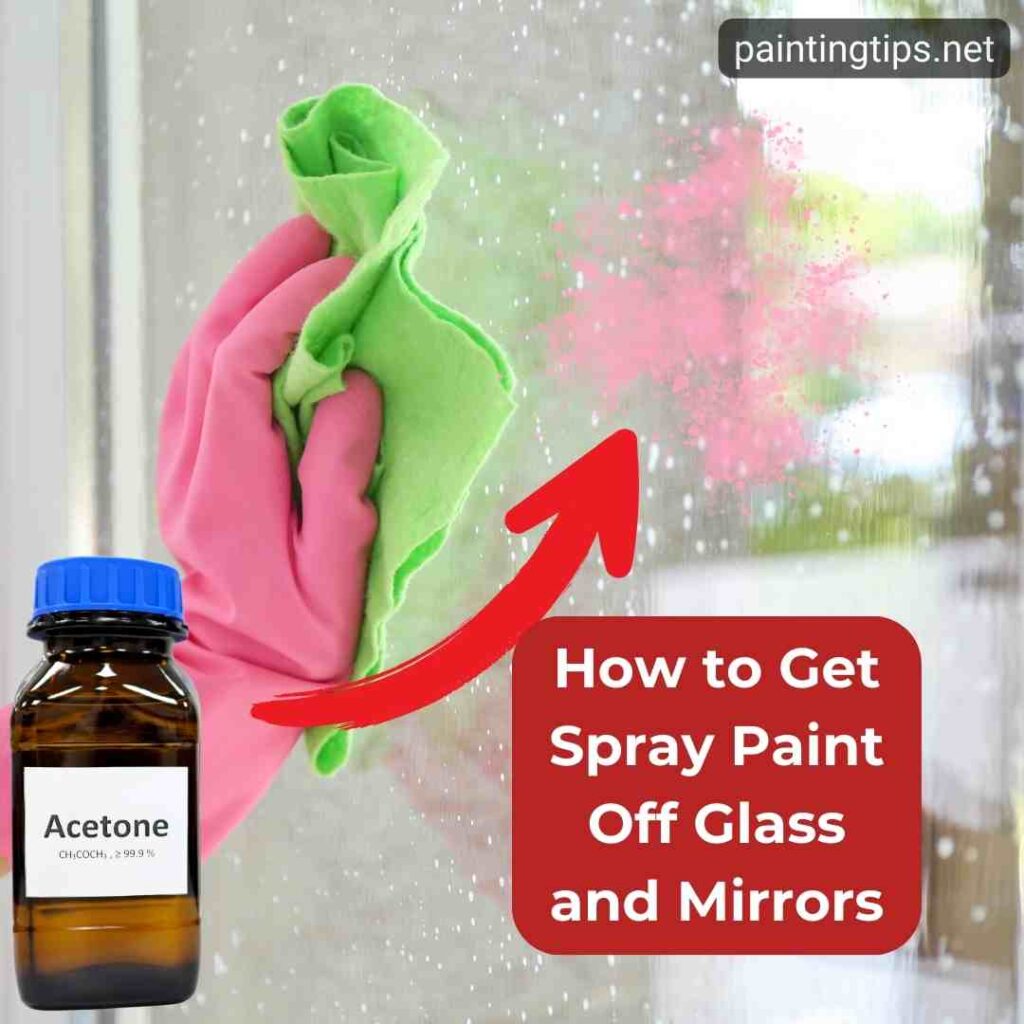
Pure acetone or standard nail polish remover both work, though pure acetone cuts through the paint faster.
2. Using Synthetic Thinner for Spray Paint Removal
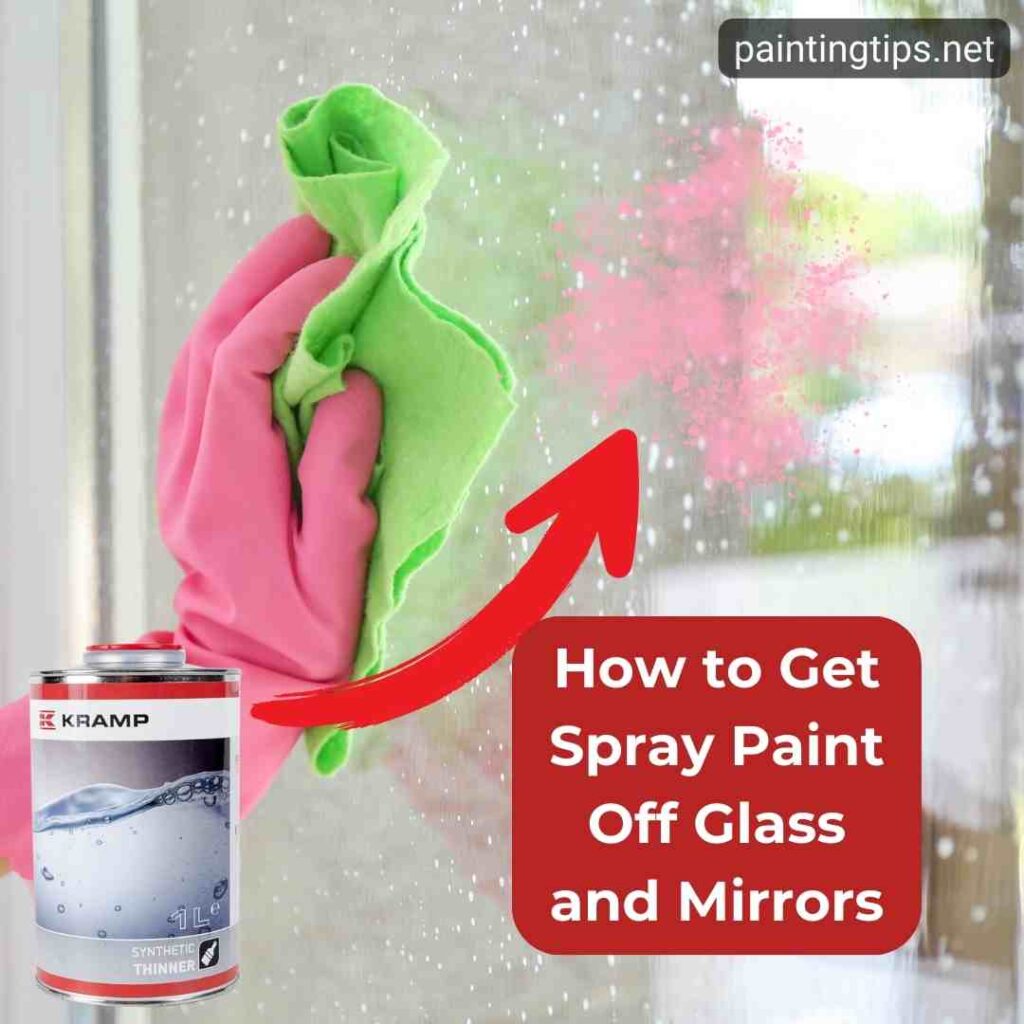
Mineral spirits, sometimes labeled as synthetic thinner, sit between rubbing alcohol and acetone in strength. Dampen a cloth with mineral spirits and work it into the stain using small circular motions, then wipe clean with a dry section of the cloth.
3. Removing Spray Paint with Rubbing Alcohol
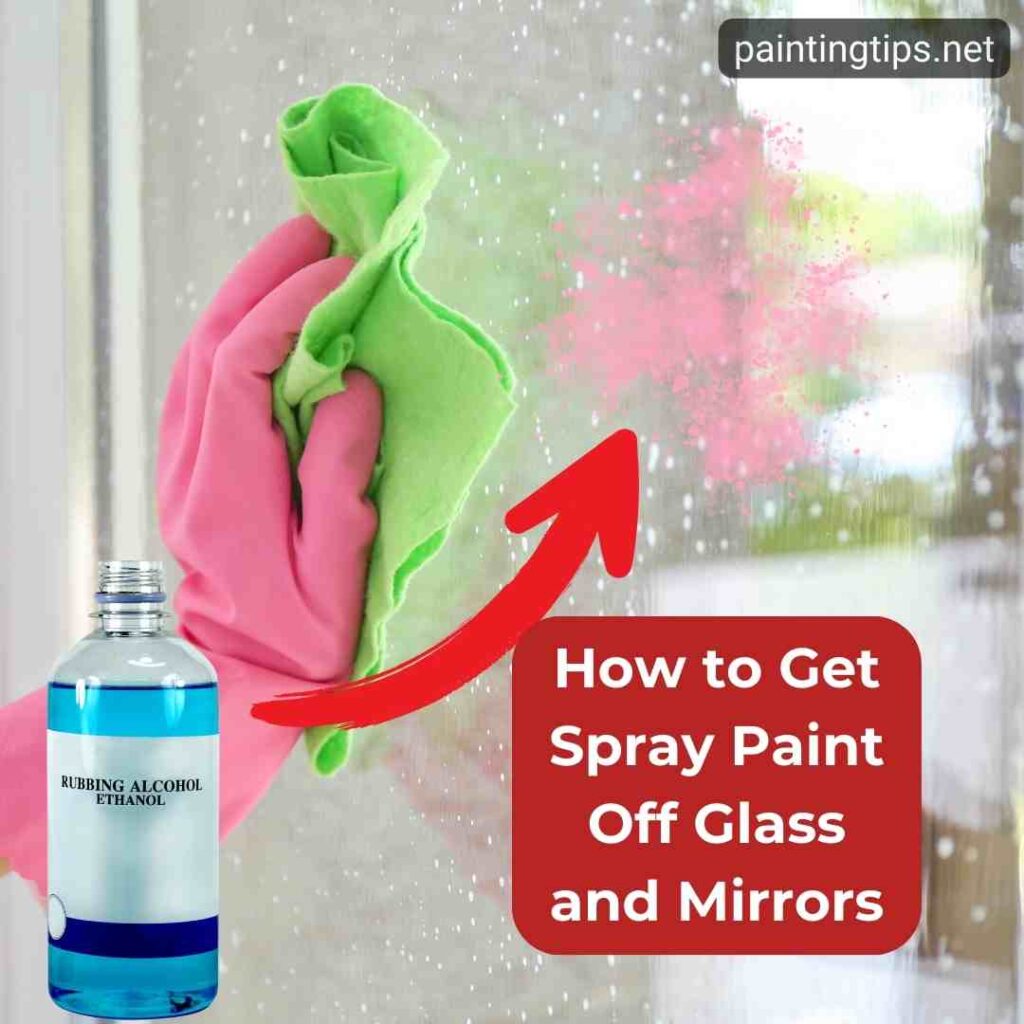
Rubbing alcohol is milder, which makes it a safer starting point on tinted or coated glass. Soak a cloth with rubbing alcohol, hold it against the paint for a minute or two, and apply steady pressure while wiping. It won’t touch heavier, cured paint on its own, but it’s often enough for light overspray.
4. Cellulose Thinner “Lacquer Thinner” for Tough Paint Stains
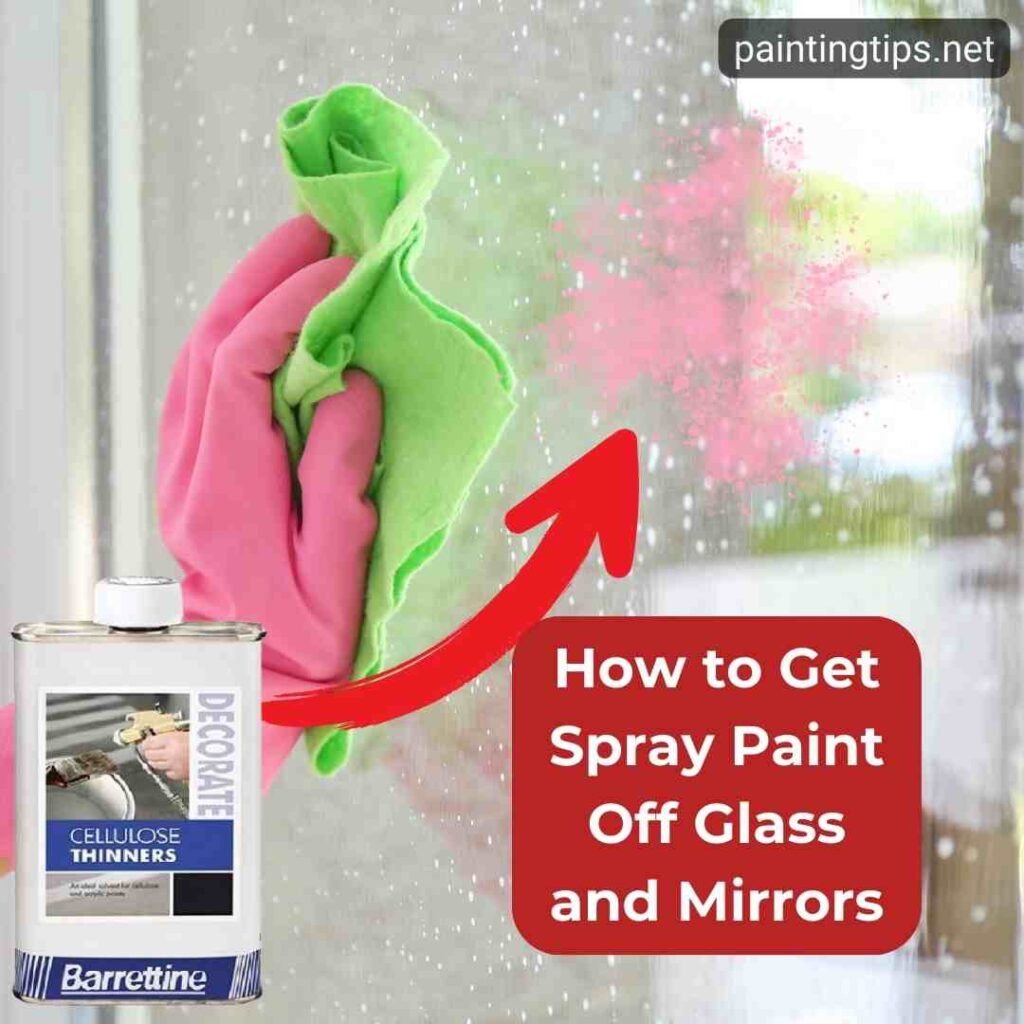
Lacquer thinner is one of the few products with enough strength to break down spray paint that’s fully cured. Apply it generously to the stain and let it sit for 5-10 minutes so the paint has time to soften, then dip a clean cloth in the thinner and work it over the glass in circular motions. This one calls for good ventilation, since the fumes are strong. Related post: [Can thinner remove paint?]
5. Paint Stripper for Full Coverage
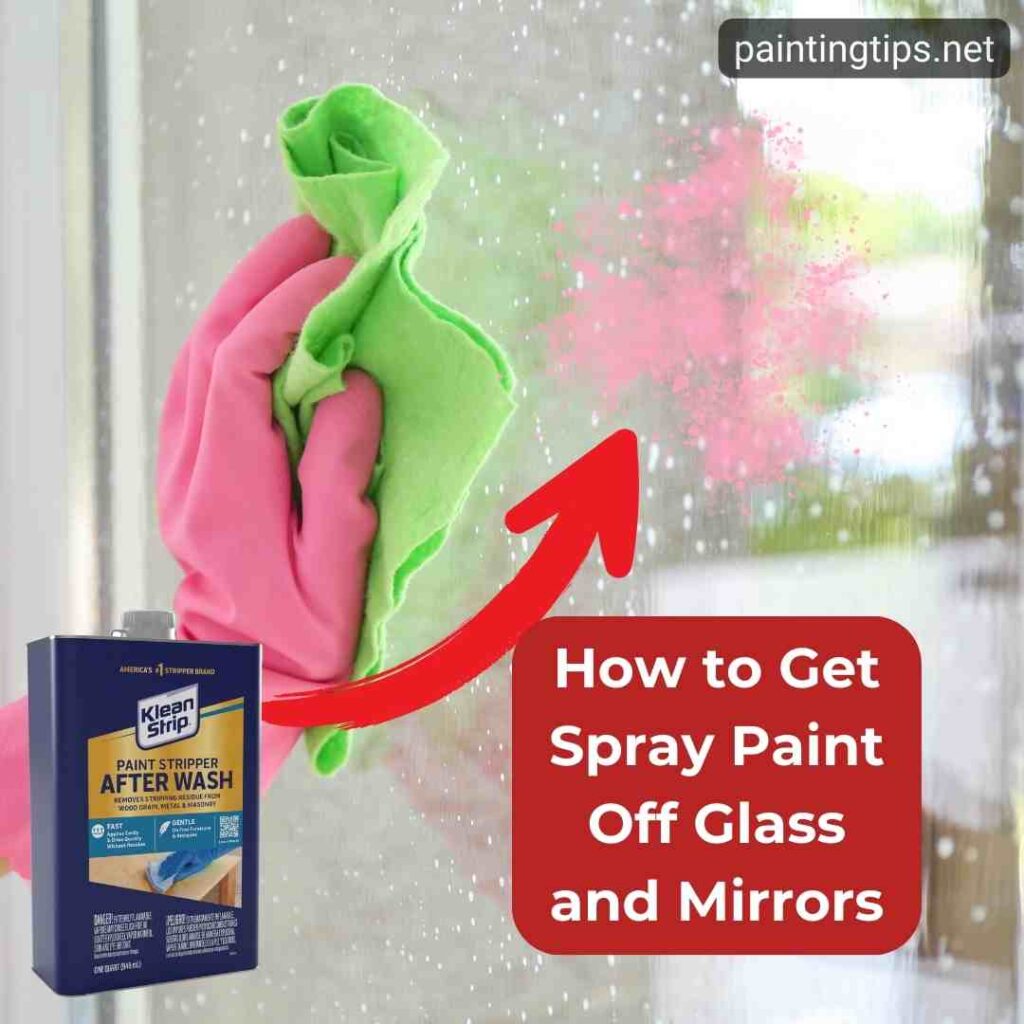
For spray paint covering a large window or an entire mirror, a dedicated paint stripper is the most efficient option. Spread it evenly over the surface, wait around 30 minutes for the paint to soften fully, then wipe it away with a dry cloth.
Stubborn patches may need a second pass. This is also the best way to remove spray paint from glass when it’s an old, heavily built-up coating rather than a quick touch-up.
By following these steps and precautions, spray paint can be removed from glass without damaging the surface, so windows and mirrors look as good as new.
6. Razor Blade Scraper for Stubborn Spots
This step often gets skipped, but it’s genuinely one of the best ways to clean spray paint off glass once a solvent has already softened it. Glass is hard enough to handle a fresh, sharp razor blade held at a low angle, close to flat rather than upright, and dragged in a single direction instead of scrubbing back and forth. Keeping the glass wet with soapy water while scraping helps the blade glide instead of catching.
Never work on a dry surface or press down at a steep angle — that’s what causes scratches. Solvent plus blade handles paint that a cloth alone won’t touch.
Safety Tips and Precautions
Always wear gloves and a mask, especially when working with lacquer thinner or paint stripper, and avoid sharp metal tools other than a razor blade held flat, since anything with a rough edge can scratch the glass. It’s also worth testing any solvent on a small, hidden corner first if the glass is tinted, coated, or tempered, since some products can dull specialty finishes.
It’s common for glass to look slightly hazy or streaky right after paint removal. A wash with warm, soapy water and a rinse usually brings the clear finish back.
Will WD-40 Remove Spray Paint from Glass?
WD-40 isn’t strong enough to break down cured spray paint on its own, so it’s not a reliable choice for full removal. Where it does help is loosening sticker residue or light adhesive left behind after the paint has already been mostly cleaned off.
How to Get Dried Spray Paint off a Mirror
The best way to remove dried spray paint from a mirror is lacquer thinner paired with a razor blade scraper. If the mirror has a decorative frame or an antique finish, start with mineral spirits instead, since it’s gentler on the surrounding material.
Does Acetone Take off Spray Paint From Glass?
Yes, acetone works well on fresh and moderately dried spray paint on glass, mirrors, and windows. It’s less effective once paint has fully cured over an extended period, which is when switching to a stronger solvent is worth it.
Can You Remove Spray Paint Off of Glass?
Yes, spray paint can be removed from glass using products like acetone, rubbing alcohol, or lacquer thinner, paired with the right cleaning technique for the amount of paint involved.
Does Vinegar Remove Spray Paint From Glass?
Vinegar can help remove spray paint from glass by softening it, but it isn’t very effective on paint that’s fully dried. It works best on fresh paint or light stains rather than an older buildup.
You might also be interested in these related articles:
