A minimalist bedroom isn’t cold or empty—it’s a calm, intentional space that helps you breathe easier at the end of the day; by paring back to the essentials you get better sleep, less visual noise, and a room that feels larger and lighter, so think clean lines, a tight warm-neutral palette, and fewer, better pieces that earn their keep with hidden storage keeping surfaces clear. First we explain how to create a minimalist bedroom step by step, and at the end of the page you’ll find a relaxing gallery of minimalist bedroom decor ideas.
How to Create a Minimalist Bedroom

A modern minimalist bedroom works because every choice serves a purpose: the room is decluttered, the palette is restrained, and the furniture is simple and functional. Start by removing what you don’t use or love, then build back only what supports rest, storage, and a sense of ease. Quality beats quantity—choose fewer, better pieces and give them room to “breathe” with negative space around them.
The look stays warm (not stark) when you layer subtle texture—think linen bedding, a low-pile rug, light wood, and soft, diffused lighting. Stick to a neutral base (whites, creams, warm grays, soft beiges), add one or two grounding tones, and keep patterns minimal. Keep surfaces clear, hide the clutter, and let natural light do the heavy lifting. These principles show up again and again in current minimalist bedroom guides—clean lines, multifunctional furniture, hidden storage, and a limited, calming palette.
Pick a Warm, Light Floor and Keep it Clear
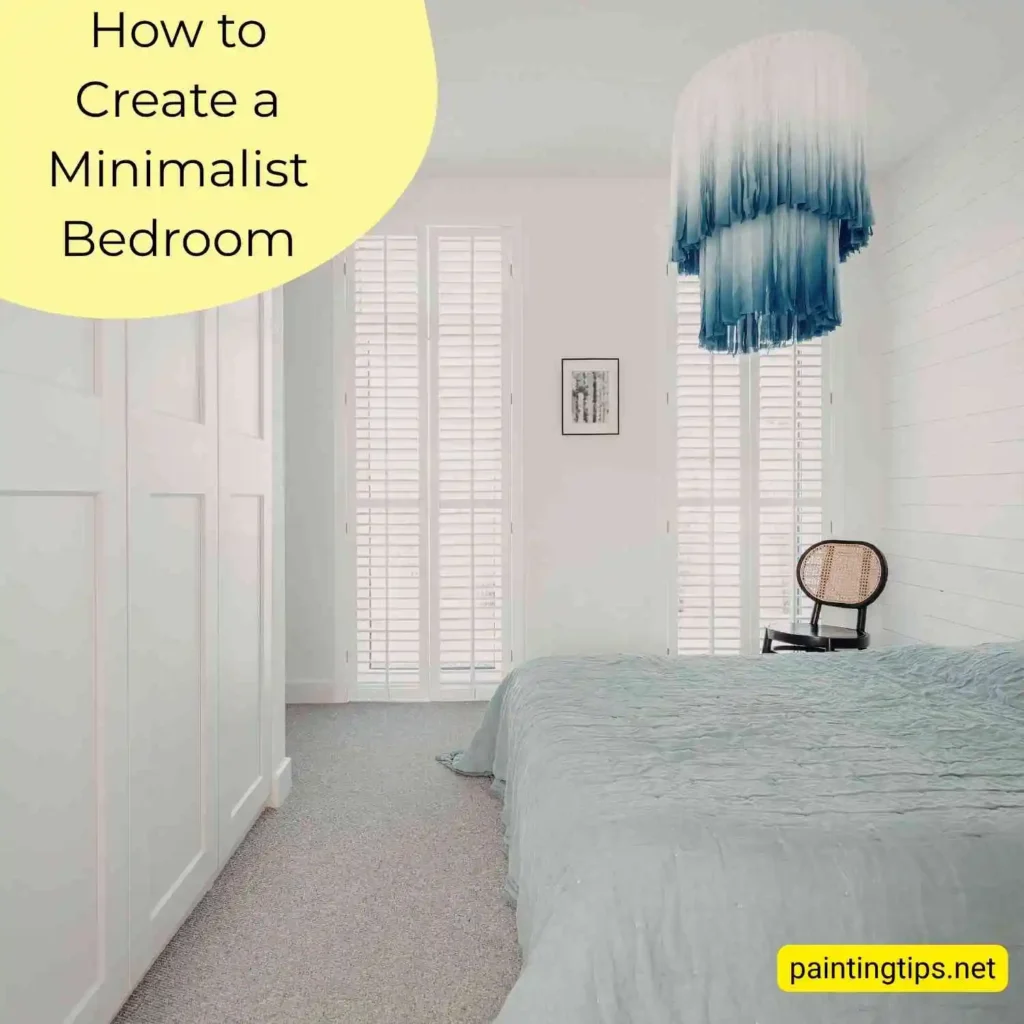
Start with light wood or warm-toned laminate for your minimalist bedroom base—it bounces light and makes the whole room feel bigger. Add one low-pile rug in a neutral shade for softness underfoot, then keep the floor mostly clear. If you need extra storage, use under-bed drawers or a slim bench so surfaces stay clean and your minimalist bedroom decor stays calm.
Paint the Walls a Soft, Warm Neutral
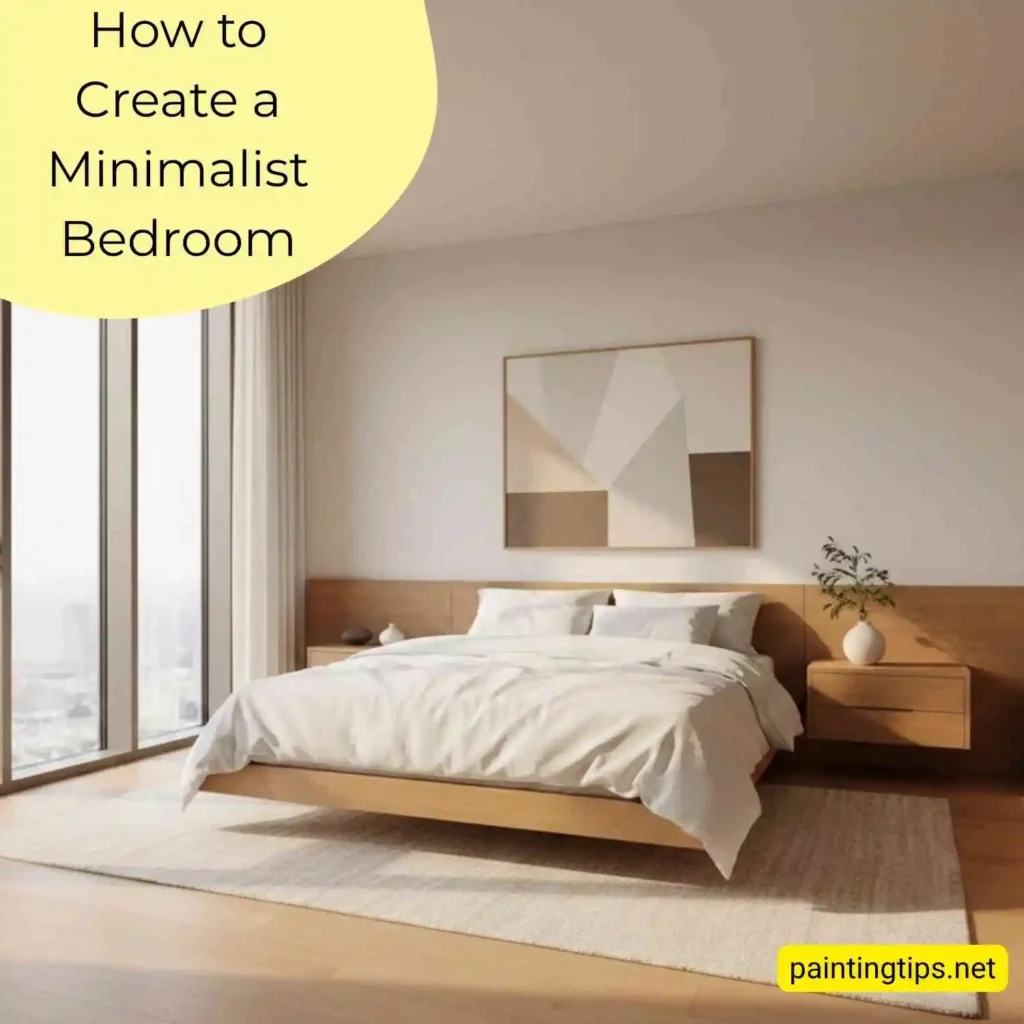
Go with warm white, soft beige, or light greige. These shades are the backbone of most minimalist bedroom ideas because they’re restful, versatile, and keep the space from feeling stark. Skip saturated colors; if you want depth, use one slightly darker neutral as an accent and let texture do the rest.
Choose Simple, Hardworking Furniture
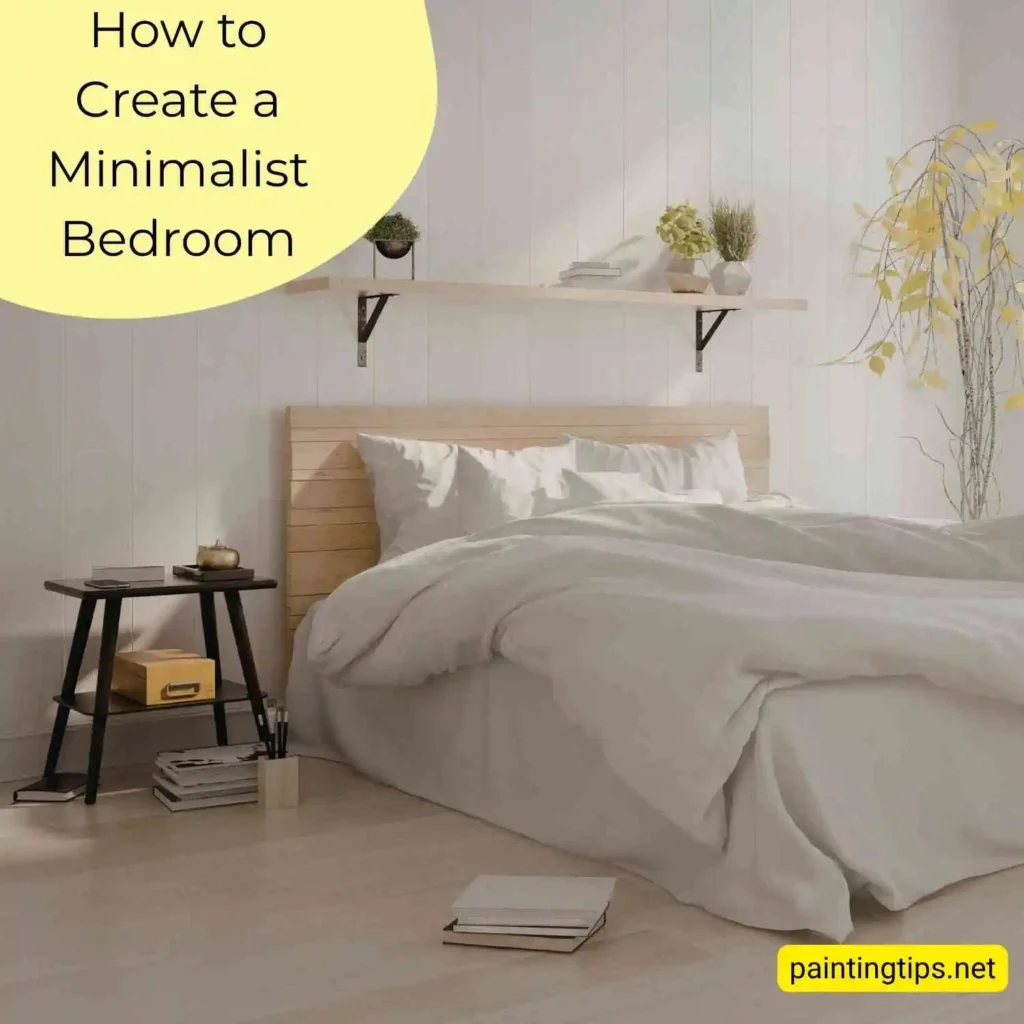
Buy fewer, better pieces with clean lines: a low platform bed (drawers are a bonus), one or two slim nightstands, and a compact dresser or built-in wardrobe. This is the core of a modern minimalist bedroom—multifunctional wins. A storage ottoman, floating nightstand, or bench at the foot of the bed cuts down on clutter and keeps sightlines open.
Edit Accessories Down to the Essentials
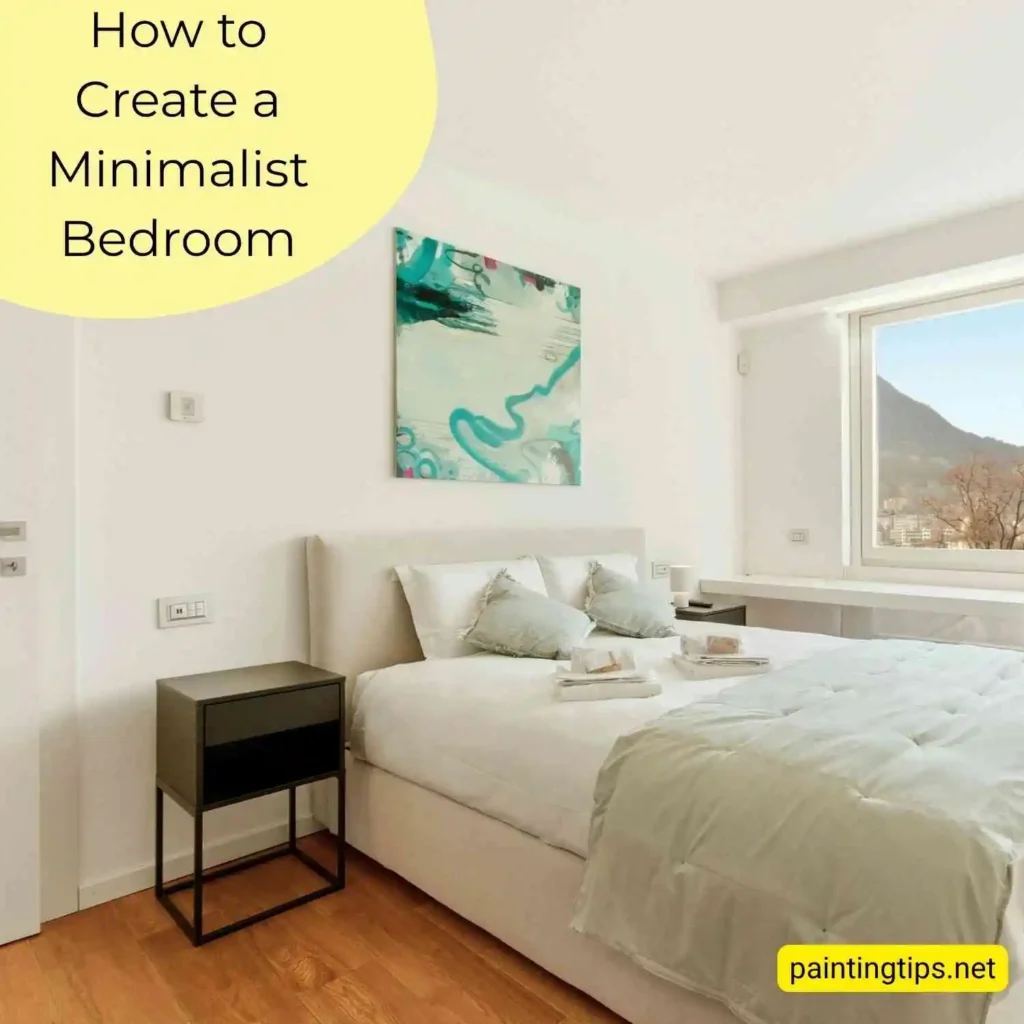
Keep surfaces almost bare. One large artwork beats a gallery wall; a single vase, a small stack of books, or a ceramic tray is enough for a nightstand. Add life with one or two easy plants, linen or cotton bedding in neutral tones, and a textured throw. These small moves give your minimalist bedroom decor warmth without noise.
Layer Light the Right Way
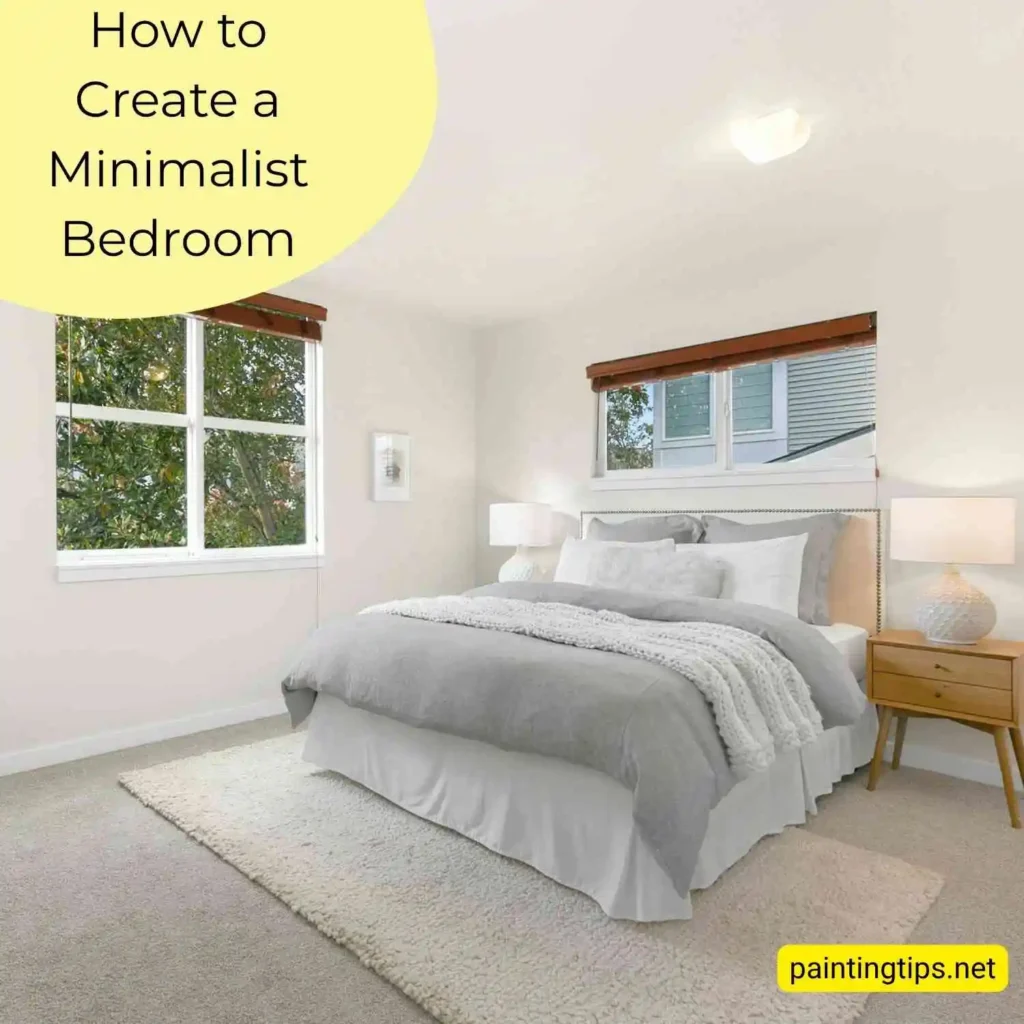
Let natural light lead—use sheer curtains or leave windows unobstructed. Then add simple, low-profile fixtures: wall sconces, a slim floor lamp, or a modest pendant. Warm bulbs (around 2700–3000K) keep a minimalist bedroom feeling cozy, not cold.
Mix Two or Three Textures, Max
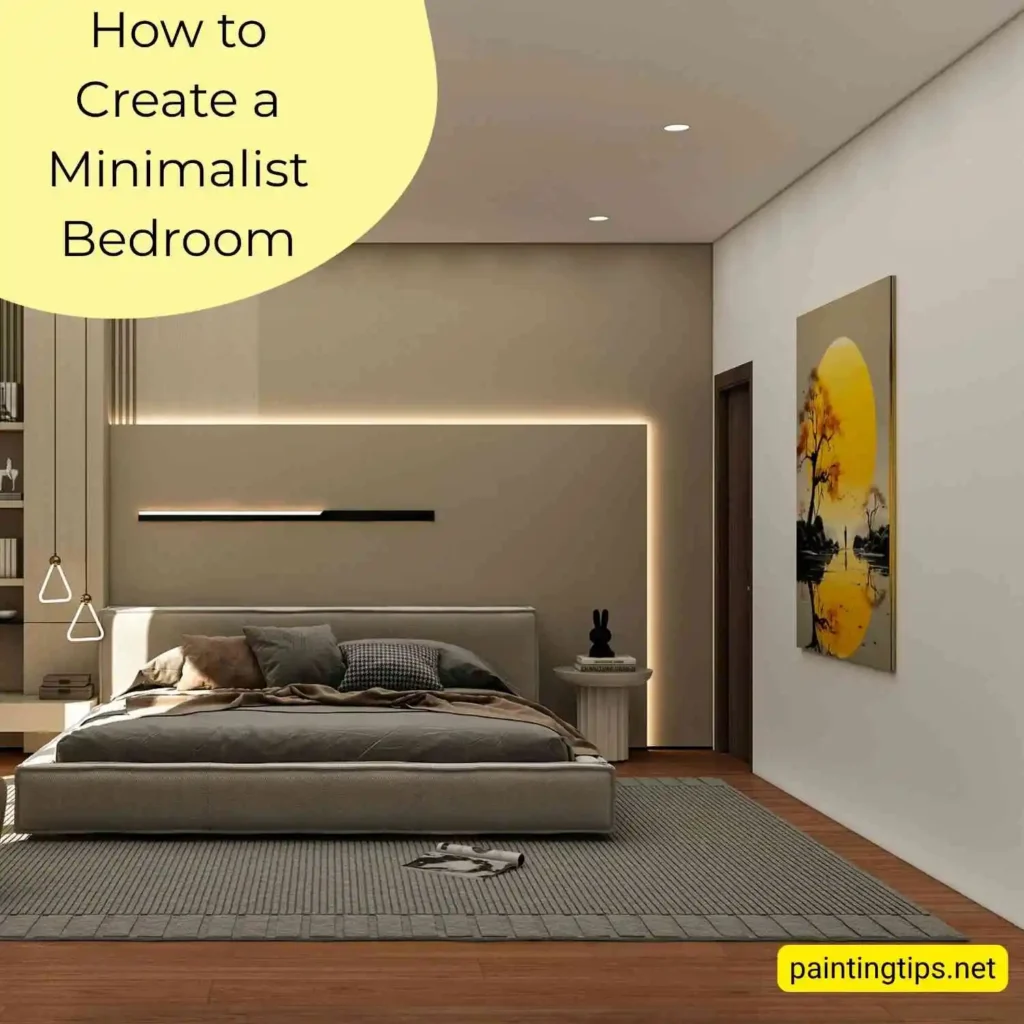
Depth comes from touch, not pattern. Pair linen sheets with a cotton duvet, add a chunky knit throw, and ground it all with light oak or ash. Limit yourself to two or three textures so the look stays cohesive and calm—classic minimalist bedroom ideas in practice.
Hide Storage So Clutter Disappears
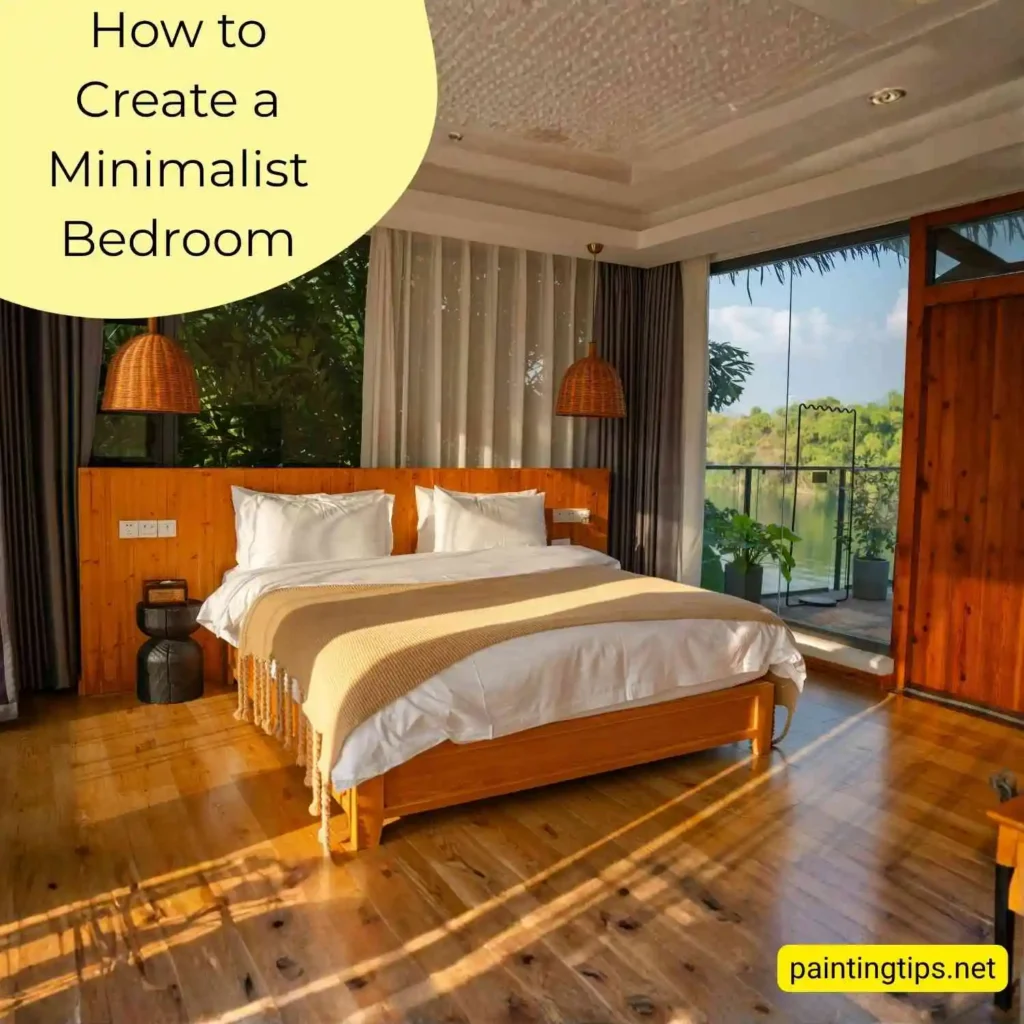
Give everything a home: under-bed drawers, closed closets, baskets, and built-ins. Start by decluttering—remove the workout gear, extra pillows, paperwork—then keep it that way with a simple “one in, one out” rule. Clear surfaces are what make a minimalist bedroom feel restful.
Minimalist Bedroom Decor Ideas
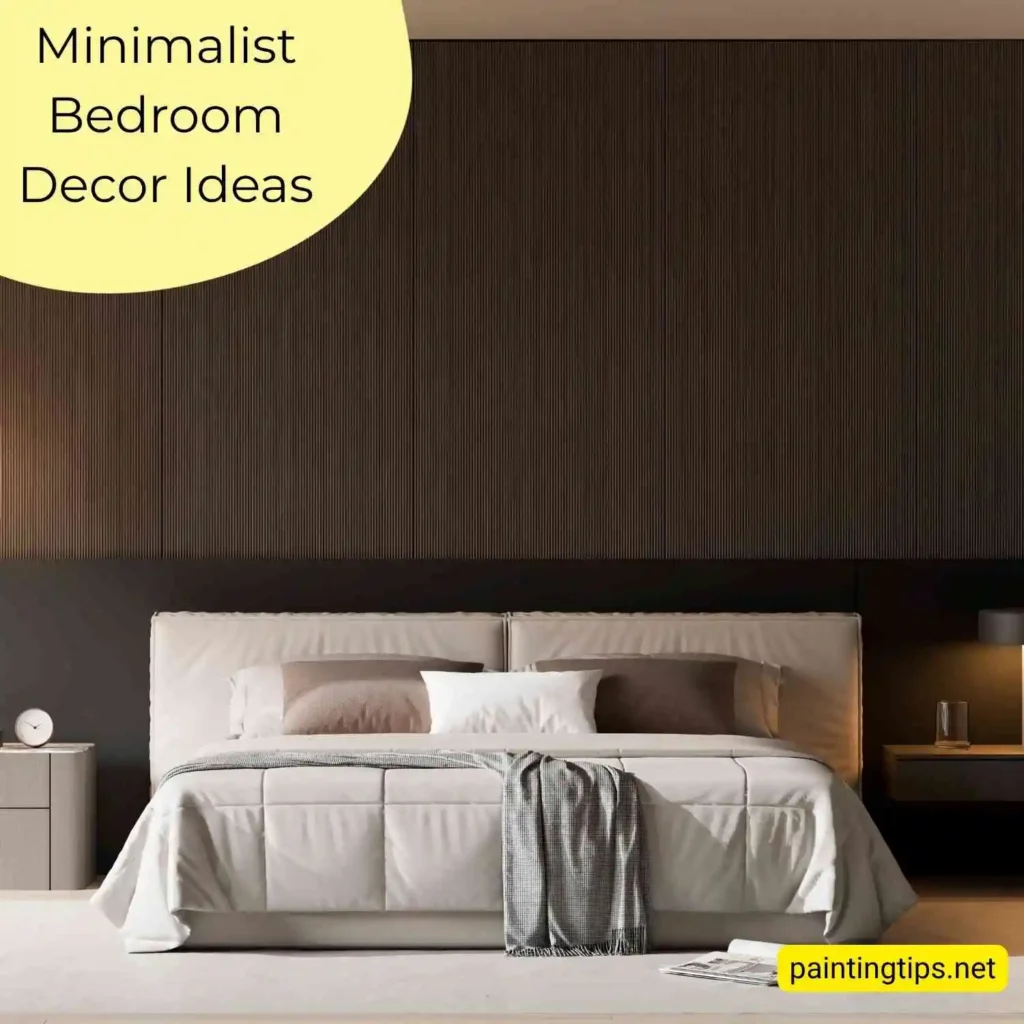
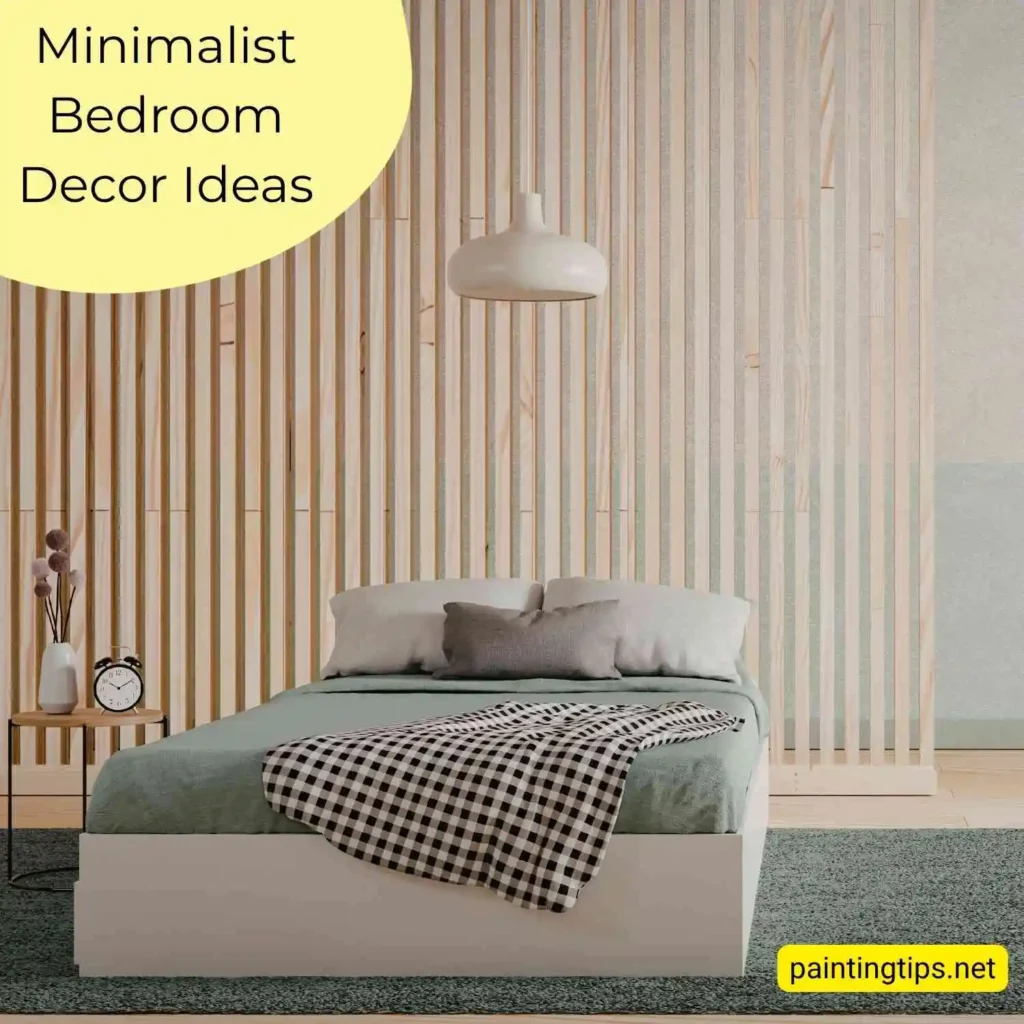
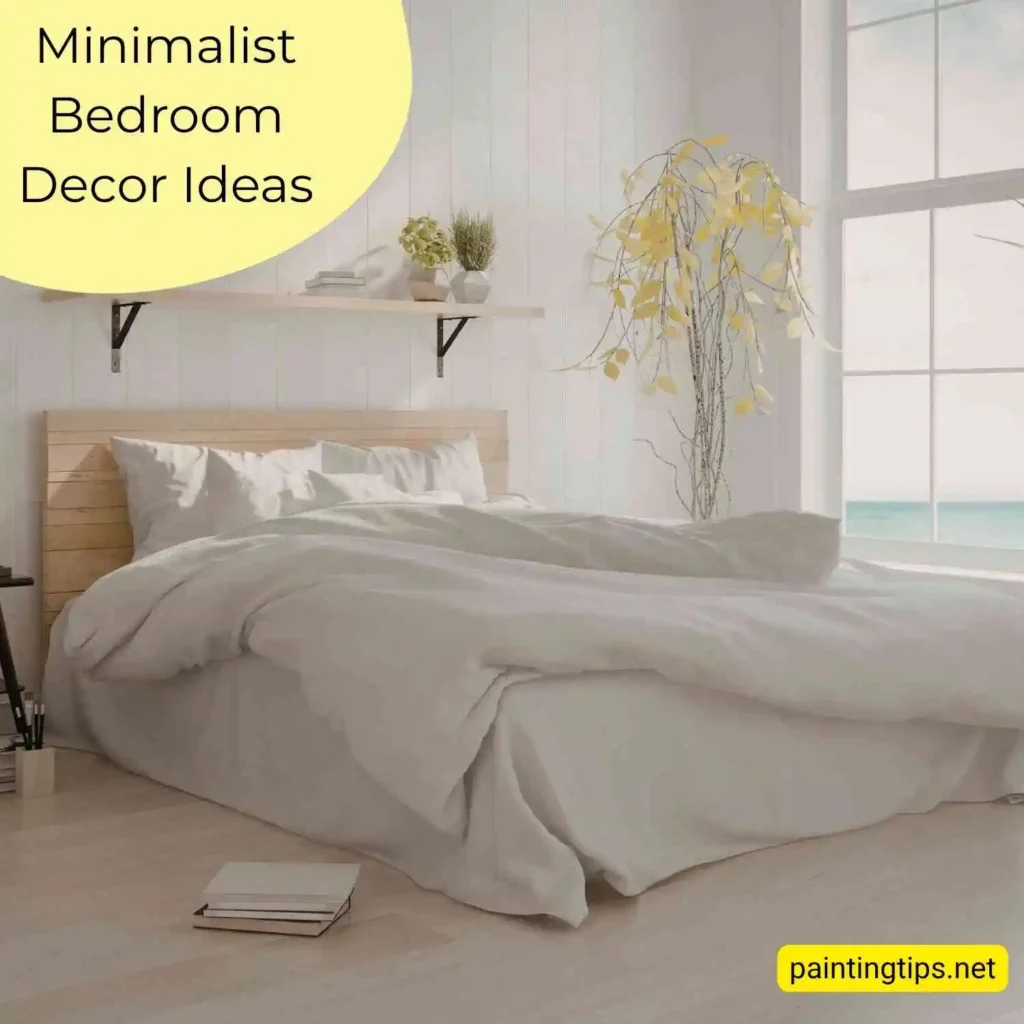
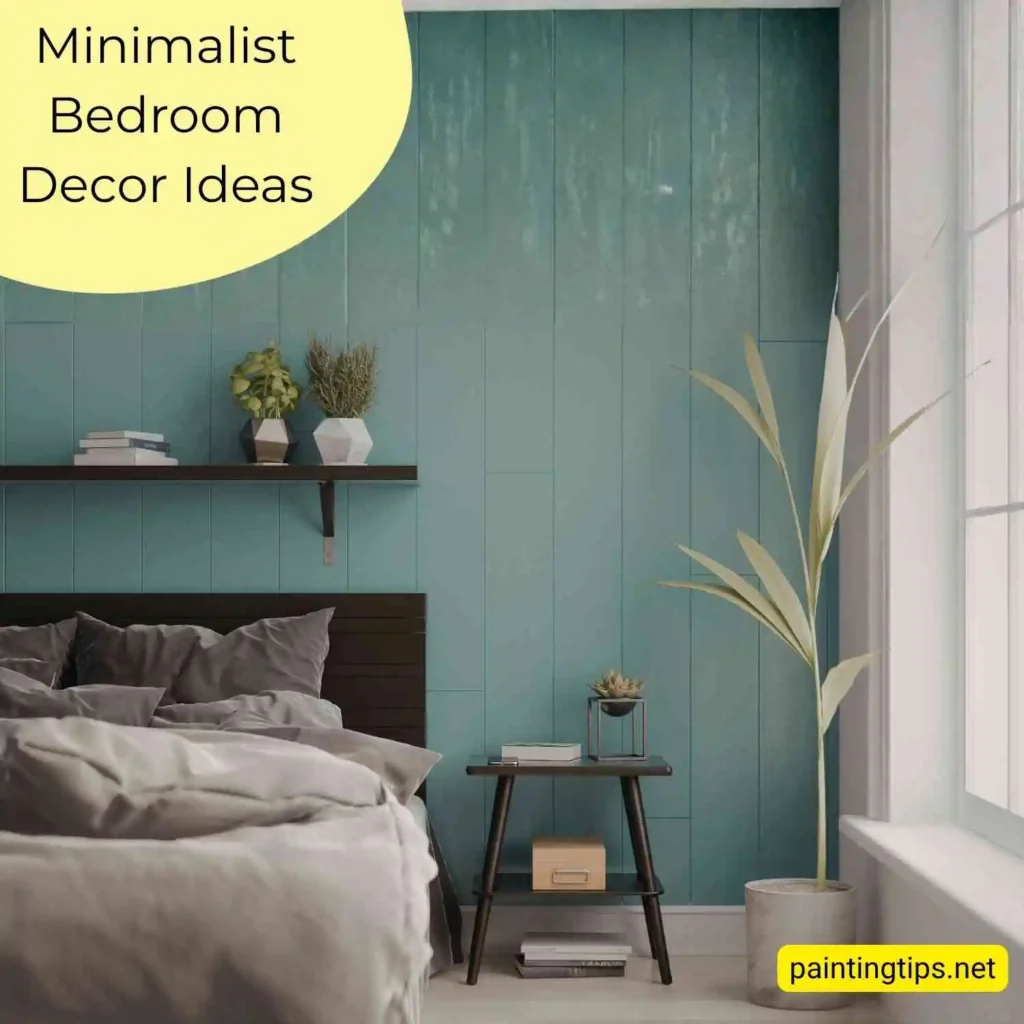
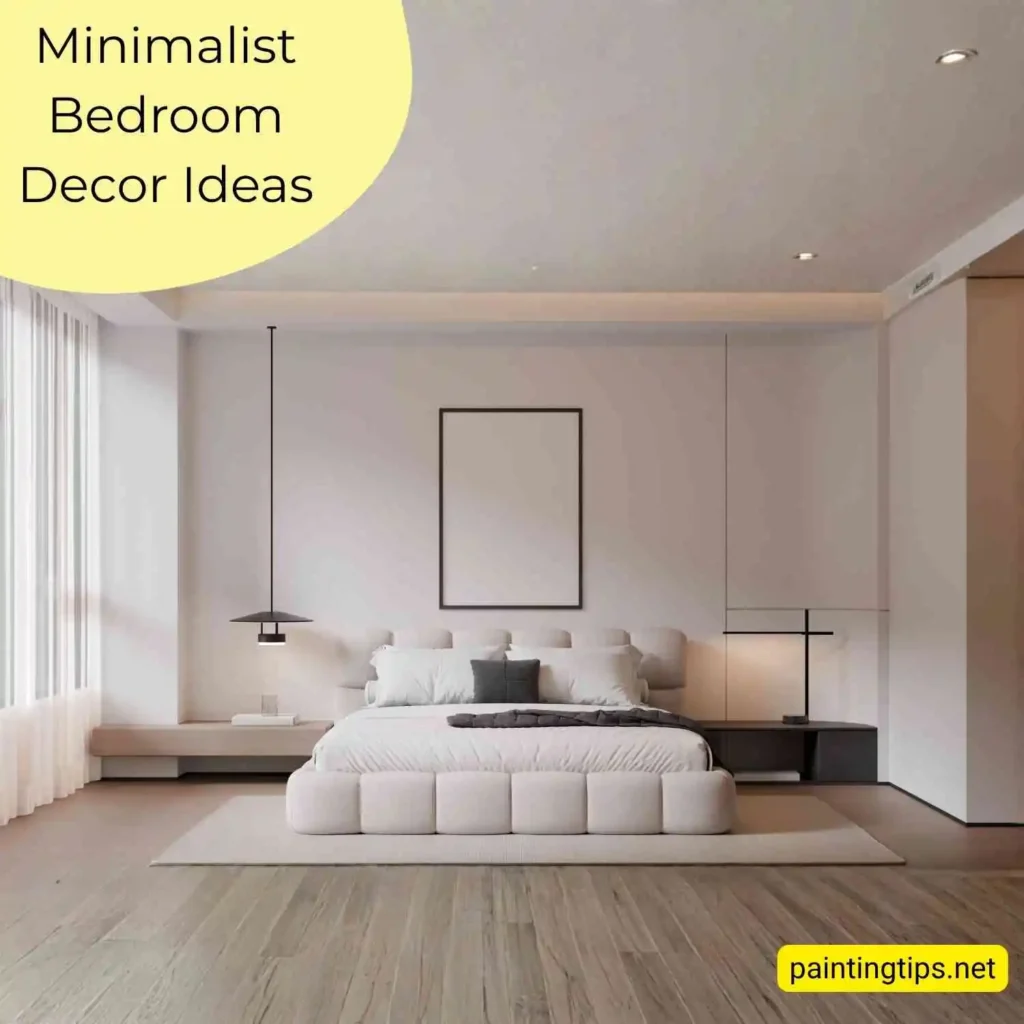
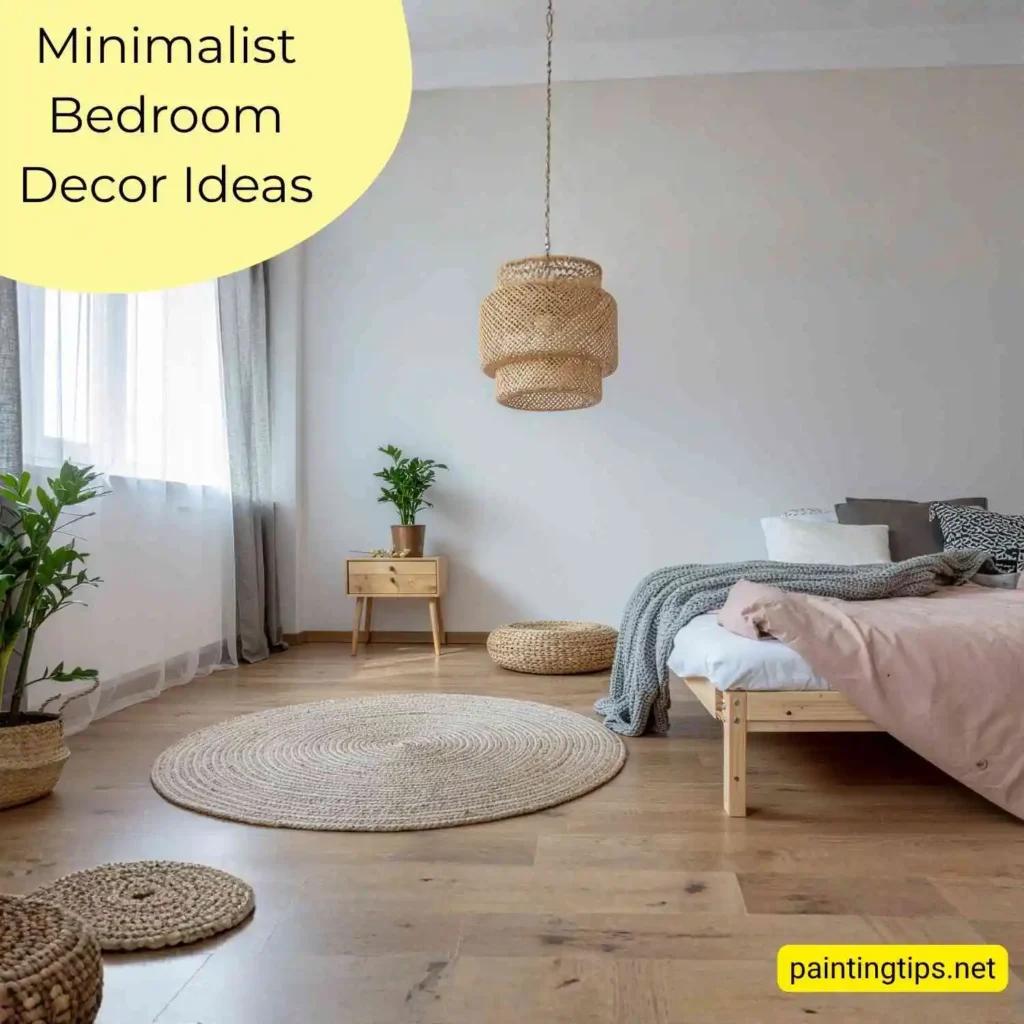
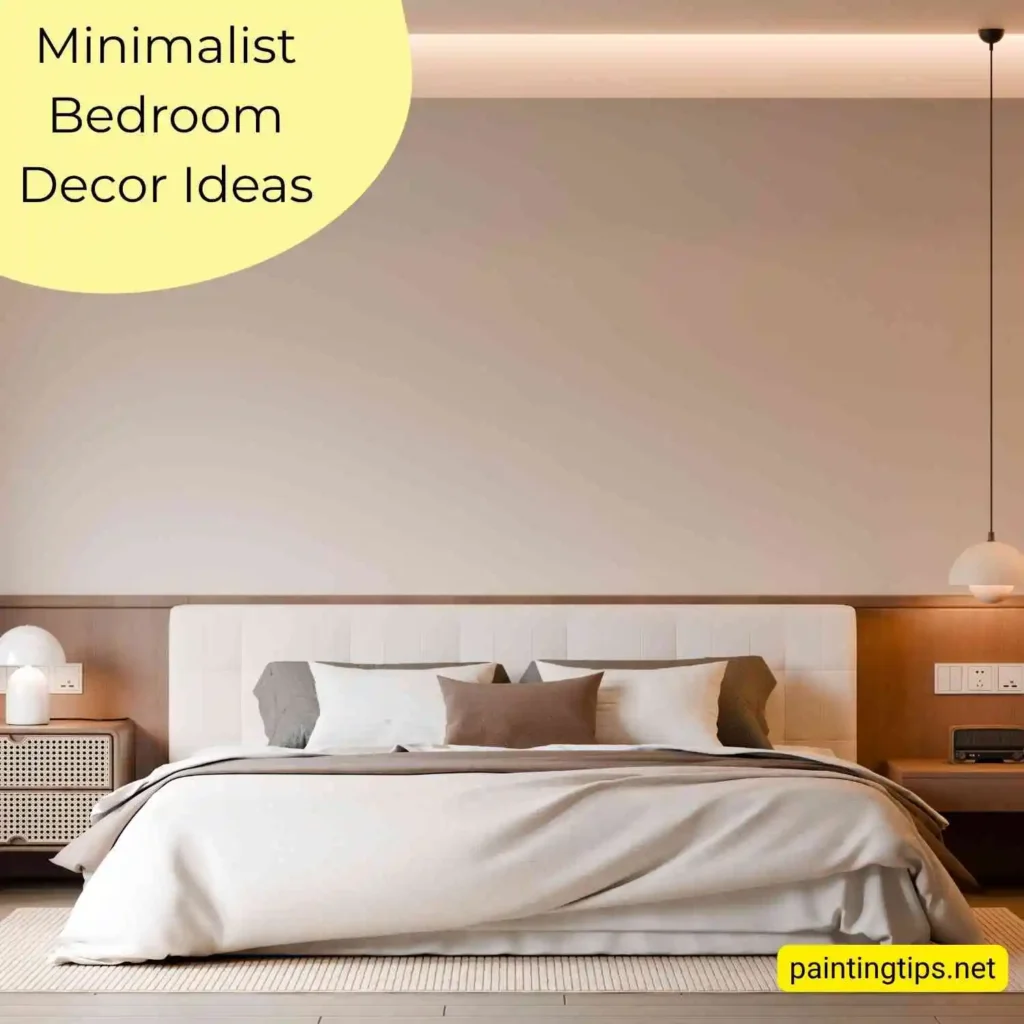
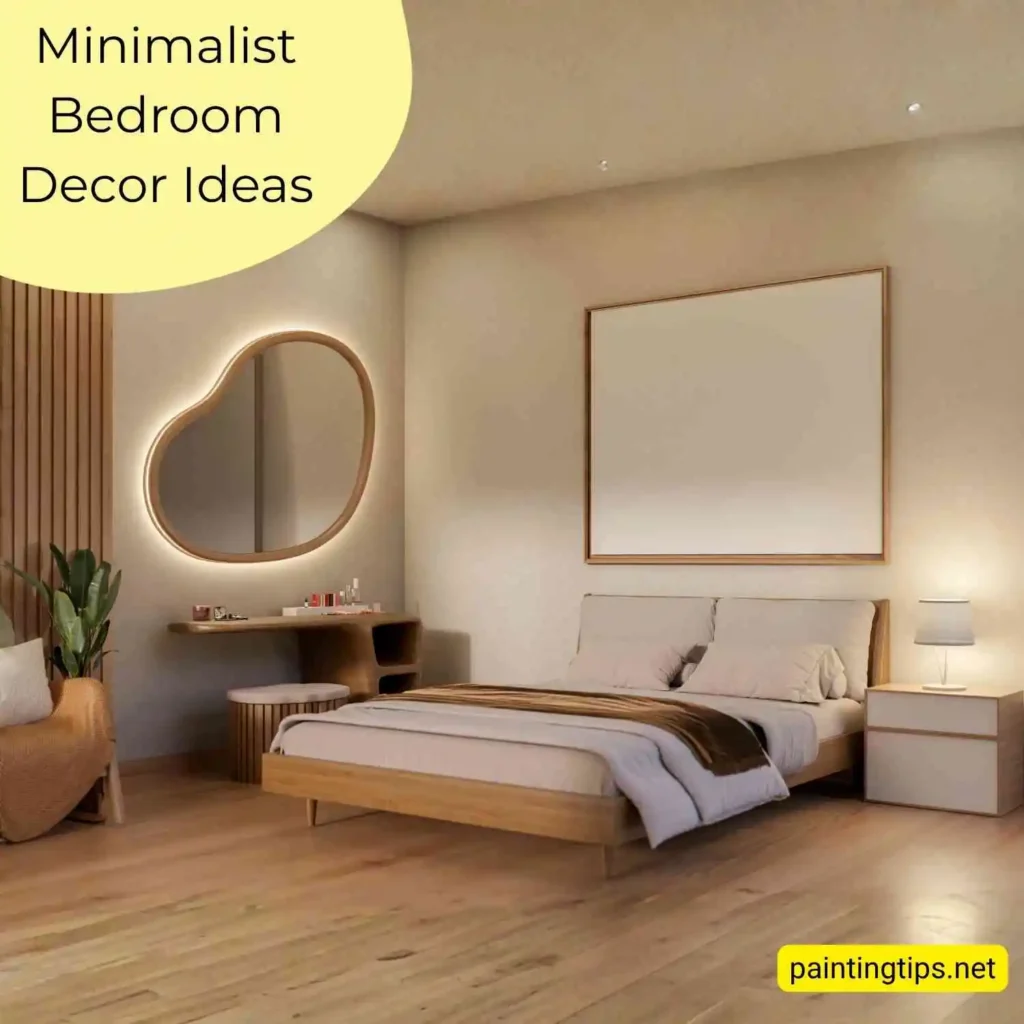
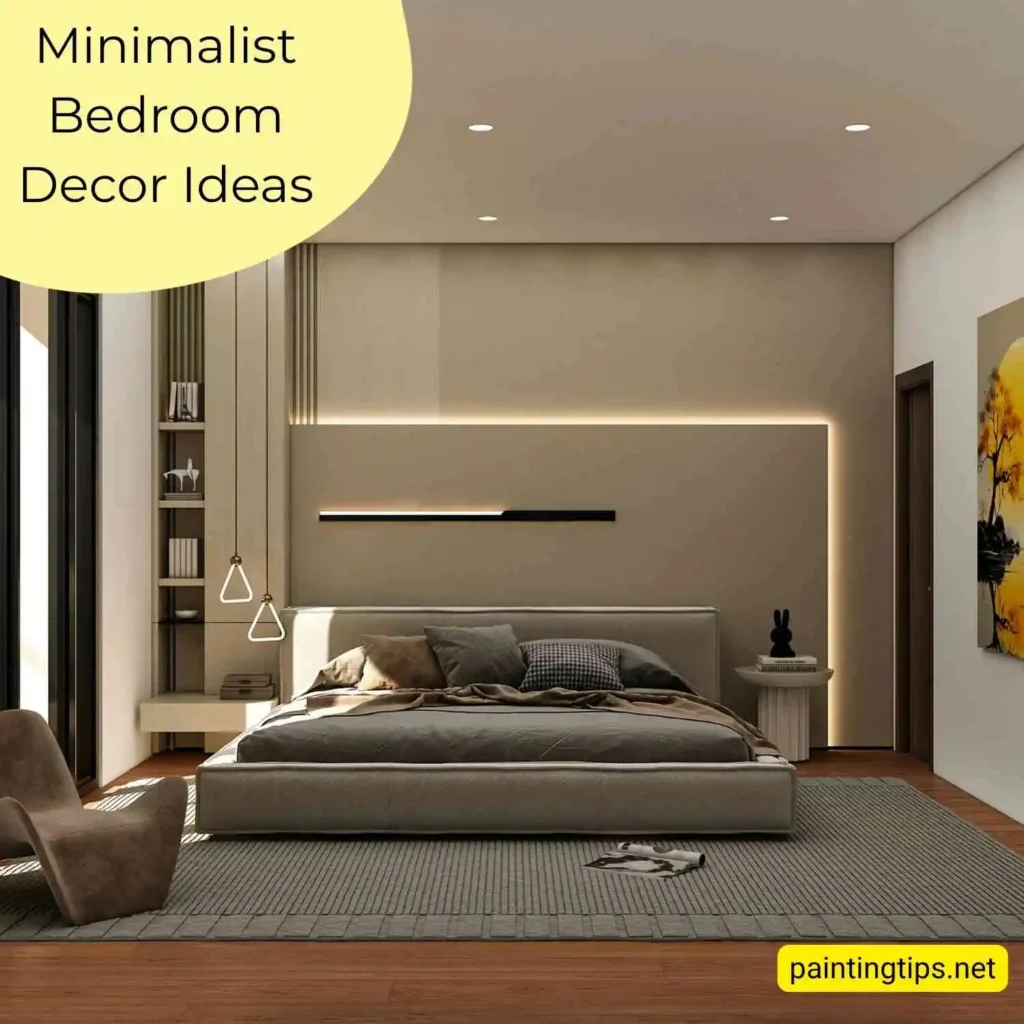
If you want quick wins, these minimalist bedroom decor ideas set the tone without clutter: warm neutrals on the walls, light wood underfoot, a low-profile bed, hidden storage, layered lighting, and one or two tactile accents (bouclé, linen, ribbed ceramics). Keep surfaces clear and let two or three materials repeat so the room feels calm, not empty.
Below is a visual gallery of these ideas in real rooms—use it as a swipe file for your own space. (You’ll find more detail on paint and color choices in our guides to the best type of paint for bedroom walls, calming paint colors for bedrooms, and best color for bedroom walls, including what colors make a room look bigger.)

What Are Common Minimalist Bedroom Mistakes?
Two big ones: making the room feel cold and underestimating storage. All-white everything without wood or textile warmth reads as stark, not serene. Fix it with warmer neutrals and natural materials. And if you don’t plan concealed storage, clutter creeps back fast—use drawers, closed wardrobes, and nightstands with storage to protect your minimalist bedroom decor.
Why Are Interior Designers Ditching Minimalism?
Stick to warm neutrals—soft white, beige, greige, warm gray—plus one grounding tone like taupe or muted clay. They’re the backbone of minimalist bedroom ideas because they keep the space calm while playing nicely with wood, linen, and natural light.
What Colors Work Best for a Minimalist Bedroom?
Stick to warm neutrals—soft white, beige, greige, warm gray—plus one grounding tone like taupe or muted clay. They’re the backbone of minimalist bedroom ideas because they keep the space calm while playing nicely with wood, linen, and natural light.
How Do I Make a Small Minimalist Bedroom Feel Bigger?
Keep the floor visible, use a low platform bed, and mount lighting on the wall to free up surface space. A large mirror opposite a window, sheer curtains, and a tight palette make a small minimalist bedroom feel airy fast. “If you want more detail on paint, see our small bedroom paint ideas and what colors make a room look bigger (light, warm neutrals, LRV tips) to pick the right shade and finish for a minimalist bedroom.”
How Much Does a Minimalist Bedroom Cost?
It scales. You can refresh with paint, a low-pile rug, and new bedding for a few hundred dollars, or invest in a platform storage bed and built-ins for more. The rule stays the same: fewer, better pieces and hidden storage.
Additional Tips
You don’t need a showroom-perfect space—you need a bedroom that helps you rest. Start by clearing what you don’t use, keep the palette warm and simple, and let a few quality pieces do the heavy lifting. If you stick with clean lines, hidden storage, and just enough texture to feel cozy, you’ll land on a minimalist bedroom that’s calm, practical, and still feels like you.
