Painting wood paneling is one of the easiest ways to refresh a room without replacing the walls. Whether your paneling is unfinished, laminated, painted, or stained, the right technique can transform it into a bright, modern, and clean-looking surface. Before you pick up a brush, it’s essential to understand what type of paneling you have and which products work best on it. This guide walks you through everything—prep, priming, painting, and staining—so you can update your wood paneling with confidence.
How to Paint Wood Paneling
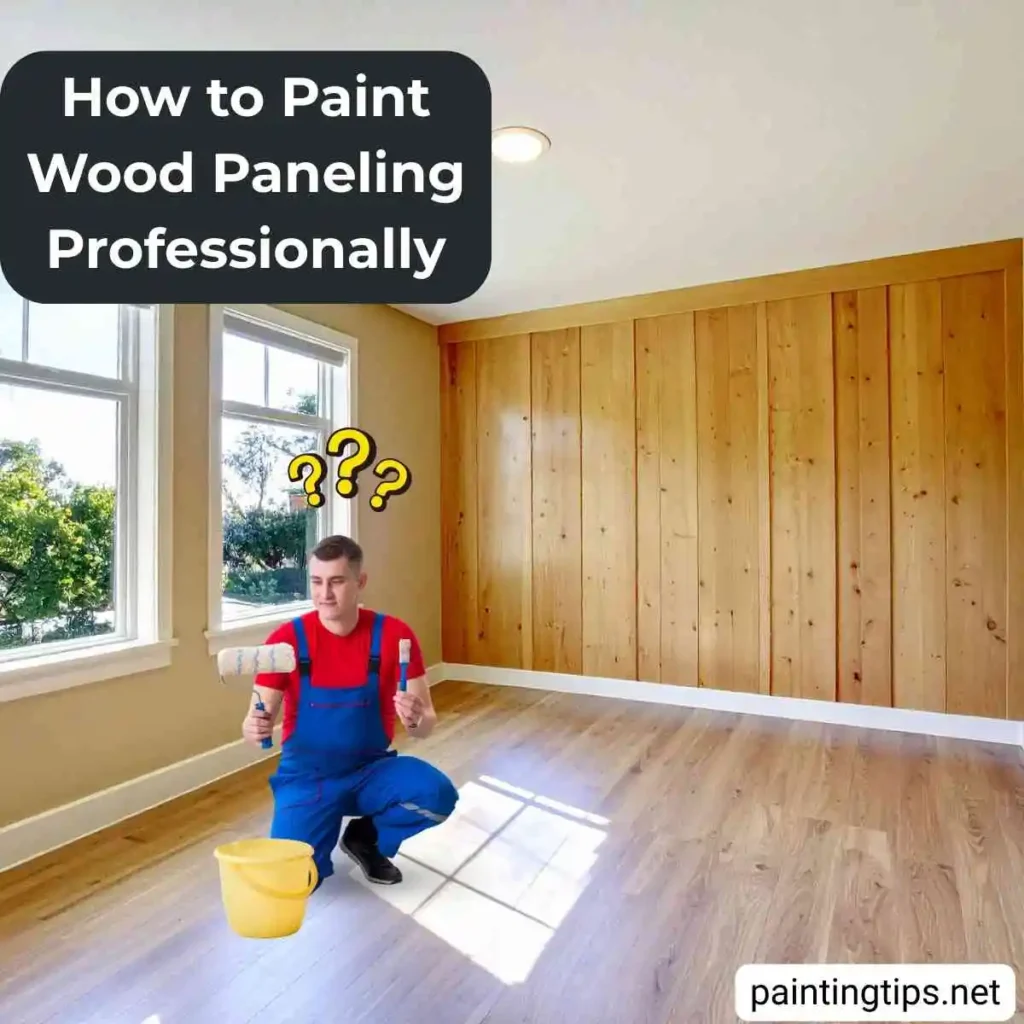
Wood paneling comes in many types and colors. Some panels are sold unfinished, some are laminated, some are painted in solid colors, and others come in natural wood tones. Before painting wood paneling, it’s important to understand what type of surface you’re working with.
What color do you want to paint your wood paneling? If you want white, cream, beige, black, or other solid colors, the process is simple. After a quick prep, you can paint directly over it. However, if you want to give your paneling a natural wood look like maple, cherry, or oak, you must strip off all the existing coating. To achieve a true natural wood tone with wood stain, you need to reach the raw, unfinished wood. Here’s everything you need to know to paint wood paneling correctly:
Can You Paint Directly Over Wood Paneling?
If your wood paneling has a glossy laminate surface, apply a bonding primer before painting. But keep in mind—wood stain will not work on laminate. For solid colors, acrylic paint is the best choice.
If your paneling has a varnish finish, lightly sand the surface and then paint. Acrylic paint works well for solid colors, but to use wood stain, you must remove the varnish completely.
If the paneling is already painted and the finish is not glossy, you can paint directly over it. However, if you plan to apply wood stain in a natural wood tone, you need to sand off all the paint first.
What Kind of Paint Do You Use on Wood Paneling?
You can use acrylic paint, enamel paint, oil-based paint, or wood stain to paint wood paneling. Each type works differently and requires a specific application technique.
Painting Wood Paneling White or Other Solid Colors
If you are working with unfinished wood paneling, apply at least one coat of wood preservative (emprenye) before painting. This protects the panel against insects and decay. Also, move furniture away from the area and cover the floor with a drop cloth. Here’s the step-by-step guide to painting wood paneling professionally:
1-Inspection and Prep
Check your wood paneling for scratches, holes, and dents. Fill any imperfections with wood filler and let it dry completely. Then sand the surface smooth. To prevent paint from getting on the walls, cover the edges and corners around the paneling with painter’s tape during prep.
2-Priming
If your wood paneling has a glossy finish, varnish, or a laminated surface, priming is necessary. Primer improves adhesion and helps block dark colors underneath.
3-Painting
To paint wood paneling white or other solid colors, you can use acrylic paint, enamel paint, or oil-based paint.
- Enamel and oil-based paints give a glossy, durable finish.
- Acrylic paints usually produce a matte or semi-matte finish.
Use a soft-bristle brush or roller to apply the paint evenly. Drying times:
- Acrylic paint → wait at least 4 hours between coats
- Enamel or oil-based paint → wait 24 hours between coats
Apply a second coat for full coverage. “If you plan to paint your wall paneling with enamel paint, this can be helpful: How to Use Enamel Paint.”
How to Stain Wood Paneling with Wood Stain
Staining wood paneling gives it a natural, rich wood appearance. However, this is only possible if the paneling is real wood.
- If the surface is laminated, natural wood tones cannot be achieved with wood stain. In that case, consider painting instead of staining.
- If the paneling has varnish or acrylic paint, you must sand it down to bare wood before applying wood stain.
- If the paneling was previously stained, reapplying the same color produces the best results. Changing the color still requires sanding to bare wood.
- Wood stain works only when it can penetrate raw wood—otherwise, it will not look natural. “Related article: Painting Hardwood Floors“
What You’ll Need
- Acrylic paint, enamel paint, oil-based paint, or wood stain
- Primer (bonding primer or standard primer, depending on the surface)
- Sandpaper (60–80 grit for stripping, 180–220 grit for smoothing)
- Wood filler
- Putty knife
- Soft-bristle paintbrushes
- Foam roller or paint roller
- Clean cloths or tack cloth
- Drop cloth or plastic sheet
- Painter’s tape
- Wood preservative (for unfinished wood paneling)
Avoid These Mistakes
- Skipping Primer on Glossy or Laminated Surfaces: Without primer, paint may not adhere properly and can peel or chip quickly.
- Using the Wrong Sandpaper Grit: Too coarse can damage the paneling; too fine won’t remove old paint or varnish effectively.
- Painting Over Stain or Varnish Without Sanding: Wood stain won’t penetrate sealed surfaces, and paint may not stick evenly.
- Applying Too Much Paint at Once: Thick coats can drip, create streaks, or take much longer to dry.
- Rushing Between Coats: Not waiting the recommended drying time reduces adhesion and finish quality.
- Ignoring Wood Panel Imperfections: Holes, dents, or scratches left untreated will show through the paint or stain.
- Using Incompatible Paint Types: Acrylic over oil-based without proper primer, for example, can cause cracking or peeling.
