Painting a balcony isn’t nearly as straightforward as painting a bedroom or a hallway. Out there, your paint job takes a beating — sun, rain, all sorts of wild temperature swings. So before you even think about colors, you need to pick the right paint, prep every inch of the surface, and know how sunlight will mess with how your colors actually look. If you skip any of that, you’re basically asking for peeling, fading, or a finish that just looks off.
A lot of people get stuck right at the beginning: Do you use interior paint or exterior paint? Which colors won’t look washed out or too harsh? How do you keep the paint from bubbling or flaking a year later? This guide cuts through all that. Whether you’re a first-timer or just want to avoid rookie mistakes, here’s how to get the job done right from start to finish.
How to Paint a Balcony Step by Step

Painting your balcony isn’t just slapping on some color and calling it a day. First, you’ve got to check the surface—look for cracks, peeling, old paint that’s not holding up, all that stuff. Pick the right paint, too. What works for an open balcony isn’t always right for an enclosed one, and if you skip these early steps, the paint can peel, the color might look patchy, or you’ll wind up repainting way sooner than you planned.
Light matters, too. Balconies get a ton of daylight, way more than any room inside. That means your paint will look lighter and sometimes a bit cooler than what you see on the swatch. Knowing this ahead of time saves you from weird surprises and helps you pick a color that actually fits in with your home, inside and out.
Let’s break down the process, start to finish—from prepping the surface to picking the right color—so you end up with a balcony that really works.
Preparing the Balcony for Painting
Before you even think about painting, really take a good look at your balcony. Check the walls and the floor—don’t just glance, actually look for cracks, peeling bits, mold, or any chalky patches. Scrape off any loose paint you find, and if the place is dusty or grimy, give it a solid cleaning. If your balcony’s open to the elements, you’ll probably need a pressure washer or a stiff brush to tackle all that built-up dirt from outside.
When everything’s clean and dry, it’s time for repairs. Fill any small cracks with exterior filler. If the walls are rough or uneven, a quick sanding helps smooth things out. Got brand new plaster or surfaces that soak up water like a sponge? You’ll need a primer. It stops the paint from disappearing into the wall and helps it stick better, which means your paint job will actually last.
Which Paint is Best for a Balcony?
It really comes down to whether your balcony is open or closed off. If you’ve got an open balcony—one that takes a beating from sun, rain, and those wild temperature swings—go for exterior wall paint. That stuff’s built to handle UV rays, moisture, and all the expanding and shrinking that comes with the weather, so you won’t end up with faded or peeling paint.
Now, if your balcony’s enclosed or has glass all around, interior wall paint works just fine, especially if rain and harsh weather can’t get in. People like washable paints with a bit of silicone mixed in—they’re easy to clean and don’t mind a lot of sunlight. But if your space tends to get humid or you see a lot of condensation, stick with moisture-resistant or exterior-grade paint anyway. It just saves you trouble down the road.
Painting Balcony Walls
Painting your balcony walls isn’t tricky, but a few steps make it look sharp. First, grab a brush and cut in along the edges, corners, and ceiling. It keeps your lines neat and makes rolling the rest much easier. If you’re working with rough or bumpy walls, go for a long-nap roller—those thick fibers help the paint get into every nook and cranny without leaving marks. For smooth, plastered surfaces, a medium-nap roller does the job nicely.
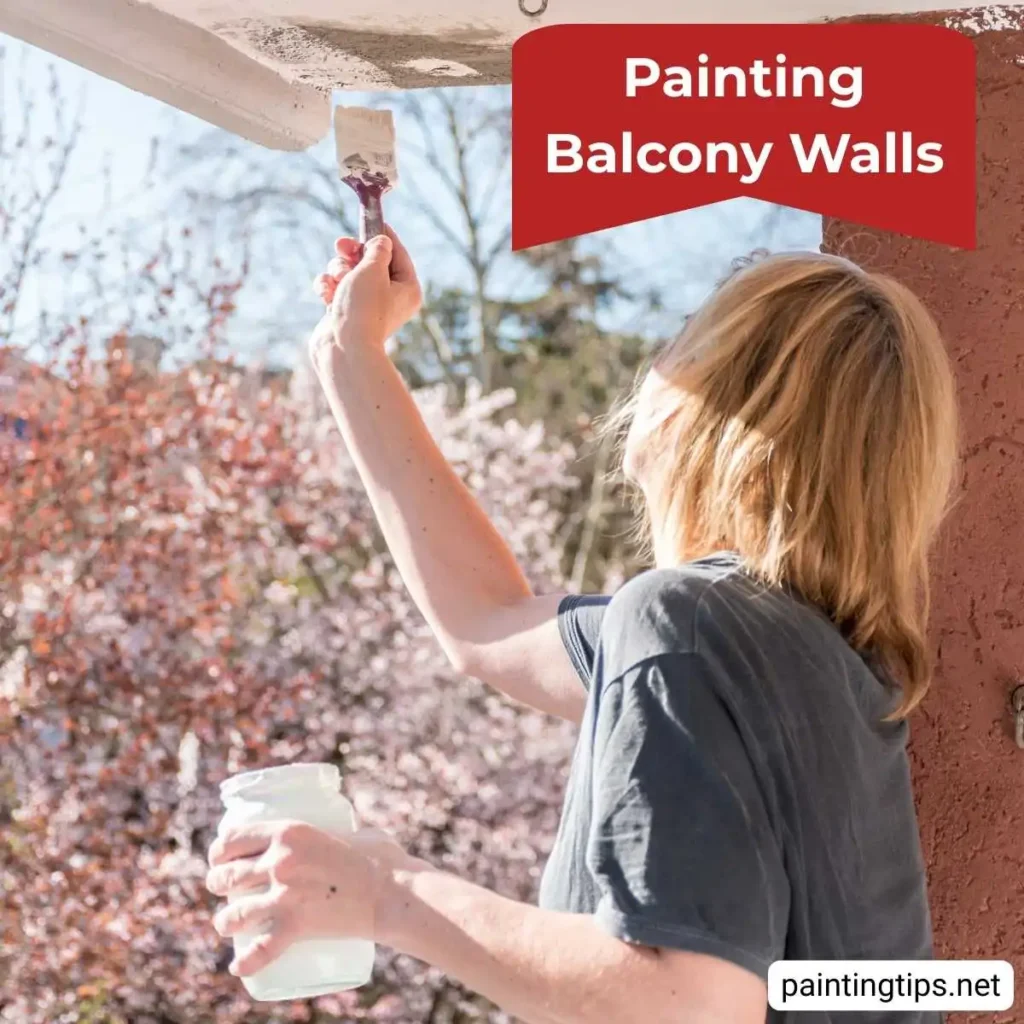
Don’t try to cover everything in one go. Use thin, even coats instead of slapping on a thick layer. You get better coverage and avoid messy drips or patchy spots. Usually, you’ll need at least two coats, especially if you’re painting over a dark color. Make sure each coat dries fully before you add the next—check the paint can for timing, since weather can speed things up or slow them down. Take your time, and you’ll end up with balcony walls that really look finished.
Painting a Balcony Floor
Painting a balcony floor isn’t the same as slapping some wall paint down and calling it a day. These surfaces get a lot of use, so you need something tougher—look for floor paint or exterior concrete paint built for foot traffic, moisture, and the constant shifting of temperatures. Most of these paints come with additives that help them last longer and keep the surface less slippery.
First things first, clean the floor really well and let it dry. Fix up any cracks or chips you spot. Sometimes you’ll need a concrete primer so the paint sticks better. Grab a roller that can handle rough surfaces and work in small sections, so you keep a wet edge as you go. Usually, adding a protective topcoat or sealer at the end helps the finish last even longer and makes cleanup a breeze.
Drying Time and Final Touches
Drying times really depend on the paint, the weather, and how much air you’ve got moving through the space. Interior balcony paint usually feels dry after a few hours, but outdoor paints take longer to cure. Don’t rush to put furniture or anything heavy back until the paint’s truly cured, not just dry to the touch.
Once the paint’s dry, check for any spots you missed or areas that look uneven, then fix them up. When it comes to painter’s tape, peel it off gently before the paint completely hardens—this way, you’ll get those sharp, clean edges. If you want to avoid peeling or rough edges, check out our guide on the best time to remove painter’s tape. “To avoid peeling and uneven edges, read our guide on when to remove painter’s tape.” And don’t forget, keeping the area well-ventilated while you paint—and afterwards—helps the finish look better and clears out any leftover paint smell.
What Color Should I Paint My Balcony?
What color should you paint your balcony? Well, it’s not quite the same as picking a shade for your living room. Out on the balcony, sunlight pours in and makes colors look lighter than they do inside. So, if you’re eyeing a medium or darker shade, don’t worry—it’ll probably end up looking softer and more relaxed once it’s on the walls.
People usually go for neutral colors. Warm grays, soft beiges, muted taupes—they’re all safe bets. They blend in nicely with your interior and won’t clash with the building’s exterior. Want something a bit more modern? Try a deeper gray or an earthy color, especially if you’ve got an open balcony. Just make sure you check your building’s color scheme and any local rules before you settle on anything bold or dramatic.
Conclusion
Wrapping up, painting a balcony isn’t as quick as slapping color on an indoor wall—it takes some real prep and thought. But honestly, if you do it right, the payoff is huge. Start by getting the surface ready and picking paint that stands up to the weather. Light and rain matter a lot more out here than inside, so keep that in mind if you want your hard work to last.
Doesn’t matter if your balcony’s open to the sky or boxed in—using the right materials and not rushing through each step makes all the difference. That way, you skip the usual slip-ups and end up with a finish that actually looks good. With a little care, your balcony stops feeling like an afterthought and turns into a natural, inviting part of your home.
