You don’t have to remove a heavy radiator from the wall to paint behind it. With a little prep and three skinny tools designed for tight gaps, you can slide color into that space, keep the mess off your floors, and get a clean, even finish—no plumbing work required. At the end we’ll also share a handful of practical tips that make painting behind a radiator easier.
How to Paint Behind a Radiator
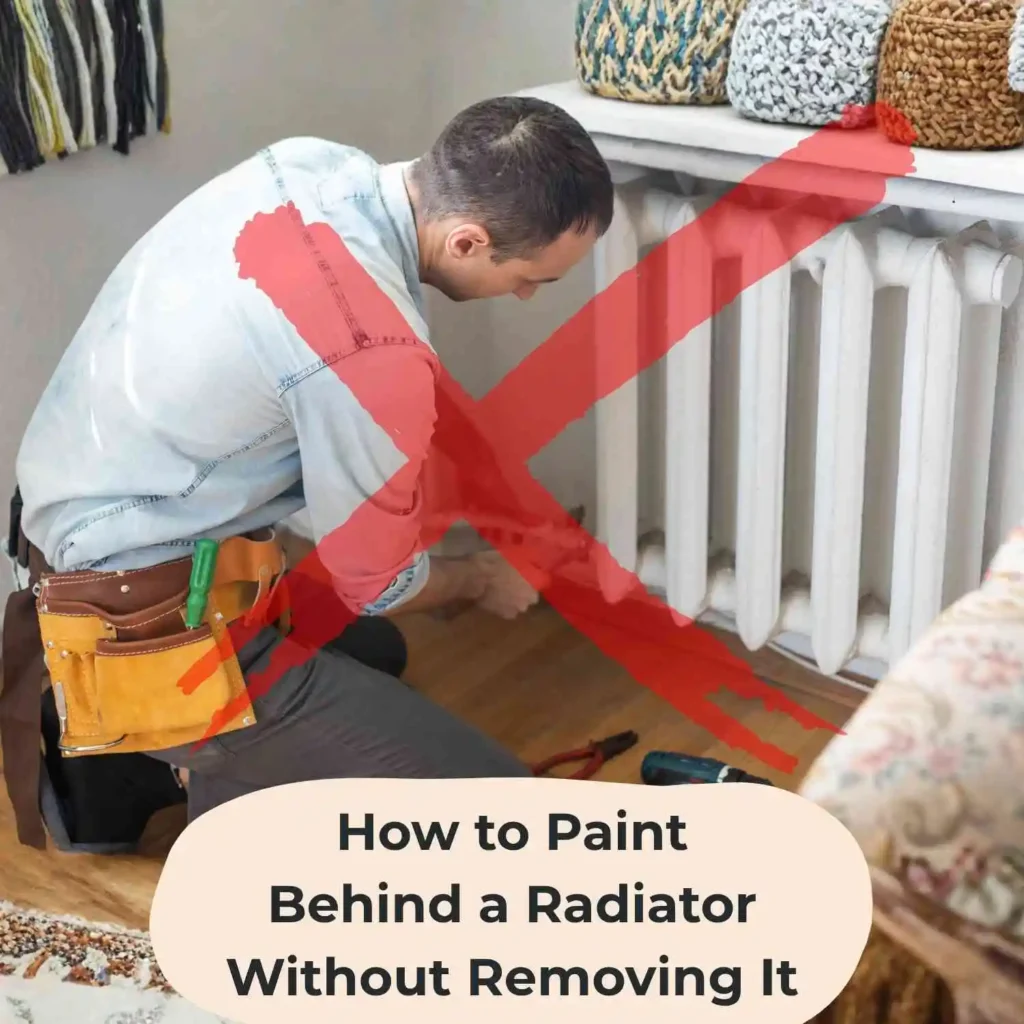
Start by shutting the heat off. Turn the boiler or HVAC down and let the radiator cool completely; paint won’t bite on a hot surface and you’ll just cook the fumes into the room.
Protect the area before you open a can. Lay a drop cloth or plastic sheeting on the floor and against the baseboard, and run painter’s tape along the skirting, valves, and any pipework you don’t want speckled. A quick shield of aluminum foil or a folded piece of cardboard over the valves works faster than taping every curve.
Clean the surfaces. Wipe the radiator and the wall behind it with a damp cloth to pull off dust and grime. If you see rust or flaking paint, hit those spots lightly with 200–220-grit sandpaper, then wipe the dust away with a dry rag. For really greasy or grimy surfaces, lay down a thin coat of synthetic or anti-corrosion primer a day ahead (you can thin it about 10% with synthetic thinner so it flows better). Vacuum the gap with a crevice tool or run a skinny duster behind there—paint sticks better when there’s no fuzz hiding back there.
Use a heat-resistant enamel made for radiators or a good-quality acrylic enamel; standard wall paint can yellow or smell when the heat kicks back on. “If you also want to refresh the unit itself, see our full guide on how to paint a radiator for prep, paint choice, and heat-resistant finishes.” Apply two or three thin coats rather than one heavy one, and let each coat dry (6–12 hours between coats, 24–48 hours before you turn the heat back on). Keep a window cracked for ventilation. Once the surface is prepped and dry, the right skinny tools do the heavy lifting to paint behind a radiator—here are the three you’ll want.
1-Reach-Behind Paint Pad (Flat Pad on a Long Handle)
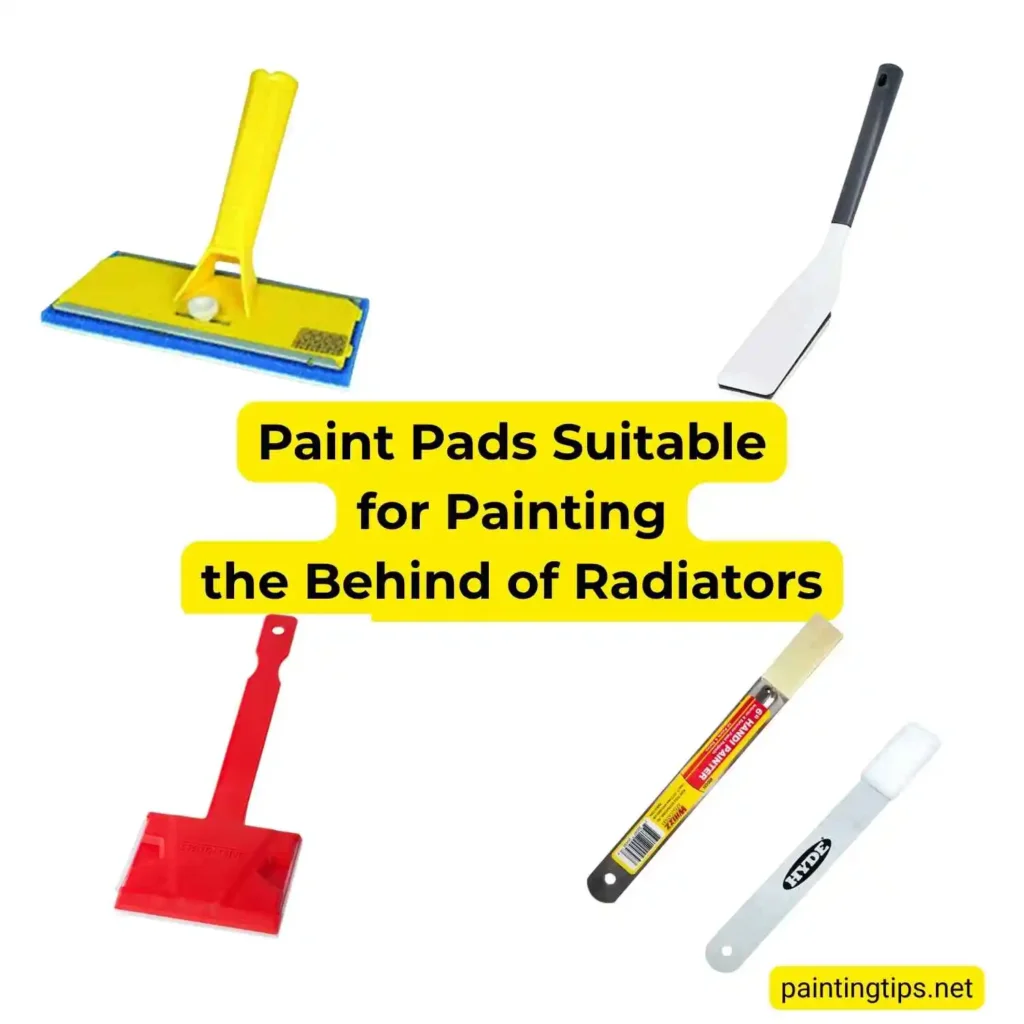
A slim paint pad on a long, skinny handle is the MVP for this job. The flat pad glides in the 1–2-inch clearance and lays down an even film in one pass; you can slide it from top to bottom without pumping the handle. Look for 4- to 5-inch pads made for “behind radiators, toilets, and appliances,” with a removable, washable cover.
2-Angled Long-Handle Brush (Bent Radiator Brush)
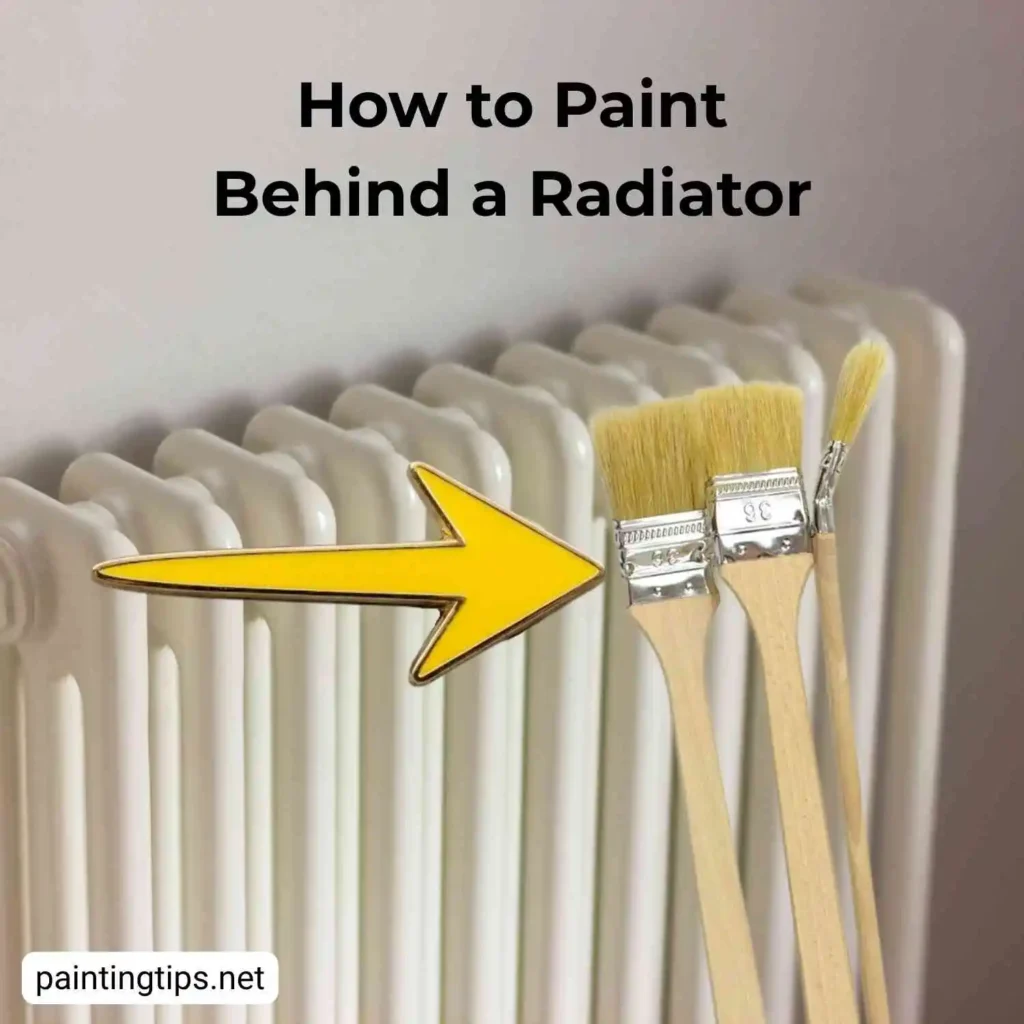
When you need to cut in around brackets, valves, and the edges where the wall meets the pipes, grab a bent or angled radiator brush. The kinked ferrule lets the bristles sneak behind the fins without twisting your wrist. In the U.S. these are sold as “angled radiator brush” or “bent radiator brush” (Sherwin-Williams and Gordon Brush make black China bristle versions for this purpose).
3-Mini Roller on a Stick (Weenie/Trim Roller)
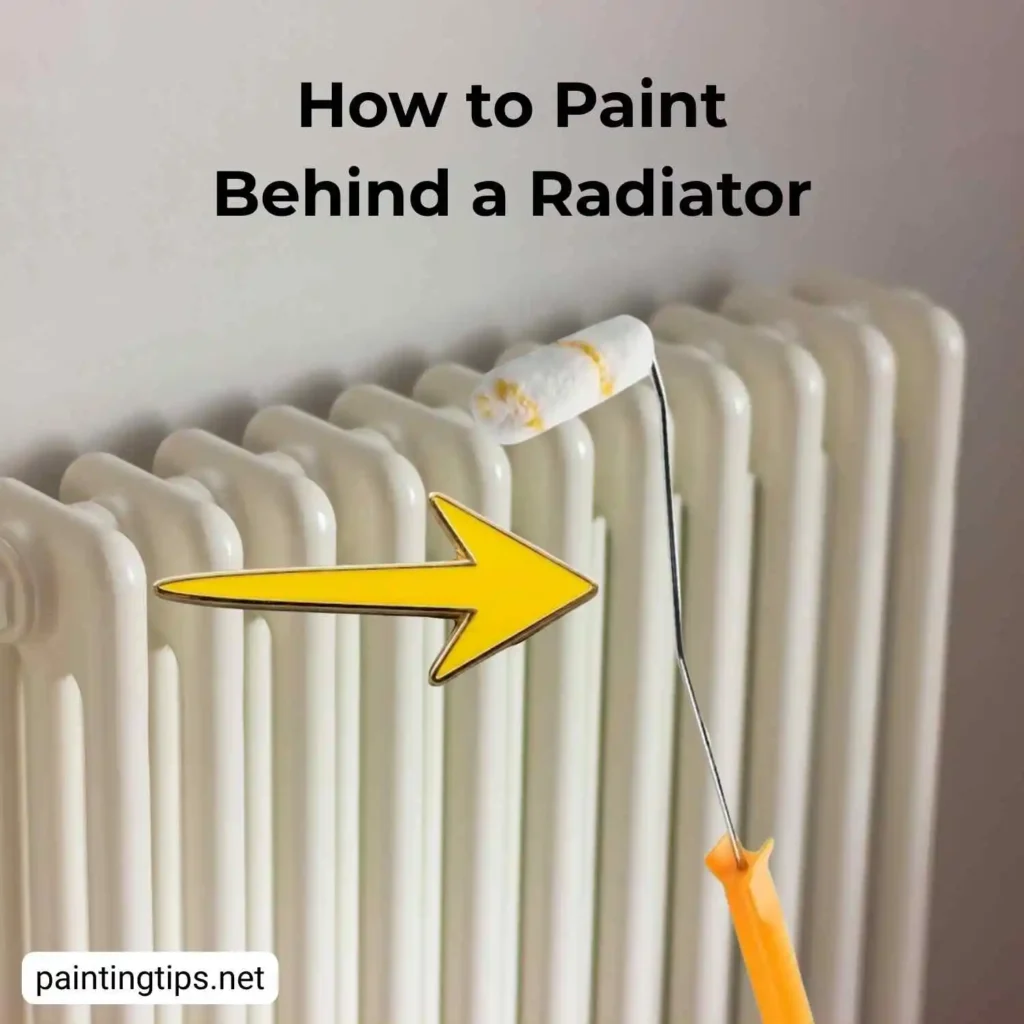
For the broader wall area behind the radiator, a 2- to 4-inch mini roller—often called a “weenie roller” or “trim roller” in American hardware aisles—does the heavy lifting. Mount it on a long wire frame or extension pole and roll horizontally; it reaches surprisingly far behind the radiator and leaves a smooth finish.
How Do I Protect the Wall While Painting Behind a Radiator?
Cover the floor and baseboard with a drop cloth or plastic sheeting and run painter’s tape along the skirting and around valves and pipes. For quick coverage on valves and escutcheons, wrap them with aluminum foil or slide a piece of cardboard behind them; it’s faster than taping every curve and you can toss it when you’re done.
Can I Remove a Radiator to Paint Behind It?
Yes, but it’s usually unnecessary. If you need full access, you can either pivot the radiator forward a few inches at the valves (loosening the nuts just enough to tilt it) or fully drain and remove it; the pivot method gives you extra room without disconnecting the plumbing.
How to Paint a Wall Behind a Towel Radiator?
Treat it the same way: shut the heat off and let it cool, mask the floor, valves, and bars, then clean and spot-prime any rust. Use a slim reach-behind paint pad or a 2- to 4-inch mini (weenie) roller for the flat wall area, and an angled/bent radiator brush to cut in around the towel bars, brackets, and valve connections. Work in thin coats, check with a mirror or phone camera, and let it cure 24–48 hours before turning the heat back on.
Other Tips for Painting Easily
Load your tool lightly so it won’t drip when you’re painting blind. Paint the hardest spots first—around brackets, valves, and the top edge—then fill the big flat sections. Check your work with a small mirror or your phone’s front camera to spot missed patches. If you have a little play in the pipework, you can loosen the valve nuts just enough to tilt (pivot) the radiator forward an inch or two for extra clearance without fully disconnecting it.
Wrap-Up
You’re done: once the final coat looks even and dry to the touch, give it a full cure—wait 24–48 hours before you turn the heat back on so the finish hardens properly. Keep the room ventilated, peel the tape while the paint is still just tacky, and step back to check for any missed spots with a mirror or your phone camera. With the right skinny tools, you can paint behind a radiator without having to remove the radiator, and the result looks clean without any plumbing work.
