Plastic shutters can give your home a clean, updated look, but over time, sun exposure and weathering can cause them to fade or lose their charm. Rather than replacing them, painting your plastic shutters is an affordable and effective way to refresh your home’s exterior. While it may seem tricky at first, with the right preparation, materials, and techniques, painting plastic shutters can be a straightforward DIY project that delivers long-lasting results. In this guide, we’ll cover everything from choosing the right paint and primer to brushing and spray painting techniques, along with tips for durability and maintenance.
How to Paint Plastic Shutters
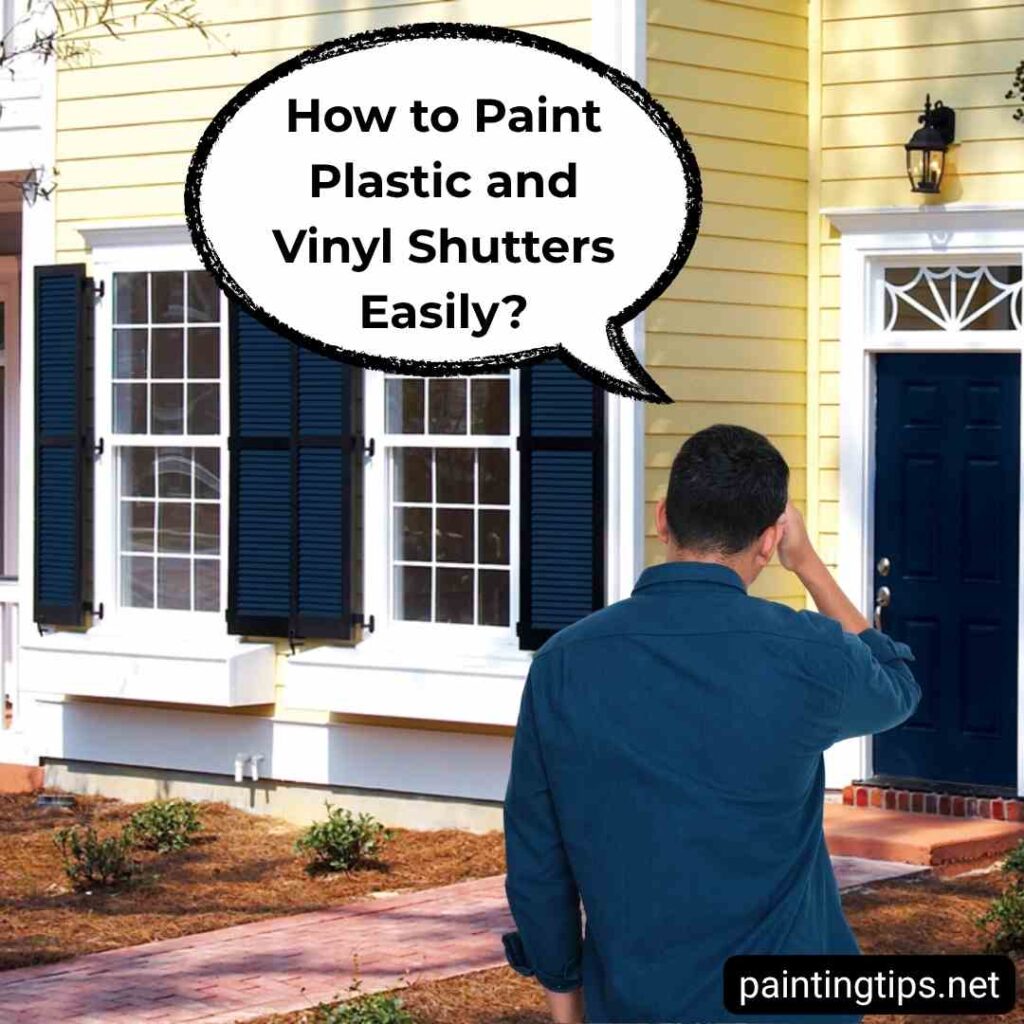
Painting plastic shutters is a cost-effective way to refresh the exterior of your home without having to replace them. Whether they have faded from sun exposure or you simply want a new color, painting your shutters can be a straightforward DIY project when done correctly.
However, since plastic shutters are exposed to harsh outdoor conditions, it’s important to handle the process carefully to ensure the paint lasts. Plastic shutters are often colored during the manufacturing process, and traditional paints do not adhere well to plastic surfaces. Therefore, when painting plastic shutters exposed to the elements, it’s crucial to use appropriate paint and follow proper application techniques.
What Type of Paint to Use on Plastic Shutters?
Not all paints adhere well to plastic shutters. “For more information, read the article on how to paint plastic.” To achieve a long-lasting and durable finish, specialized plastic paints should be your first choice. Additionally, specific PVC paints are also very suitable for painting plastic shutters. Opt for high-quality, purpose-made paints to ensure proper adhesion and durability.
If these specialized paints are not available, UV-resistant, multipurpose acrylic paints can also be used on plastic shutters. Enamel paints can adhere to plastic as well, but their hard texture increases the risk of cracking once dry.
Another suitable option for painting plastic shutters is spray paint. However, spray paint tends to spread widely, which can lead to wasted paint and accidental splatters on windows. If you choose to paint your plastic shutters with spray paint, remember to apply a protective varnish over them once the paint has dried.”
Is It Better to Spray Paint or Brush Paint Shutters?
Painting plastic shutters with spray paint is a quick method. However, liquid paints provide a thicker and more durable finish on plastic shutters. Additionally, after painting plastic shutters with spray paint, we recommend applying a spray varnish for extra durability. In conclusion, painting plastic shutters with spray paint is a fast method, while using a brush takes more time but offers a longer-lasting solution.
How to Paint Plastic Shutters with a Brush
Painting plastic shutters without removing them is always a convenient method. However, before painting, make sure the shutters are clean and free of dust, as dirt can prevent the paint from adhering properly. Clean off dirt, mold, and oxidation using mild detergent and water or a cleaner suitable for vinyl. Rinse thoroughly and allow the shutters to dry completely.
Next, inspect the plastic shutters for any damage. If there are holes or cracks, fill them with acrylic or epoxy filler. After the filler has dried, sand the surface of the shutters to create a smooth finish. These are the next steps for painting plastic shutters.
Prime the Shutters
To ensure the paint adheres well to plastic shutters, you need to either lightly sand them or apply a primer. However, sanding is a more challenging method and can damage the surface if the correct grit is not used. Therefore, priming is usually the better option. Completely cover the plastic shutters with a primer specifically made for plastic surfaces or a general-purpose primer, and allow 4–5 hours for it to dry. If you are using an oil-based primer, wait 24 hours before painting. “You might also be interested in: What is primer used for.”
Painting Plastic Shutters
If you plan to paint plastic shutters with spray paint, use a spray primer about half an hour before painting. Hold the can or sprayer approximately 20–30 cm away from the shutters. Apply the paint in light, even coats to prevent drips and achieve a smooth, consistent finish. Allow each coat to dry for 30 to 60 minutes before applying the next one. Typically, two coats of paint are sufficient for full coverage. For extra durability, especially on parts of the shutters exposed to the outdoors, apply a clear varnish about half an hour after painting.
If you plan to paint plastic shutters with a brush, use a soft, high-quality brush. Choose paint specifically made for plastic or an acrylic paint suitable for outdoor use. Apply two coats, allowing at least four hours of drying time between coats. Painting with a brush takes longer but gives better control over hard-to-reach corners and edges.
To make your shutters more durable, cover them with a water-based acrylic varnish 4–5 hours after the final coat has dried. This additional layer protects the shutters from fading, moisture damage, and normal wear over time.
If you are using oil-based paint on plastic shutters, start with an oil-based primer at least one day before painting. Then, apply two coats of paint, waiting 24 hours between coats to achieve a smooth and long-lasting finish. If you are unsure whether to use acrylic or oil-based paint, this article on ‘Oil-Based vs. Water-Based Paint‘ can help.
Tips for Long-Lasting Results
- Choose the right time to paint your shutters. Avoid painting on rainy days.
- If you plan to paint shutters during hot summer weather, try to do so when the shutters are in the shade.
- Do not skip the cleaning and priming steps, as they are crucial for ensuring proper paint adhesion.
- Save any leftover paint for future touch-ups.
- If your home is in an area with harsh weather conditions, check the shutters’ paint every two years and repaint if necessary.
