Painting over oil-based paint can be tricky because the surface dries slick and almost non-porous. If you skip prep, new paint—especially water-based—won’t grab and you’ll see peeling or cracking down the line. The good news: with the right prep, the right primer, and a little patience, you can get a durable, pro-looking finish, even when you’re painting over oil-based paint with latex or acrylic.
How to Paint Over Oil Based Paint

The chemistry is the starting point. Oil-based paint and water-based paint don’t bond naturally to each other—the slick, non-porous surface that oil-based paint leaves behind gives water-based coatings nothing to grab onto. That’s why painting water-based paint over oil-based paint without any preparation is one of the most reliable ways to end up with a peeling finish within weeks.
Before anything else, clean the surface properly. Grease, dust, and hand oils are the most common reasons paint fails to adhere—and they’re invisible until the finish starts to lift. Wash with warm water and a mild detergent or a dedicated degreaser, rinse thoroughly, and let it dry completely. In kitchens and bathrooms, this step is especially critical. Cooking residue and moisture create a barrier that neither primer nor paint can reliably penetrate.
Once the surface is clean, the decision comes down to how you want to bridge the chemistry gap. There are two reliable paths: use a specialty primer designed for painting over oil-based paint, or mechanically break the gloss through sanding so the new coat has something to bite into. Primers are faster and require less physical effort. Sanding costs almost nothing but generates dust and takes more time. Both work—the right choice depends on the surface, the topcoat you’re using, and how much prep work you’re willing to do. “Related article: Oil-based stain vs water based.”
How to Paint Over Oil-Based Paint Without Sanding
For most people, skipping sanding is the priority—and it’s entirely achievable with the right primer. Adhesion-promoting primers are formulated specifically for slick, non-porous surfaces: oil-based paint, high-gloss enamel, laminate, tile, and similar substrates. They create a bonding layer that grips the existing surface and gives your topcoat—whether oil or water-based—a stable foundation to adhere to. There are three types worth knowing:
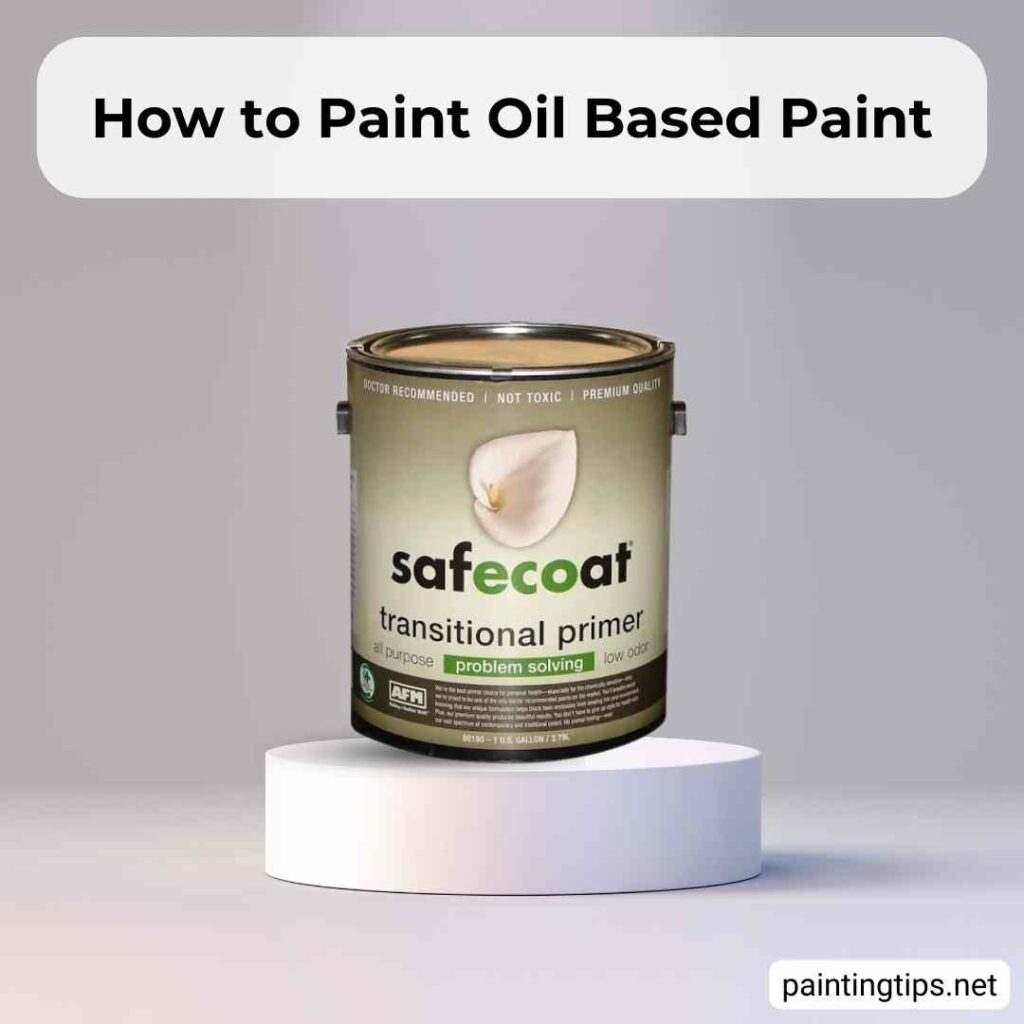
1-Transitional Primer
A transitional primer—sometimes labeled as “oil-to-latex”—is designed specifically for painting water-based paint over oil-based paint. It’s the most direct solution when you want to switch from an oil-based finish to a latex or acrylic topcoat without sanding. Apply one even coat, allow it to dry fully (typically around five hours, though this varies by product and conditions), then apply two coats of your water-based paint with four hours between coats. Transitional primers also provide good coverage over darker colors, which reduces the number of topcoats needed.
2-Bonding Primer
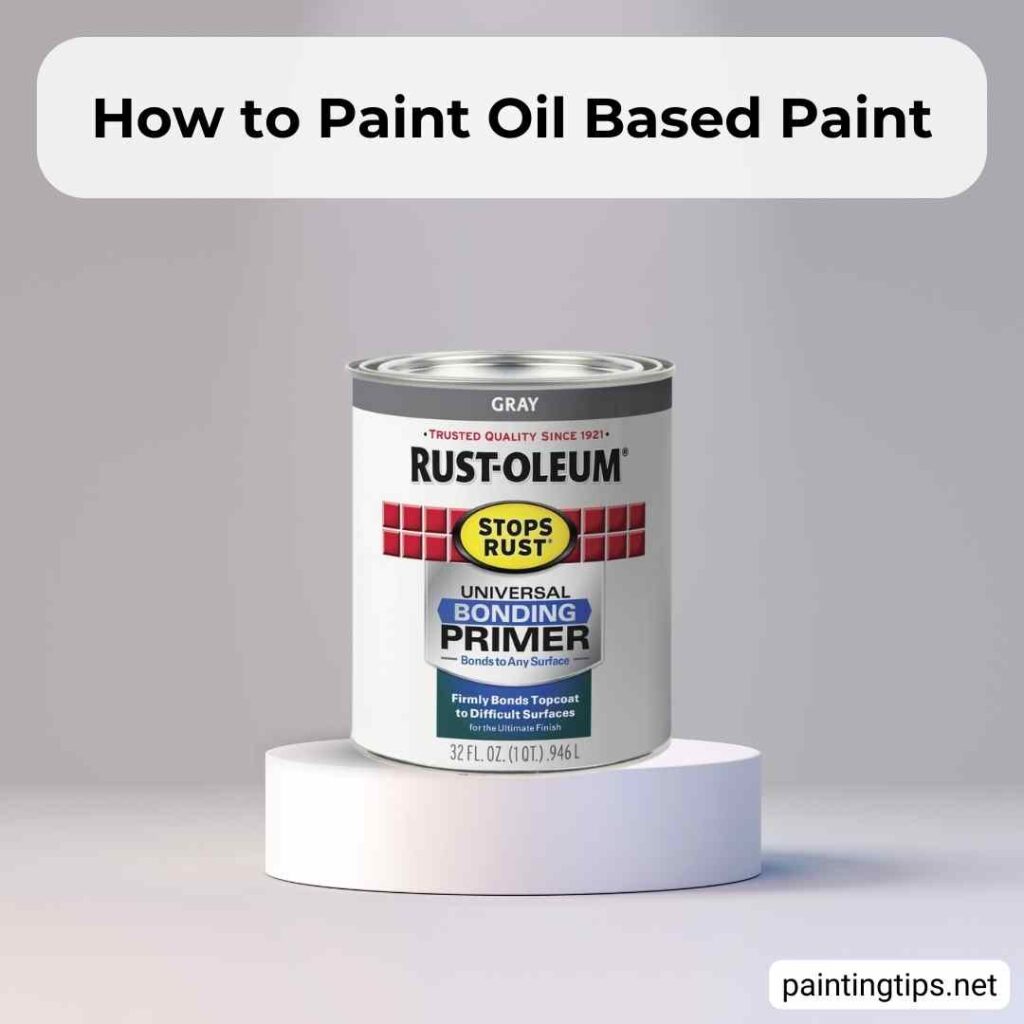
Bonding primers are built for difficult surfaces where adhesion is the primary concern—oil-based paint, high-gloss finishes, laminate, metal, and previously painted surfaces in poor condition. They form a strong mechanical bond to the substrate and accept both oil-based and water-based topcoats, which makes them a flexible choice across different projects. In most cases, you can apply a bonding primer over clean oil-based paint without sanding—though a light scuff on particularly glossy surfaces improves results.
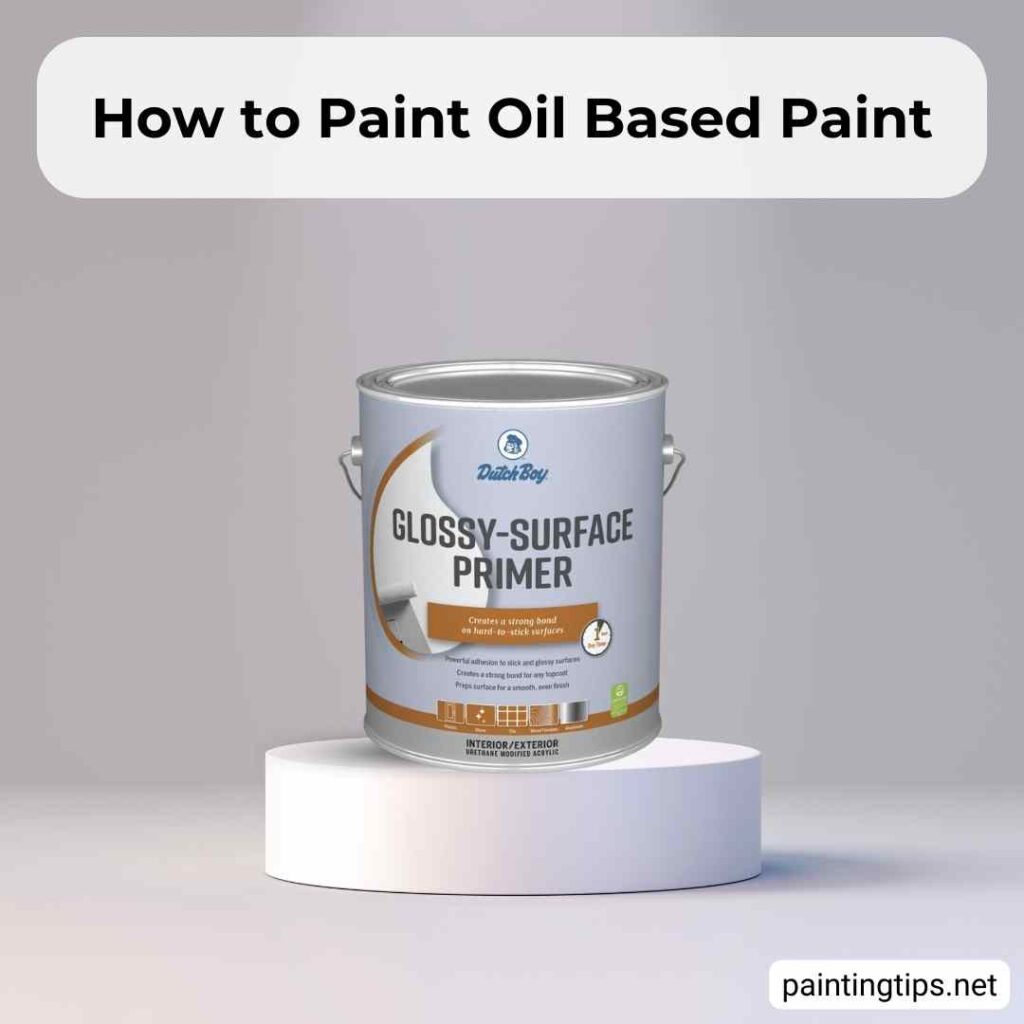
3-Glossy Surface Primer
Glossy surface primers are designed for ultra-smooth, shiny substrates: high-gloss enamel, tile, glass, and similarly non-porous finishes. They create a slightly textured base that prevents topcoats from sliding or failing to key in. Like bonding primers, they reduce or eliminate heavy sanding and are compatible with most paint types. If you’re painting over oil-based paint on trim or cabinetry with a high-gloss finish, this is a reliable option.
Can I Paint Over Oil-Based Paint Without Primer?
Yes—but only under specific conditions. Painting over oil-based paint without primer is only realistic when you’re staying with an oil-based topcoat and you’re willing to sand the surface first. If you’re switching to water-based paint, skipping primer isn’t an option regardless of how much sanding you do—the chemistry mismatch will still cause adhesion failure.
For painting oil-based paint over oil-based paint without primer, here’s what the process actually looks like:
1-Clean Thoroughly
Wash with warm water and detergent or a degreaser, particularly on cabinets, doors, and trim that accumulate hand oils and kitchen residue. Rinse with clean water and allow to dry completely—paint won’t bond to surfaces with hidden moisture or grease contamination.
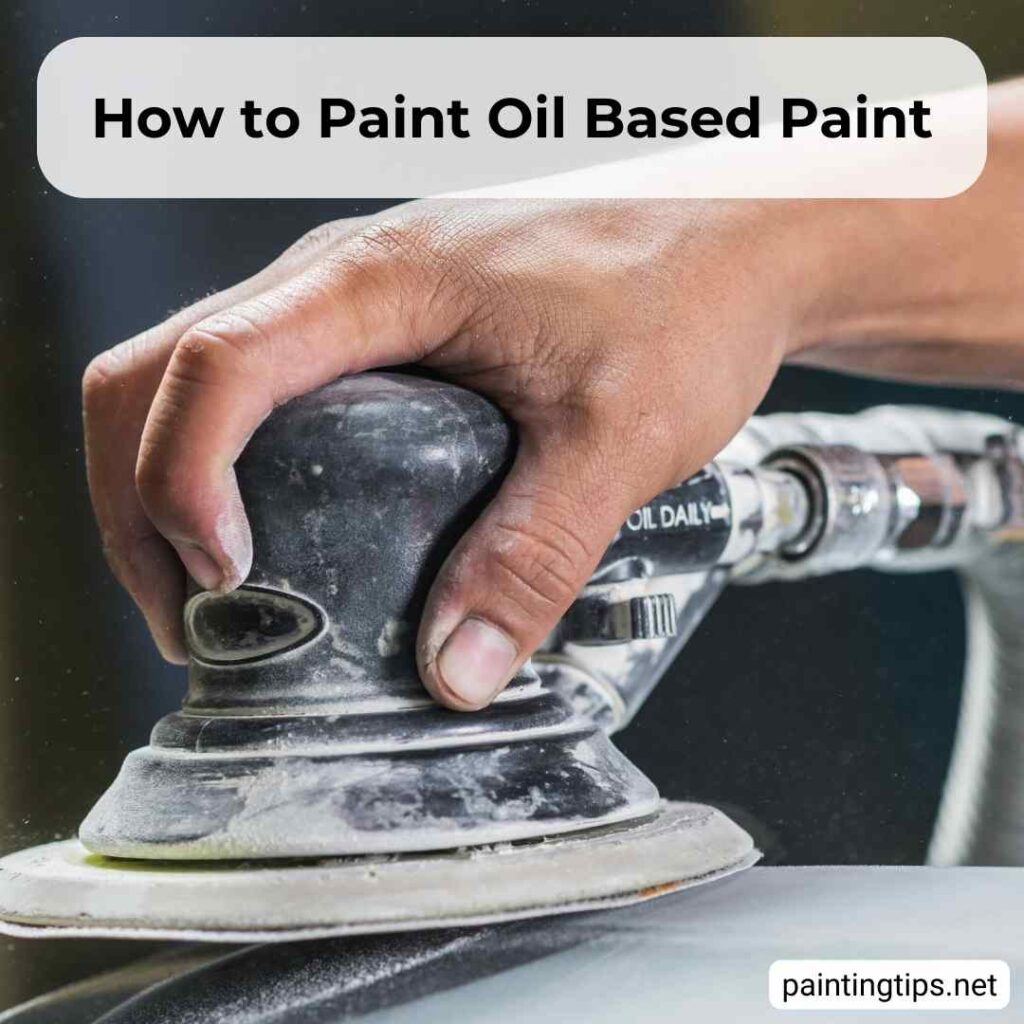
2-Sand to Remove the Gloss
Use 180–220 grit sandpaper and work until the sheen is gone and the surface feels uniformly matte. The goal isn’t to strip the paint—it’s to break the slick film so the new coat can grip. On larger flat areas, a power sander is faster. On profiles, corners, and detailed work, hand-sand or use a sanding sponge.
3-Remove All Dust
Vacuum thoroughly, then wipe with a tack cloth or a lint-free cloth lightly dampened with water or denatured alcohol. Dust left on the surface will telegraph through the finish and compromise adhesion—this step matters more than most people think.
4-Test Adhesion Before Committing
On a small inconspicuous area, apply a test patch, allow it to dry, and do a fingernail scratch test. If it flakes or lifts, the surface wasn’t cleaned or scuffed adequately.
5-Apply Thin, Even Coats
Oil-based paint levels well but shouldn’t be flooded on. Keep a wet edge to avoid lap marks, and plan for two coats. The first coat will often look uneven—that’s normal.
6-Respect Dry and Cure Times
Oil-based coatings feel dry to the touch within a few hours but remain soft for much longer. Follow the recoat window on the label (typically 6–8 hours) and avoid heavy use for at least 24 hours after the final coat. Full cure can take several days—treat the surface gently in the first week.
7-Ventilate and Protect Yourself
Sanding produces fine dust—wear a P2/N95 respirator and eye protection throughout. Oil-based paint contains strong solvents; maintain good airflow, keep ignition sources away, and dispose of rags properly. Solvent-soaked rags are a genuine fire hazard if left bundled.
One important warning: if the existing coating is peeling, chalky, or failing in any area, stop and address that first. Painting over a failing surface traps a weak layer underneath and guarantees the problem will continue. And if there’s any chance the existing paint is lead-based—likely in homes built before 1978 in the US—don’t dry-sand. Use lead-safe practices or bring in a professional.
Painting Over Oil-Based Paint With Oil-Based Paint
Painting oil over oil is the most straightforward scenario. The chemistries are compatible, so the new coat can bond directly to the old one without a primer in most cases—provided the existing surface is clean, solid, and not peeling or chalky.
That said, using a synthetic alkyd primer before your oil-based topcoat is still worthwhile. It evens out the surface, improves adhesion on particularly glossy or patchy areas, and boosts coverage when making a significant color change. It’s optional rather than essential, but it’s cheap insurance against uneven results.
For a quick approach without primer: scuff the surface lightly with 180–220 grit sandpaper if the gloss is high, remove all dust with a vacuum and tack cloth, then apply your oil-based topcoat in thin, even coats. If you’re priming, apply a thin coat of synthetic primer, allow it to dry per the label, then topcoat. Either way, give the finish time—oil-based paint stays soft longer than it appears, so avoid heavy use for at least the first 24 hours after the final coat.
Frequently Asked Questions
Below are answers to the most common questions about painting over oil-based paint. For anything not covered here, feel free to use the comments section.
Can You Paint Water-Based Paint Over Oil-Based Paint?
Not directly. Painting latex or acrylic over oil-based paint without preparation leads to poor adhesion—peeling or cracking that may not appear immediately but will show up under wear. A bonding or transitional primer is the reliable fix. It bridges the chemistry gap and gives water-based paint a surface it can actually grip.
Do You Need Primer to Paint Over Oil-Based Paint?
If you’re painting oil over oil and the surface is clean and sound, primer is optional—though it still improves uniformity and adhesion on glossy areas. If you’re switching to water-based paint, primer is essential and not negotiable. “Related post: How Much Primer Should I Use?”
Can You Paint Directly Over Oil-Based Paint?
Only when using another oil-based topcoat on a clean, sound surface. For water-based coatings, direct application without priming or sanding will almost always result in adhesion failure.
What Paint Will Stick to Oil-Based Paint?
Oil-based paint bonds reliably to oil-based paint. Water-based paints—latex, acrylic—won’t adhere well without a bonding or transitional primer first. With the right primer, water-based topcoats perform well over oil-based surfaces.
What Happens If You Paint Over Oil-Based Paint With Water-Based Paint?
It may look acceptable initially, but the bond is weak. Expect peeling, chipping, or surface wear—particularly on high-contact areas like doors, trim, and cabinets. Proper prep with a bonding primer prevents this entirely. Related post: “How to fix chipped paint on wall.”
Can You Paint Acrylic Over Oil-Based Primer?
Yes. Once an oil-based primer has fully dried and cured, acrylic and latex topcoats can be applied over it without issue. The primer does the bonding work; the topcoat bonds to the primer rather than directly to the substrate.
How Long Should Primer Dry Before Painting Over Oil-Based Paint?
Follow the product label, but plan on 4–6 hours for most bonding and transitional primers under normal conditions—longer in high humidity or cold temperatures. The surface should feel completely dry and not tacky before topcoating. Recoating too early compromises the bond. Full cure takes longer than dry-to-touch, so avoid heavy use for at least 24 hours after the final coat.
Can You Spray Paint Over Oil-Based Paint?
Yes, with the same preparation rules. If switching to a water-based spray paint, prime first. If using an oil-based spray paint, clean and lightly scuff the surface. The application method doesn’t change the adhesion requirements.
