How to Trim Paint Without Taping
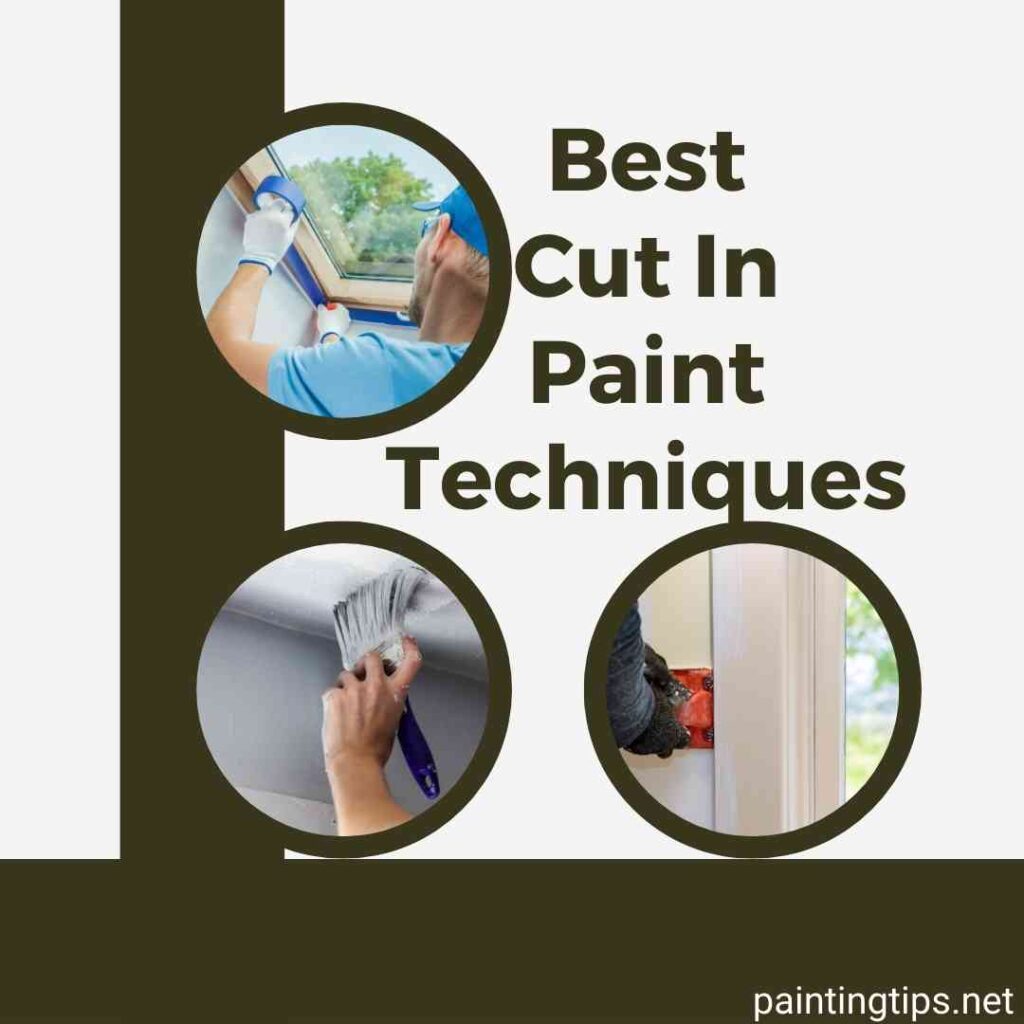
Learning how to paint ceiling edges without tape can feel intimidating at first. Ceiling lines are highly visible, and even small mistakes stand out immediately. However, once you understand the right techniques, painting edges without tape can actually be faster, cleaner, and more precise than masking every surface. “Related article: How to paint a room fast.”
Many professional painters rarely rely on painter’s tape for ceilings or trim. Instead, they use controlled brushwork, proper paint loading, and a few smart tools to create sharp, consistent lines where walls meet ceilings. This approach not only saves time but also eliminates issues like tape bleed and adhesive residue.
If your goal is to save time, improve your technique, or master painting edges without tape, focusing on ceiling edges is the best place to start. The methods below are proven, practical, and used by professionals every day. They emphasize control, accuracy, and consistency—the fundamentals of clean edge painting.
Before getting into cut-in painting techniques without tape, one rule applies to all of them: use the right brush and avoid overloading it with paint. A high-quality brush with dense bristles and soft, tapered tips gives you far more control and helps reduce drips. Always remove excess paint before touching the edge.
1-Use a Paint Edger for Fast, Consistent Ceiling Lines
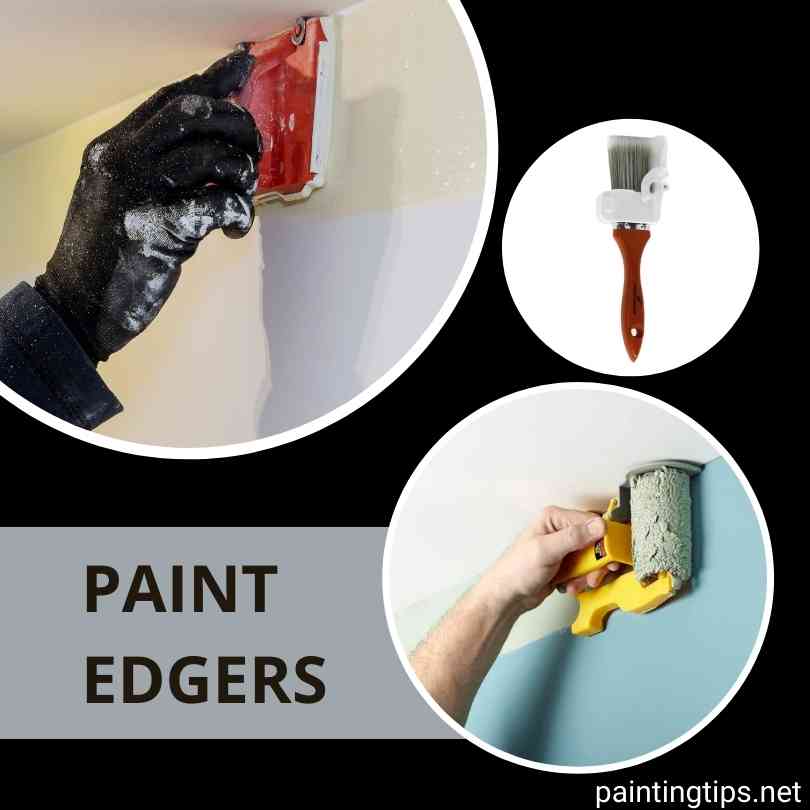
Paint edgers are one of the easiest tools for painting ceiling edges without tape, especially if you are still building confidence. These tools are designed to protect the ceiling surface while allowing paint to reach the wall edge cleanly.
Most paint edgers use small guide wheels or a plastic shield that runs along the ceiling. The paint pad or roller applies paint only where needed, helping you maintain a straight line without advanced brush control.
Paint edgers work best on long, straight ceiling edges and in rooms where speed matters. To maintain accuracy, clean the tool frequently and apply light, even pressure. This method is ideal if you want predictable results with minimal learning curve.
2-Create a Simple Edge Guide for Ceiling Painting
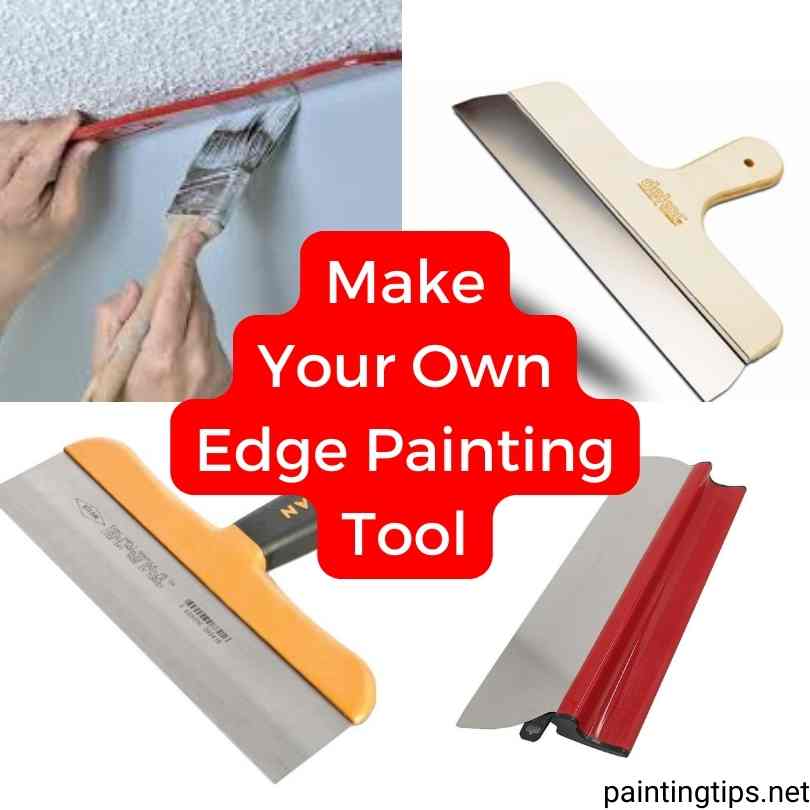
If you do not have a paint edger, you can create your own guide using a metal straightedge, drywall knife, or even a stiff piece of cardboard. This method is especially useful when painting ceiling edges in tight or detailed areas.
Hold the guide firmly against the ceiling edge and paint along it using a brush. This allows you to focus on smooth brush movement instead of worrying about crossing the line. A 12–16 inch straightedge works well for most ceiling sections.
Be sure to wipe the guide often to prevent paint transfer. When done carefully, this technique produces very sharp ceiling lines and is a reliable way to paint edges without tape.
3-Use a Dripless Roller to Reduce Edge Work
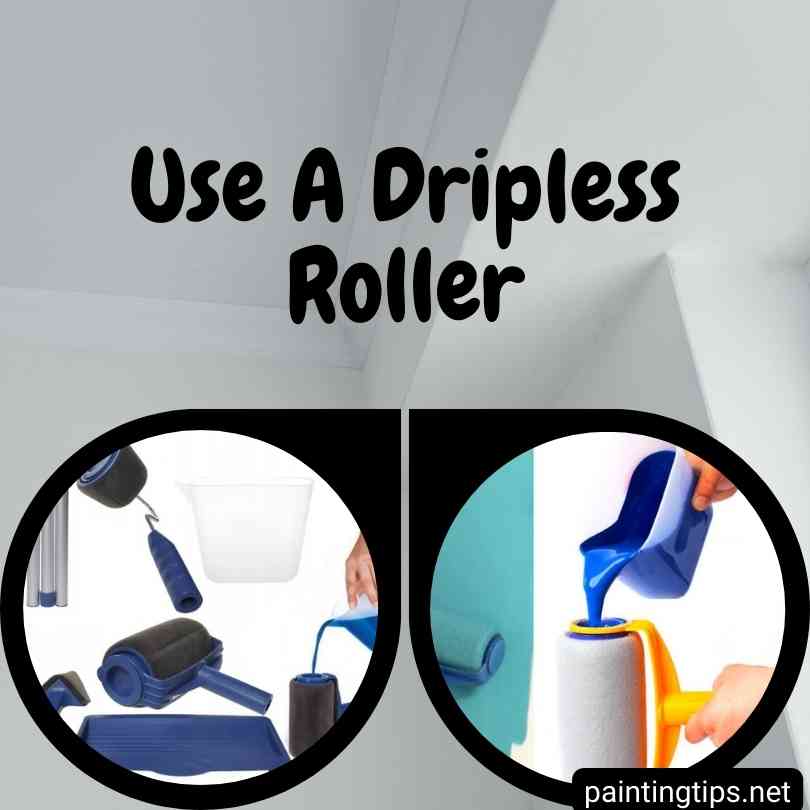
Dripless rollers are designed to hold paint evenly and minimize splatter, making them surprisingly effective when painting near ceiling edges. Some non-drip roller systems include small edging rollers that allow you to roll close to the ceiling without flooding the edge.
By rolling slowly and keeping steady pressure, you can reduce how much cutting in is required. This method works best when combined with light brush work for corners and transitions.
Using a dripless roller helps maintain uniform wall texture and reduces visible brush marks near the ceiling. “Related article: How to paint without leaving roller marks.”
4-Use an Angled Brush for Maximum Control
An angled brush remains the professional standard for painting ceiling edges without tape. A 2 to 2.5-inch angled brush provides the best balance of visibility and control.
Load only the tip of the brush—about one-third of the bristle length—with paint, then tap off excess. Start slightly away from the ceiling line and guide the brush toward the edge in one smooth, controlled motion.
Move slowly, keep your wrist steady, and avoid stopping mid-stroke. With practice, this technique delivers the cleanest ceiling edges and works equally well for painting trim without tape.
Common Mistakes When Painting Ceiling Edges Without Tape
Even though cutting in without tape looks simple, small mistakes can quickly ruin clean lines. Most problems are not caused by lack of talent, but by poor technique or rushing the process. Avoiding the mistakes below will significantly improve your results.
- Using too much paint on the brush:This is the most common error. Overloading the brush causes paint to drip, spread, and bleed into unwanted areas. Professionals always remove excess paint before touching the edge. A lightly loaded brush offers far more control.
- Moving too fast along the edge: Speed creates uneven pressure, which leads to wavy or jagged lines. Cutting in without tape requires slow, deliberate strokes. Smooth and controlled movement produces much sharper edges than rushing to finish quickly. “Related article: How to paint a room fast.”
- Stopping mid-stroke: Stopping the brush in the middle of an edge often leaves visible marks or paint buildup. Try to complete each section in one continuous motion whenever possible. If you need to stop, feather the edge lightly before continuing.
- Using a low-quality or worn-out brush: Cheap brushes with stiff or frayed bristles make precision nearly impossible. A quality angled brush with soft, tapered tips is not optional—it is essential for clean cut-in lines.
- Painting in poor lighting: Dim lighting hides mistakes until the paint dries. Always work in bright, even light so you can clearly see where the brush meets the edge.
Pro Tips for Cutting In Like a Professional Painter
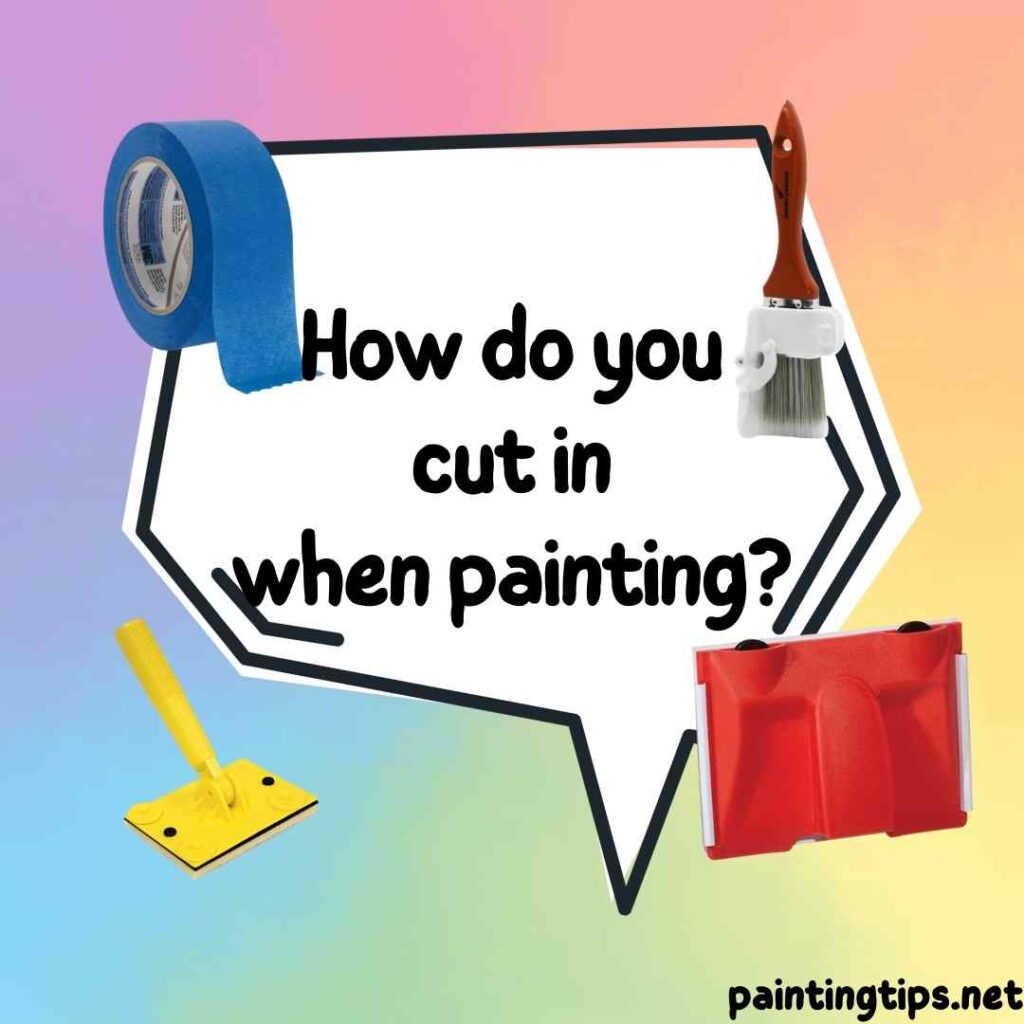
Professional painters rely on consistency, not tricks. These practical tips will help you achieve sharper edges and cleaner finishes without using tape.
- Start slightly away from the edge: Instead of placing the brush directly on the line, start about half an inch away and gently guide the paint toward the edge as you move forward. This gives you more control and reduces mistakes.
- Keep a damp cloth nearby: When painting without tape, quick correction matters. A damp cloth allows you to wipe off small mistakes immediately before the paint dries, preventing permanent flaws.
- Maintain consistent brush pressure: Uneven pressure causes uneven lines. Apply light, steady pressure and let the brush do the work. Angled brushes are designed to naturally form a straight line when used correctly.
- Work in manageable sections: Do not try to cut in an entire wall in one pass. Break the area into short sections to maintain focus and accuracy. This also helps keep a wet edge for smoother blending.
- Practice on less visible areas first: If you are new to cutting in without tape, practice behind doors, closets, or low-visibility corners. Skill improves quickly with repetition. Related article: How to Paint a Room for Beginners.”
Frequently Asked Questions
How to Edge Paint Without Tape
To edge paint without tape, use a high-quality angled brush or a paint edger. Load the brush lightly, remove excess paint, and move slowly along the edge in a controlled motion. Proper lighting and steady hand positioning are essential.
How to Paint Ceiling Edges Without Tape
To paint ceiling edges without tape, use a high-quality angled brush and load it lightly with paint. Start about half an inch below the ceiling line, then guide the brush upward in one smooth, controlled stroke. Move slowly, maintain steady pressure, and work in short sections for clean, sharp edges.
How to Paint Trim Without Tape
Painting trim without tape works best with a small angled brush or a straightedge guide. Use minimal paint on the brush and clean up any small mistakes immediately with a damp cloth.
How to Paint Window Trim Without Tape
For window trim, use a narrow angled brush and short, controlled strokes. Working slowly and wiping excess paint often helps prevent paint from spreading onto the glass or wall.
How Do Professional Painters Get Sharp Edges Without Tape?
Professional painters rely on angled brushes, proper paint loading, and muscle memory developed through experience. They focus on smooth, continuous strokes and precise hand control rather than masking surfaces with tape.
