If you want to shake things up at home and make your walls stand out, two-tone paint is a surprisingly easy way to do it. Essentially, you divide the wall into two sections—either horizontally or vertically—and paint each section a different color. While the technique is simple, the result adds noticeable depth, balance, and personality to any space. You can keep it subtle by pairing soft neutrals, or make a bold statement with high-contrast color combinations. Two-tone walls work beautifully across nearly every interior style, from modern and minimalist to classic and traditional.
In this guide, we share a wide range of two tone wall ideas, including two tone living room paint ideas, 2 tone wall with chair rail, two paint colors in a room, two tone bathroom walls, two tone bedroom walls, and two tone dining room walls—all supported by dozens of real-life visual examples. These room-by-room inspirations will help you understand how different color combinations work in practice and how to choose the right two-tone wall design for your home.
Two-Tone Wall Paint Color Examples

A two-tone wall just means dividing your wall into two colored sections. You can do it with paint alone, or you can add stuff like chair rails, moldings, or paneling to really make the split pop. Before you start, here’s what to keep in mind:
- Pick colors that look good together—either similar shades or total opposites, depending on your vibe.
- Think about the light. Dark colors soak up light, while lighter ones bounce it around. You’ll want to keep things balanced, especially if your room’s on the small or dim side.
- Make sure your wall colors work with your furniture, floors, and decor.
- Usually, the lighter color goes on the bigger part of the wall. That keeps the space from feeling closed in.
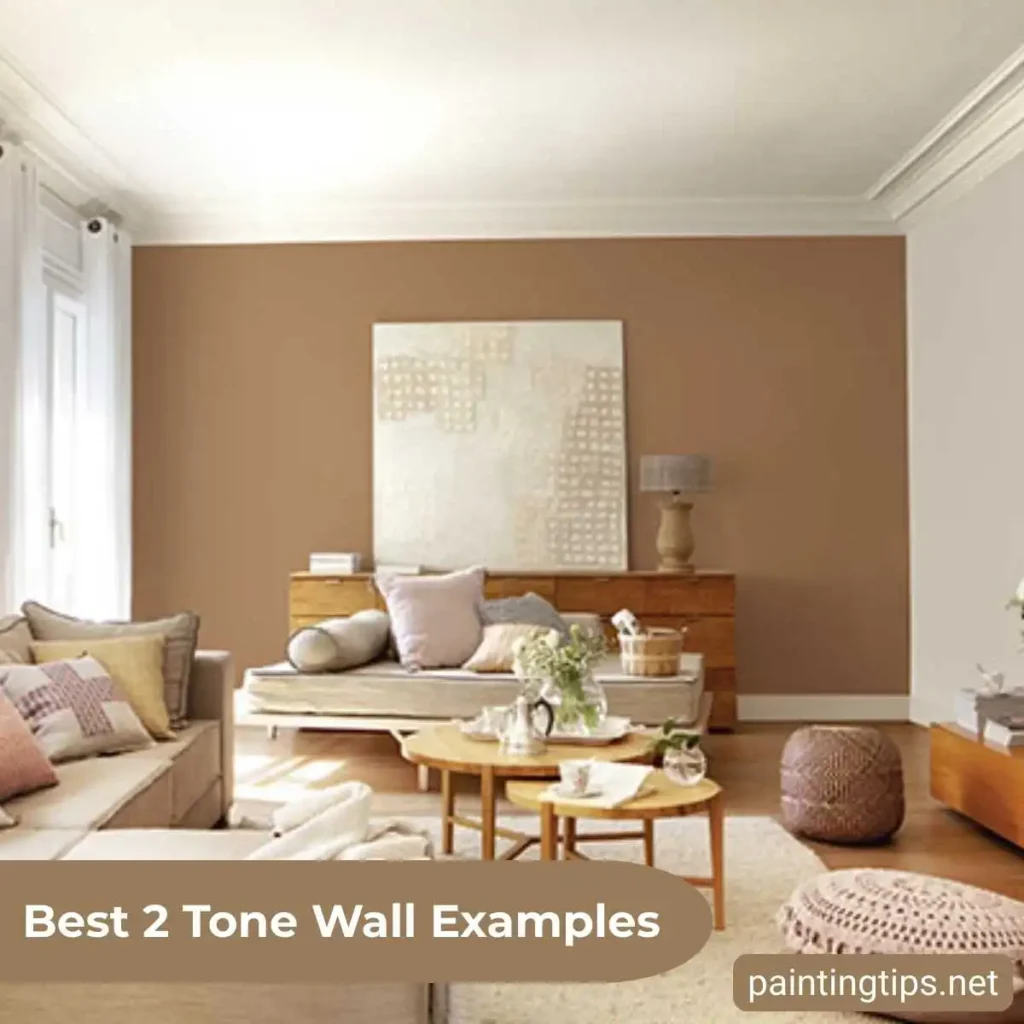
Below are popular two tone wall paint ideas for different rooms in the home.
Two Tone Living Room Paint Ideas
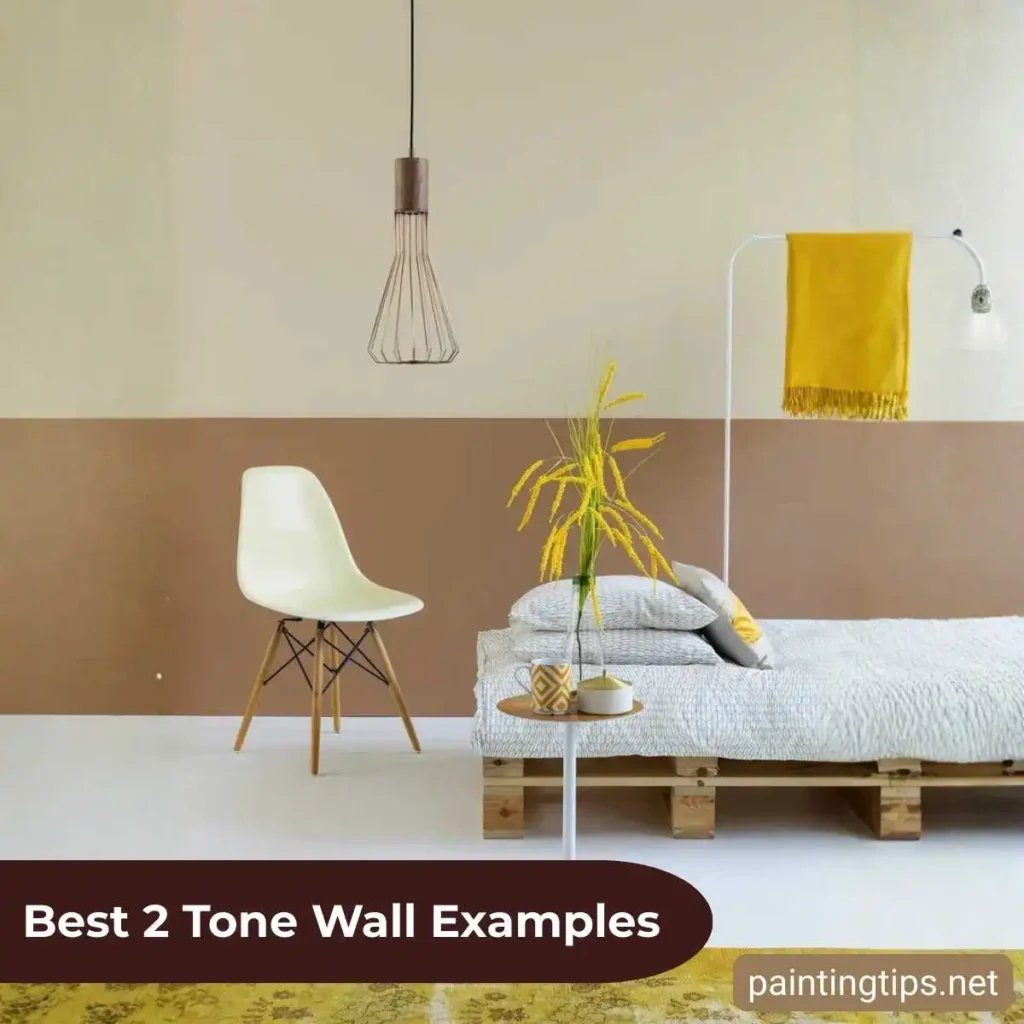
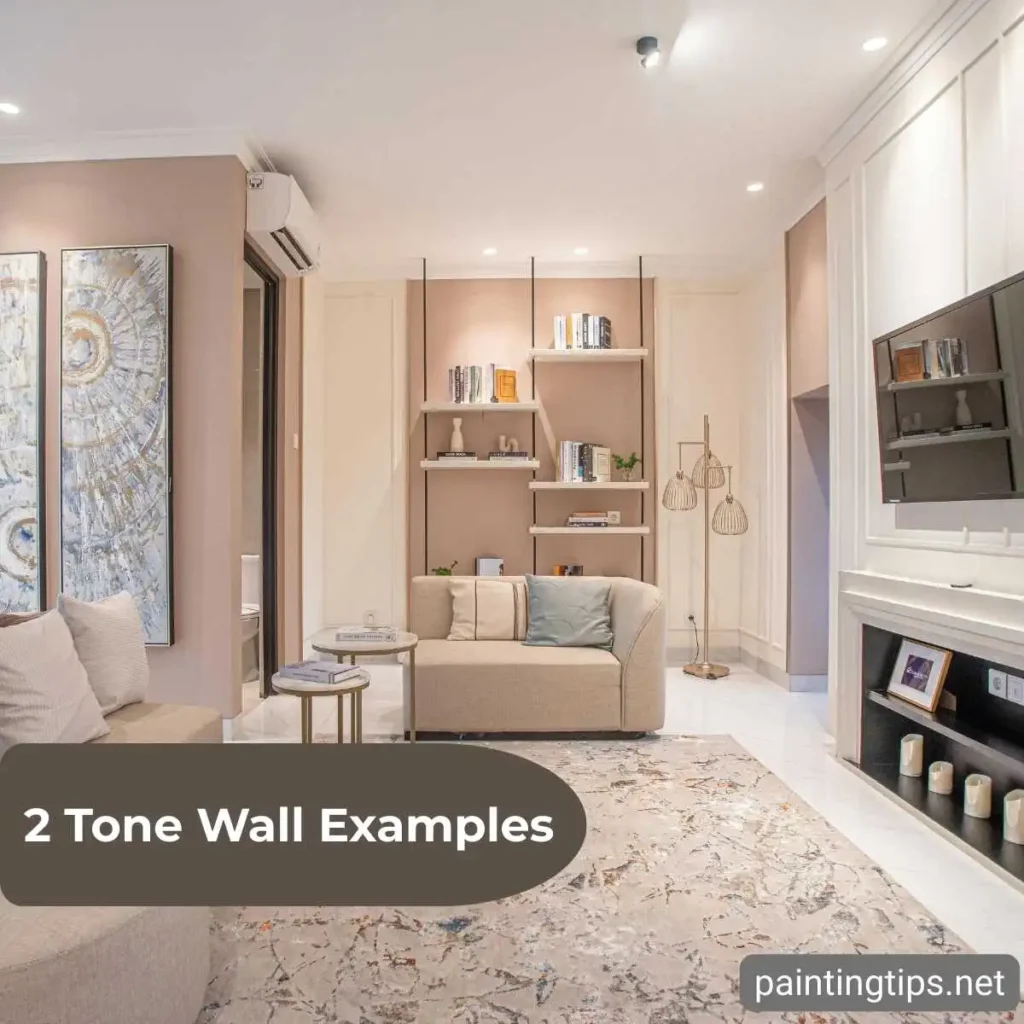
The living room matters. It’s where you hang out, relax, and, honestly, it sets the mood for the whole house. That’s why playing with two-tone paint in the living room packs such a punch. Just by choosing two colors, you can define your space, balance things out, and give your room a polished, pulled-together look—without piling on a bunch of decor.
One go-to trick? Use a darker color down low and keep things lighter up top. It grounds the room but still lets the space breathe. This move works especially well if your ceilings aren’t super high. You get structure, but the room doesn’t feel boxed in.

People love these combos: white with dark gray, cream with warm taupe, soft beige with charcoal, blue-gray with crisp white, sage green with ivory. They fit right in with both modern and classic furniture. Got a living room that doesn’t see much sunlight? Stick with the darker shade just on the bottom half or maybe just behind the sofa or the TV. That way, things don’t get gloomy.

Speaking of TVs—painting the wall behind your television a bit darker (think charcoal, deep gray, or even a soft black) and keeping the rest of the walls light really helps. It cuts down on glare and frames your TV so it stands out, making that spot feel like a real entertainment zone instead of just another flat wall.
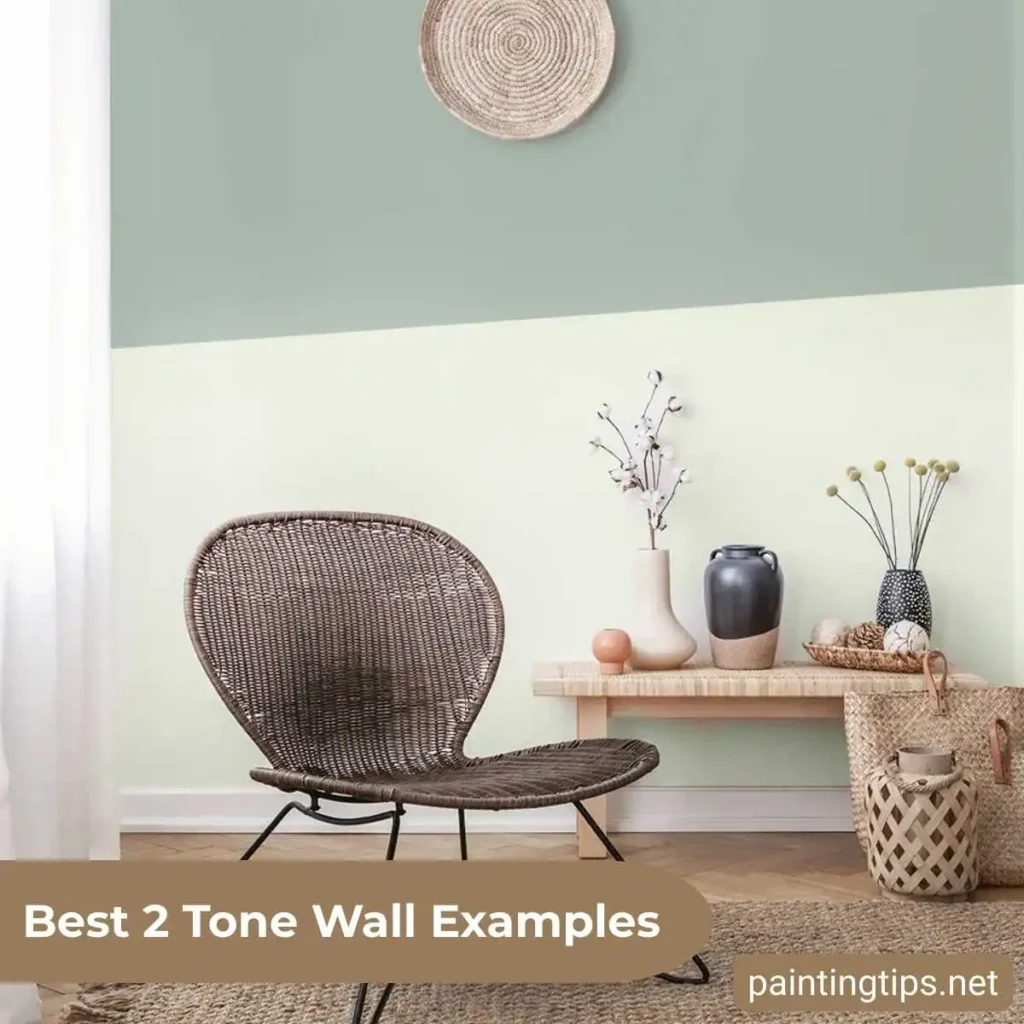
If you’ve got an open floor plan, two-tone paint really shines. Shifting colors between the living area and, say, the kitchen or dining space creates boundaries without any walls or bulky furniture. It’s like an invisible divider.
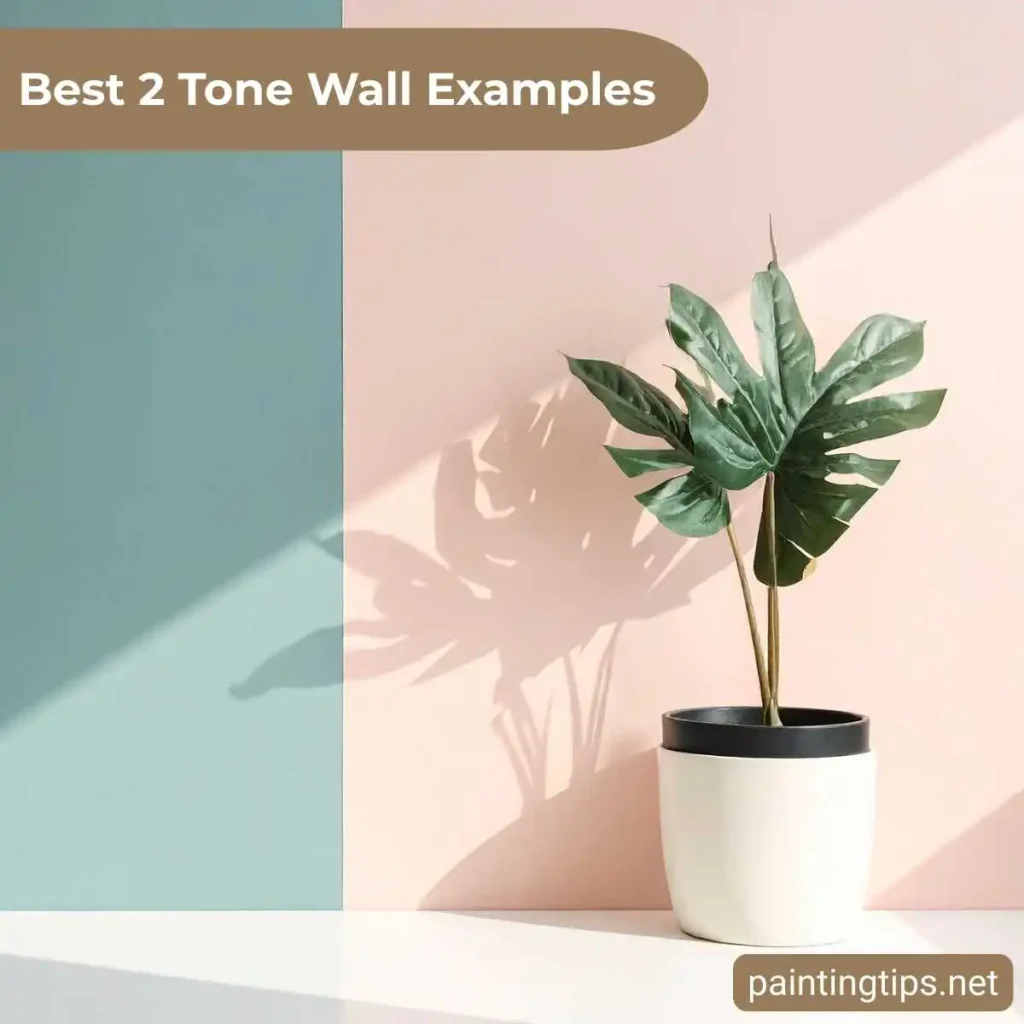
Want it to look even sharper? Add a chair rail or some simple molding where the colors meet. It’s a small detail, but it gives you that crisp, finished edge and adds a little architectural flair. Most people go for matte paint up high (it hides imperfections) and something tougher like satin or eggshell down low, since those spots take more bumps and scuffs.

When you get the colors and layout right, two-tone walls can totally transform a living room. You get more depth, better flow, and a space that just feels right—warm, balanced, and easy to love.
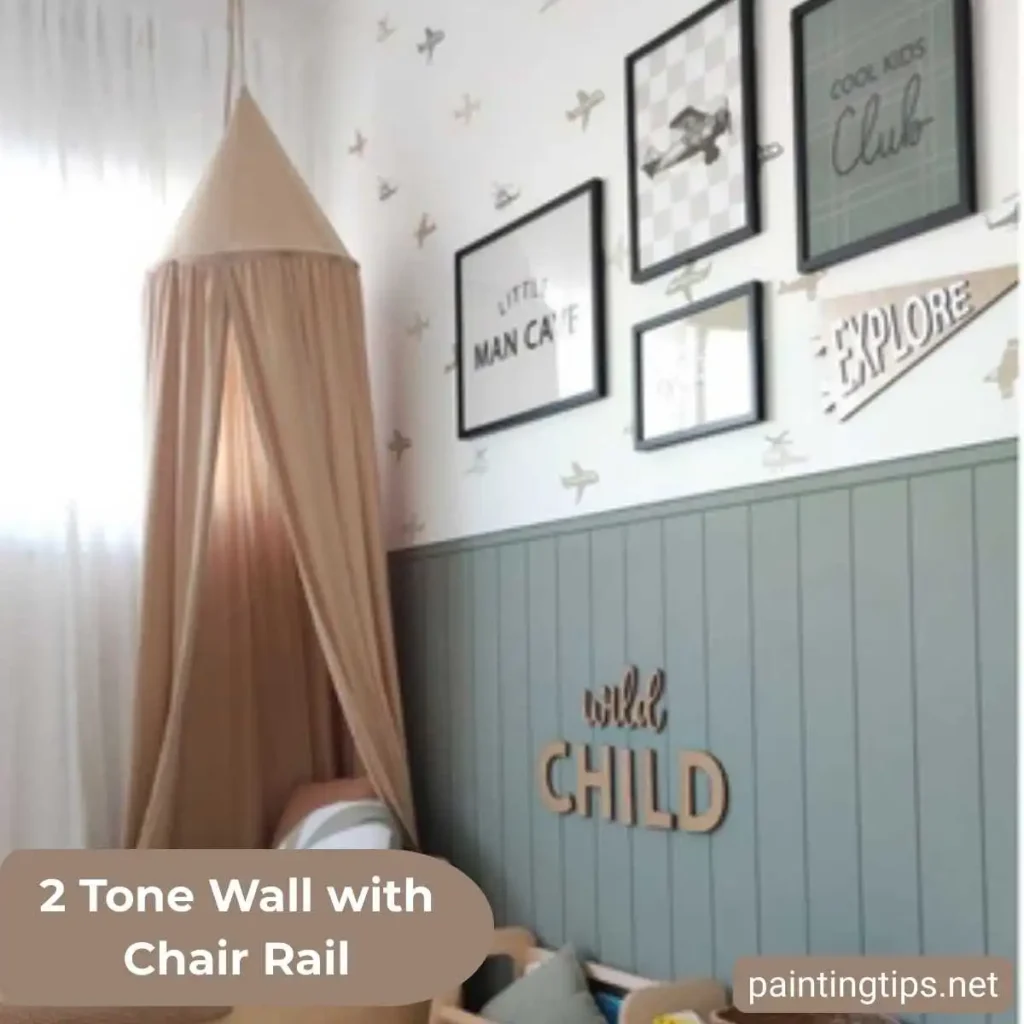
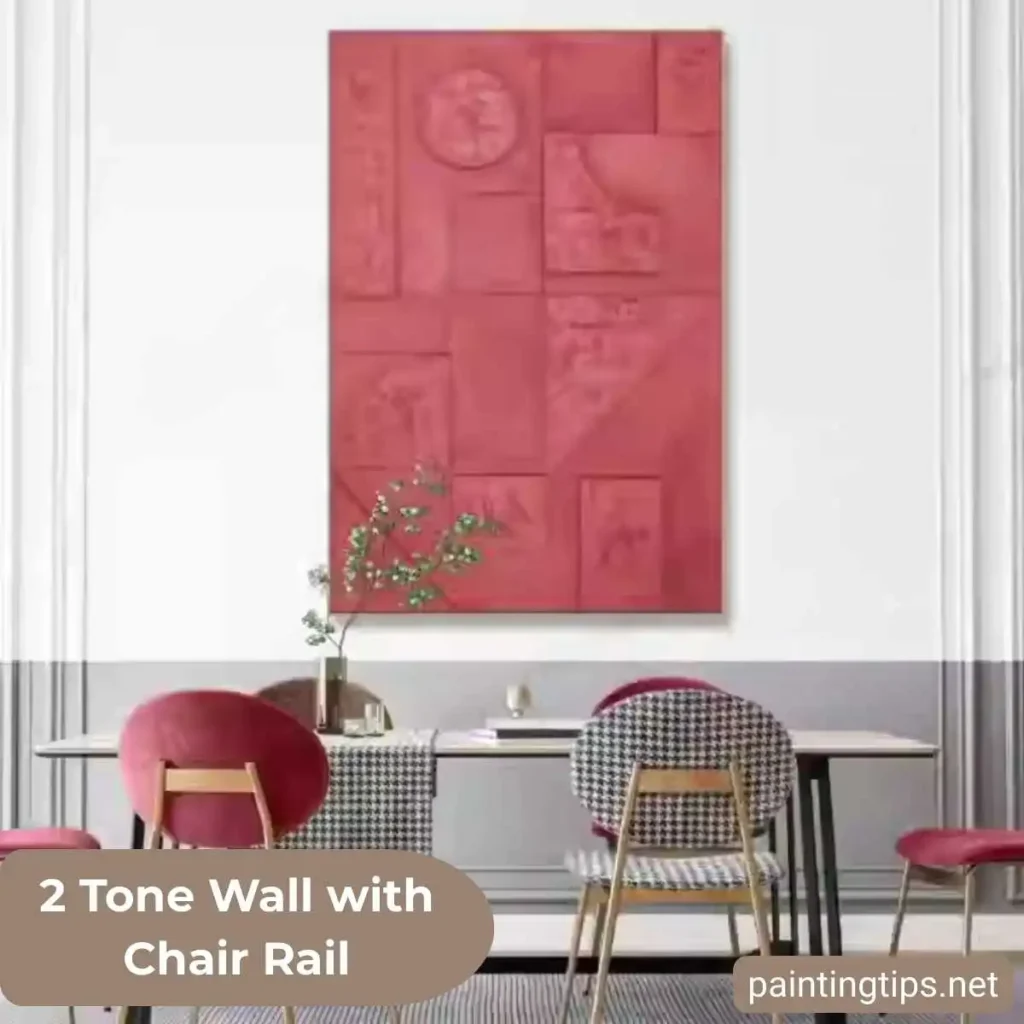
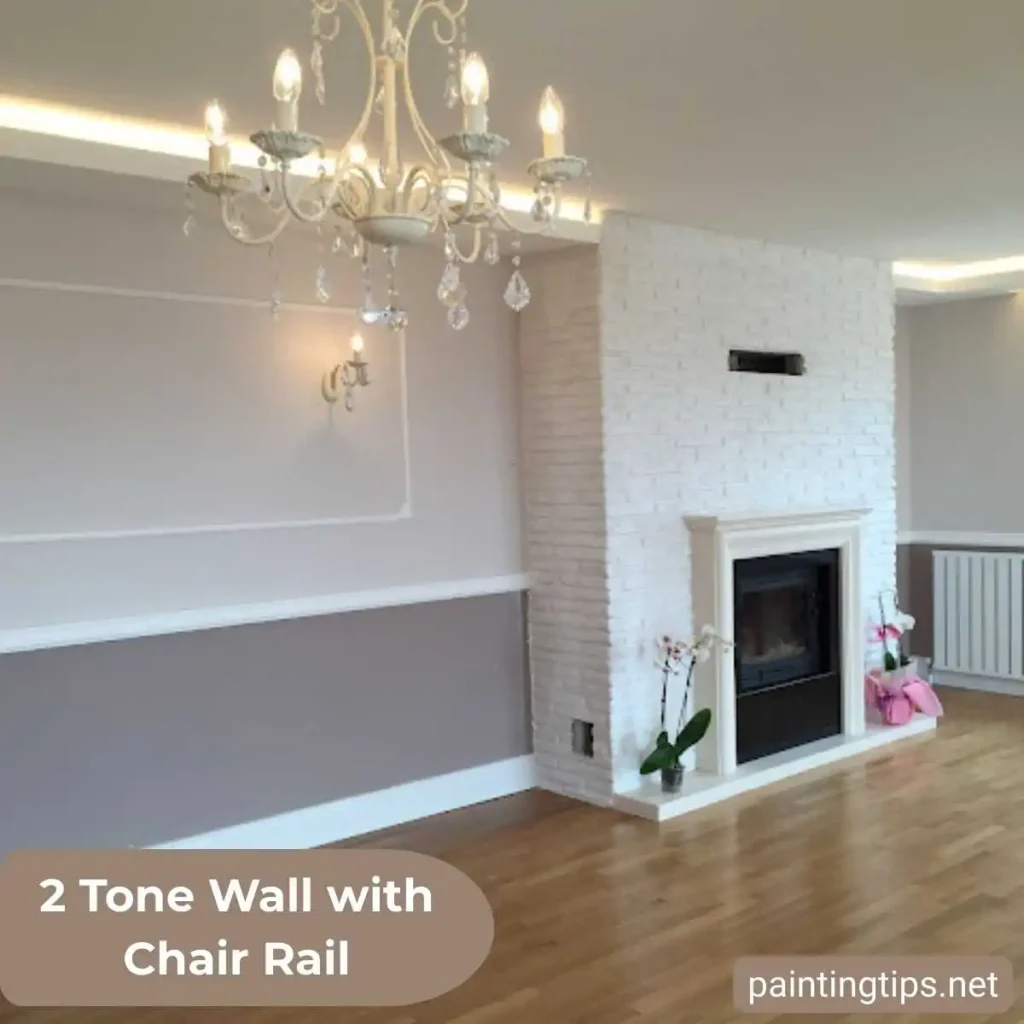
2 Tone Wall with Chair Rail
Adding a chair rail between colors is a classic move, especially in dining rooms, hallways, or living areas. The rail gives you a crisp line and adds a bit of architectural flair. Some go-to options:
- Darker color below the rail, lighter color above
- Neutral tones paired with bold accent colors
- Matte paint on top with satin or semi-gloss below
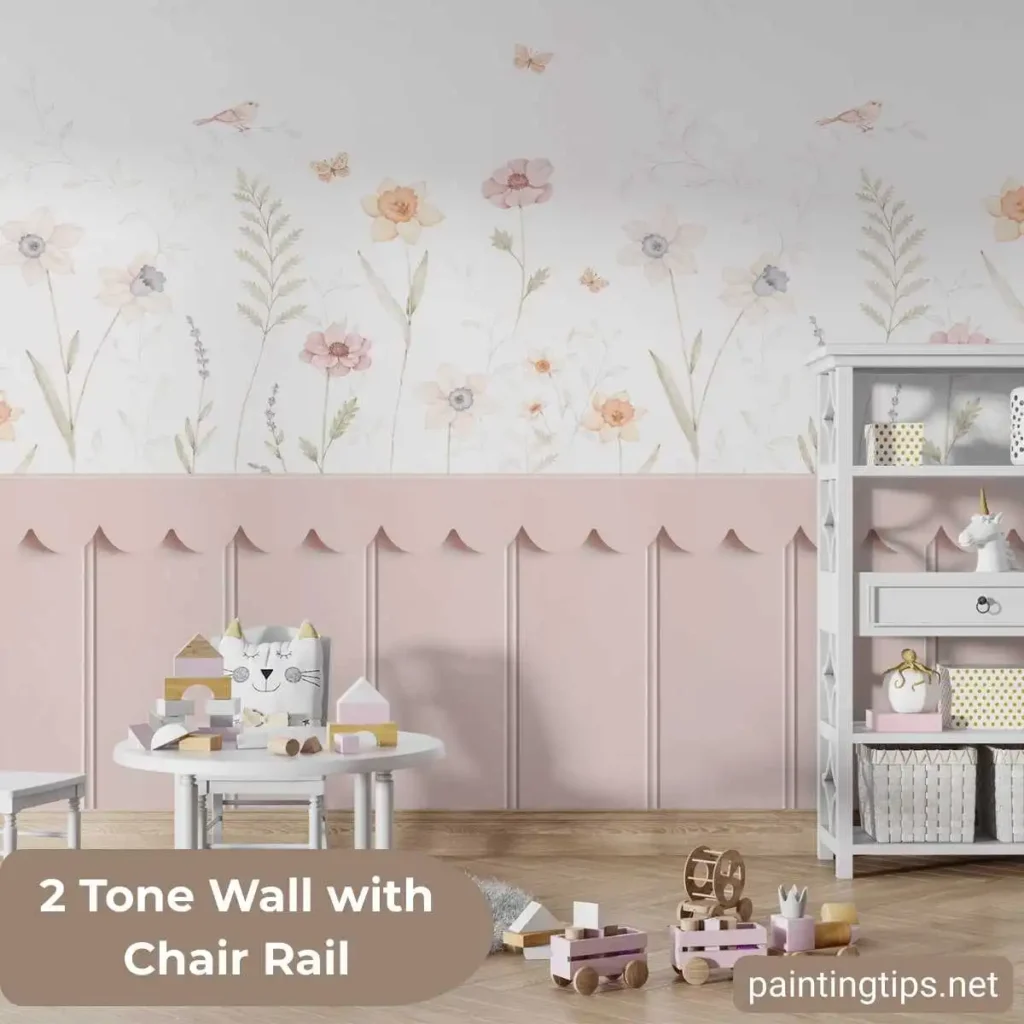
Chair rails also make it easier to get clean lines and keep the lower wall safe from scuffs.

Two Paint Colors in a Room
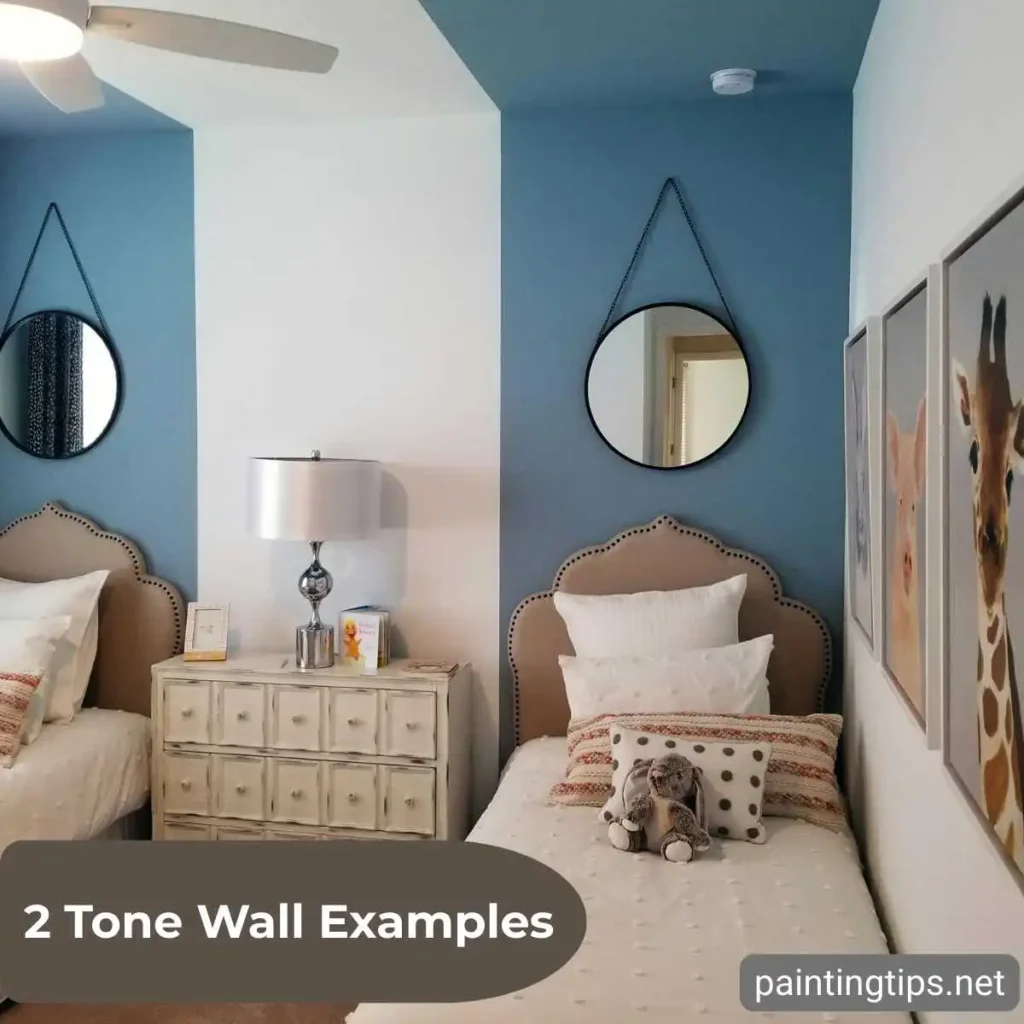
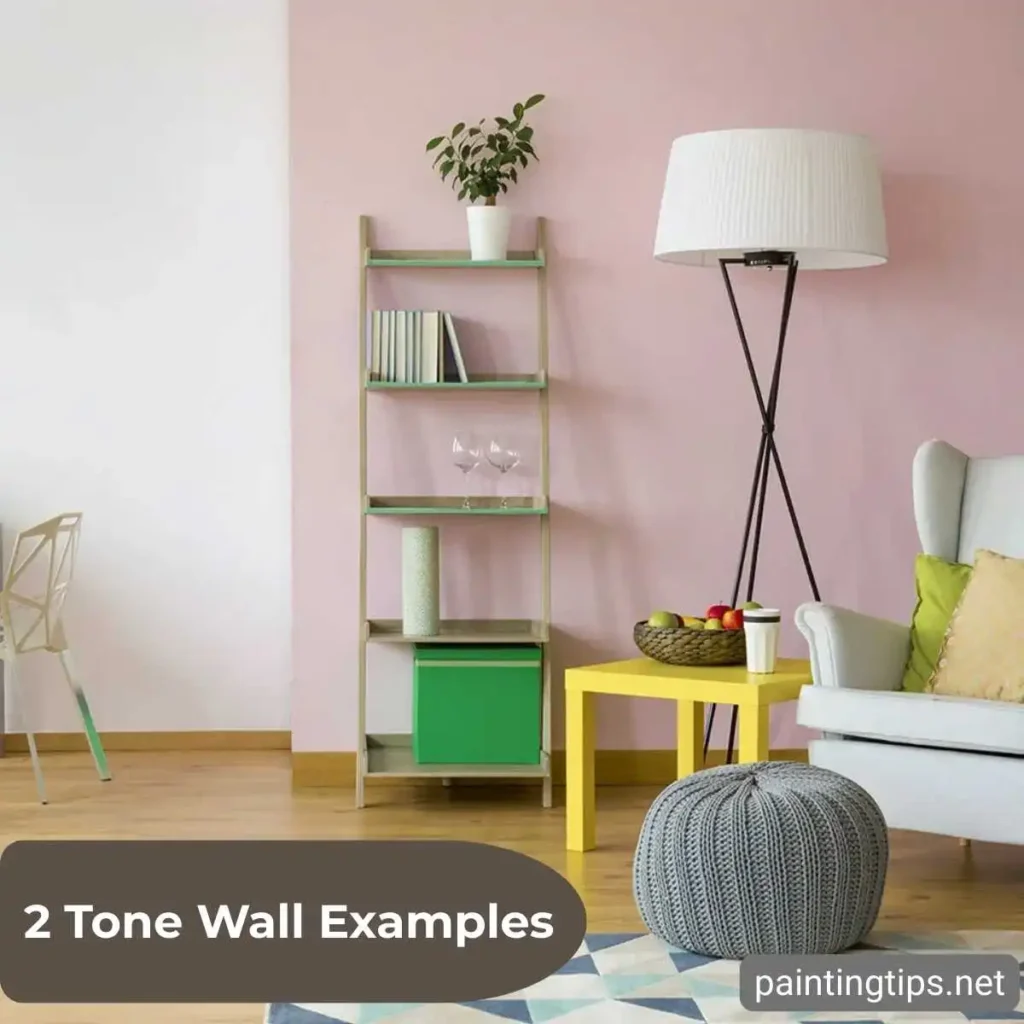
You don’t have to stick with just horizontal splits. Vertical color blocks, half-painted walls, even off-center designs—they’re all popular now. This approach can:
- Draw attention to cool details in your space.
- Make the room look taller or wider.
- Show off your style without making things busy.
- Just don’t overdo it—let one color lead, with the other as a backup. “For more room painting ideas, visit our guide on choosing the best color for a room.”


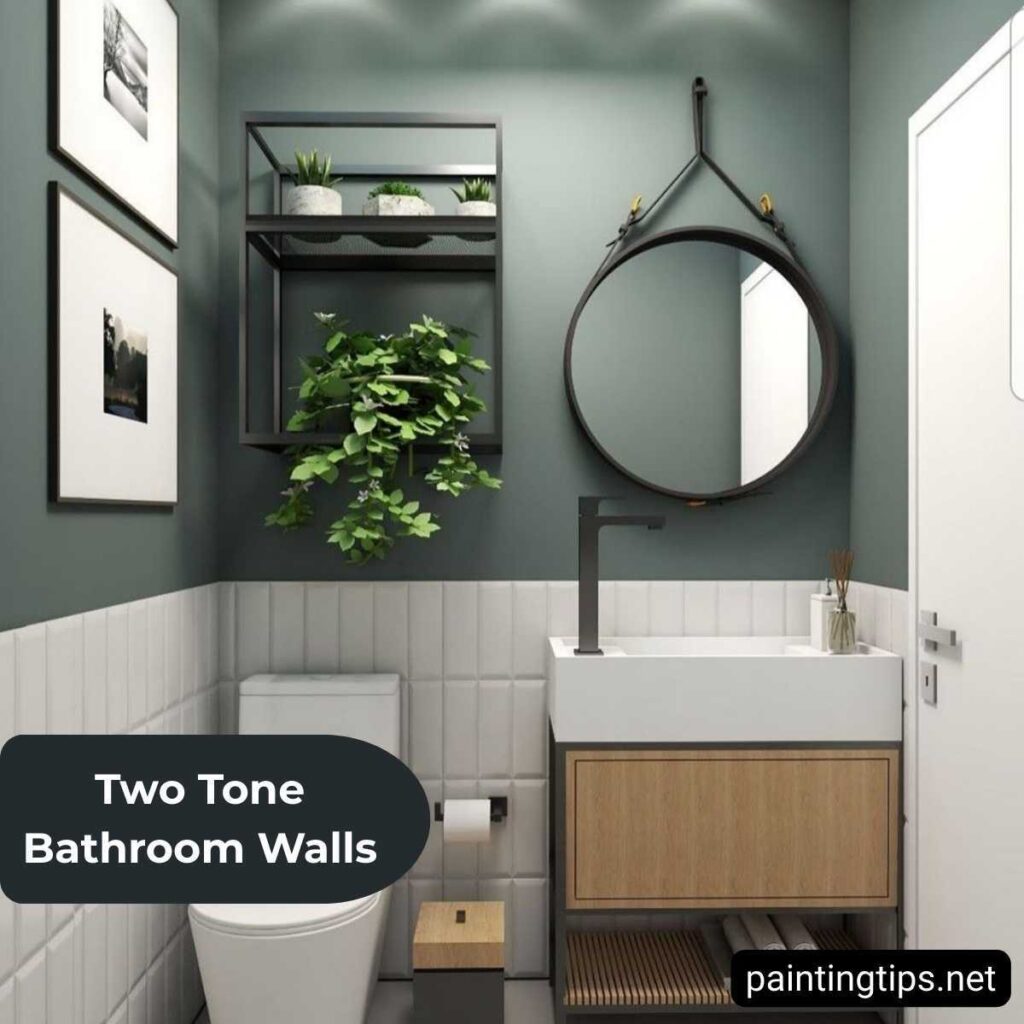
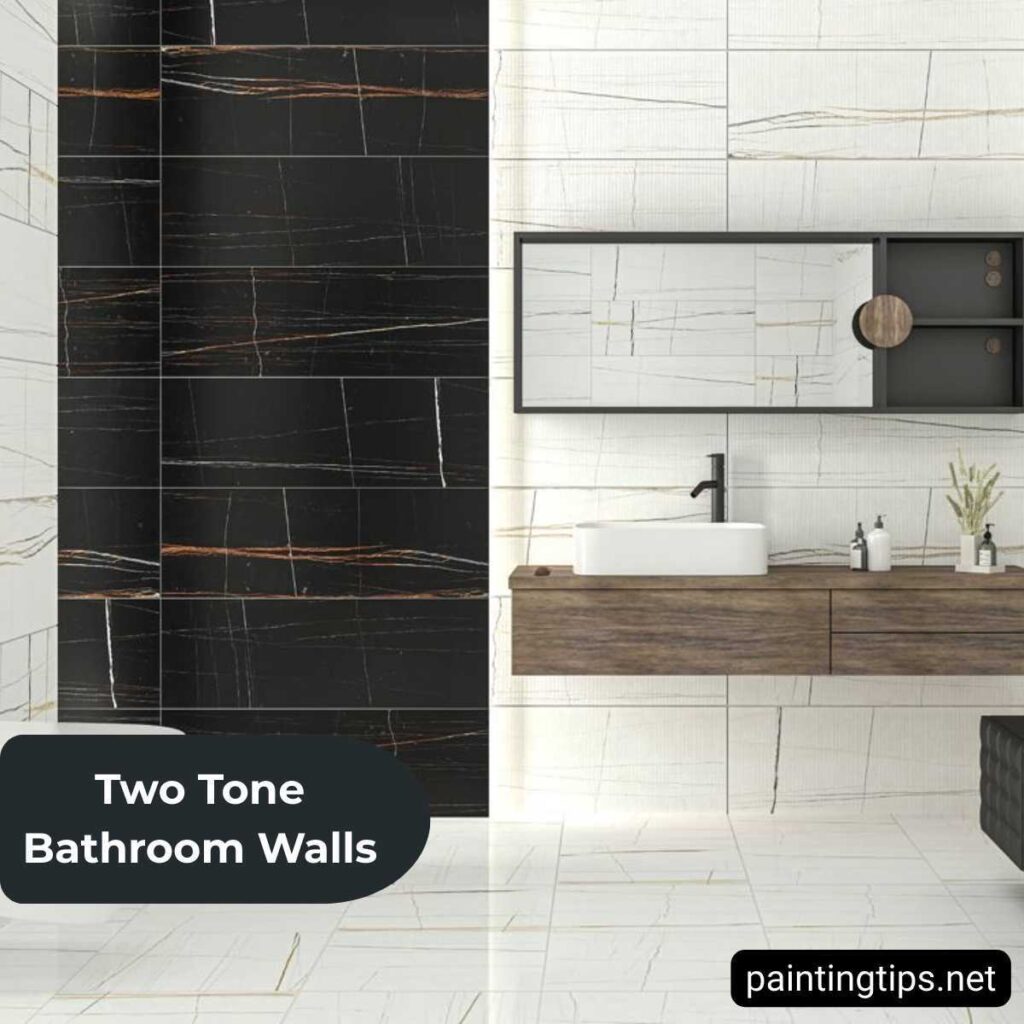
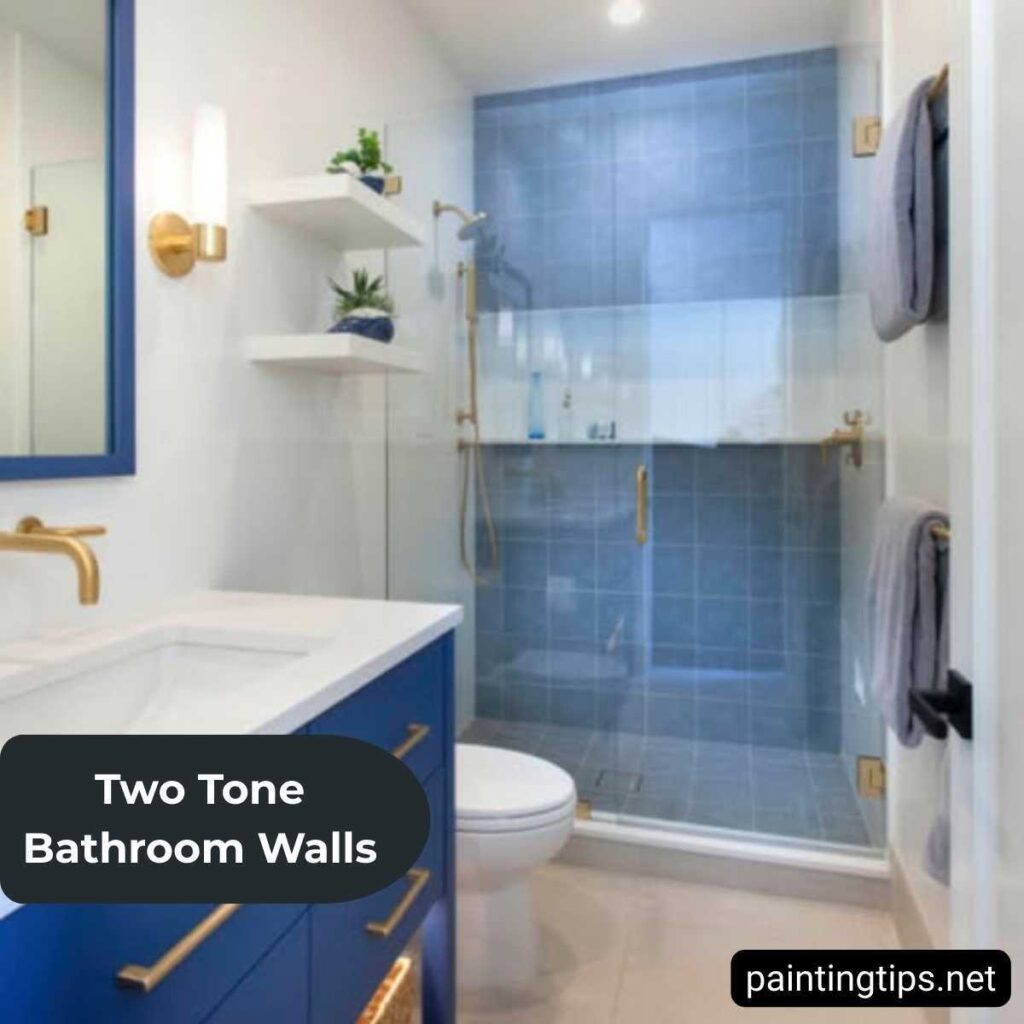
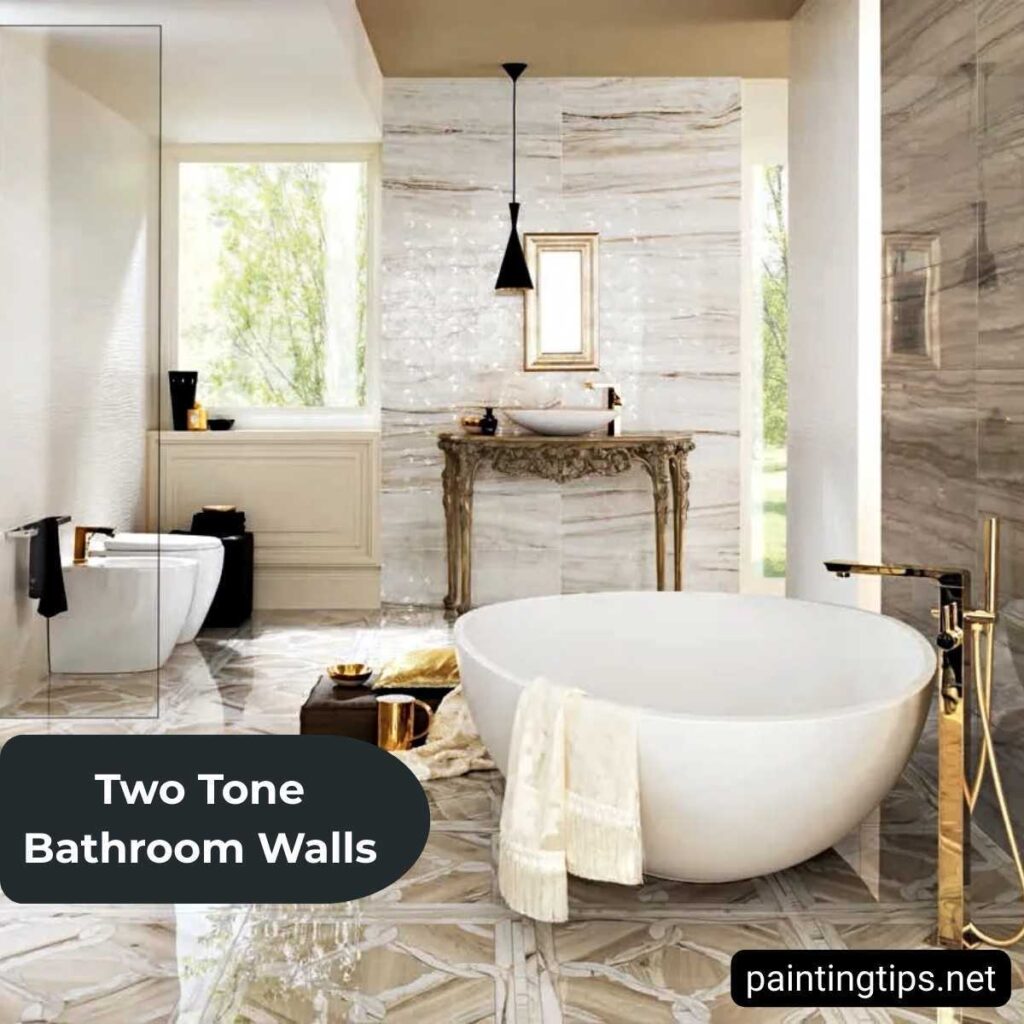
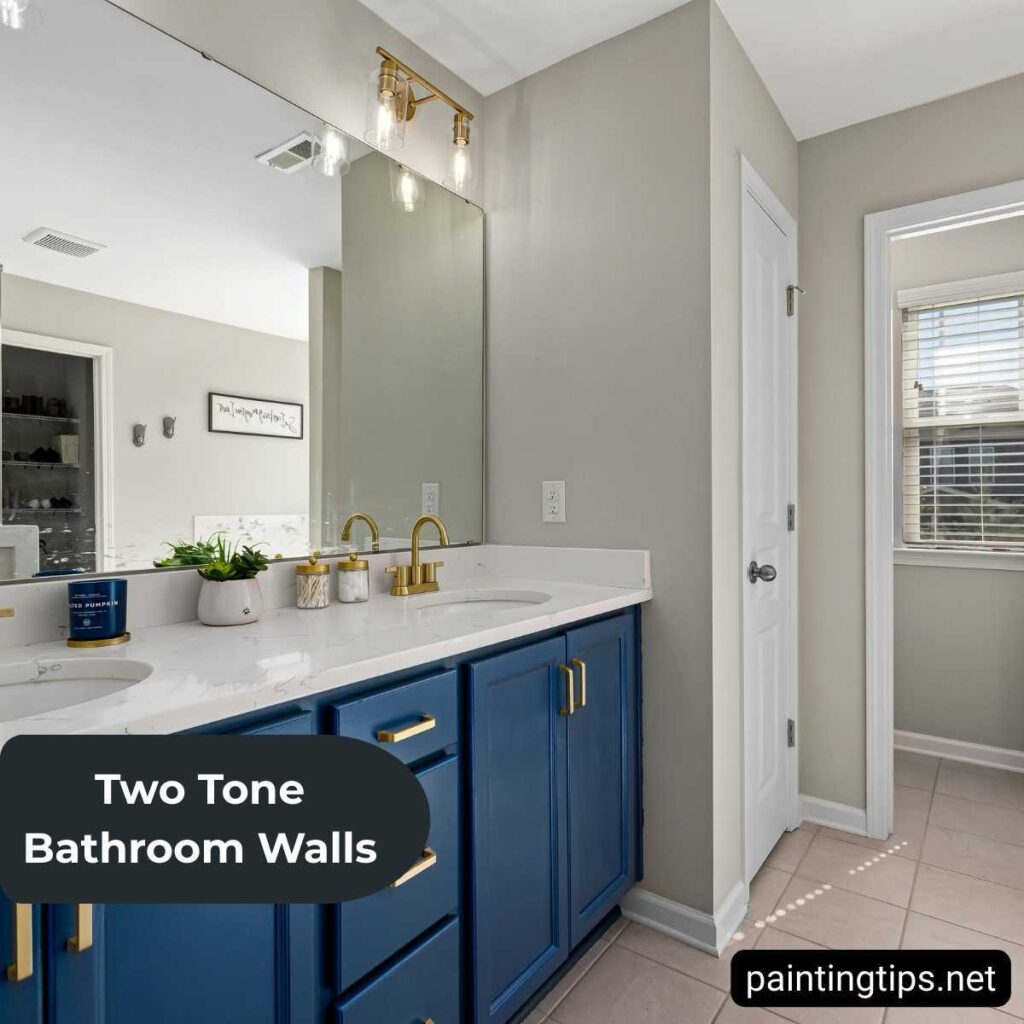
Two Tone Bathroom Walls
Bathrooms look great with two-tone walls, and it’s practical too. People usually paint the lower half darker to hide water spots and scuffs, then use something lighter above to keep it fresh. Favorites include:
- White and soft gray
- Navy blue and white
- Sage green and cream
- Charcoal gray and light beige
In small bathrooms, pairing a dark lower section with a bright upper color can make the space feel taller and more structured. For more inspiration, explore our grey bathroom decor ideas guide.
Two Tone Bedroom Walls: Painting a Bedroom Two Different Colors
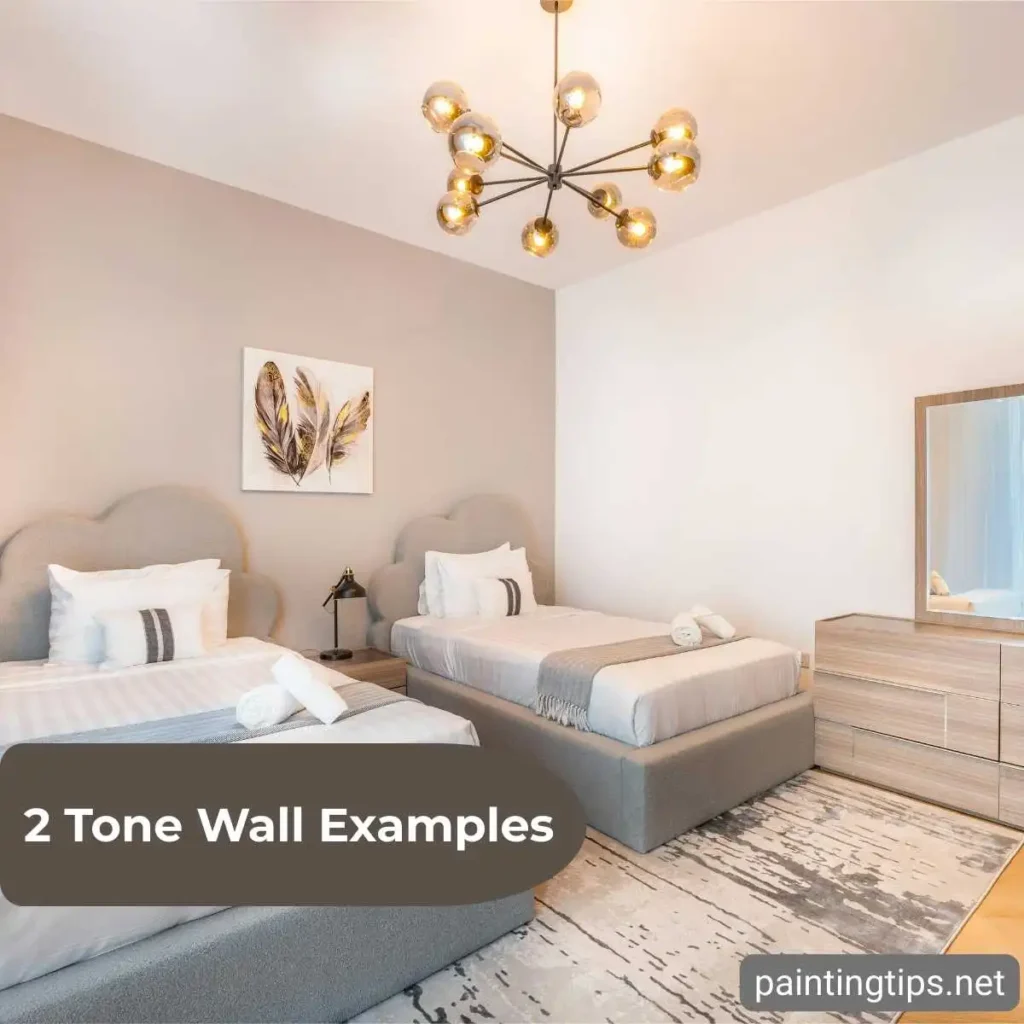
Painting your bedroom walls in two colors is a simple way to bring depth and personality into the space. It’s an easy trick to separate different areas, show off interesting architecture, or just give the room a little more character—without making it feel chaotic.

One classic approach: go light on the top half of the wall and deeper on the bottom. This keeps the space airy but still adds contrast. Soft pairings, like beige with off-white, light gray with white, or ivory with taupe, work especially well in bedrooms. They help the room feel relaxed and calm.
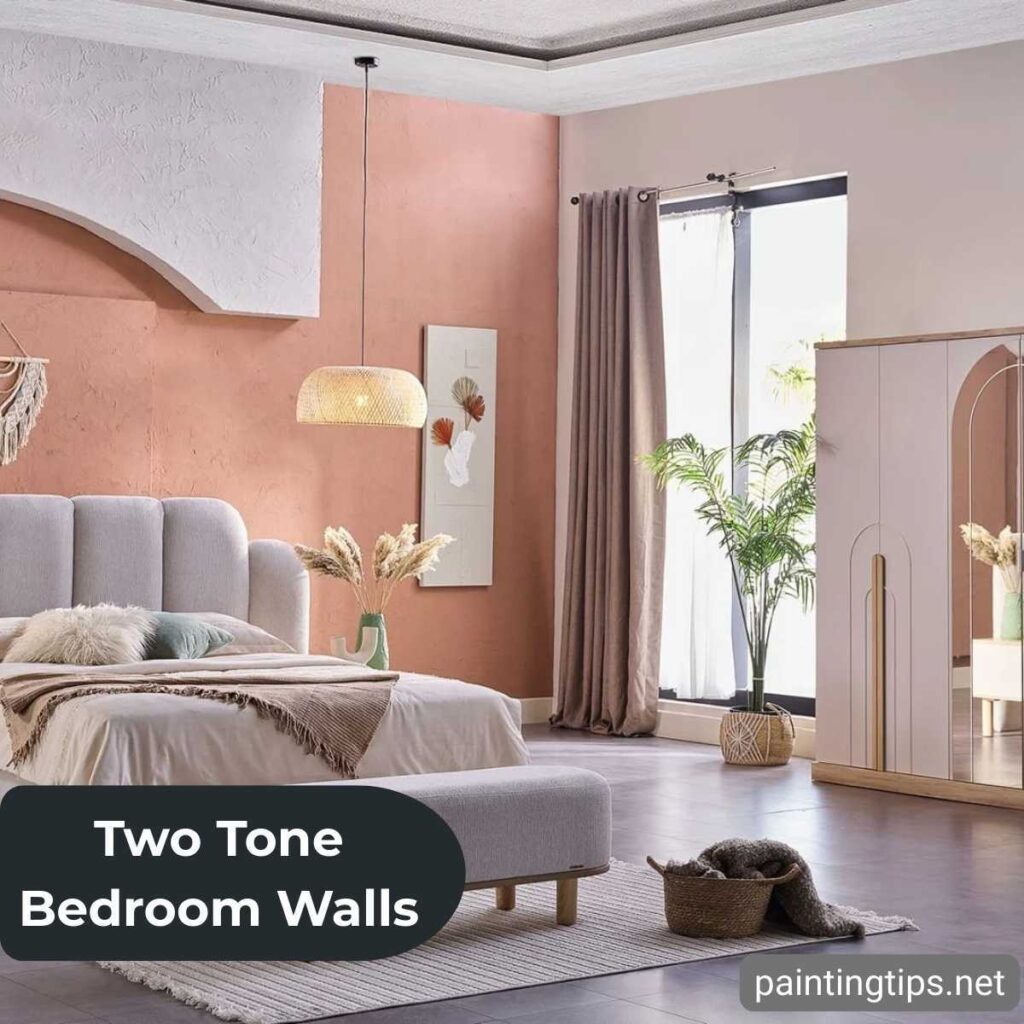
If you want a bolder look, stick with two shades from the same color family—maybe a pale blue with a muted navy, or a soft blush with a deeper rose. It’s a modern, layered style that adds interest without too much fuss, and it fits right in with minimalist decor.

Before you grab your roller, do a bit of prep work. Test your colors under different lighting to see how they really look. Painter’s tape is your friend if you want crisp, clean lines—just remember to pull it off right after painting so it doesn’t peel off your fresh paint. And if you’re working with a darker color, don’t skip the primer. It evens everything out and helps you get that polished finish.
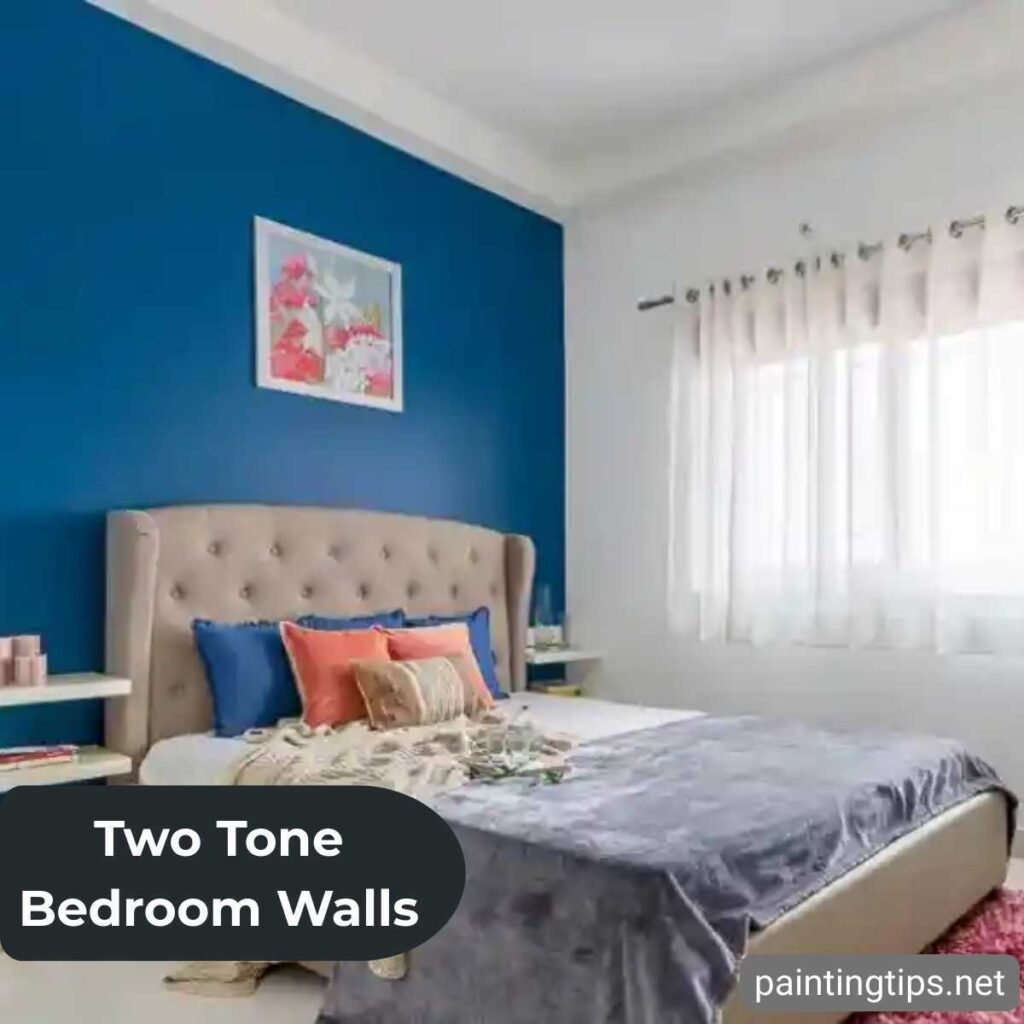
You can also use two colors to draw attention to certain spots, like the wall behind your bed. Try a darker hue on the lower half or a subtle horizontal line across the room. This trick works best if your furniture is neutral and you’ve got some natural wood and layered lighting in the mix.
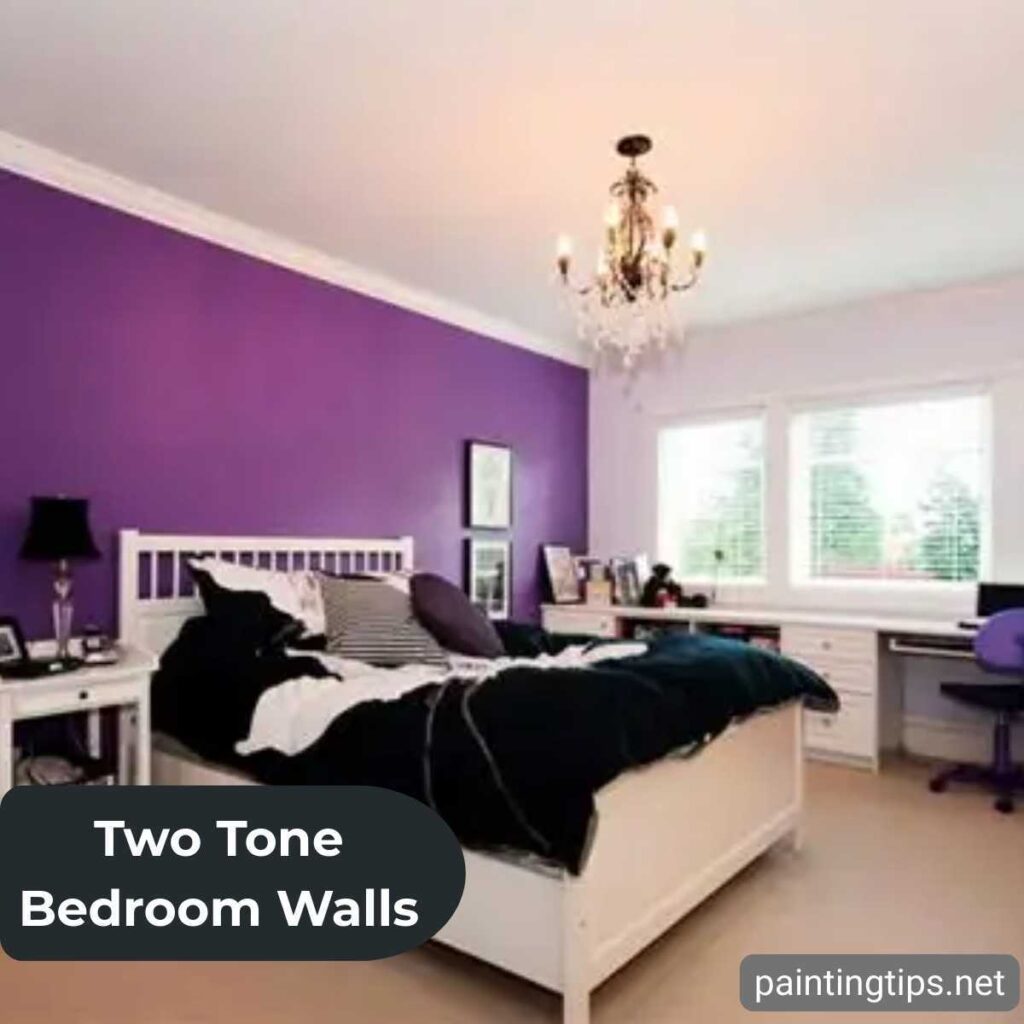
When you get it right, two tone bedroom walls feel balanced and intentional—perfect for a space that’s supposed to be both cozy and stylish. “For a more relaxing atmosphere, explore our guide on choosing a calming paint color for bedroom.”
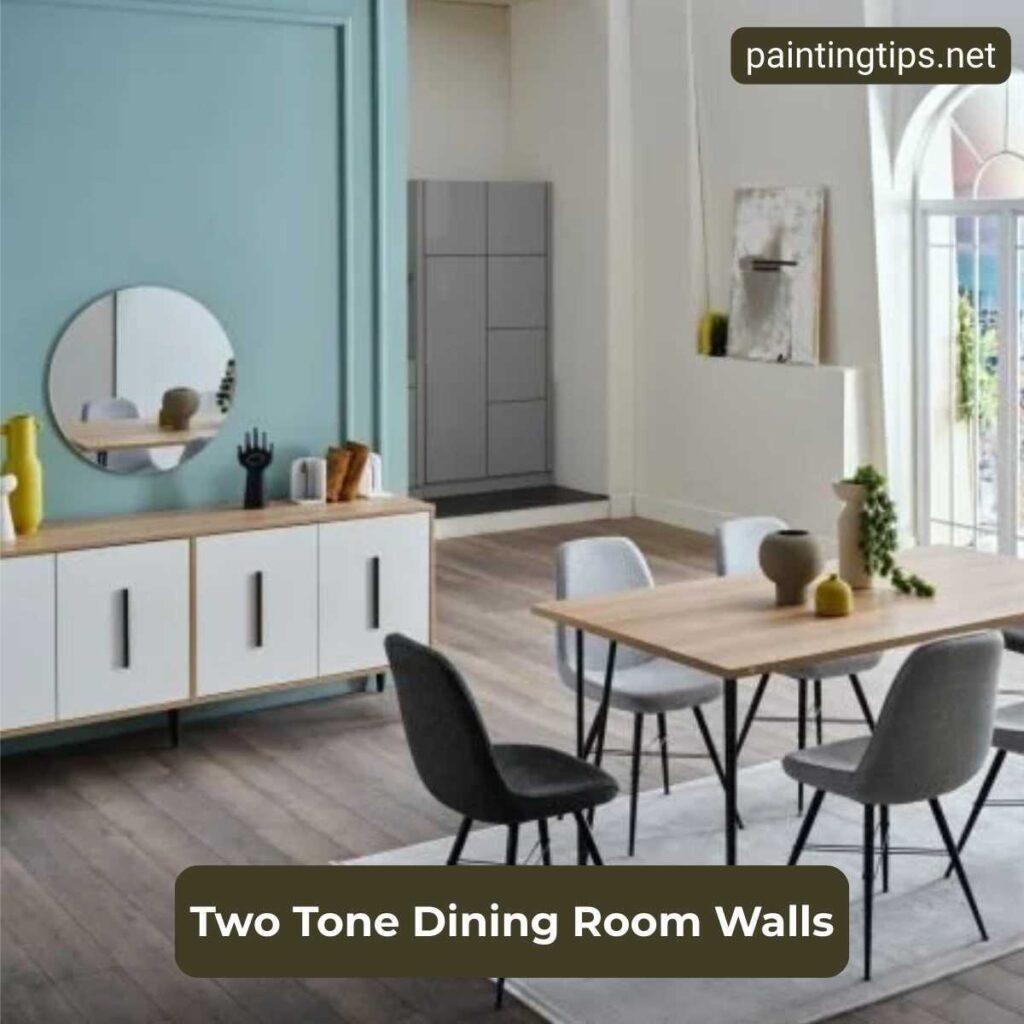
Two Tone Dining Room Walls
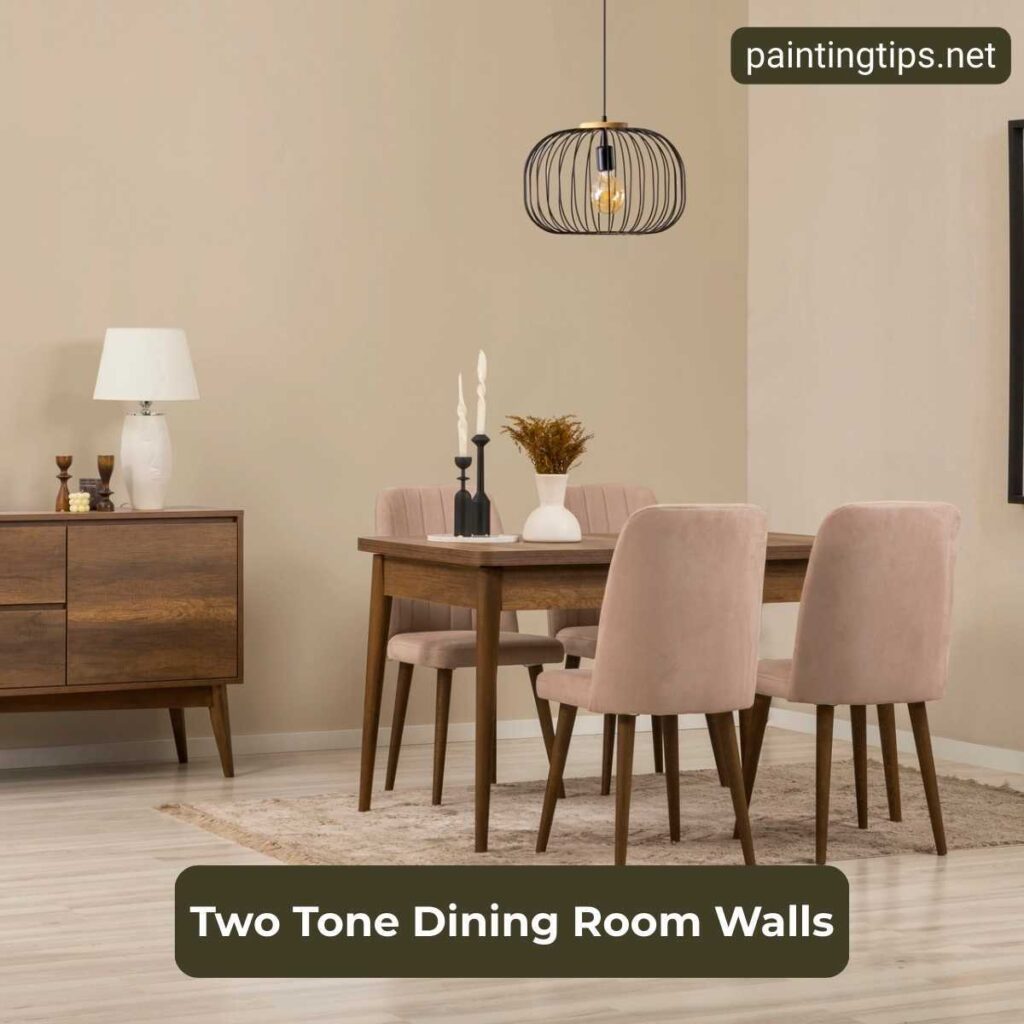
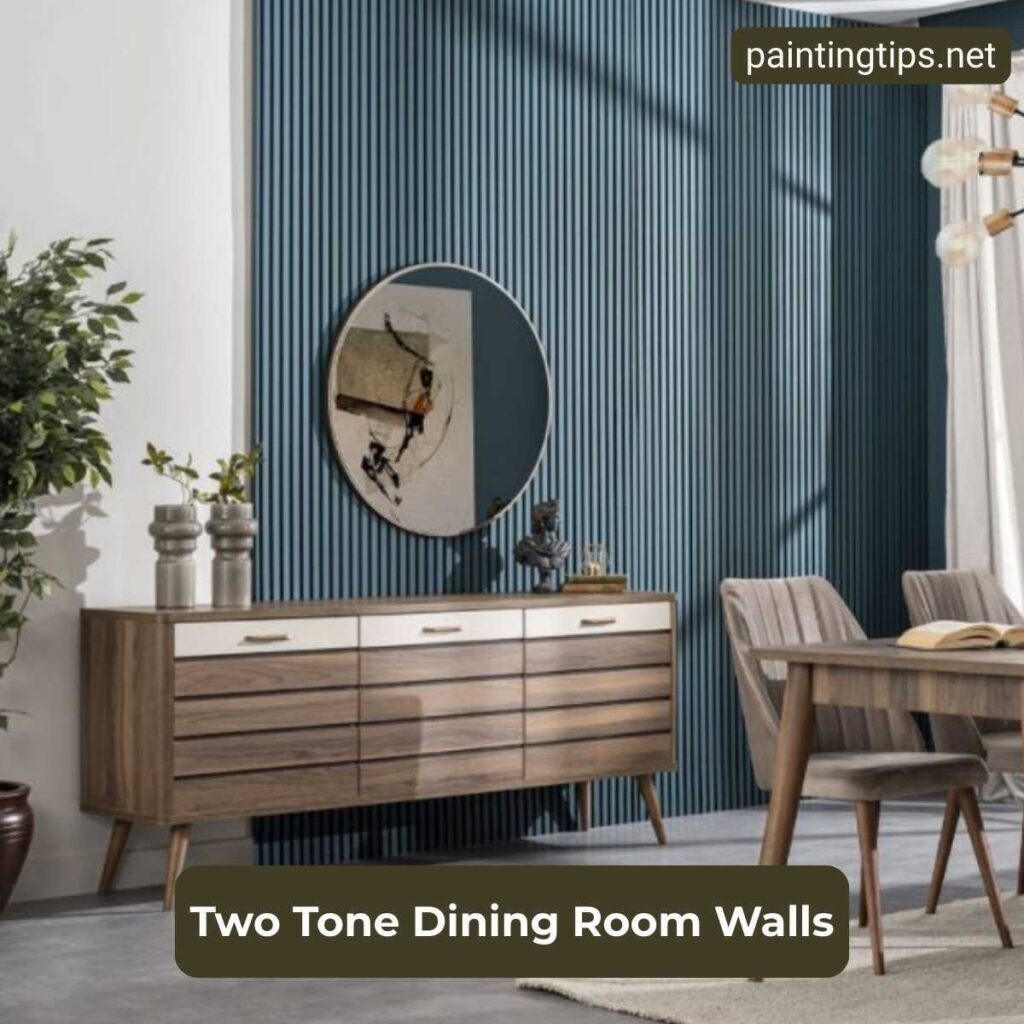
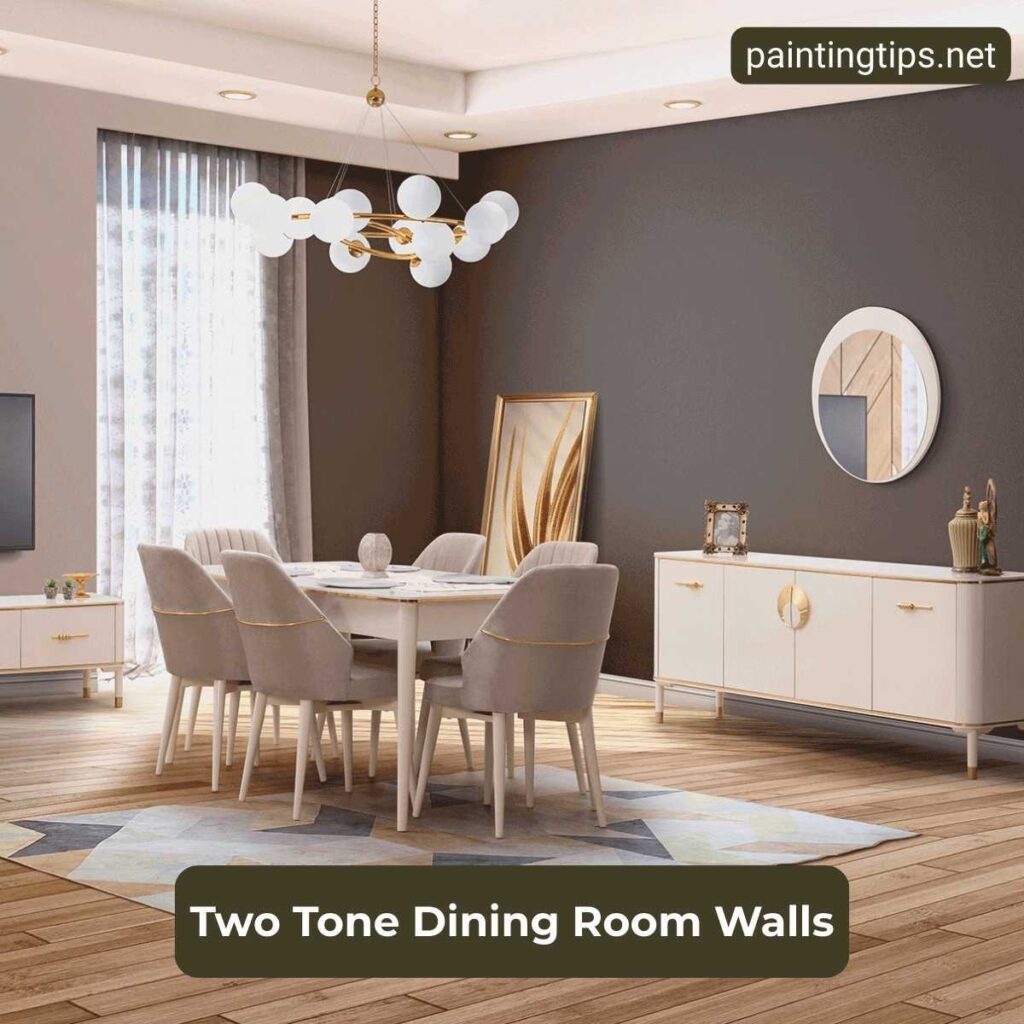
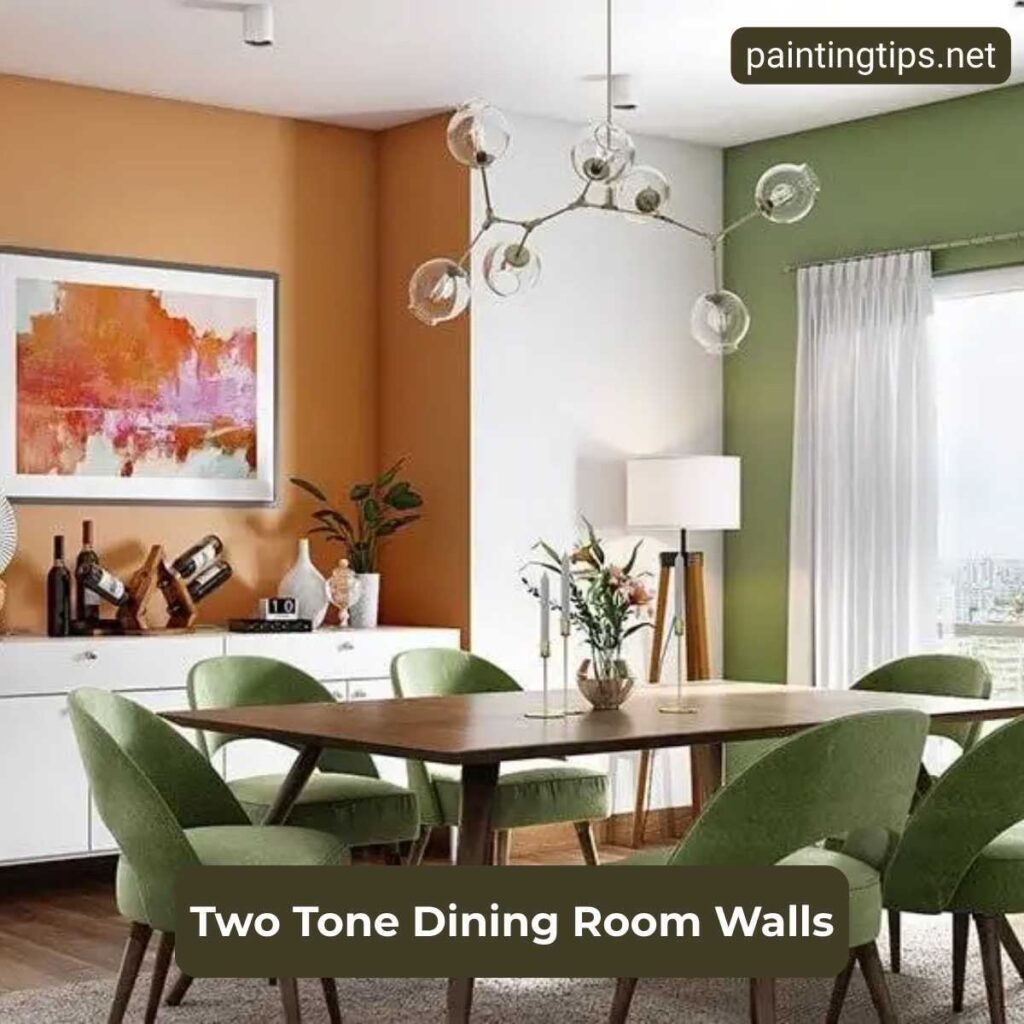
In the dining room, two tone walls instantly add some structure and sophistication. Darker colors on the bottom half make things feel cozy and intimate, while lighter shades up top keep the room from feeling closed in. Some favorite pairings: deep green and white, navy and cream, or chocolate brown and beige. Add in warm lighting and some natural textures, and you’ve got an inviting space for meals and good conversation.
Key Considerations for Two Tone Wall Painting
When applying two colors on a single wall, keep the following points in mind:
Dark paint shows roller and brush marks more easily, so take your time and use good tools. If you’re covering white with a very dark color, use one or two coats of high-coverage primer first so the light color doesn’t peek through. Painter’s tape is essential for sharp lines—pull it off while the paint’s still a bit wet. If you want something extra, try a textured or decorative paint on one section for more depth.
With a little planning and care, painting your walls two colors can completely change the look of any room—and you don’t need a big budget or professional skills to pull it off.
