Lead-based paint was once widely used in homes, especially in buildings constructed before the 1970s. Today, it is known to pose serious health risks when it starts to crack, chip, or turn into dust. Exposure can be particularly harmful to children, pregnant women, and pets. In this guide, you’ll learn how to safely remove lead paint from walls and reduce the health risks associated with it.
Lead Paint Removal
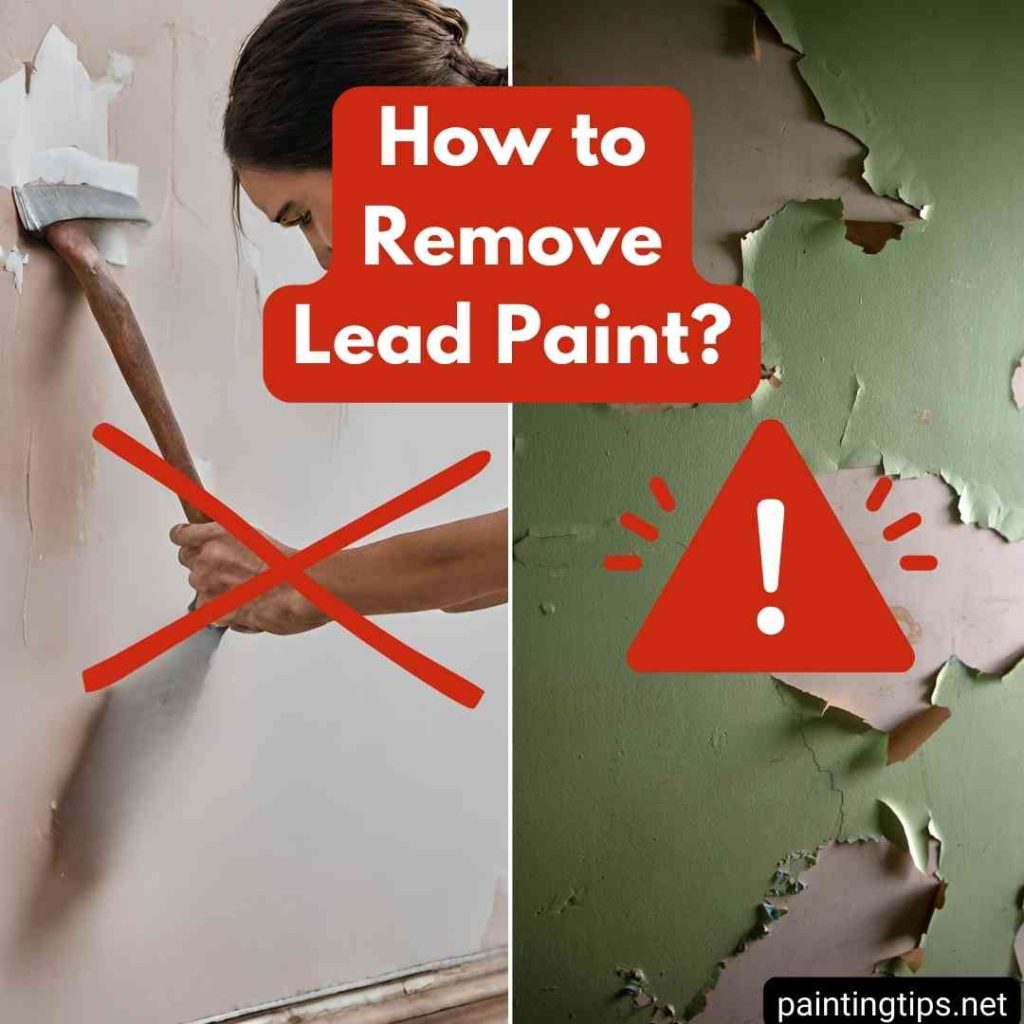
Lead-based paint was commonly used in homes built before the late 1970s, before its health risks were fully understood. Today, lead paint is known to pose serious health and environmental hazards, which is why modern homes use safer, water-based paints instead.
As lead-painted surfaces age, they can crack, chip, or peel—releasing toxic lead dust into the air. This exposure is especially dangerous for babies, young children, pregnant women, and pets. If lead paint is present on your walls, it should be addressed as soon as possible to reduce health risks.
Before removing lead-based paint, make sure the methods you plan to use comply with your state and local regulations. Lead paint removal can expose you to hazardous lead dust if not handled properly. It’s also essential to dispose of lead paint debris according to environmental and safety laws to prevent contamination of your home and surroundings.
Is It Safe to Remove Lead Paint Yourself?
Yes, it is possible to remove lead paint yourself—but only if proper safety precautions are taken. The primary risk during lead paint removal is inhaling toxic lead dust. To reduce this risk, you should wear a certified respirator (such as N100 or P100) and work in a well-ventilated area.
If the painted surface is large, heavily damaged, or located in a high-risk area of the home—especially where children live—many states recommend or require hiring a lead-certified professional. Always check local regulations before starting a DIY removal project.
Is Lead Paint Harder to Remove?
Lead paint is not necessarily harder to remove than other types of paint, but it requires far more caution. The main challenge is controlling lead dust and preventing it from spreading throughout the home.
Wet sanding or wet scraping methods should always be used to minimize airborne lead particles. Furniture, floors, and vents must be completely covered with plastic sheeting or drop cloths, and proper personal protective equipment is essential throughout the process.
How to Remove Lead Paint from Walls
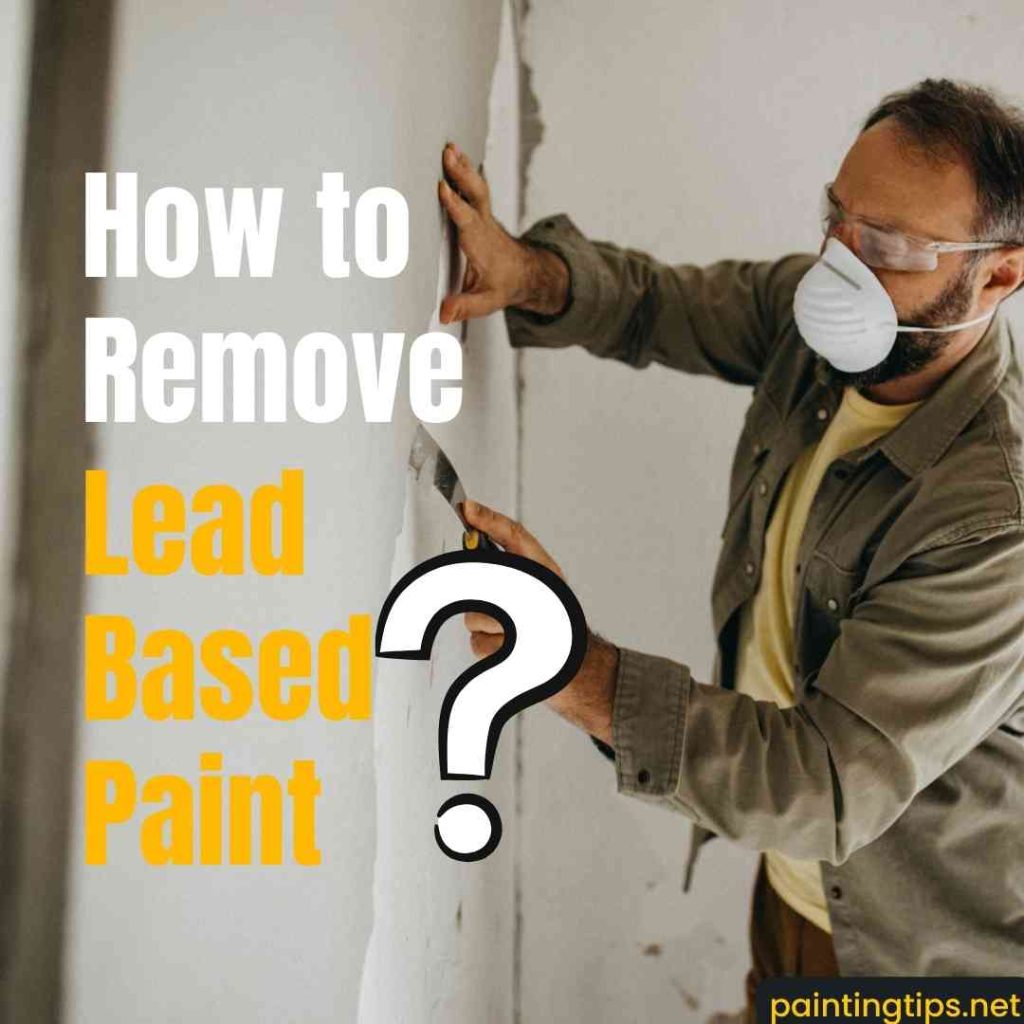
During the lead paint removal process, protecting yourself from lead dust exposure is critical. Always wear work gloves, safety goggles, protective clothing, and a certified respirator. Make sure the removal methods you choose comply with local regulations before you begin.
1-Do Wet Sanding
Wet sanding helps prevent lead particles from becoming airborne. By keeping the surface damp, lead dust is reduced and easier to control. A sander equipped with a HEPA-filter vacuum attachment is strongly recommended to capture fine particles during the process.
2-Use a Paint Remover
You can use a paint stripper specifically designed for lead paint removal. If a lead-specific remover is not available in your area, a general-purpose, water-based paint stripper that leaves no toxic residue may also work. Always follow the manufacturer’s instructions and safety guidelines.
What is The Best Remover for Lead Paint?
Products such as Lead Out Paint Stripper, Franmar SOY-GEL, and Dumond Peel Away 1 are commonly used for safely removing lead-based paint. In addition, residue-free, water-based paint removers can be effective when used properly.
3-Prime and Apply Modern Water-Based Paint
If the existing lead paint is in relatively good condition and fully stabilized, repainting may be an option. After applying a suitable primer, apply two coats of modern, water-based emulsion paint to seal the surface and reduce exposure risks.
4-Lead Paint Encapsulation
Lead encapsulation paint is a specialized coating designed to seal lead-based paint and prevent dust release. It is often more affordable than complete paint removal. These coatings create a durable, dust-free surface and are available in polymer-based, epoxy-based, and cement-based formulas.
5-Apply Epoxy Paint
Epoxy paint offers similar benefits to lead encapsulation coatings. It forms a hard, durable surface that resists dusting, scratches, and moisture. While epoxy paint is more expensive and covers less area than standard wall paint, it can significantly reduce lead exposure risks.
6-Cover The Wall
Covering lead-painted surfaces is another effective way to reduce exposure. Materials such as drywall, plywood panels, tiles, thick wallpaper, acrylic sheets, or fiberglass cladding can be used to create a protective barrier over lead-painted walls.
Warnings
Lead-based paint is not the same as modern paint and requires extra safety measures. Always wear gloves, protective clothing, goggles, and a certified respirator during removal or containment.
If lead dust spreads during the process, remove or cover all household items immediately. Work on one room at a time, thoroughly clean the area using wet cleaning methods and a HEPA vacuum, and only move on once the room is fully cleaned. After the entire removal or containment process is complete, clean the whole house carefully.
You may also consider hiring a professional lead removal service, especially for large projects. For related guidance, you may find these articles helpful: How to Clean Painted Walls Without Leaving Streaks and How to Remove Paint from Walls.
Frequently Asked Questions
What to Do if Furniture Has Lead Paint?
If the furniture is not valuable or worth restoring, safely disposing of it may be the best option to eliminate health risks. If you want to keep lead-painted furniture, you can strip the paint using a suitable paint remover and repaint it with a lead-safe finish. Another option is to seal or cover the surface to prevent lead dust exposure. “Related article: How to change color of cabinets without painting?”
Does Lead Paint Have to be Removed?
This depends on state and local regulations. In many cases, lead paint does not have to be removed if it is in good condition and properly sealed. Repairing damaged areas and painting over them with an appropriate coating may be acceptable. Always check local requirements before deciding.
How Much Lead Paint is Toxic?
There is no safe level of lead exposure. Health risks depend on the amount of lead, the duration of exposure, and how it enters the body. Prolonged inhalation or ingestion of lead dust poses serious health risks, especially for children under six and pregnant women.
What Happens if You Peel Lead Paint?
Peeling or dry scraping lead paint significantly increases the risk of exposure by releasing lead dust into the air. Lead paint should only be removed under controlled conditions using wet methods or approved paint removers to minimize airborne particles. “Related article: How to fix peeling paint in bathroom?”
Is Lead Paint Safe if Not Touched?
Intact lead paint that is not cracking, chipping, or peeling generally poses a lower risk. However, once the paint begins to deteriorate, it can release lead dust, which is hazardous when inhaled or ingested. Damaged lead paint should always be addressed.
What Happens if You Inhale Lead Paint Dust?
Inhaling lead dust can cause lead poisoning. Lead can enter the bloodstream and affect multiple organs, including the brain, nervous system, kidneys, and reproductive system. Symptoms may include fatigue, headaches, stomach pain, irritability, high blood pressure, anemia, and developmental issues in children.
Should You Remove Lead Paint or Paint Over It?
If children or pregnant women live in the home, removing or properly encapsulating lead paint is strongly recommended. Painting over lead paint may be acceptable if the surface is stable and sealed correctly. If you plan to sell your home, check local disclosure laws, as lead paint may affect the sale.
Can I Remove Lead Paint With a Heat Gun?
Using a heat gun is not recommended. High heat can vaporize lead and create extremely hazardous fumes. Safer alternatives include chemical paint strippers and wet sanding methods.
Does Lead Paint Come off With Water?
No. Water alone cannot remove lead paint. Wet sanding, wet scraping, and approved paint removers are the most effective methods for reducing lead dust during removal.
What Mask is Needed For Stripping Lead Paint?
You should use a certified respirator, such as an N100 or P100, designed for lead dust protection. Standard dust masks or basic N95 masks do not provide sufficient protection for lead paint removal.
Can You Get Lead Poisoning from Scraping Paint?
Yes. Dry scraping lead paint can release large amounts of lead dust and increase the risk of lead poisoning. Lead-based paint should never be scraped dry. Wet sanding or chemical removal methods must be used instead.
