Bathtubs often develop peeling paint over time due to constant exposure to hot water, steam, and harsh cleaning products. This problem can affect both acrylic and metal tubs, making the surface look worn and damaged. Fixing peeling bathtub paint is a practical and cost-effective alternative to replacing the entire tub. With proper surface preparation, the right materials, and correct application, you can restore the finish and extend the lifespan of your bathtub. In this guide, you’ll learn how to fix a peeling bathtub step by step and achieve a smooth, durable, and long-lasting result at home.
How to Fix Peeling a Bathtub Paint
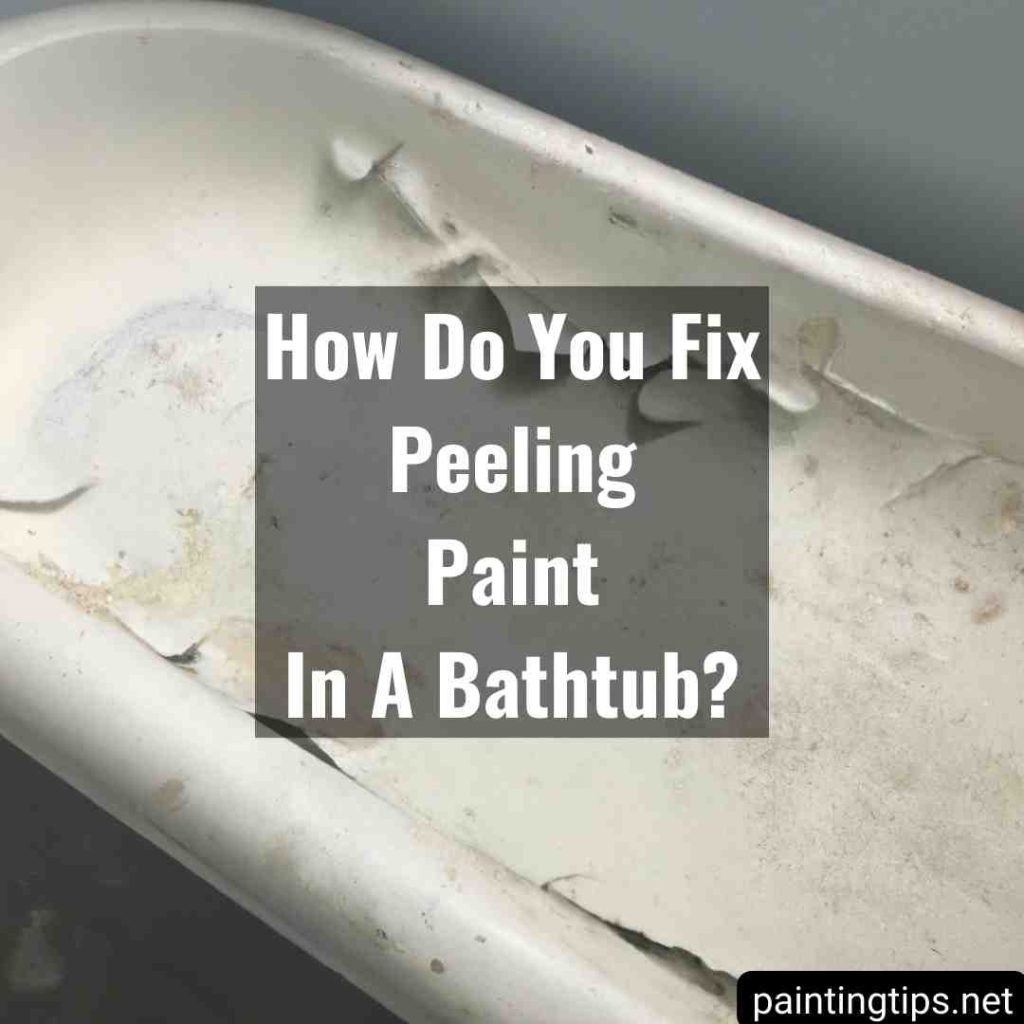
Peeling paint on old bathtubs is a common occurrence. It happens with both acrylic and metal bathtubs. Before buying a new bathtub, it might be a good idea to fix the peeling paint and try painting it. However, repairing a bathtub with peeling paint is a detailed and laborious process. You will probably put off buying a new bathtub for a long time.
Peeling bathtub paint is not just a cosmetic issue. If left unrepaired, moisture can penetrate beneath the coating and cause further deterioration of the surface. Repairing peeling bathtub paint early helps prevent deeper damage and makes the refinishing process easier and more effective. In most cases, peeling bathtub repair can restore the tub’s appearance and usability for many more years.
Why Is Bathtub Paint Peeling?
Peeling bathtub paint often occurs in older bathtubs. Friction, hot water and steam erode the paint over time. However, the use of abrasive cleaning agents in the process of cleaning the bathtub can also cause peeling.
Can You Repaint a Peeling Bathtub?
Repainting is one of the most effective methods for fixing peeling bathtub paint and restoring the surface. Yes, you can repaint a bathtub with peeling paint. However, the factory coating cannot be replicated at home, so you’ll need to use a different type of paint than the original.
Additionally, you should repaint the entire bathtub, not just the peeling areas. That said, you can sand down small peeling spots and touch them up with bathtub paint.
Can You Touch Up Paint a Bathtub?
Yes, you can touch up bathtub paint. To touch up peeling bathtub paint, you’ll need a small amount of paint. After sanding the peeled area, you can use tub and tile paint refinishing kits or nail polish for the touch-up. Nail polish is resistant to hot water, so it will work effectively for a long time.
What Paint Can You Use to Paint a Peeling Bathtub?
Most bathtubs are coated with enamel during the manufacturing process. “Related article: How to use enamel paint?” That kind of factory finish can’t really be recreated at home. There are two methods to repaint a peeling bathtub at home effectively: Tub and Tile Refinishing Kits and epoxy paints. Below, we explain how to repair a peeling bathtub using epoxy paint.
Bathtub Paint Peeling Repair: Step-by-Step Guide
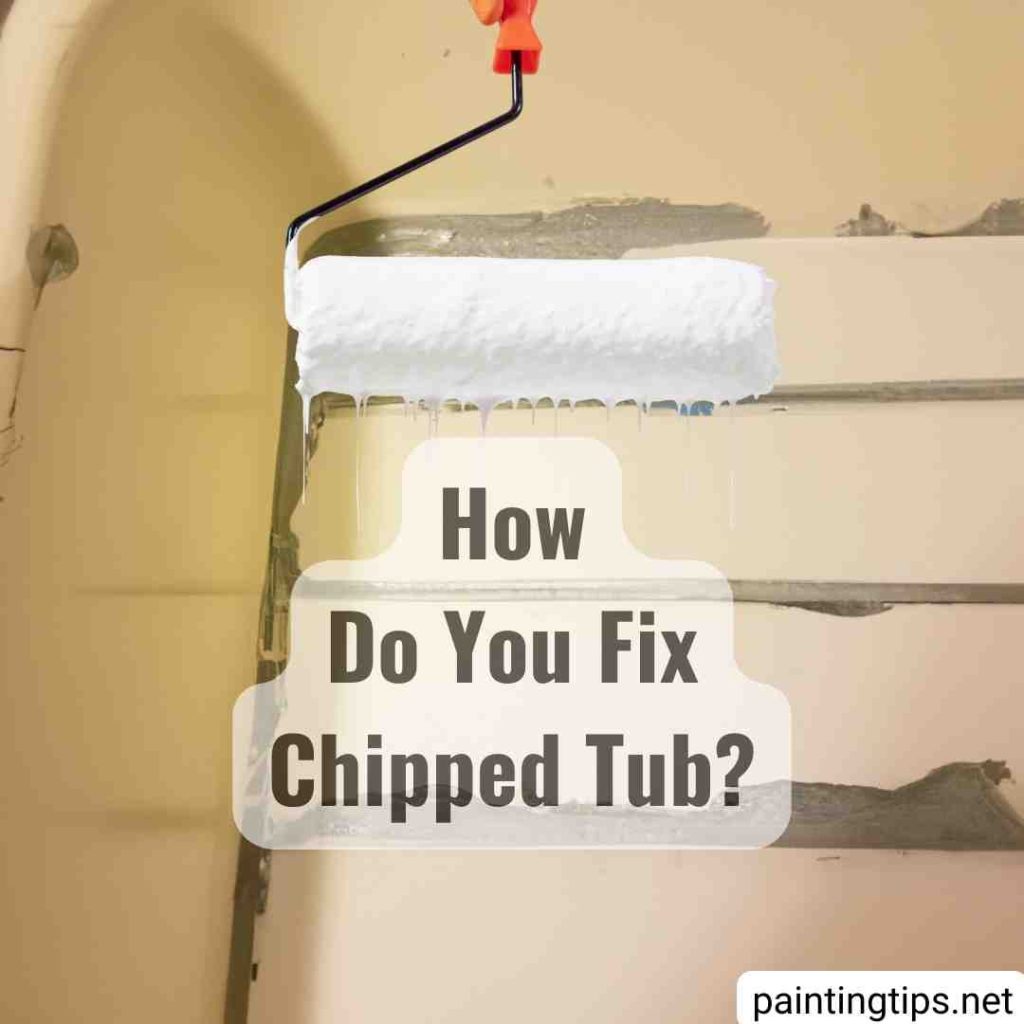
This step-by-step bathtub paint peeling repair method can help you fix a peeling bathtub and restore its original appearance. The method for repairing peeling bathtub paint depends on the condition of the existing coating. If the paint is severely peeling, you should remove as much loose paint as possible. Next, sand the uneven areas to create a smooth surface, then apply primer and repaint. If there are only small cracks, primer and paint can usually cover them. However, if the cracks are deep, you should fill them with epoxy or synthetic filler before applying primer and paint.
Proper surface preparation, high-quality paint materials, and correct application techniques are essential when repairing peeling bathtub paint. Since bathtubs are constantly exposed to hot water and moisture, careful preparation and precise application are necessary to prevent peeling from happening again. Follow the step-by-step instructions below to repair peeling bathtub paint effectively.
1-Prepare the Materials for Bathtub Paint Peeling Repair
Before starting, gather all necessary tools and materials to ensure a smooth repair process:
- Sanding sponge (medium and fine grit)
- Utility knife or scraper
- 1 kg epoxy primer
- 1 kg epoxy bathtub paint
- 1 kg epoxy clear coat (varnish)
- 0.5–1 kg epoxy or synthetic filler (depending on crack size)
- Short-nap paint roller (3–4 inch)
- Mixing container and stir stick
“Tip: Using high-quality, bathtub-specific epoxy products will significantly improve durability and water resistance.”
2-Prepare the Bathtub Surface
Carefully remove all loose and peeling paint. You can lift weakened paint by hand or use a utility knife to gently scrape it away. Do not leave any flaking edges behind, as new paint will not adhere properly to unstable areas. Once the loose paint is removed, lightly sand the edges to smooth the transition between the old coating and the exposed surface.
3-Fill Uneven and Damaged Areas
After removing the peeling paint, the surface may have uneven spots, chips, or shallow depressions. Fill these areas with epoxy or synthetic filler to restore a smooth, level surface.
Apply the filler evenly and allow it to cure completely according to the manufacturer’s instructions. In most cases, full curing takes approximately 24 hours. Once dry, sand the repaired areas until smooth.
4-Apply Primer
Priming is essential for proper adhesion, especially on glossy and previously painted bathtub surfaces. Apply a thin, even coat of epoxy primer over the entire repair area. This ensures strong bonding between the surface, filler, and new paint. Allow the primer to dry completely. Depending on the product, this typically takes 12 to 24 hours.
5-Prepare the Epoxy Paint
Epoxy paint is the best choice for bathtubs because it provides excellent resistance to hot water, moisture, and cleaning chemicals. Mix the epoxy paint components exactly according to the manufacturer’s ratio. Only prepare the amount you can use within the working time, as epoxy paint begins to cure after mixing. Approximately 1 kg of epoxy paint is usually sufficient for a standard bathtub.
6-Apply the First Coat
Using a short-nap roller, apply the first coat in a thin, even layer. Work slowly to avoid bubbles, drips, or roller marks. Ensure full coverage, but do not apply the paint too thickly, as this can affect curing and finish quality. Allow the first coat to dry completely.
7-Paint the Second Coat
Once the first coat has fully dried, apply the second coat using the same method. The second coat improves durability, appearance, and water resistance. Drying time between coats varies by product, but it is typically around 12 to 24 hours. Always follow the manufacturer’s recommendations.
8-Apply Epoxy Varnish
Although epoxy paint is durable, applying a clear epoxy topcoat provides additional protection. The clear coat improves scratch resistance and helps protect the surface from hot water, cleaning chemicals, and daily wear. Apply the clear coat in a thin, even layer after the paint has fully cured.
Warnings and Precautions
- Epoxy products have a limited working time after mixing. Always mix only the amount needed for each coat.
- For best results, follow the exact instructions provided by the product manufacturer, including mixing ratios, drying times, and curing periods.
- Avoid using the bathtub until the coating has fully cured. Full curing may take several days, depending on the product and environmental conditions.
- Properly applied epoxy coating can last for many years without peeling, especially when the bathtub is cleaned using non-abrasive products.
How Long Does Bathtub Paint Last After Repair and Refinishing?
When properly applied, epoxy bathtub paint can last between 5 and 10 years. The lifespan depends largely on surface preparation, product quality, and how the bathtub is used and maintained. Repairs where the surface was thoroughly cleaned, sanded, and primed tend to last much longer without peeling.
If you refinish peeling bathtub surfaces using high-quality epoxy coating and avoid abrasive cleaners, the new finish can remain smooth and durable for many years. Regular gentle cleaning and avoiding harsh scrubbing will help preserve the repaired bathtub paint and prevent premature peeling.
Frequently Asked Questions
Can Peeling Bathtub Paint Be Repaired?
Yes, peeling bathtub paint can be repaired successfully if the surface is prepared correctly. All loose and flaking paint must be removed, and the damaged areas should be sanded and smoothed before applying primer and epoxy paint. Many homeowners choose to refinish peeling bathtub surfaces instead of replacing the entire tub because refinishing restores the appearance at a much lower cost.
How Much Does Bathtub Paint Repair Cost?
The cost of repairing peeling bathtub paint depends on the materials and method used. Most DIY epoxy refinishing kits cost between $50 and $150. Professional refinishing services are more expensive, but repairing the bathtub yourself is a cost-effective solution that can still provide long-lasting results when done properly.
Is Epoxy Paint Permanent on a Bathtub?
Epoxy paint is not permanent, but it is one of the most durable options available for bathtub refinishing. When applied correctly, epoxy forms a hard, water-resistant coating that can last for many years. This is why epoxy is commonly used to refinish peeling bathtub paint and restore worn surfaces.
Is It Better to Refinish or Replace a Peeling Bathtub?
In most cases, it is better to refinish peeling bathtub surfaces rather than replace the tub. Refinishing is significantly more affordable and can restore the bathtub’s appearance and function. Replacement is usually only necessary if the bathtub has structural damage such as deep cracks, severe rust, or leaks that cannot be repaired.
How Do You Prevent Bathtub Paint From Peeling Again?
To prevent bathtub paint from peeling again, proper surface preparation and correct paint selection are essential. Always remove loose paint completely, sand the surface, and apply a high-quality epoxy primer before painting. Using epoxy bathtub paint instead of regular paint significantly improves durability. After refinishing, avoid abrasive cleaners and use only non-abrasive bathroom cleaning products. Proper care and gentle cleaning will help the new coating last longer and prevent future peeling.
