Painting galvanized metal isn’t the same as painting regular steel or something that’s already been painted. The zinc coating that keeps galvanized metal from rusting actually makes it tough for paint to stick—unless you prep it the right way. A lot of paint jobs go wrong just because people forget how different galvanized metal really is. In this guide, We’ll show you if you can paint galvanized metal, why paint tends to peel right off zinc, which primers and paints actually work, and how to handle each step so your paint job actually lasts.
How to Paint Galvanized Metal
Painting galvanized metal isn’t like painting wood or drywall. This surface is covered in zinc, which gives it that slippery, non-absorbent feel. The upside? Zinc protects the metal from rust. The downside? Paint doesn’t want to stick to it.
When you paint something like wood, the paint soaks in or grabs onto the rough spots. Galvanized metal doesn’t play by those rules. The zinc layer actually fights against paint sticking, so if you skip the right prep, the paint just peels or bubbles off before you know it.
Freshly galvanized metal is even trickier. It might still have oils, leftover chemicals, or salts from the factory. All of these get in the way and make things worse for paint adhesion. If you don’t handle this right, you can even mess up the zinc’s ability to protect the metal from rust.
There are other headaches too—paint can cure unevenly, react with the zinc and bubble, or just fail way too soon, especially outdoors. That’s why paint jobs on galvanized metal so often end up looking terrible fast. If you want the paint to last, you have to prep the surface a certain way, use a primer made for galvanized metal, and pick a paint that actually works on zinc. Otherwise, you’re just setting yourself up for disappointment.
Can Galvanized Metal Be Painted?
You can paint galvanized metal, but you have to prep it the right way. A lot of people run into problems because they treat it like any other steel, but galvanized metal acts differently and needs special attention. For a deeper understanding of proper surface treatment, see our guide on metal preparation for painting.
First, get the surface clean. Then treat it and use a primer that works with zinc. If you skip these steps, the paint won’t stick for long. But if you do it right, the paint holds up for years. Plus, you get better corrosion protection and it just looks nicer.
There’s another thing—new galvanized metal is trickier. It has protective coatings that make it harder for paint to stick. Older, weathered galvanized metal usually takes paint better. Knowing whether you’re working with new or old metal helps you pick the right prep method from the start.
Can You Paint Directly on Galvanized Metal?
Don’t paint straight onto galvanized metal without a primer. The zinc on the surface just doesn’t get along with most paints, especially oil-based ones. You’ll end up with peeling or the paint just flaking off.
Sure, the paint might look fine at first, but give it some time—rain, sun, and changing temperatures will wear it down fast. If you use it outside, you might see peeling in just a few months.
Some brands say their paint sticks right to galvanized metal, no problem. Still, you need to prep the surface and test it first. If you want the paint job to last, stick with a primer made for galvanized metal. It’s the best way to go.
What Is the Best Primer for Galvanized Metal?
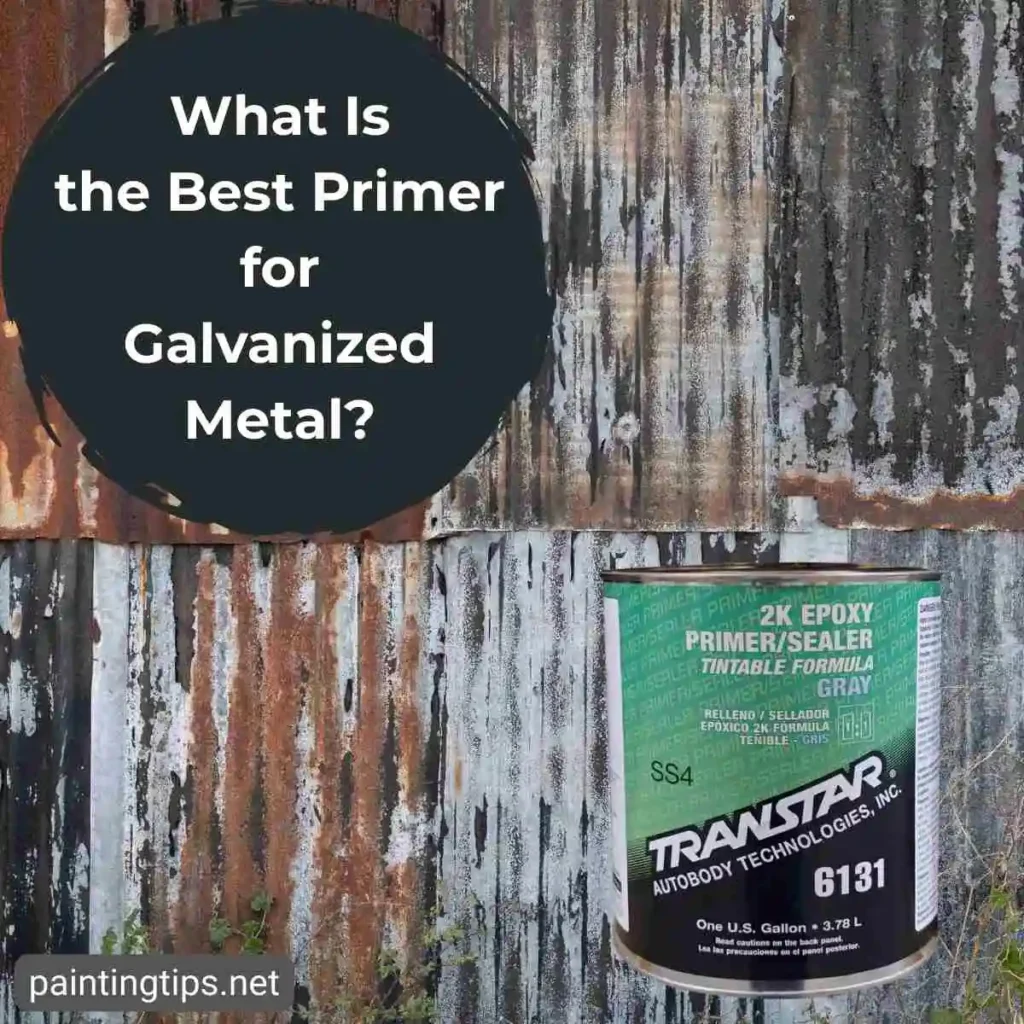
Picking the right primer makes all the difference when you’re painting galvanized metal. Regular primers just don’t work well with zinc-coated surfaces.
The best options? Go for etch primers that actually bond with the zinc, epoxy primers (you see these a lot on industrial or outdoor jobs), or primers made just for galvanized metal.
Skip oil-based primers unless the label says they’re okay for galvanized surfaces. Honestly, using the wrong primer is the main reason paint jobs peel or flake off galvanized metal.
Proper surface preparation is essential for long-lasting paint adhesion. While painting galvanized metal requires zinc-compatible primers, other surfaces follow different rules. To better understand when do I need primer, you can read our detailed guide.
What Paint Will Stick to Galvanized Metal?
So, what kind of paint actually sticks to galvanized metal? After you get the right primer on there, you’ve got a few solid options.
Acrylic latex paint works great, especially for home projects or anything DIY. If you need something tougher, polyurethane paint really holds up against the weather. For heavy-duty jobs—think industrial spaces or places that take a beating—epoxy paint is your go-to.
Oil-based paints are a bit tricky. Only use them if they’re labeled for zinc-coated surfaces. Otherwise, they just don’t last.
Painting Galvanized Metal: Step-by-Step Process for Proper Adhesion
Painting galvanized metal isn’t as simple as grabbing a brush and going for it. The zinc coating that keeps the metal from rusting also makes paint struggle to stick, so you need to do things in the right order if you want the paint to last.
- First, clean the surface. Get rid of any oil, dirt, or leftover zinc dust. A degreaser or mild soap does the trick—just make sure you rinse everything off with clean water and let it dry all the way.
- Next, check if the metal’s new. Sometimes there’s a thin layer that basically tells paint to stay away. If you can, let the metal sit outside for a few months, and nature will take care of that layer for you. If waiting isn’t an option, use a chemical etching solution to prep the surface.
- Now, you need a little texture. Galvanized metal is usually pretty slick, so lightly sand it or use an etching product to rough things up just a bit. Don’t go overboard, though—scratching through the zinc means you lose rust protection, which defeats the purpose.
- After that, grab a primer made for galvanized metal. This step matters most. Use an etch primer, epoxy primer, or anything that says it’s good for galvanized surfaces. Put on a thin, even coat and give it time to cure.
- Once your primer’s ready, you can paint. Pick a topcoat that fits your needs—acrylic latex, polyurethane, or epoxy-based paints all work, depending on the conditions the metal will face. Go with a few thin coats instead of one thick one. That way, the paint cures better and won’t peel or crack.
When you do it this way, the zinc keeps fighting off rust, and the paint gives you a solid, good-looking finish. Stick to these steps, and your galvanized metal should stay protected and sharp for years.
Common Mistakes to Avoid
- Skipping the primer
- Painting on dirty or greasy surfaces
- Using oil-based paints that don’t work with galvanized metal
- Slapping on paint too thick, too fast
- Rushing the drying time
Conclusion
Painting galvanized metal isn’t the same as painting any old surface—it takes more work, but the payoff’s big. That smooth zinc coating does a great job fighting off rust, but it doesn’t let paint stick unless you prep things the right way. When you know what you’re up against, pick the right primer, and stick to a solid painting routine, you end up with a finish that looks good and lasts. Plus, you get better protection against corrosion. So, take your time and do it right; your results will show it. “If you’re planning a similar project on outdoor structures, you may also find our guide on painting a tin shed helpful, especially for achieving long-lasting protection and a clean finish.”
