When it comes to painting walls, trim, or wood surfaces, one of the first decisions you’ll need to make is whether to use an oil-based or water-based paint. Each type has its own advantages and drawbacks, and understanding the differences is key to achieving the best results for your project. In this guide, we’ll break down the pros and cons of oil-based vs. water-based paint—from drying time and odor to durability and ease of application—so you can choose the right product with confidence.
Water Based vs Oil Based Paint
The chemistry behind these two products is fundamentally different, and that difference shows up in every stage of the job—from the moment you crack open the can to how the surface looks five years later.
Oil-based paints are built around synthetic resins carried by petroleum-derived solvents, most commonly mineral spirits. That solvent base is what gives oil paints their aggressive penetrating ability and rock-hard finish. It also means they’ll bond to almost anything without much surface prep. Water-based paints replace those solvents with water, which changes everything about how they behave—how long they take to dry, how they smell, how forgiving they are during application, and what you’ll need to clean your brushes afterward.
For most wall and interior wood projects today, water-based is the smarter starting point. But there are still situations where oil-based is the right call—and knowing the difference will save you from a costly redo. “If you’re working with bare wood rather than painted surfaces, our guide to oil-based vs. water-based stain covers the differences specific to wood finishing.”
1-Formula and Base Material
Open a can of oil-based paint and the smell tells you everything. Those fumes come from the mineral spirits carrying the resin—and that same solvent system is what makes oil-based paint stick so aggressively to almost any surface without much prep work underneath.
The downside is that you pay for it in other ways: slow drying, strong odor, and a cleanup process that involves paint thinner rather than your kitchen sink. Water-based paint works differently from the ground up. Water does the carrying, which keeps the formula cleaner, the fumes minimal, and the cleanup simple. For most people painting indoors, that combination is hard to give up once you’ve worked with it.
2-Flexibility
This is one area where water-based paints genuinely outperform oil-based over time. A water-based film stays flexible as it cures, which means it can move with the substrate beneath it—useful on wood surfaces that expand in summer and contract in winter.
Oil-based paints cure into a rigid film. On stable surfaces like metal or dense hardwood, that’s fine. On softer woods or any surface that flexes even slightly, that rigidity eventually becomes a liability. You’ll start seeing hairline cracks, especially along grain lines or edges, within a few years.
3-Color Durability
If you’re working with whites, off-whites, or any light color, stay away from oil-based paints. The resins in oil-based products oxidize over time and pull toward yellow—sometimes subtly, sometimes dramatically, depending on the product and how much UV exposure the surface gets. It’s not a defect. It’s just chemistry. Water-based formulas don’t have this problem.
They hold their original color far more reliably across the full spectrum, which is why they’ve become the default for interior walls and light-colored furniture finishes.
4-Coverage Over Dark Colors
This is an area where oil-based paints have traditionally held an advantage. Their denser resin content has historically given them strong hiding power over dark existing finishes. That said, it’s worth being clear: coverage is primarily determined by pigment concentration—particularly the amount of titanium dioxide in the formula—not simply by whether a paint is oil-based or water-based.
High-quality water-based paints today can match or exceed older oil-based formulas in this regard. Where oil-based still has a practical edge is consistency—even mid-range oil-based products tend to cover reliably, whereas water-based coverage varies more significantly between budget and premium options. If you’re going from dark to light with a mid-range water-based paint, plan for an extra coat or use a dedicated primer underneath. “Related article: Paint over dark colors without primer.”
5-Odor
There’s no polite way to put this: oil-based paints smell harsh. The solvent fumes are sharp, they spread fast in enclosed spaces, and they don’t dissipate quickly. Working in a room for a full day with oil-based product means serious ventilation—open windows, fans pushing air out, ideally a respirator.
The smell can linger in a space for several days after the job is done. Water-based paints are, by comparison, almost pleasant to work with. There’s a mild odor during application, but it fades quickly, and most people can work comfortably indoors without any special setup beyond cracking a window.
6-Drying Time
Oil-based paints need a minimum of 24 hours between coats—and that’s in good conditions, with low humidity and decent airflow. Push it earlier and you’ll trap solvents under the surface, which causes adhesion problems down the road.
Water-based paints dry to recoat in 2 to 4 hours under typical indoor conditions. On a weekend project, that’s the difference between finishing in one day versus stretching it across two or three.
7-Ease of Application
Water-based paints are more forgiving. They flow smoothly, brush marks tend to self-level reasonably well, and the shorter open time actually helps prevent lap marks from becoming a problem.
Oil-based paints have a longer open time, which experienced painters sometimes prefer for blending large surfaces—but for most people, that slower cure becomes a frustration rather than a benefit. Add in the fumes and the messy cleanup, and it’s easy to see why water-based has become the go-to for residential work. “Related article: How to paint a room fast and easy.”
8-Cleanup
Once water-based paint dries, it’s surprisingly resistant to everyday marks and spills. And while it’s still wet, soap and water handle everything—brushes, rollers, trays, drips on the floor.
Oil-based paint is a different story. You’ll need mineral spirits or paint thinner to break it down, both during cleanup and if you spill it somewhere you didn’t intend. That means more cost, more waste, and more care around disposal. “Related post: How to clean walls without streaks“
9-Availability
Walk into any paint store or home improvement retailer and you’ll find an extensive range of water-based paints in virtually every finish and color imaginable.
Oil-based options have become harder to source in certain regions as environmental regulations have tightened, with some formulations outright banned in specific states. They’re still available for specialized applications, but if you’re in a pinch and need to match something quickly, water-based is almost always the easier find. “Related post: Best interior paint for walls“
10-Surface Compatibility
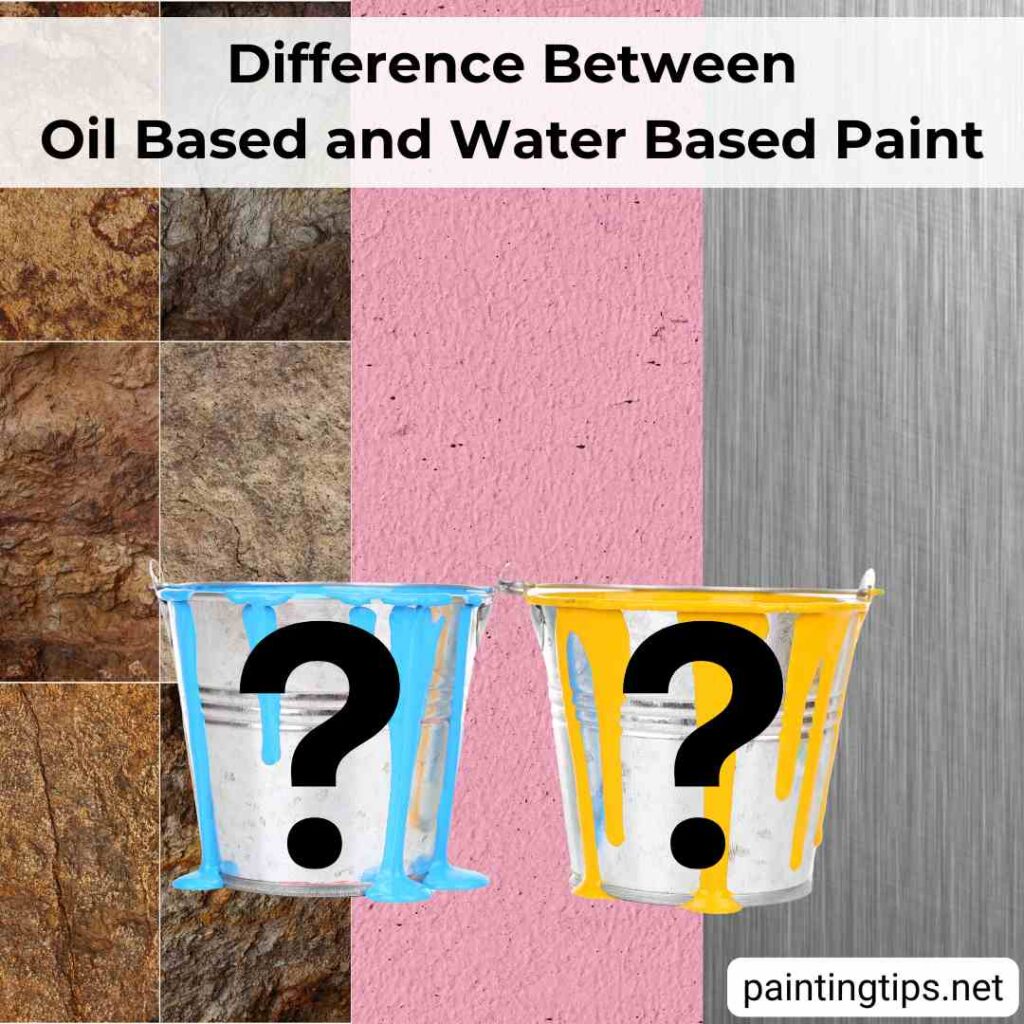
Oil-based paint is tolerant of imperfect surfaces. Glossy walls, previously painted trim, surfaces with unknown existing coatings—it tends to grip without making too many demands. One exception that’s worth knowing: if the surface underneath has a water-based coat that hasn’t fully cured yet, applying oil-based on top is asking for trouble. Dry to the touch isn’t the same as cured. Give it the full cure time before you go over it with anything oil-based.
Water-based paint is less forgiving in this regard. It needs a clean, matte, absorbent surface to bond properly. Skip the primer on a glossy wall and you’ll likely see the consequences within a year—peeling edges, uneven sheen, or both. The prep work isn’t extra credit with water-based paint. It’s the foundation the whole job rests on.
11-Durability
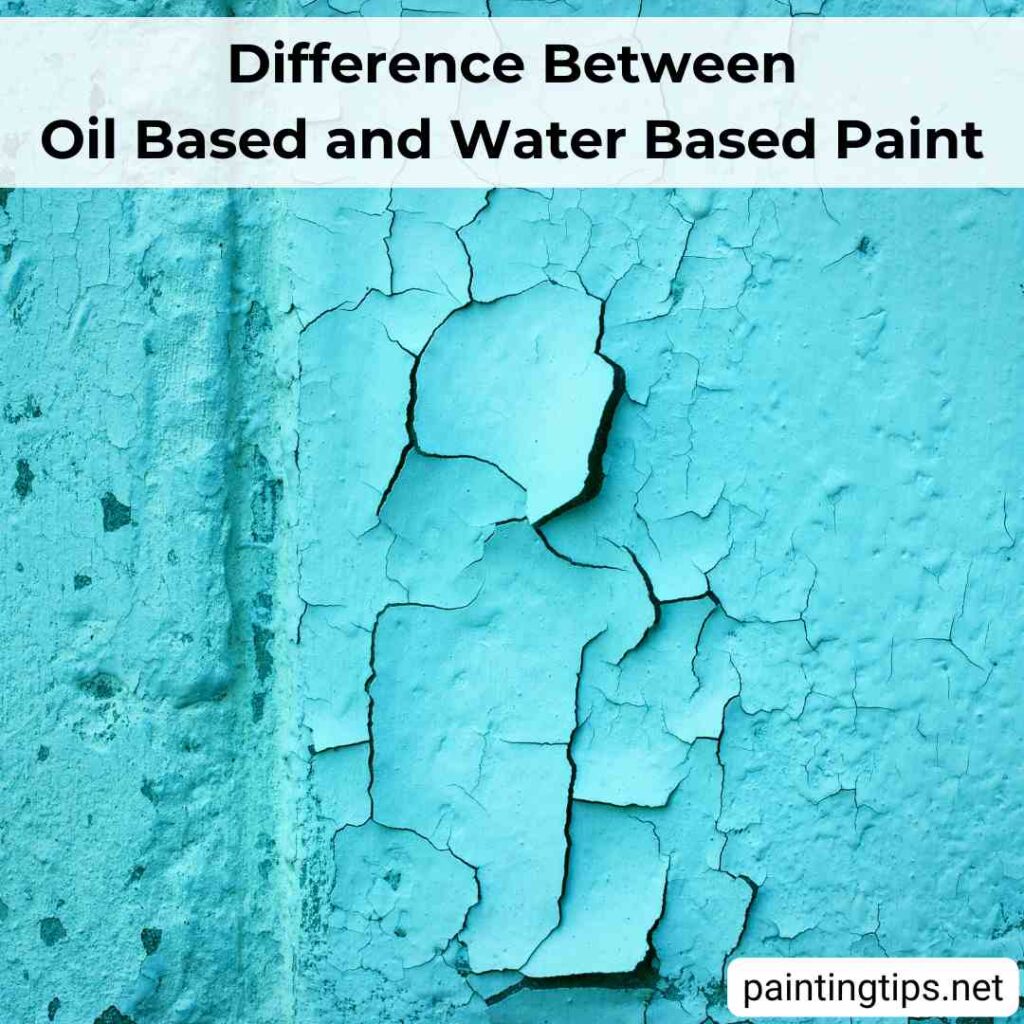
Oil-based paint cures harder than water-based, and that matters in certain situations. On a high-traffic floor, exterior trim taking direct sun and rain, or a surface that gets handled constantly, that harder film earns its reputation. It resists abrasion and moisture in ways that most water-based products still struggle to match consistently. Inside the house, on walls and woodwork that see normal use, the gap is much smaller than it used to be.
A quality water-based paint applied over proper prep will hold up for years without issue. The honest position is this: for demanding exterior or high-wear surfaces, oil-based is still the safer bet. For everything else, a good water-based product is more than capable.”Related post: How to fix chipped paint on wall“
12-VOC Levels
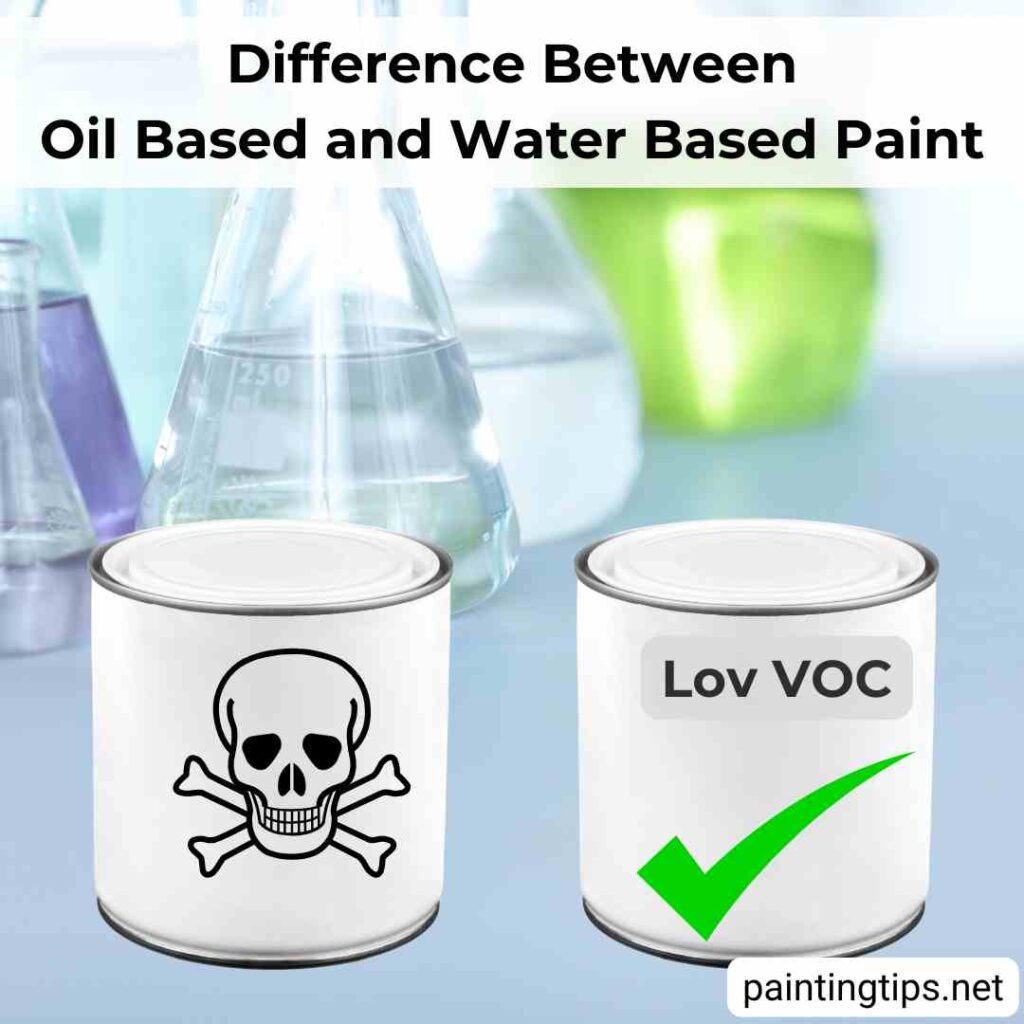
VOCs—volatile organic compounds—are the chemical gases that off-gas during and after application. High VOC levels affect indoor air quality, aggravate respiratory conditions, and contribute to environmental pollution. Oil-based paints carry significantly higher VOC loads, which is why ventilation requirements are strict and why many low-emission building standards now restrict or prohibit their use indoors.
Water-based paints are substantially lower in VOCs, making them the compliant and conscientious choice for occupied spaces, schools, healthcare environments, and any project where air quality is a consideration. “Related article: How to remove lead paint.”
13-Finish Quality
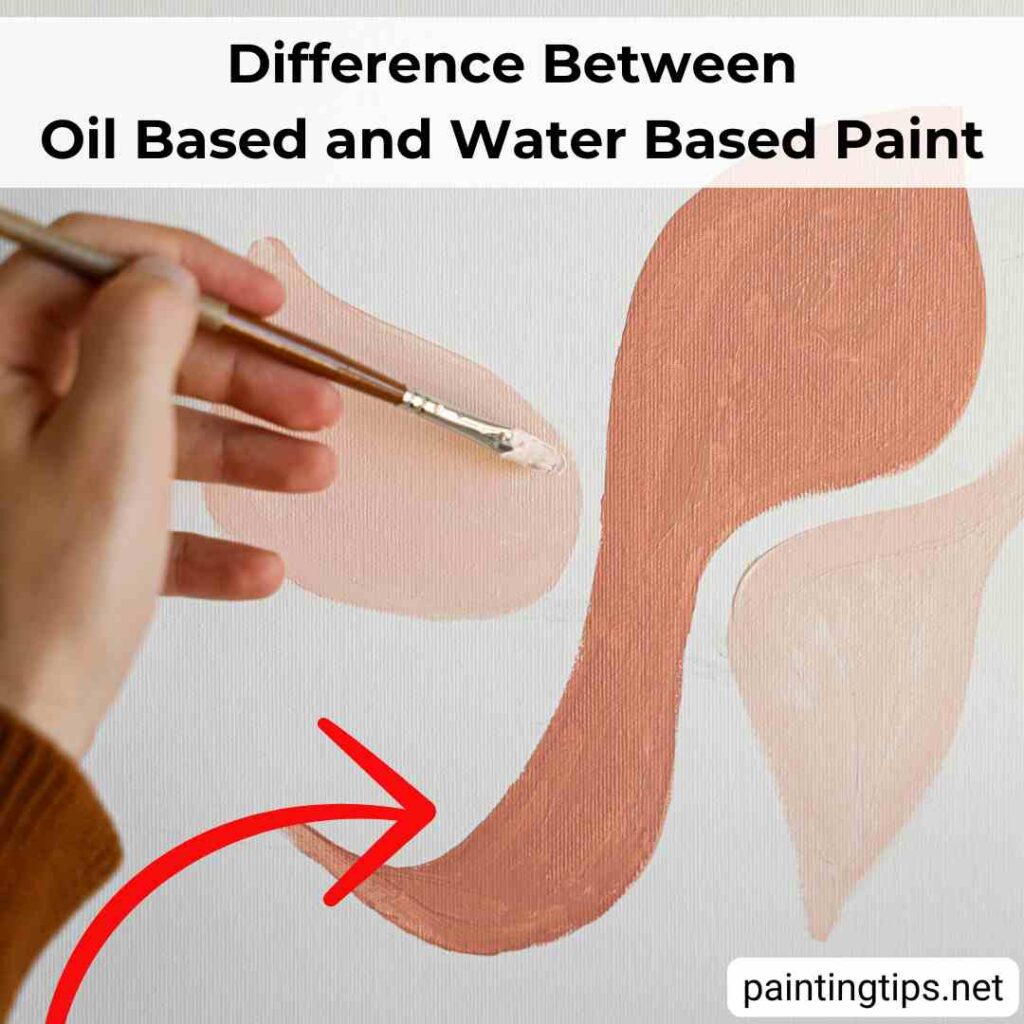
Oil-based paints have long been the benchmark for a flawlessly smooth, high-gloss finish. The way the solvents flow out during curing produces a level surface that’s hard to replicate by hand with water-based products—which is why oil-based has historically dominated on cabinetry, trim, and fine furniture. That gap has narrowed.
High-quality water-based enamels can now produce an impressive finish with the right application method and surface preparation. But if you need a truly glass-smooth result on a high-visibility surface, oil-based still has the edge in experienced hands.
14-Maintenance and Long-Term Care
Durability at installation is only part of the story. What happens when the surface inevitably needs touching up? With water-based paints, a fresh coat bonds readily to an existing water-based layer, making touch-ups clean and consistent.
Oil-based finishes are harder to spot-repair—the sheen and film thickness differences between old and new coats tend to be more visible, requiring more blending work. On the other hand, oil-based surfaces resist soiling better over time, so they may simply need touch-ups less frequently in the first place.
Frequently Asked Questions
We answer the most frequently asked questions about oil-based and water-based paints below. For any other questions, feel free to use the comment section.
What Are The Disadvantages Of Oil-Based Paint?
Oil-based paints dry slowly, smell harsh, and require solvent-based cleanup. Their high VOC content creates air quality concerns, and over time the resins yellow and become brittle. They’re also more expensive than water-based alternatives, which makes them hard to justify for most interior projects.
What Are The Disadvantages Of Water-Based Paint?
Coverage can be inconsistent over dark colors, often requiring extra coats or a primer. Water-based paints are also less forgiving over glossy or poorly prepped surfaces and can struggle to cure properly in cold or very humid conditions.
What Lasts Longer, Oil-Based Or Water-Based Paint?
Oil-based paint has traditionally lasted longer in demanding conditions—heavy traffic, exterior exposure, persistent moisture. On interior walls and surfaces that see moderate use, though, modern water-based paints are close enough in durability that the difference rarely matters in practice.
When Should You Use Oil-Based Paint?
When the surface demands a hard, moisture-resistant finish—exterior trim, metal doors, railings, and high-traffic floors. It’s also the safer choice when painting over an existing oil-based surface where adhesion is a concern.
What Is The Main Advantage Of Using Water-Based Paint?
It’s easier to use in every way: fast drying, low odor, simple soap-and-water cleanup, and lower VOC levels. It also holds color without yellowing over time, which is a real performance advantage, not just a marketing claim.
Which Is Better, Oil-Based Or Water-Based Paint?
For most projects, water-based is the better all-around choice—faster drying, easier cleanup, better color retention, and increasingly competitive durability. Oil-based still wins on exterior trim, metal, and high-traffic surfaces where a hard, moisture-resistant finish is non-negotiable. Know which situation you’re in before you decide.
Why Do People Use Oil-Based Paint?
For the finish. Oil-based paint self-levels beautifully on trim, cabinetry, and doors, producing a smooth, hard surface that’s difficult to match with water-based products. It also bonds aggressively to difficult surfaces and holds up under conditions that would wear through a lesser film.
Why Don’t People Use Oil-Based Paint Anymore?
Stricter VOC regulations made traditional high-solvent formulas illegal in many regions, while water-based technology improved enough to cover most of what oil-based once did exclusively. Add in the slow drying, harsh fumes, and solvent cleanup, and the case for everyday use simply collapsed. It hasn’t disappeared—it’s been pushed into specialist territory where it actually belongs.
Why Do Painters Prefer Oil Paint?
Because on the right surface, the results are hard to argue with. The self-leveling finish on trim and cabinetry is exceptional, the longer open time gives more control when blending, and it grips surfaces—weathered wood, bare metal, unknown coatings—that water-based products struggle with.
