Pen marks on walls are one of those household problems that seems minor until you’re standing there trying to figure out how to remove them without making things worse. The good news is that most pen ink—ballpoint, gel, and felt-tip—responds well to common household products. The challenge is knowing which ones are safe on painted walls and how to apply them without stripping the finish or leaving a dull patch where the mark used to be. This guide covers the most effective methods for removing pen ink from walls without damaging the paint, along with honest guidance on what to avoid.
How Do You Get Pen Ink Off the Wall
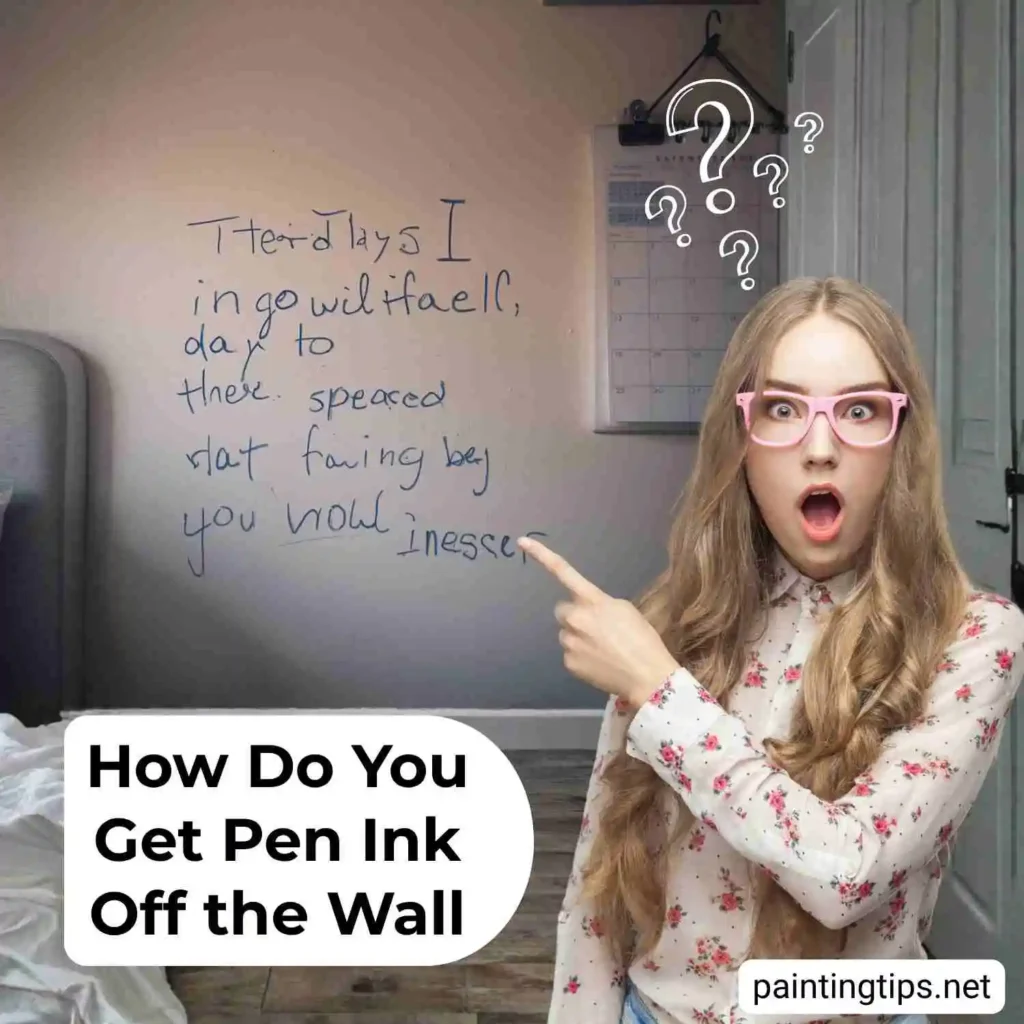
The approach that works best depends on two things: the type of pen ink and the type of paint on the wall. Ballpoint pen ink is oil-based and responds well to alcohol-based products. Gel pen ink is water-based and often lifts more easily. Felt-tip and marker ink varies—some formulas respond to alcohol, others need a different approach.
Paint finish matters just as much. Flat and matte paints are the most vulnerable to damage from cleaning products and friction—even gentle scrubbing can leave a shiny patch that’s more visible than the original mark. Satin and eggshell finishes are more forgiving. Gloss and semi-gloss are the most resistant to both ink and cleaning products, which makes them the easiest surfaces to work with.
The golden rule with any method: test on an inconspicuous area first—behind furniture or inside a closet door. Apply the product, wait, wipe, and check the paint finish before committing to the visible stain. A small test patch takes two minutes and can save you from a larger repair job.
Work in small, controlled motions throughout. Dabbing rather than scrubbing is the consistent recommendation across every method below—scrubbing spreads the ink and risks damaging the paint surface, while dabbing lifts it without lateral movement that disrupts the finish.
Ballpoint Pen Ink: What Makes It Different
Ballpoint pen ink is oil-based, which is why it bonds to painted surfaces more stubbornly than water-based inks. On smooth, gloss-painted walls it tends to sit on the surface and responds quickly to alcohol-based products. On flat or matte painted walls, the ink can penetrate slightly into the finish, which makes removal more involved and increases the risk of finish damage during cleaning.
For fresh ballpoint marks, rubbing alcohol or hand sanitizer applied immediately is usually sufficient. For dried or set marks, a slightly longer dwell time—15 to 20 seconds before dabbing—gives the solvent more time to break down the ink before you lift it. Understanding this distinction is what separates a clean result from a smeared one.
Rubbing Alcohol
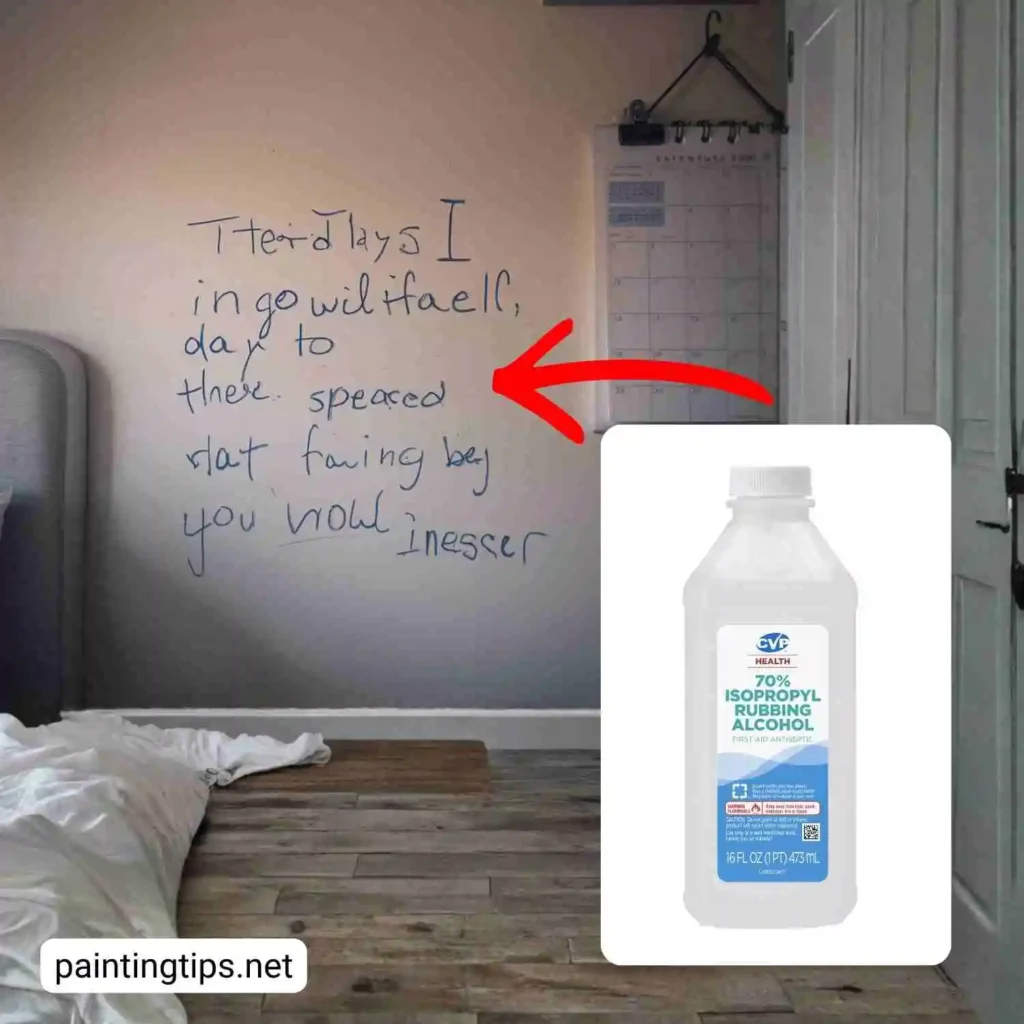
Rubbing alcohol is the most reliable first option for ballpoint pen ink on painted walls. It dissolves the oil-based ink quickly and is gentle enough on most paint finishes when used correctly.
Dampen a clean cloth with rubbing alcohol—don’t saturate it—and dab the mark with small, controlled motions. You’ll typically see the ink begin to transfer to the cloth within the first few applications. Continue dabbing with a clean section of cloth until the mark is gone, then wipe the area immediately with a damp cloth to remove any alcohol residue. Leaving alcohol on the wall longer than necessary can dull the paint finish, particularly on flat and matte surfaces.
Don’t rub or scrub—the temptation is to work harder when progress feels slow, but lateral friction is what causes paint damage. Dab, lift, move to a clean section of cloth, repeat.
Ball Pen Ink Remover
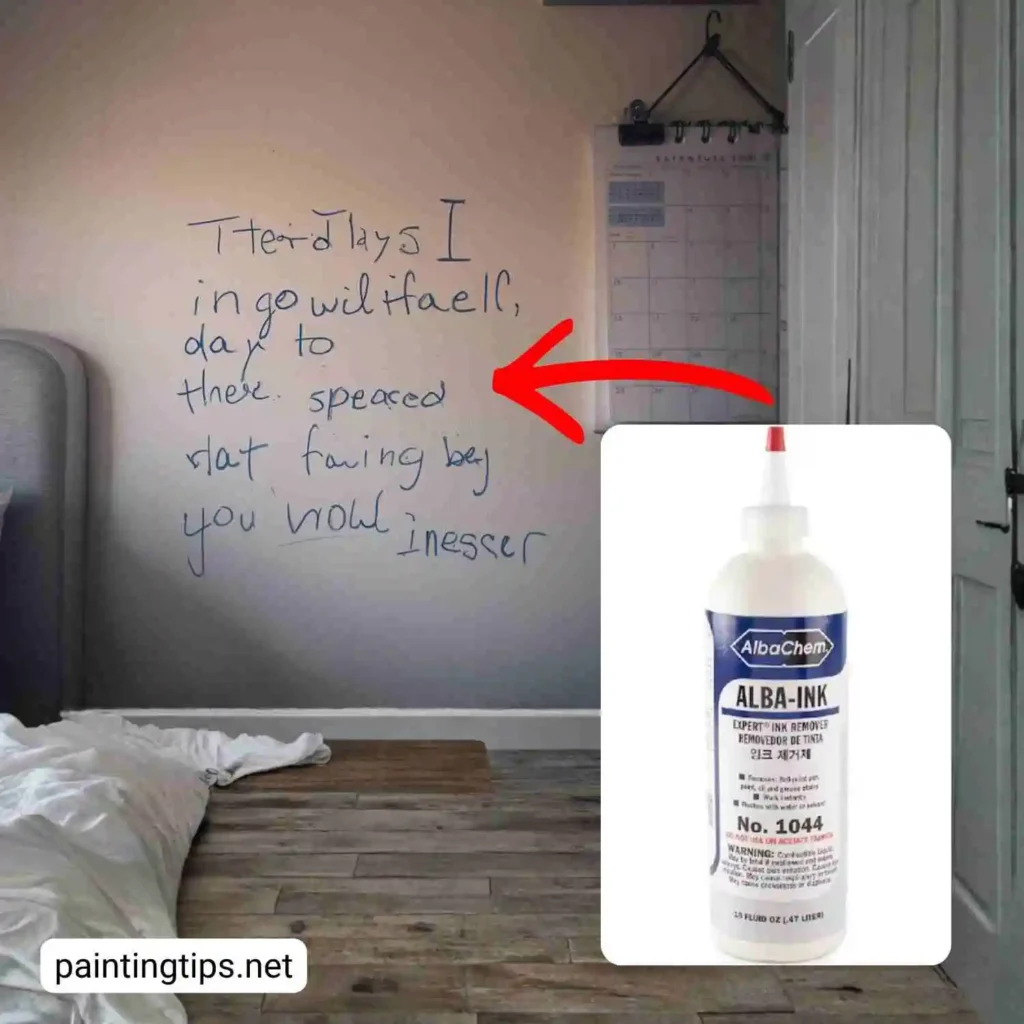
Purpose-made ballpoint pen ink removers are available at office supply stores and online, and they’re worth knowing about—particularly for stubborn or dried marks that household products haven’t fully shifted. These products are formulated specifically to dissolve oil-based ballpoint ink without the broad solvent action of lacquer thinner, which makes them more targeted and generally safer on paint finishes than general-purpose solvents.
Apply a small amount to a clean cloth and dab the mark using the same controlled technique as with rubbing alcohol. Follow the product instructions for dwell time—most recommend wiping within 30 to 60 seconds to avoid any effect on the paint beneath. Wipe with a damp cloth immediately after the ink lifts. As with any product, test on a hidden area first, particularly on flat or matte paint where the finish is most vulnerable to any solvent contact. “If you’re dealing with pencil marks rather than pen, the approach is different—our guide on how to get pencil off a wall covers the right methods for that.”
Hairspray
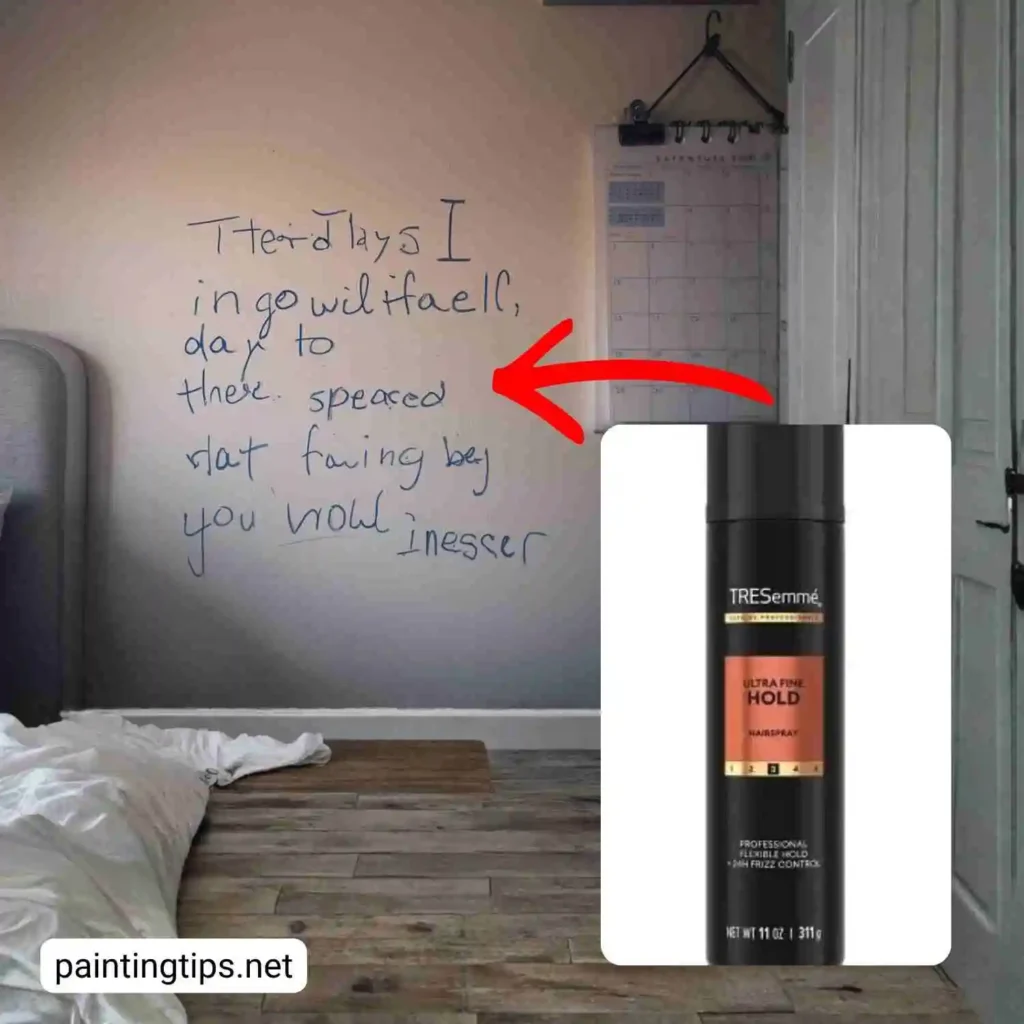
Many hairsprays contain alcohol, which makes them effective on pen ink for the same reason rubbing alcohol works. The alcohol content varies significantly between products—older formulations tend to contain more, while many modern hairsprays have reduced alcohol levels that make them less effective for stain removal.
For small marks, spray a small amount onto a clean cloth and dab the ink in the same way as rubbing alcohol. For larger marks, spray directly onto the wall surface, wait 10 to 15 seconds, then wipe with a clean cloth. Follow immediately with a damp cloth to remove residue. The sugars and other compounds in hairspray can leave a sticky film on the wall if not wiped away promptly, which attracts dust and can be harder to remove than the original stain.
Mr. Clean Magic Eraser
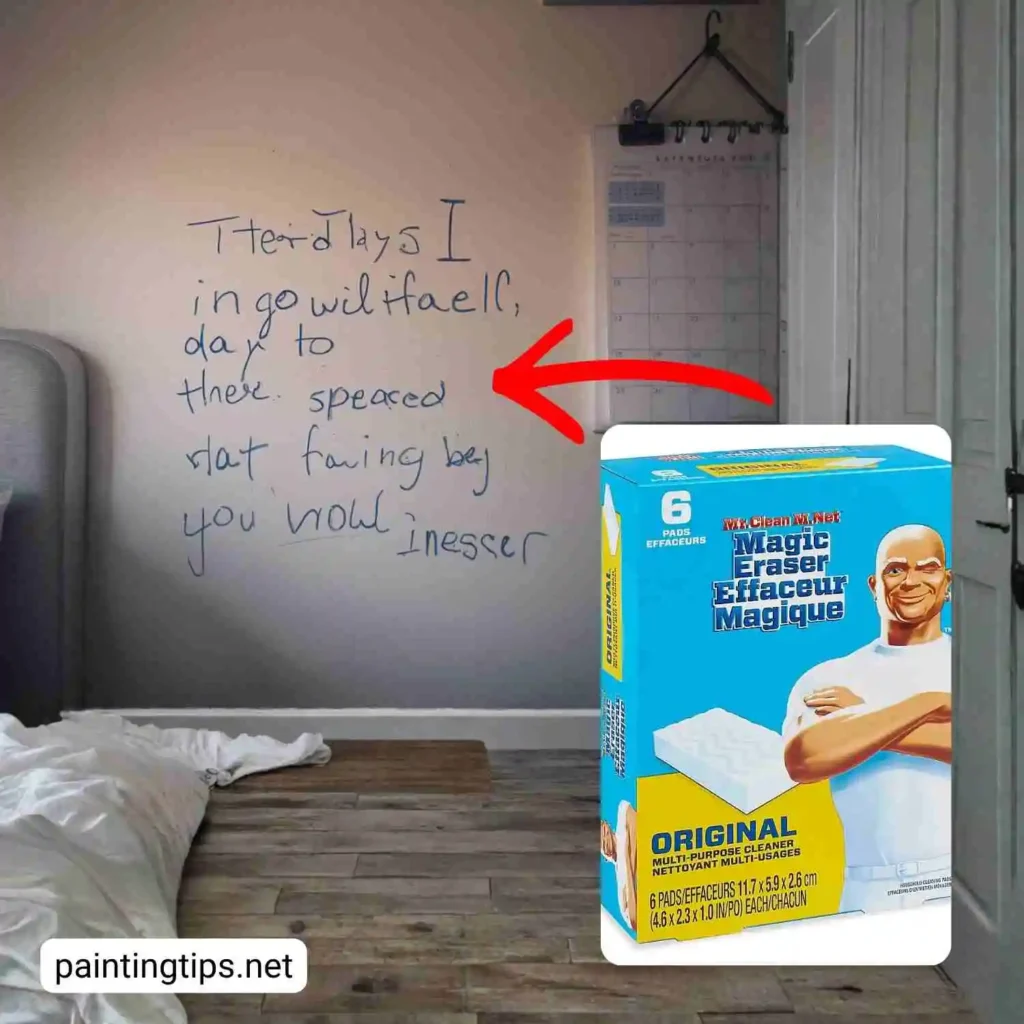
A Magic Eraser works differently from the other methods here—it’s a micro-abrasive foam that physically lifts the ink from the surface rather than dissolving it chemically. It’s highly effective on pen marks and requires no additional products, just water.
Dampen the eraser, squeeze out excess water, and rub the mark with light to moderate pressure. It will remove the ink reliably, but the abrasive action means it can dull gloss finishes and visibly affect matte paint if used too aggressively. Use the lightest pressure that gets results, and check the finish as you go. On flat or matte paint, this method carries more risk than alcohol-based approaches—consider it a second option if gentler methods haven’t worked.
Hand Sanitizer
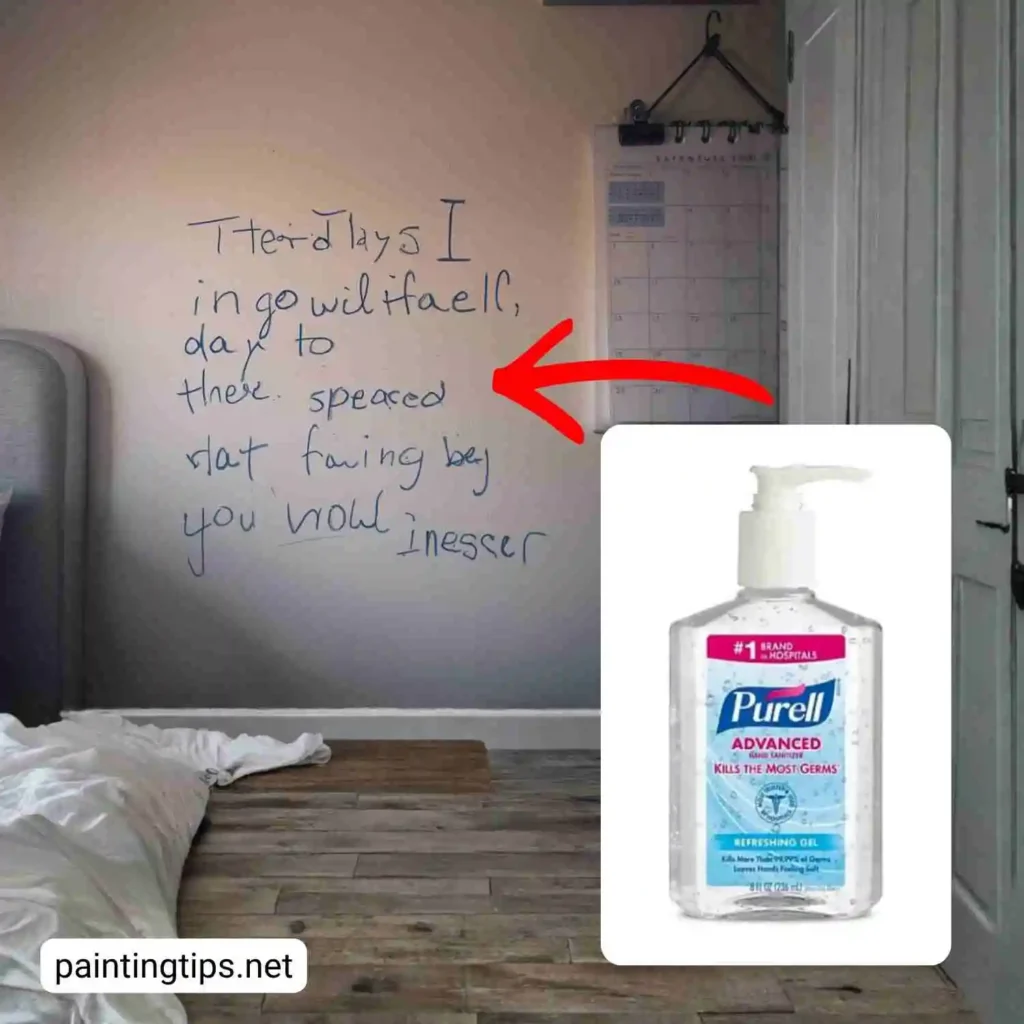
Hand sanitizer works on pen ink for the same reason rubbing alcohol does—most formulas contain 60 to 70 percent isopropyl or ethyl alcohol as the active ingredient. The gel consistency actually makes it slightly easier to control on vertical surfaces than liquid rubbing alcohol, since it stays in place rather than running.
Apply a small amount to a clean cloth and dab the mark, working with the same controlled motions as with rubbing alcohol. Wipe away with a damp cloth immediately once the mark is lifted. The non-alcohol components in hand sanitizer—moisturizers, thickeners—can leave a faint residue if not wiped promptly, so the follow-up wipe matters.
Baking Soda Paste
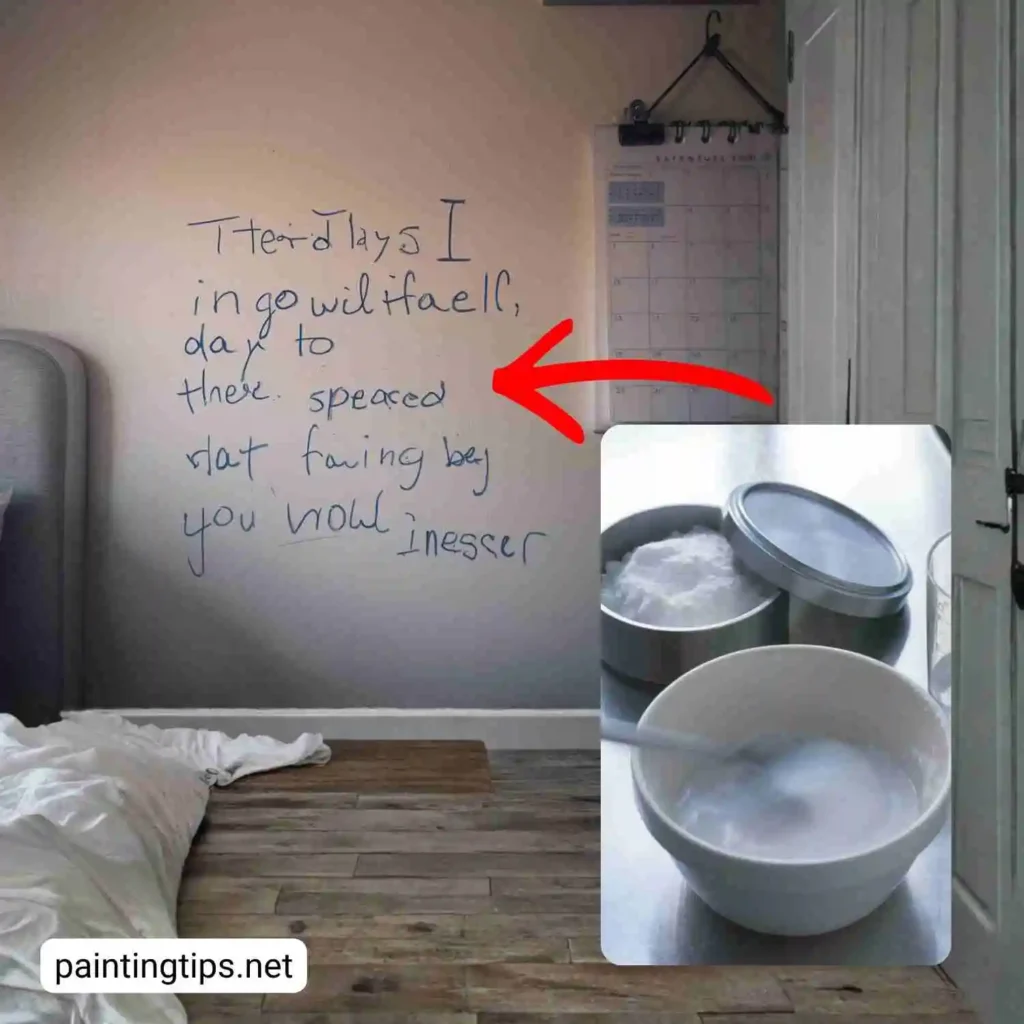
Mix three parts baking soda with one part water to form a paste. Apply a small amount to the mark with a damp cloth and rub gently in small circles. The mild abrasive action of the baking soda lifts the ink without the chemical action of solvents, which makes it a lower-risk option on delicate or flat paint finishes.
This method works best on fresh or light marks. For set ballpoint ink, it may take several applications to see significant progress. Wipe away the paste residue with a clean damp cloth after each application and check the paint finish as you go.
White Toothpaste
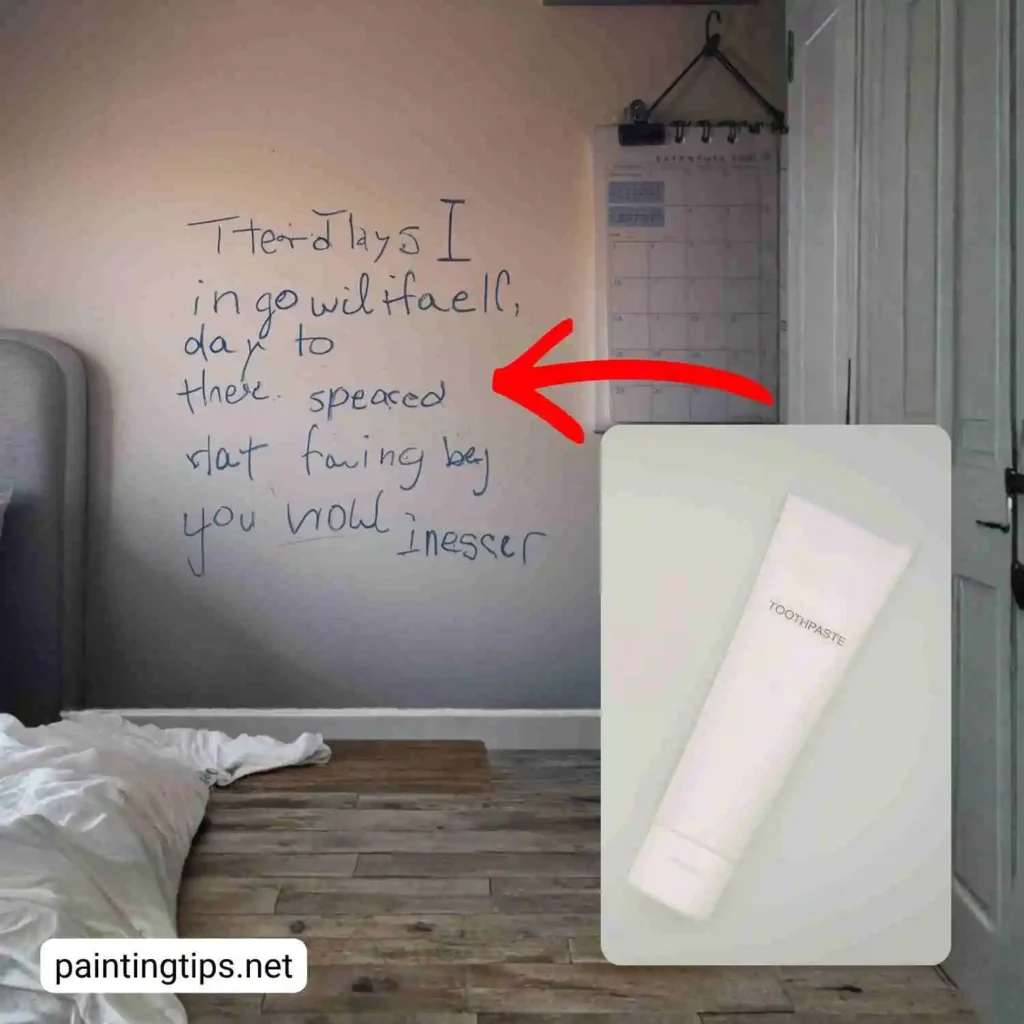
Non-gel whitening toothpaste works on pen marks through the same mild abrasive action as baking soda. Apply a small amount directly to the mark and work it in gently with a damp cloth. Allow it to sit for 5 to 10 minutes—the longer dwell time helps loosen the ink before you wipe. Remove with a clean damp cloth.
Use only plain white toothpaste—gel formulas don’t have the same abrasive properties and are largely ineffective on ink stains. Colored toothpastes can leave their own stain on the wall.
Baby Wipes
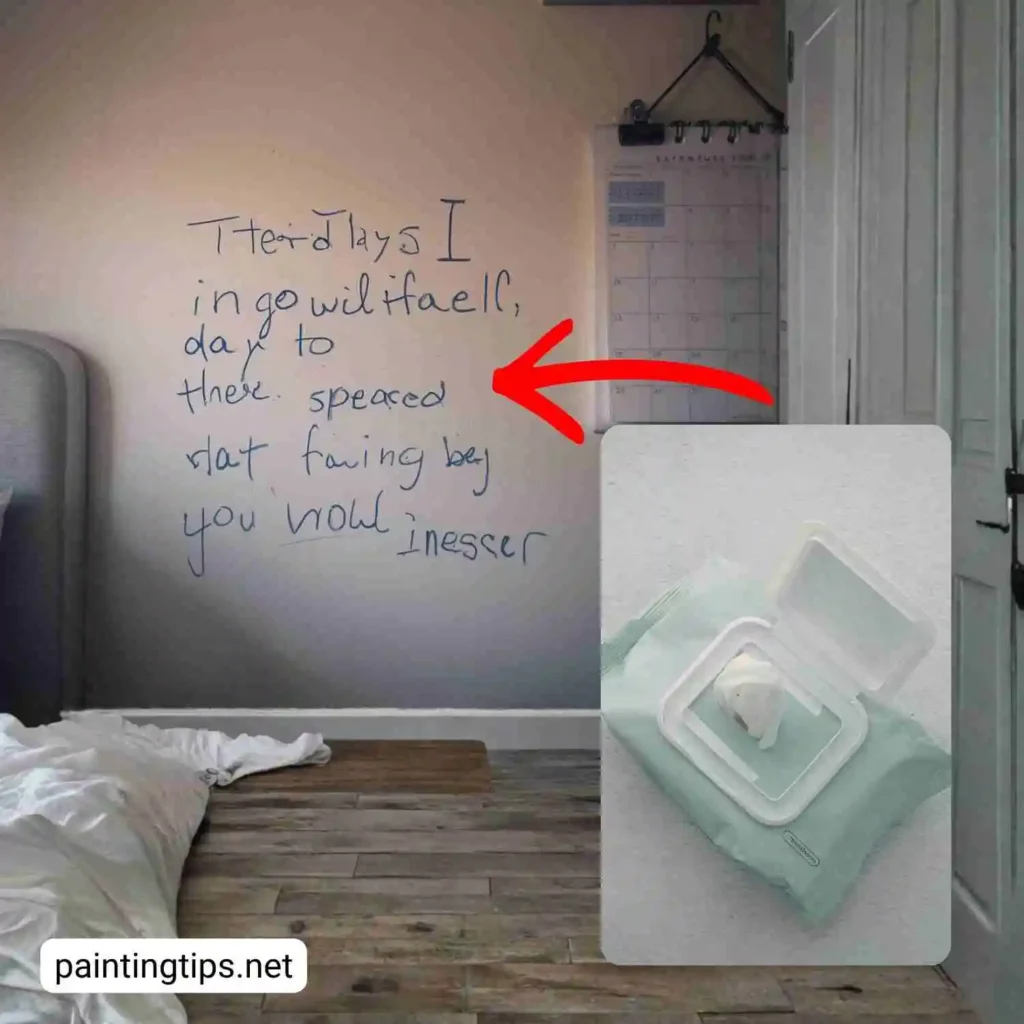
For fresh, light pen marks—the kind a child has just made rather than one that’s been there for weeks—a standard baby wipe can be enough. The mild cleaning agents and moisture in a baby wipe lift surface-level ink without any risk to the paint finish. It’s worth trying first on any fresh mark before reaching for stronger products.
On dried or heavier marks, baby wipes won’t have sufficient cleaning power. Move to one of the alcohol-based methods instead.
Lacquer Thinner
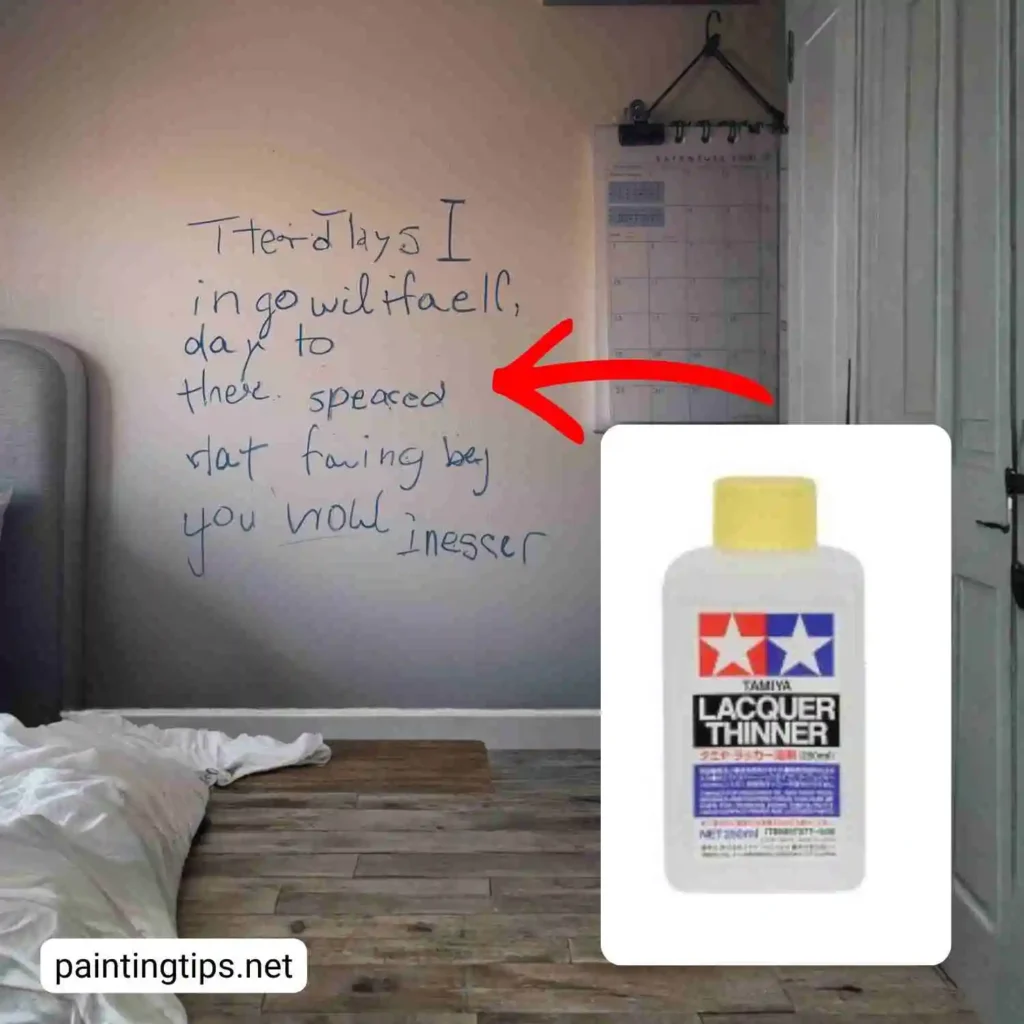
Lacquer thinner will remove pen ink from walls, but it’s the most aggressive option here and carries the highest risk of paint damage. It should be the last resort after gentler methods have failed.
If you use it, dampen a cloth lightly—don’t soak it—and dab the mark without applying pressure. The thinner works quickly, so check progress after a few dabs rather than working continuously. Follow immediately with clean water applied with a damp cloth. Even with careful application, lacquer thinner can dull or slightly discolor paint, particularly on flat and matte finishes. Test on a hidden area first and accept that some finish alteration is possible.
“If you’re wondering how far lacquer thinner can go on painted surfaces, our article on does thinners remove paint explains exactly what to expect.”
Warnings and Precautions
- Don’t leave any cleaning product on the wall longer than necessary. Even gentle products can dull or soften paint if left to sit—apply, wait briefly, wipe, and follow with a damp cloth every time.
- Avoid WD-40 for pen ink on walls. It can lift some stains but leaves an oily residue that’s difficult to remove from paint and attracts dust over time.
- Don’t use paint stripper or chemical paint remover. These will remove the ink along with the paint beneath it.
- Nail polish remover with acetone is too aggressive for most painted walls—it can strip the finish entirely, particularly on latex paint.
- Scrubbing too hard with any method is the most common cause of visible damage after cleaning. A shiny patch on matte paint or a dull patch on gloss paint is often harder to address than the original pen mark. Always use the minimum pressure needed.
- For general wall cleaning that won’t damage the paint finish, our guide on how to clean walls without paint coming off is worth reading before you start.
When Nothing Works: Touch Up the Paint
If the mark won’t lift completely—or if cleaning has left a dull patch or slight discoloration on the wall—a small paint touch-up is often the cleanest solution. It takes five minutes and produces a better result than continuing to scrub a stubborn stain.
Use the original wall paint if you have it. Apply a small amount with a fine brush, feathering the edges outward so the patch blends into the surrounding surface rather than sitting as a visible square. On flat and matte finishes, touch-ups blend almost invisibly. On satin and gloss finishes, there may be a slight sheen difference between old and new paint—applying a thin second coat over a slightly larger area helps minimize this.
If you don’t have the original paint, scrape a small chip from an inconspicuous area—inside a closet or behind a door—and take it to a paint store for matching. A physical chip gives the most accurate result. “For other types of stains on painted walls—crayon, marker, grease, or scuff marks from spray paint, acrylic, latex, or oil-based paint—our paint removal guides cover the right approach for each.
What Removes Pen Ink Off Walls?
Rubbing alcohol is the most reliable starting point for most pen ink types on painted walls. Hand sanitizer and hairspray work on the same principle. For physical removal without solvents, a Magic Eraser or baking soda paste are effective alternatives. The right choice depends on the paint finish and how long the mark has been there.
Can Pen Ink Be Washed Off a Wall?
Plain water alone won’t remove ballpoint pen ink—the oil-based formula doesn’t dissolve in water. Water-based pen inks, like some gel pens and certain felt-tips, may respond to a damp cloth if the mark is fresh. For most pen ink, an alcohol-based product or mild abrasive is needed.
What Removes Dried Pen Ink?
Dried pen ink is harder to remove than fresh marks because the ink has had time to bond with the paint surface. Rubbing alcohol with a longer dwell time—apply, wait 15 to 20 seconds, then dab—is usually the most effective approach. For stubborn dried marks, a Magic Eraser or baking soda paste applied in multiple rounds can make gradual progress.
Does Hand Sanitizer Remove Ink?
Yes. The high alcohol content in most hand sanitizers makes them effective on pen ink, and the gel consistency is easier to control on vertical wall surfaces than liquid rubbing alcohol. Apply to a cloth rather than directly to the wall, dab rather than rub, and wipe with a damp cloth promptly after the ink lifts.
Can Toothpaste Remove Pen Ink?
Non-gel whitening toothpaste can, yes—it works as a mild abrasive that lifts ink from the surface. Apply a small amount, allow it to sit for a few minutes, and remove with a damp cloth. It’s more effective on lighter or fresher marks than on heavy or dried ink. Gel toothpaste doesn’t have the same effect.
Does Baking Soda Remove Ink Stains?
As a paste mixed with water, baking soda can lift pen ink from painted walls through mild abrasion. It’s a gentler option than alcohol-based products, which makes it a reasonable choice on delicate paint finishes. It works best on fresh or light marks—set ballpoint ink may need multiple applications and patience.
How to Get Pen Off Walls with Hairspray
Spray a small amount onto a cloth rather than directly onto the wall for controlled application. Dab the mark, allow the alcohol in the hairspray 10 to 15 seconds to work, then wipe with a clean cloth. Follow with a damp cloth to remove the sticky residue that hairspray leaves behind. Modern hairsprays with lower alcohol content may be less effective—if you have an older aerosol formula, it’s more likely to work.
Are Pen Stains Hard to Remove?
Ballpoint pen ink on smooth, satin, or gloss paint is usually straightforward to remove with rubbing alcohol. The difficulty increases with flat and matte paint finishes, older or dried marks, and heavy application. The finish type is the biggest factor—what cleans easily off semi-gloss may damage flat paint even with gentle technique.
