Rust can weaken metal quickly if it isn’t treated the right way. In this guide, we focus on proven methods that truly remove rust from metal, explaining which techniques permanently eliminate corrosion and which options only clean rust off metal temporarily. By clearly separating effective solutions from surface-level fixes, this article helps you choose the right method based on rust severity and achieve results that actually last.
How to Remove Rust From Metal
Before you start trying to remove rust from metal, it’s important to know how serious the rust is. Surface rust is easy to tackle, but if it’s gone deeper, you’ll need stronger methods to get rust off metal completely. Light rust can often be wiped away, but stubborn or heavy rust needs more effort to eliminate rust from metal and keep it from coming back.
Think about your goal: do you just want to clean rusty metal quickly, or do you want to get rid of metal rust for good? Many ways to clean rust off metal will make it look nice for now, but unless you protect the surface after you strip rust from metal, it will return fast. For lasting results, you need to not only clean rust from steel or other metals but also seal them afterward—otherwise, you’re only doing a temporary fix.
Here’s the main idea: For long-term protection, use chemical rust converters or sand and grind to take rust off of metal, then coat it to protect the surface. For a fast solution, things like vinegar, citric acid, or penetrating oils can dissolve rust on metal, but they won’t prevent it from coming back.
1-Chemical Rust Removers (Phosphoric-Acid–Based Products)
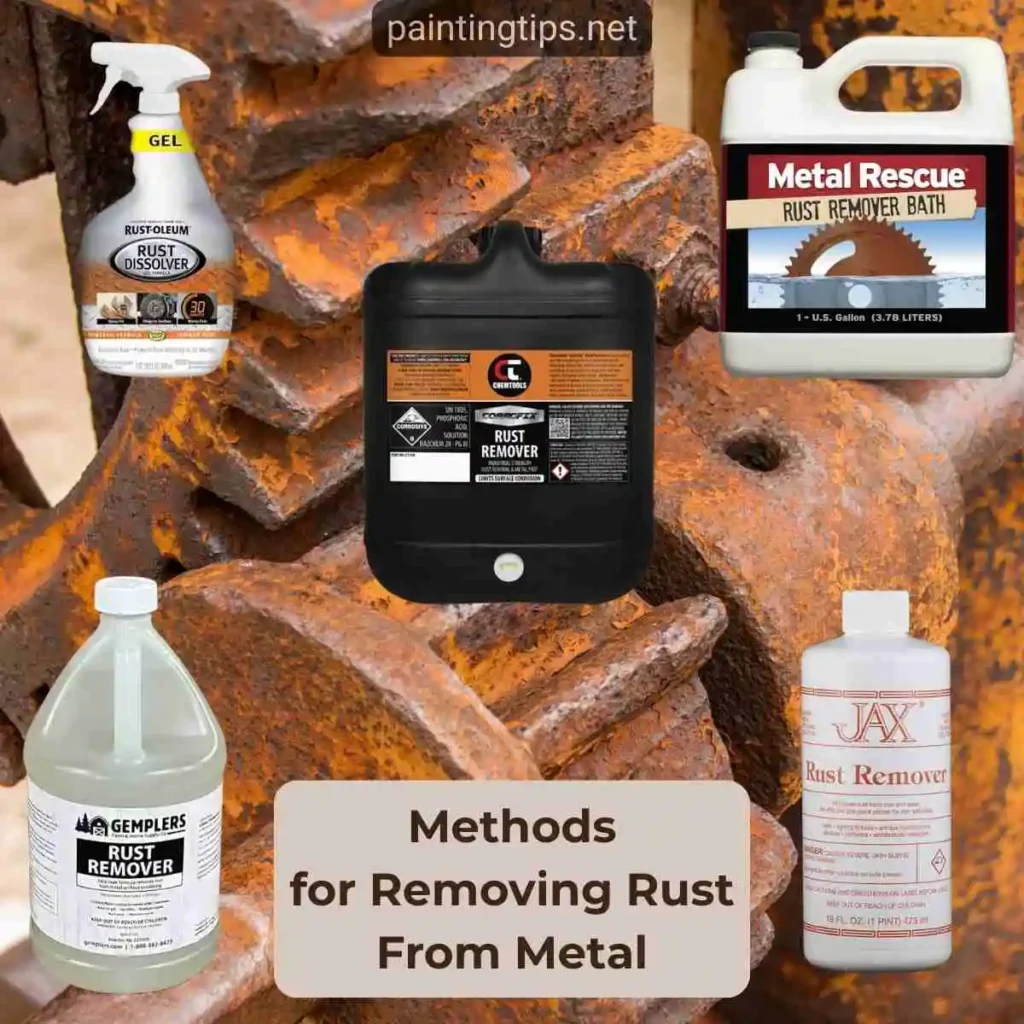
If you want to dissolve rust on metal quickly, phosphoric acid-based products are some of the best. They react with iron oxide to either break it down or convert it into a stable layer you can paint over.
Popular brands like Loctite Naval Jelly, Rust-Oleum Rust Dissolver, CRC Rust Remover, and Evapo-Rust are easy to find. These are often used in auto shops and for cleaning rusty metal on outdoor equipment. Naval Jelly, in particular, works well on vertical or heavily rusted areas.
These chemical options are best for moderate to severe rust. But after you use them to clean rust off metal, you must rinse and seal the surface right away. Leaving it bare means the rust can return in hours, especially if it’s humid.
2-Mechanical + Chemical Combo (Best for Pros)
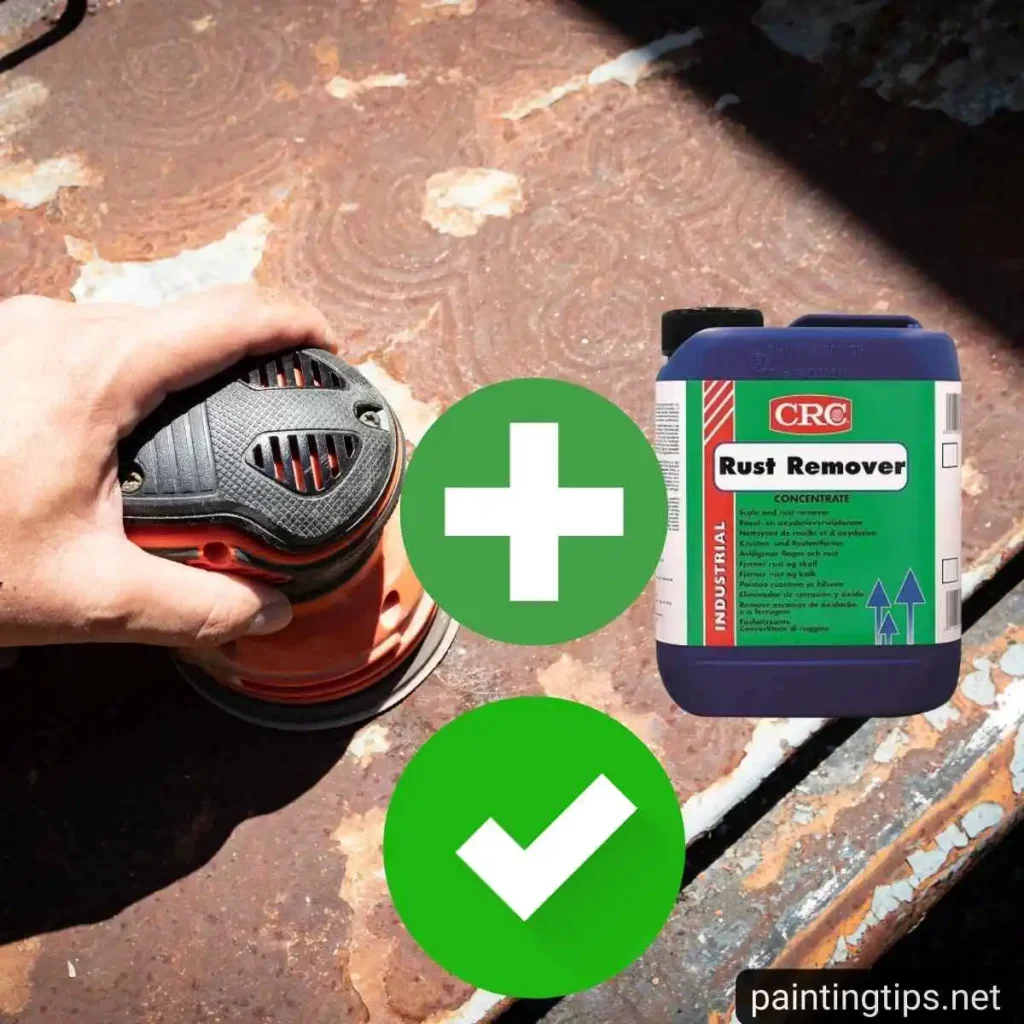
The most effective way to get rid of metal rust is to combine physical and chemical methods. First, use a wire brush, sandpaper, or grinder to strip rust from metal and expose any deep corrosion.
Once you’ve removed the loose rust, apply a chemical rust converter like Rust-Oleum Rust Reformer, Eastwood Rust Converter, or Permatex Rust Treatment. This two-step approach is what professionals use to clean rust from steel tools, car frames, and outdoor metal. It’s reliable and gives results that last.
3-Electrolysis Method
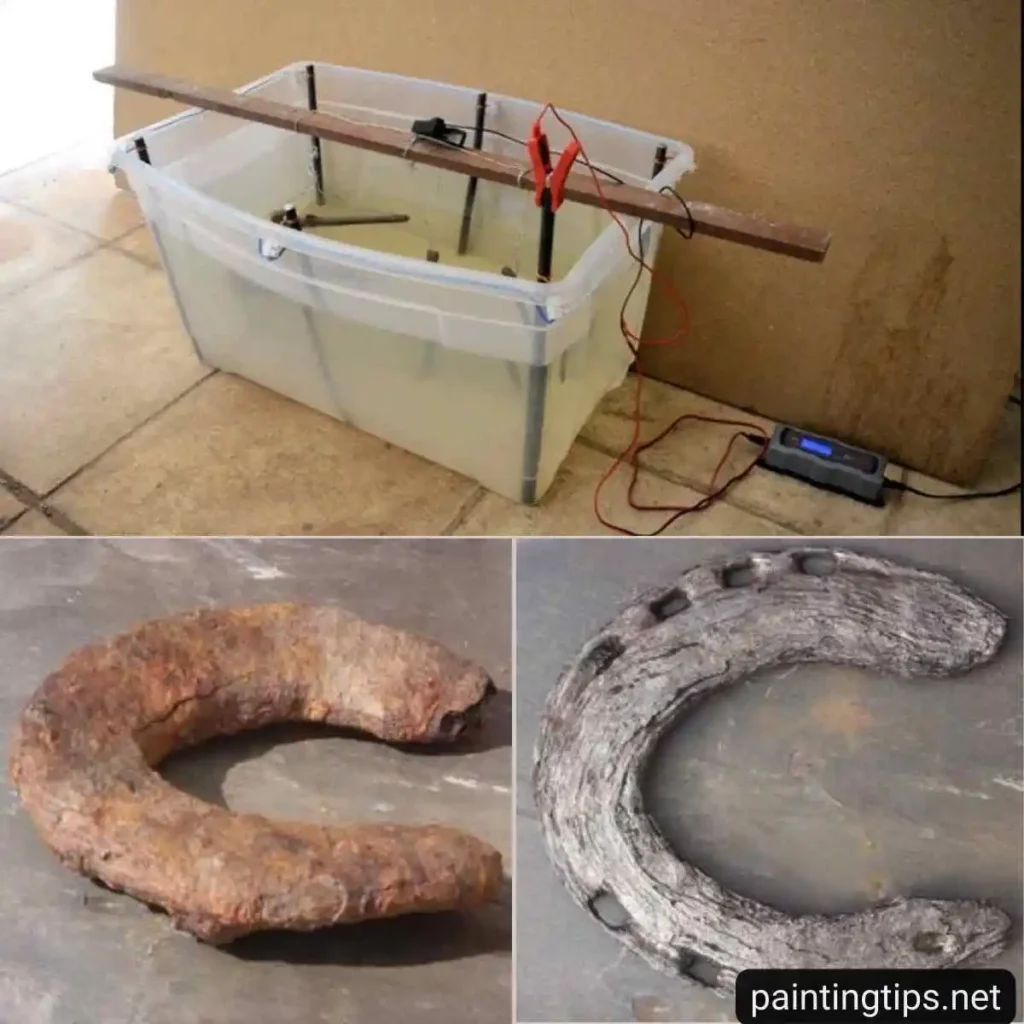
Electrolysis is a clever method to clean rust off metal, especially for delicate or detailed pieces where you don’t want to scratch the surface. You’ll need a plastic tub, water mixed with washing soda, scrap steel as an anode, and a battery charger. Attach your rusty item as the cathode, turn on the power, and watch as the rust loosens and can be brushed away.
This technique is great when you need to get rust off metal with deep corrosion or unusual shapes. The supplies are cheap, but you do need to be comfortable with basic wiring. Electrolysis is ideal for old tools or hardware, but not large flat items.
4-Citric Acid
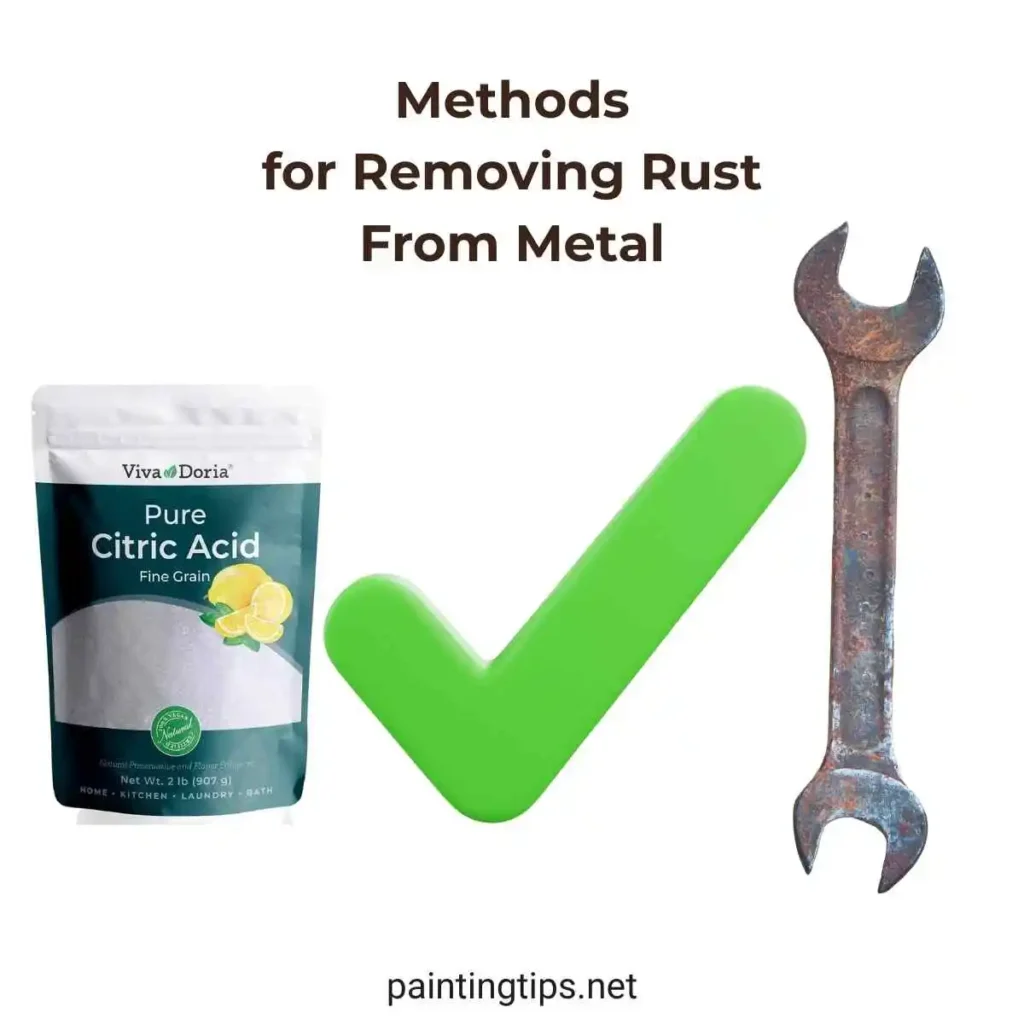
Citric acid is a gentle but reliable way to clean rusty metal. You can find citric acid powder at grocery stores, health food shops, or brewing stores.
Just mix the powder with warm water, soak your rusty parts, and wait—anywhere from a few hours to overnight depending on the level of rust. After soaking, scrub, rinse, and dry right away to remove rust from metal. If some rust remains, repeat the process, but avoid soaking too long to prevent etching the metal.
5-Vinegar Rust Removal
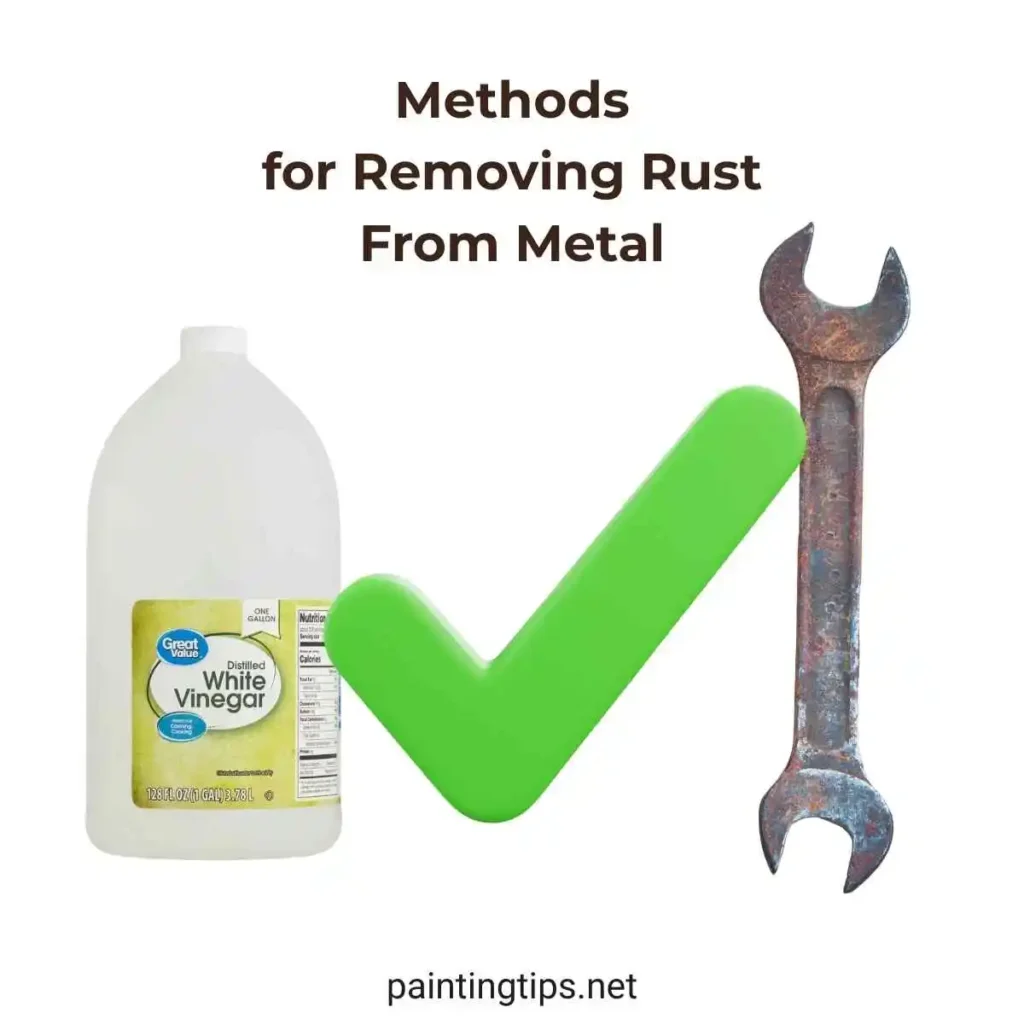
Vinegar is a common household solution to clean rust off metal using acetic acid. It’s best for light rust and small pieces.
Use distilled white vinegar for consistency. Soak your metal for a few hours, scrub off the rust, rinse, and dry thoroughly. Vinegar works well for a quick fix to take rust off of metal, but if you leave the surface unprotected, rust can return quickly. For anything you want to keep rust-free, always finish with a protective coating.
Whether you want to clean rust off metal for a quick refresh or eliminate rust from metal for good, the method you choose makes all the difference. For lasting results, always follow up with a protective layer after you get rust off metal.
Rust Removal Alternatives
You’ll find a lot of tips online about how to clean rust off metal using things like lemon juice and salt, or even cola. While these can make rusty metal look a little better, they don’t really get rid of metal rust in any meaningful way. These methods are more about temporarily improving the appearance or buying time rather than actually taking rust off of metal.
- Lemon juice with salt has mild acid, so it might help clean rust from steel if it’s just a light surface patch, but it won’t do much for deeper corrosion.
- WD-40 or other penetrating oils can sometimes loosen stuck parts or clean rusty metal so it looks nicer, but they don’t actually dissolve rust on metal.
- Trying baking soda paste or pouring cola on rusty spots might help you scrub off some grime and make it look cleaner, but don’t expect it to strip rust from metal completely.
Final Takeaway
If you really want to eliminate rust from metal and get rid of metal rust for good, you need something stronger. Chemical rust removers are the best way to remove rust from metal. Physically sanding, grinding, or using electrolysis (especially for delicate items) will actually clean rust off metal and provide longer-lasting results.
Household products like vinegar or citric acid can help dissolve rust on metal, but you have to protect the metal afterward to keep rust from coming back. The best way to clean rust from steel depends on how severe the rust is, what kind of metal you’re dealing with, and how long you want the results to last.
Once the rust is fully removed, proper surface preparation is essential for long-lasting results. Learn the key steps in preparing metal for painting to ensure strong paint adhesion and prevent rust from returning.
Frequently Asked Questions
What Quickly Removes Rust from Metal?
Phosphoric-acid–based rust removers quickly remove rust from metal by chemically breaking down iron oxide. These products dissolve rust on metal within minutes and work best after loose rust is brushed off.
Does WD-40 Remove Rust From Metal?
WD-40 can help loosen and lift light surface rust, making it easier to clean rust off metal, but it does not fully remove heavy rust. It works best as a penetrant and short-term corrosion inhibitor.
What Dissolves Rust But Not Metal?
Chelating agents and mild acids, such as citric acid and phosphoric acid, dissolve rust on metal without significantly attacking the base metal when used as directed. Products like Evapo-Rust are designed specifically for this purpose.
Will Vinegar Remove Rust from Metal?
Yes, vinegar can remove light to moderate rust from metal by dissolving iron oxide through acetic acid. It helps clean rusty metal but must be followed by rinsing, drying, and protection to prevent rust from returning.
