That cloudy white ring after a hot mug, pizza box, or skillet isn’t a burn in the wood—it’s moisture trapped in the finish. It shows up as a pale, milky haze on tables, desks, and other finished furniture. Below we walk through seven practical ways to remove heat stains from wood and clear white heat marks from tables and furniture, plus finish-specific safety tips for polyurethane, lacquer, oil finishes, veneer, and laminate.
How to Remove Heat Stains From Wood
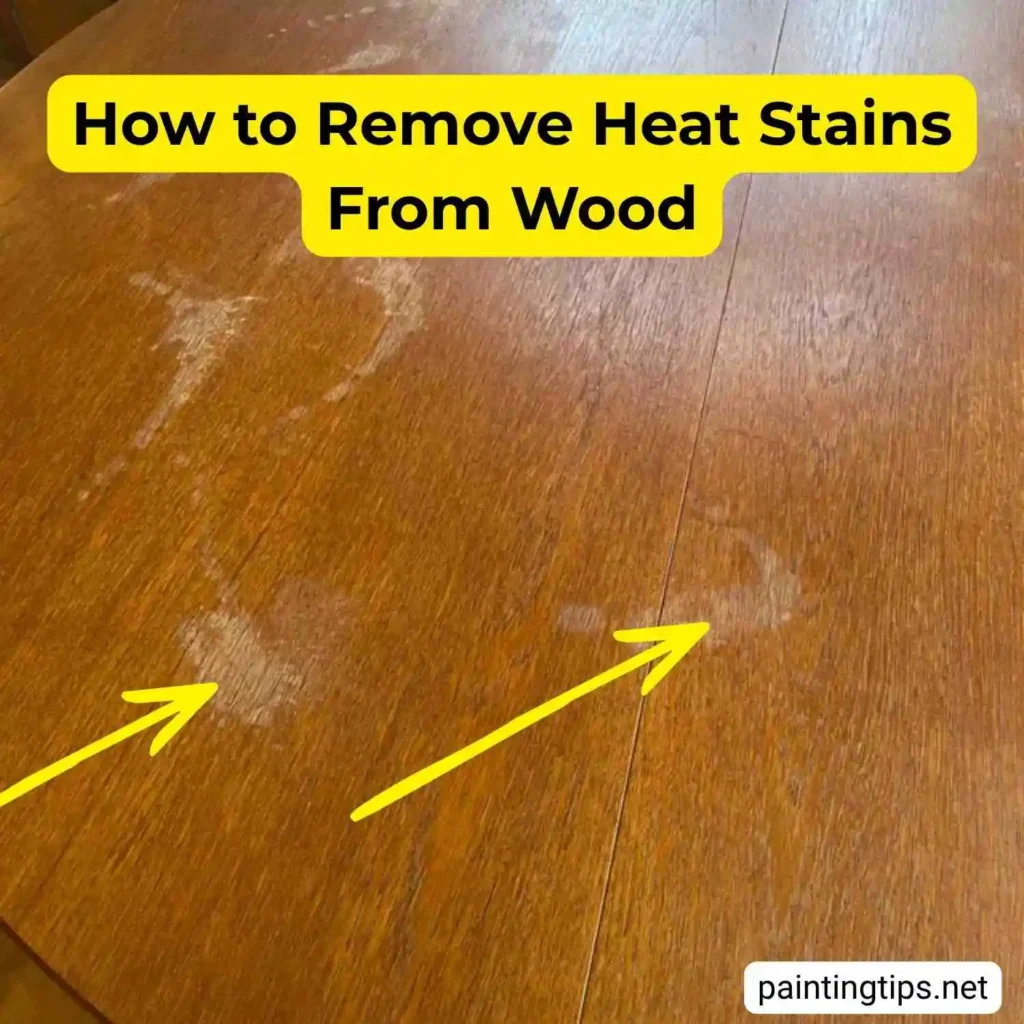
Those pale, cloudy marks aren’t burns in the wood itself—they’re moisture trapped in the finish after a hot mug, pan, or pizza box softens the topcoat and lets humidity get locked in as it cools. You’ll see them on lacquer, varnish, polyurethane, and even thin veneers or laminate-covered MDF.
The fix sounds backward, but gentle heat is the key. Warming the surface reopens the finish just enough for that trapped moisture to escape, then the topcoat re-hardens clear. Keep the temperature low, keep the tool moving, and stop if the wood feels hotter than you can comfortably touch; a hair dryer on low is the safest starting point, and a warm iron with a cloth barrier is the next step for larger or older marks.
What You’ll Need
- Hair dryer (low heat setting)
- Clothes iron (steam OFF)
- Clean cotton towel or T-shirt (as a barrier)
- Microfiber cloths
- Optional: mayonnaise or petroleum jelly
- Optional: plain white non-gel toothpaste + baking soda
- Optional: white vinegar + olive oil
- Optional: finish restorer (for blending only)
1-Hair Dryer (Core Method)
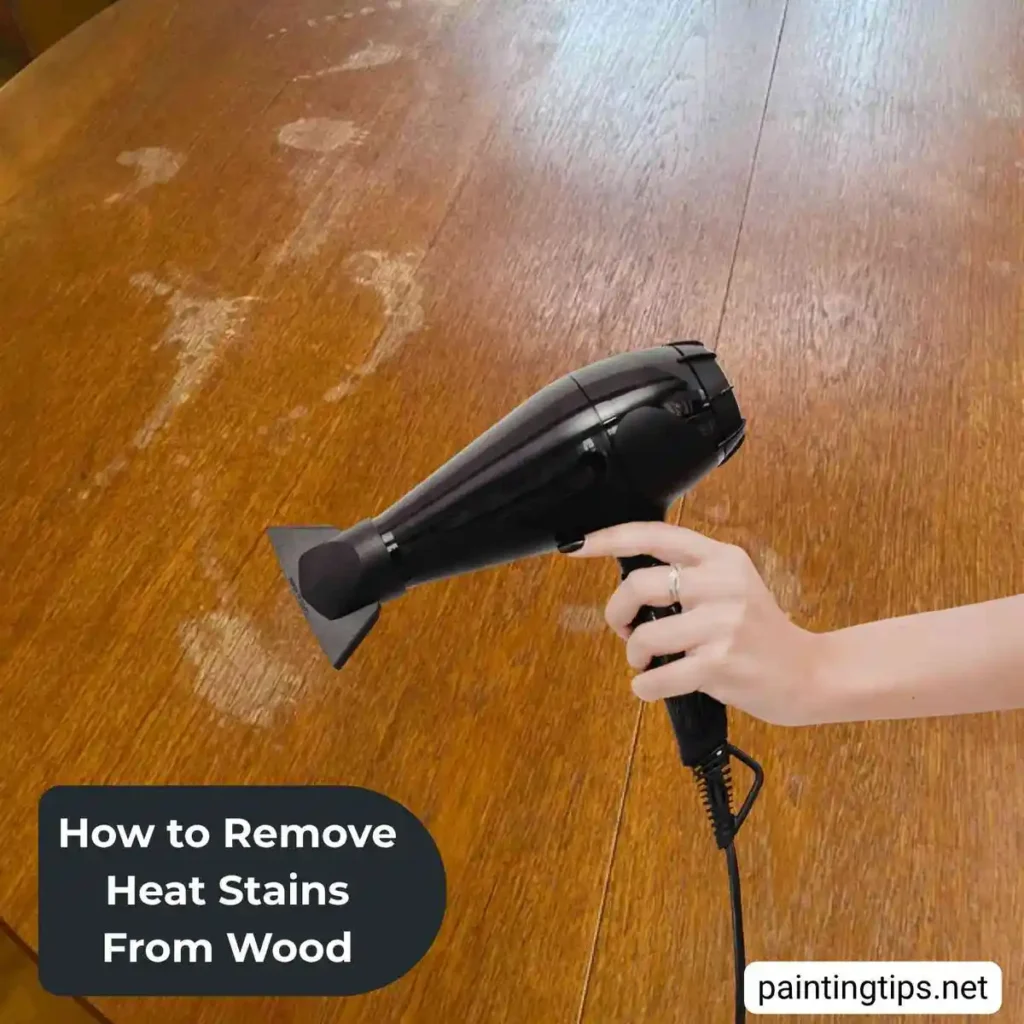
Set a hair dryer to low heat (skip the cool shot) and hold it a few inches above the mark. Sweep side to side for two to three minutes, checking every thirty seconds. The white haze shrinks as the moisture releases. This is the safest first step for fresh heat spots on a wood table and works on most finishes.
2-Iron and Towel (Core Method)
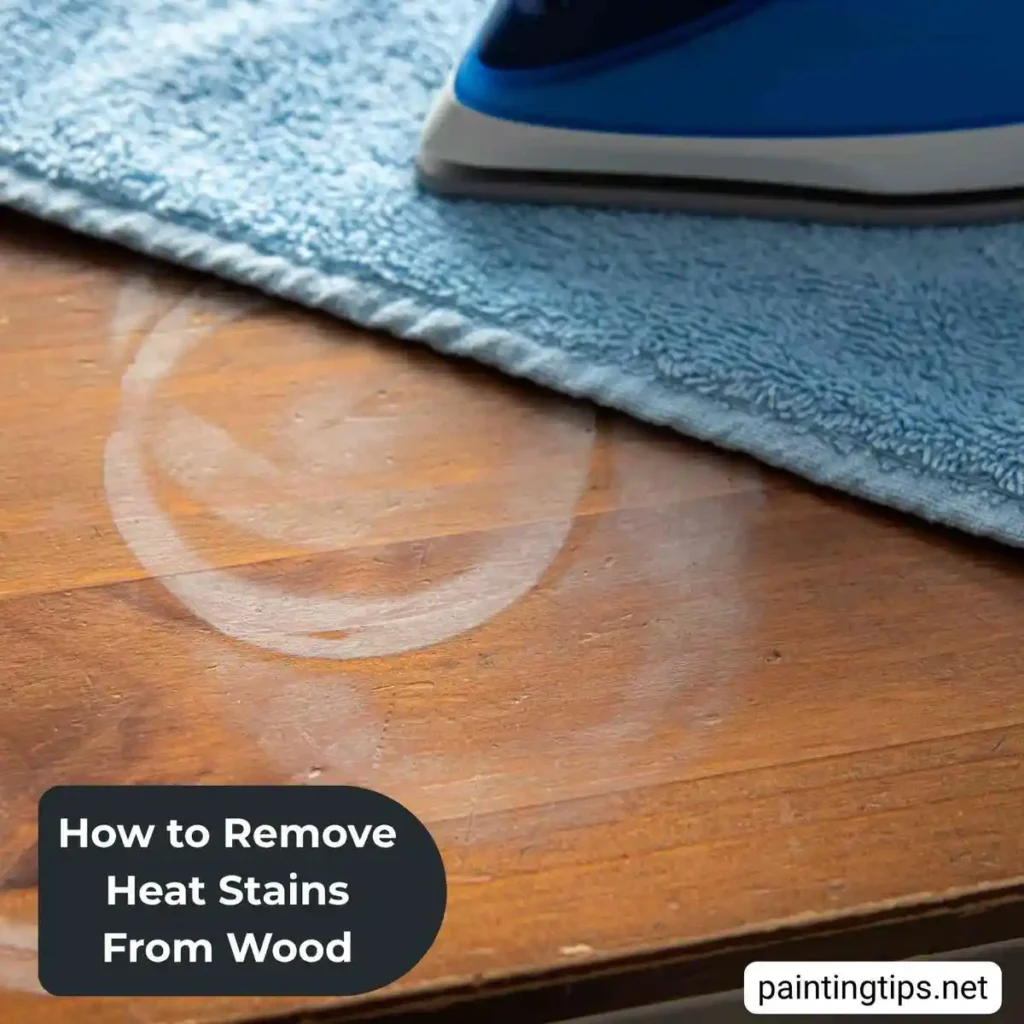
Lay a clean cotton towel or T-shirt over the stain. Set an iron to low with steam turned off, then glide it over the towel for several minutes, lifting to inspect. The steady warmth reopens the finish so the moisture can evaporate. If needed, nudge the heat up one notch, but keep the iron moving and never park it in one spot.
3-Cologne (Rubbing Alcohol) Flash (Use Sparingly)
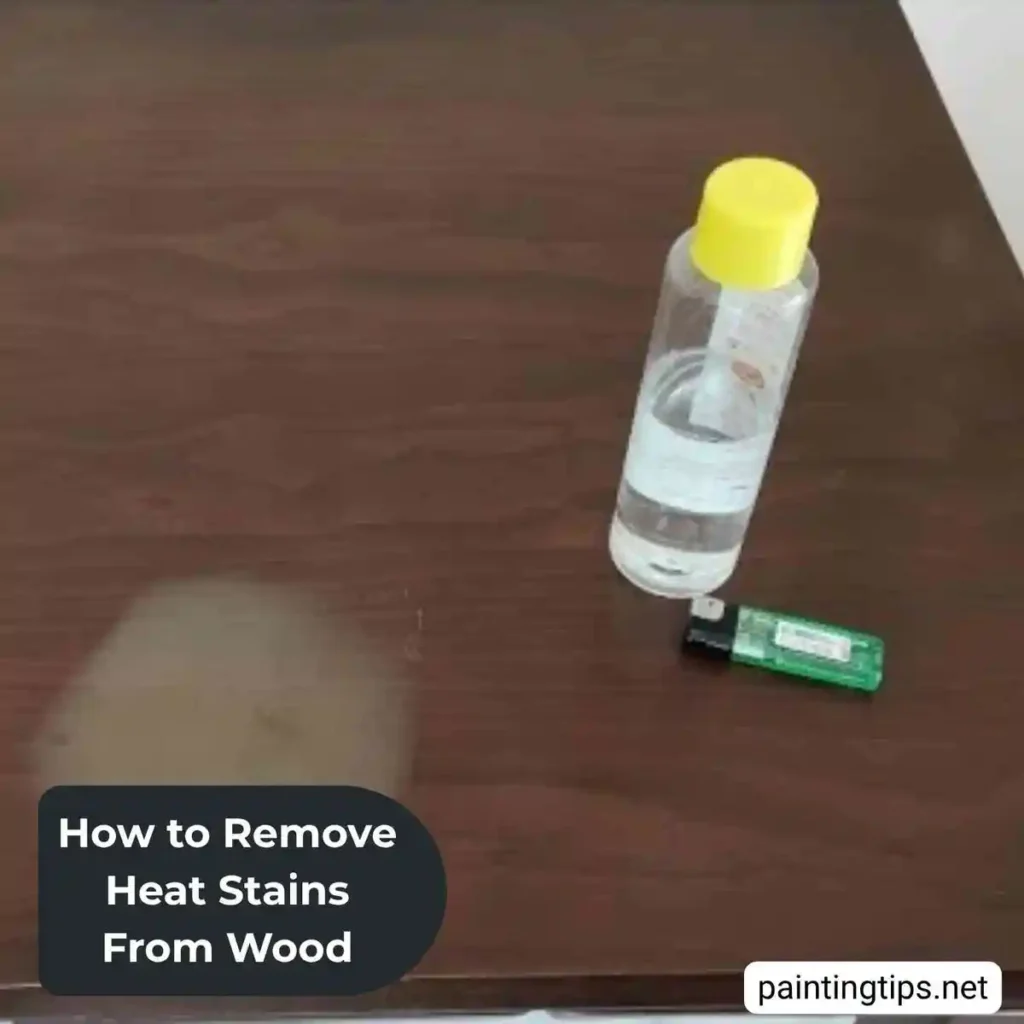
Put just a few drops of high-alcohol cologne or plain rubbing alcohol on the white mark, spread it thinly over the stain only, and briefly ignite it with a long lighter. Let it flare for three to five seconds, blow it out, and wipe with a damp cloth. Work in small sections and never pour a puddle. The quick flash drives out trapped moisture, but use ventilation and keep a damp rag nearby.
4-Mayonnaise or Petroleum Jelly (Support, Not Primary)
Dab a little mayonnaise or petroleum jelly on the mark, leave it a few hours (overnight for stubborn spots), then buff clean. The oils can recondition the finish and help move moisture out. Results vary; it’s most helpful on fresh, light haze and thin finishes, and it can leave an oily residue if you don’t clean well.
5-Toothpaste + Baking Soda Paste (Use Lightly)
Mix one part plain white (non-gel, non-whitening) toothpaste with two parts baking soda into a thick paste. Gently rub a small amount on the white stain for about a minute, rest briefly, then wipe with a damp cloth and dry. It’s mildly abrasive and can dull the sheen, so test in a hidden spot and avoid heavy pressure.
6-Vinegar and Olive Oil (Cosmetic Help Only)
Combine equal parts white vinegar and olive oil, apply a thin layer with a soft cloth, leave about an hour, then wipe and buff. This is more of a cosmetic blend that can mask a faint haze; it doesn’t truly release trapped moisture and can soften some finishes if left too long.
7-Finish Restorer (Blending, Not Removal)
A finish restorer can blend the remaining outline after you’ve used heat. Apply a small amount with a soft cloth, work lightly, and buff dry. These products contain solvents and tints, so the wrong color can shift the tone, and they don’t remove deep marks.
Timeline: Fresh vs. Set-In Marks
Fresh marks (within the first day) respond fastest; a few minutes with a hair dryer often clears them, and the iron/towel usually finishes the job if needed. Set-in marks (days to weeks) can still improve, but expect several short cycles with cooling in between. If a faint outline remains after heat, consider mayo/petroleum jelly overnight or a finish restorer to blend.
Safety and Finish Warning
- Heat is effective when you remove heat stains from wood, but too much can soften, bubble, or imprint the finish—especially on soft lacquers, waxed surfaces, and thin veneers. Start low, keep the tool moving, and stop if the surface feels hotter than you can comfortably touch.
- Polyurethane finishes are tougher and usually tolerate the hair dryer and iron/towel methods well. They respond slowly, so be patient and avoid aggressive rubbing that can dull the sheen.
- Lacquer and similar solvent-based lacquers are more heat-sensitive. Use the lowest heat, shorter passes, and check often. Skip the alcohol flash unless you’re experienced; it’s easy to soften or imprint the finish.
- Oil finishes like Danish oil and hardwax oil sit in the wood rather than forming a hard film. Gentle heat can still help, and a light re-oil after the mark fades often evens the look. Avoid strong solvents that can lift the oil and cause blotches.
- On laminate and thin veneer over MDF, keep heat low and brief and never soak the surface. Moisture can swell the substrate or delaminate edges. Skip abrasives and the alcohol flash here, and stop if a couple of gentle attempts don’t change the mark.
- Never use steam with the iron, and keep open flame away from large areas and flammables. If the mark is dark brown or black (actual scorch into the wood), surface tricks won’t reverse it; that’s a sand-and-refinish job.
- You’ve already tried two heat passes and several mild methods with no change—stop before you overwork the finish. If the mark is a dark brown/black scorch, the finish is failing, or you’d rather refresh the piece, it’s time to refinish or repaint. We cover the full process in how to paint a wooden dining table and how to paint a coffee table.
How Do You Get White Haze Off a Wood Table?
To remove heat stains from wood and get that white haze off a wood table, rewarm the area so trapped moisture can escape. Start with a hair dryer on low; for larger white heat marks use a warm iron over a towel. These two steps clear most cloudy heat stains on wood furniture without harsh chemicals.
Are Heat Stains on Wood Permanent on Furniture?
Usually no. White, cloudy heat marks on wood are moisture in the finish and can be reversed when you remove heat stains from wood correctly. Dark or charred spots that reach the wood fibers are actual burns and are permanent without sanding and refinishing.
How to Get White Heat Stains Off a Wooden Table?
Begin with the hair dryer method for a few minutes to release trapped moisture. If the white heat stain on your wooden table is stubborn, try the iron-and-towel approach next. For faint leftovers, use mayo or petroleum jelly overnight, or very cautiously test the toothpaste-baking soda paste to blend the finish.
What Causes Heat Stains on Wood?
A hot mug, pan, or pizza box warms the finish, opens its pores, and lets moisture get trapped. As it cools, the moisture stays under the surface, creating the milky white ring or heat stain you see on wood tables and furniture.
Is It Safe on Veneer or Laminate?
Yes—if you keep heat low, brief, and constantly moving when you remove heat stains from wood veneer or laminate. Avoid steam, soaking, abrasives, and the alcohol flash. If the white heat mark doesn’t lighten after a couple of gentle attempts, stop to avoid swelling or delamination.
Can I Use a Heat Gun Instead of a Hair Dryer?
We don’t recommend it for removing heat stains from wood. Heat guns run much hotter and can soften or bubble the finish fast. Stick with a hair dryer on low, or a clothes iron on low with a towel barrier, to safely clear white heat marks from wood tables.
