A new coat of paint on your garage door can totally flip the mood of your house. It’s one of those changes you notice right away—seriously, it grabs your attention the minute you pull up. In this gallery, you’ll see over 50 real painted garage doors: all sorts of colors, finishes, and styles, straight from actual homes. You’ll start to get a sense of how different shades work with various sidings, wall colors, and architectural details. It’s not just about picking your favorite color—it’s about finding one that fits the whole vibe of your place. We’ll also show you which shades homeowners keep choosing, and why they work so well for both classic and modern looks.
Painted Garage Doors
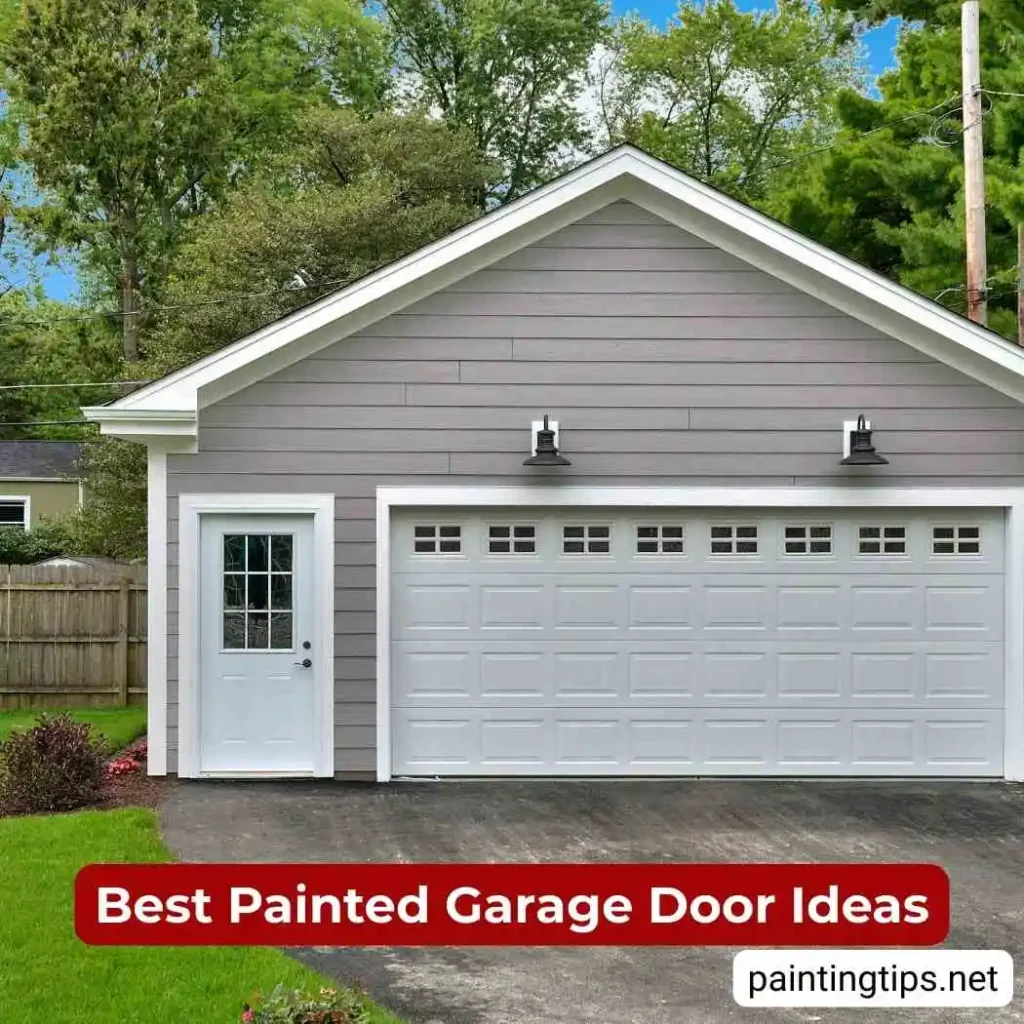



















Let’s face it—garage doors take up a ton of space out front. Their color matters. Even if you don’t change anything else—not the siding, not the trim—just painting the garage door can change how your house looks from the street. That’s why lots of people start here when they want a quick curb appeal upgrade.
But garage doors aren’t like tiny accent pieces. You see them from way down the block, and the color shifts all day as the light changes. A color that feels soft in the morning might look bold in the afternoon. Dark shades can feel dramatic or heavy—it all depends on what’s around them. That’s why it pays to think about these details before you choose a color.
So instead of just talking theory, let’s get real. We pulled together actual photos of painted garage doors on all kinds of homes. Seeing them in the wild, you start to notice what clicks, what pops, and what just feels off.
Garage Door Color and Exterior Wall Compatibility










One thing to really pay attention to is how your garage door color works with the rest of your house. It doesn’t have to match, but it should belong. Sometimes you want contrast; other times, you want a color that’s just a bit different.
Got light gray walls? Try a dark gray or black garage door. The contrast adds depth, but it doesn’t scream for attention. You’ll spot this combo a lot on modern homes with simple lines.
If your house is white, you’re in luck—almost anything works. Light gray, medium gray, beige, black. Lighter grays are subtle, black feels bold, and beige keeps things soft and warm.
Warm-toned or beige houses look great with white or brown garage doors. These shades make everything feel connected and cozy. Brown, especially, works if you’ve got stone, brick, or wood accents on your place.
How Garage Door Color Affects Curb Appeal










Garage door color really does shape what people notice first. Lighter doors blend in, which helps if your garage is front and center. Darker doors stand out and can even turn the garage into a design highlight.
Color can even change the way your garage feels size-wise. Light shades make the door look bigger and more open; dark shades shrink things down, making them feel tidy and grounded. This is huge if you’ve got a double or four-car garage—you want the whole front to feel balanced.
Contrast is a big deal, too. High-contrast combos like black and white come off modern and bold. Low-contrast pairs—think beige on tan—feel classic and low-key. The right contrast helps your garage door fit the style of your house, whether it’s traditional or more modern.
Most Commonly Painted Garage Door Colors


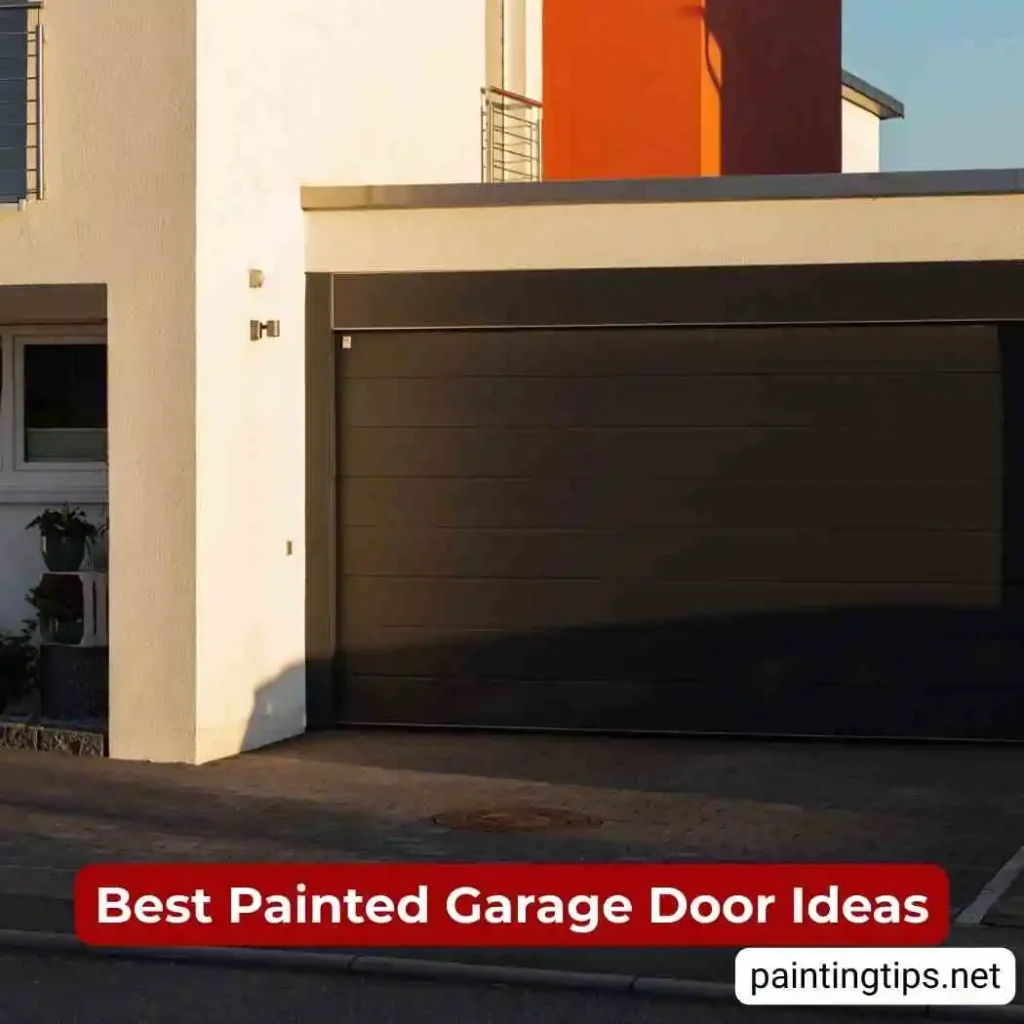



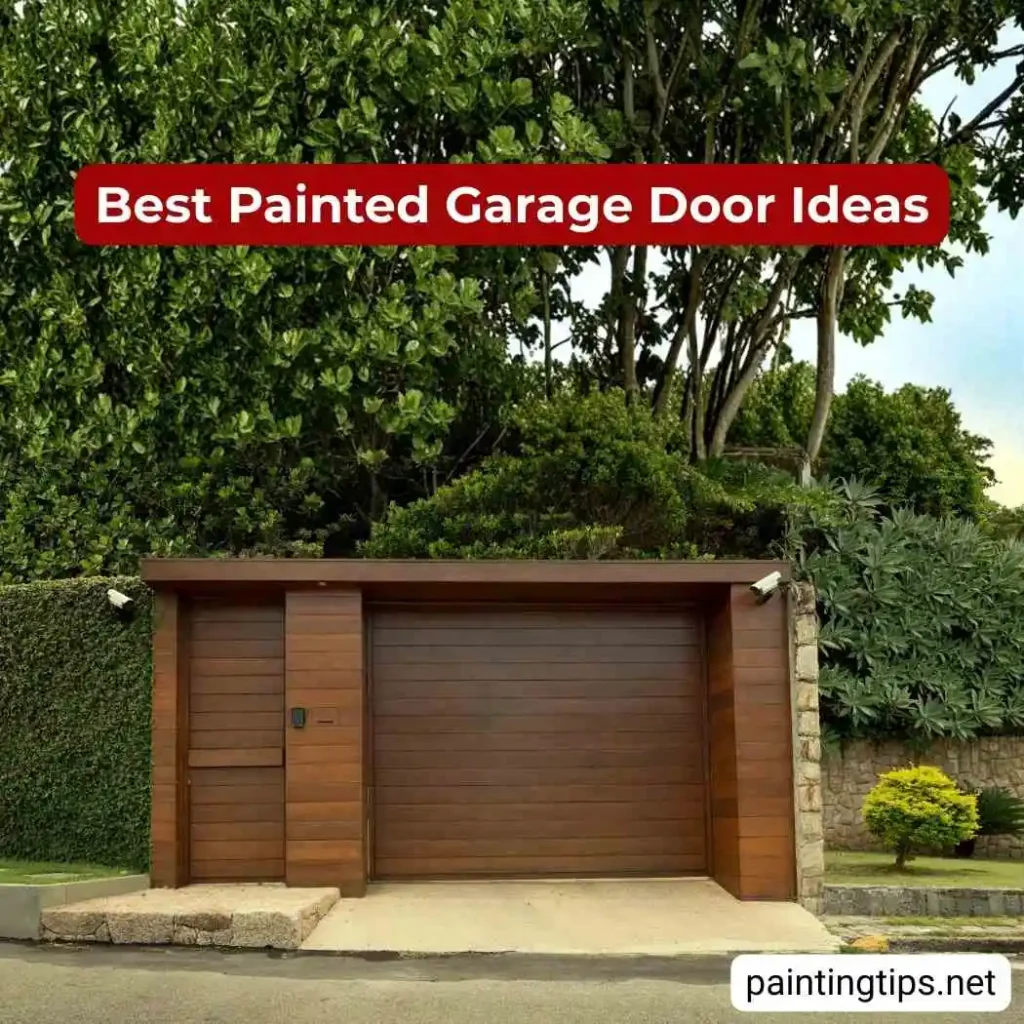


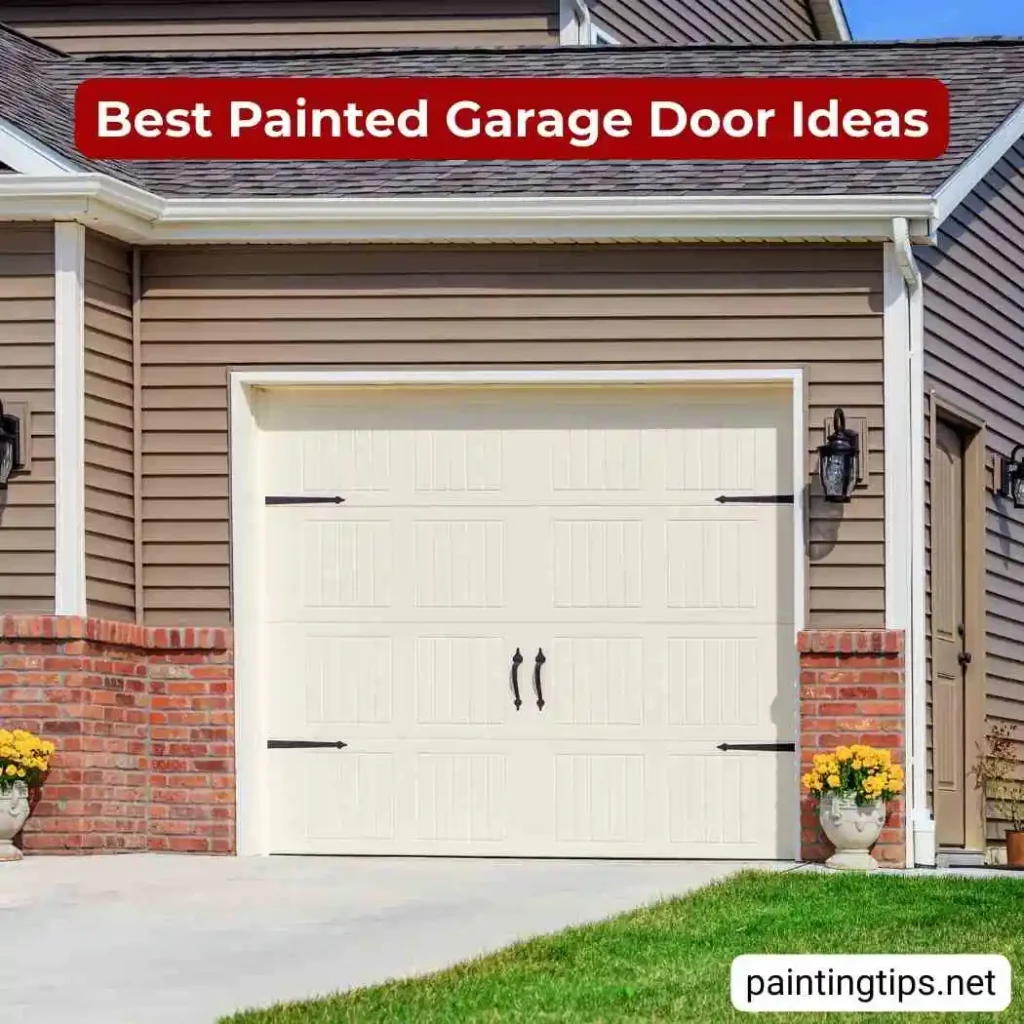
Some colors always stick around. White, gray, brown, and black show up everywhere, and for good reason.
- White is a classic. It’s bright, clean, and goes with almost anything. It bounces light and makes your home feel open and fresh.
- Gray garage doors—anywhere from light to charcoal—are everywhere right now. They work on all types of houses, from modern to traditional, and blend right in with the neutral palettes everyone loves.
- Brown feels warmer and more natural, especially if your home has stone or wood details. You’ll see brown garage doors all the time on craftsman, rustic, or cottage-style homes.
- Black is for anyone who wants some drama. It’s bold, sharp, and looks incredible on light houses if you want that wow factor. Just use it with intention—black makes your garage door stand out in a big way.
What to Consider When Choosing a Garage Door Color
Choosing the right garage door color isn’t just about picking your favorite shade. You’ve got to look at your whole house—the walls, the trim, the roof, even the brick or stone that never changes. The garage door should fit in with everything else, not fight for attention.
Lighting changes everything. Sun, shade, and even the color of your driveway can make paint look completely different than it did on that tiny sample. A color that seemed just right in the store can end up looking way too dark or washed out once it’s on your house.
Don’t forget about the material and finish. Metal garage doors usually look best in solid or matte finishes—less glare, less fuss. Wood or faux wood? They can pull off warmer tones and textured finishes without looking out of place. And if you’re thinking about the long run, go for something neutral or classic. Those colors just age better, and they help if you ever decide to sell your place.
If you’re still deciding on your overall exterior color scheme, choosing the right garage door color often starts with the walls. Understanding how different exterior paint colors work together can make this process much easier. You can explore this in more detail in our guide, What Color Should I Paint My House Exterior?
Many homeowners also coordinate their garage door color with the front door to create a more balanced exterior. If you’re planning to refresh both at the same time, our guide on How to Repaint a Front Door Without Removing It? explains the process and offers practical tips for achieving a clean, professional-looking result.
See for Yourself: Real Garage Doors on Real Houses
Honestly, the best way to figure out what works is to look at real homes—actual garage doors in actual sunlight, not just paint chips taped to your wall. You can really see how colors play off the rest of the house, how they look at different times of day, and whether they blend in or pop out.
Line up a few photos of different homes, and you’ll quickly spot which colors become part of the house and which turn the garage into a statement piece. This makes it easier to decide between shades that seem almost the same—like light gray next to medium gray, or dark gray versus black.
In the end, use these real-life examples as inspiration, not a rulebook. The best results come from matching your garage door color to the rest of your house—the walls, the materials, the whole vibe. That’s how you end up with something that just feels right and stands the test of time.
