Figuring out what paint to use on glass is the first step to a finish that lasts. Glass is slick, so a paint that works on wood or drywall can bead up or peel here. In this guide, we cover the paints that actually grip glass, including glass paint, acrylic, spray, oil-based, and chalk paint, and what each one does well and where it falls short. You will also learn how to paint glass permanently, how to seal it, and get quick answers to common questions about glassware, wine glasses, jars, and vases.
What Paint to Use on Glass
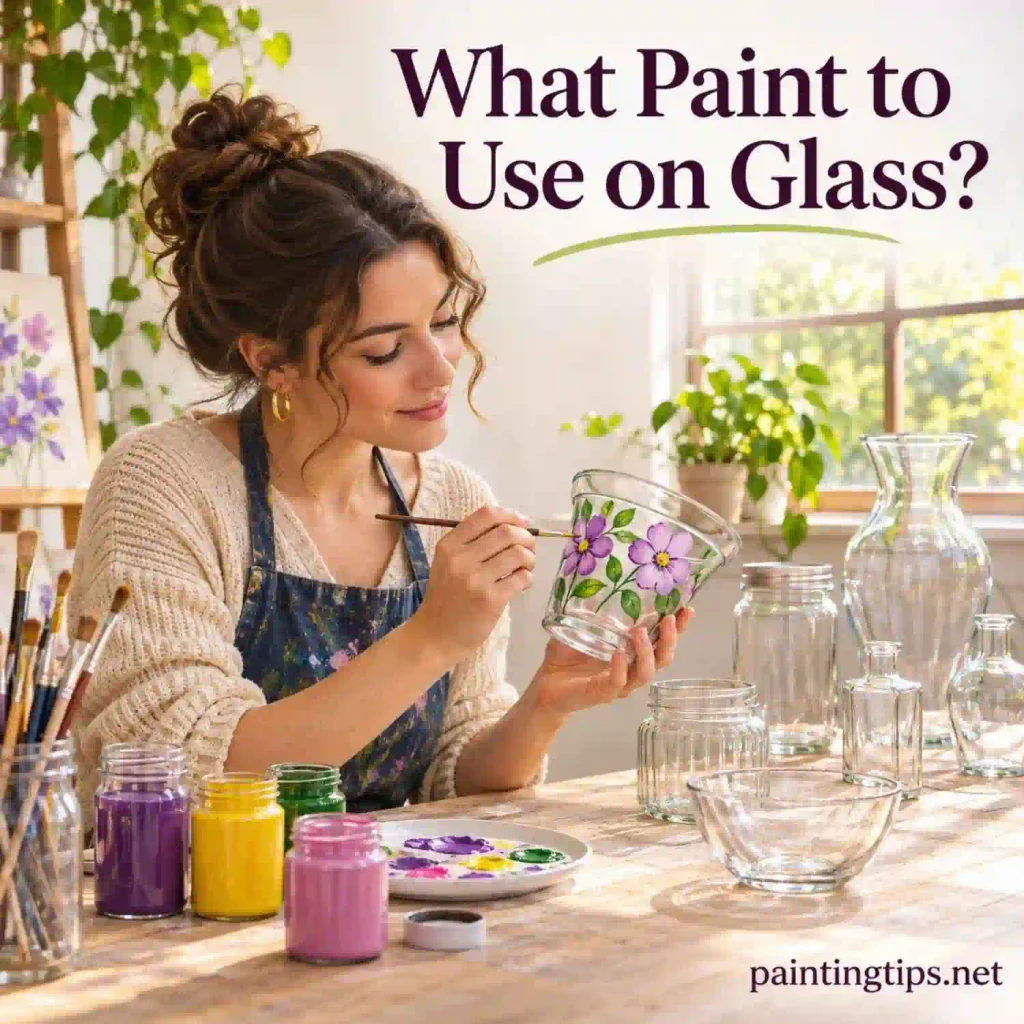
Wood, concrete, and walls are absorbent, so paint settles into the surface and holds on. Glass does the opposite. Its surface is hard, slick, and sealed, so the paint has to cling to the outside with nothing to sink into. That is why so many paints streak, scratch, or lift off glass within weeks.
There are still dependable ways to paint glass for good. The right paint, a spotless surface, and careful, even strokes get you most of the way. Priming is also an option, but a primer sits on the glass as a visible layer and takes away its see-through look. That matters because glass painting is not always about covering the whole piece. Often the goal is to add fine patterns or details while the glass stays clear, and a primer works against that. This is why many people paint glass directly, and why the choice of paint matters so much here.
Sanding is not the way to help paint bond to glass, since sandpaper scratches it and the marks stay visible. If a paint needs extra grip, a primer that suits your paint type is the better route. And if you are repainting a glass piece that already has paint on it, do i need to prime before repainting explains when a primer is really necessary.
What Type of Paint Do You Use for Glass?
If you plan to paint glass, the paints below are the ones that work, and each section covers how well it performs. Some suit fine decorative work and others suit big smooth pieces, so it helps to know what each can and can’t do before you buy.
1. Glass Paint

Glass paint is the obvious pick, because it is made for this surface. It bonds without a primer, works well for fine details, and comes in transparent, stained-glass, and opaque finishes. The color stays rich, which is why it suits wine glasses, vases, and jars. The downside is that some products need days to cure and others need baking, so the label matters. It is also better for decorating than for covering a big piece from top to bottom.
2. Acrylic Paint

Acrylic is cheap, easy to find, and comes in almost every color, and it cleans up with water. On bare glass, though, regular craft acrylic is easy to scratch or peel. A multi-surface or all-purpose acrylic holds on better, and a clear sealer on top is what makes it last. It is a good choice for hand-painted designs as long as you accept that it needs a bit more care than glass paint.
3. Spray Paint

Spray paint is the best type of paint for glass when you want a smooth, even coat on larger or curved pieces such as bottles, panels, or lamp bases. It leaves no brush marks and covers quickly, and all-purpose spray paints grip glass well. A light first mist helps prevent drips, since heavy coats run. You also need good ventilation and masking tape around the areas you want to protect. If overspray lands where it shouldn’t, How to remove spray paint from glass? shows how to clean it up.
4. Oil-Based Paint

Oil-based paint is not the first choice for glass, more of a backup option, but it can be used. In many cases it grips glass better than acrylic, and once it dries fully it is hard, durable, and usually doesn’t need a sealer. The color is deep too. The reason it isn’t preferred is how slowly it dries. You need to wait about a day between coats, and glossy oil-based paints can show brush marks on glass. Cleanup needs a solvent, and the fumes are strong. If you are not sure how it differs from water-based paint, we recommend reading oil based vs water based before you decide.
5. Chalk Paint
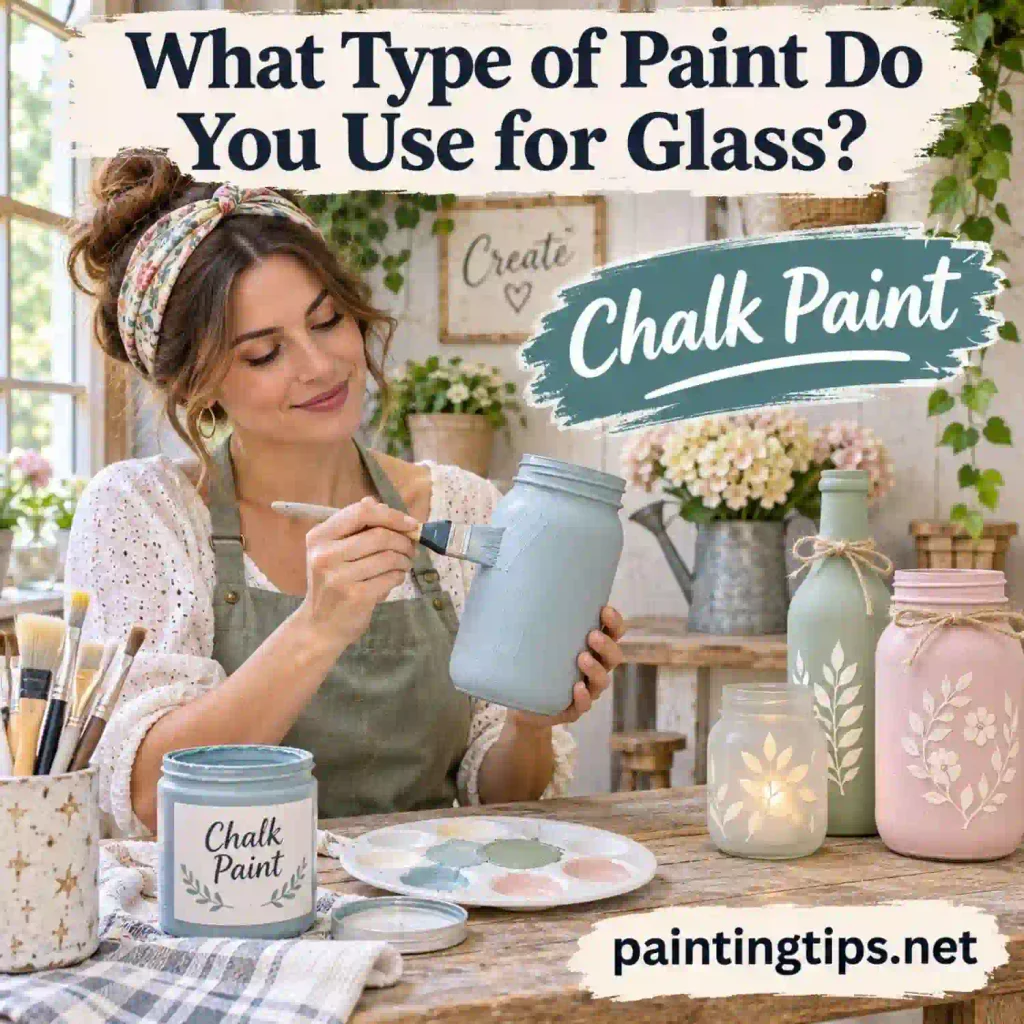
Chalk paint gives glass a soft, matte, vintage look. It goes on easily, hides brush and roller marks well, and works nicely on candle holders, jars, and decorative bottles. It does stick to glass, but it is not a good fit for anything that goes through the dishwasher. That makes it better for decorative glass than for pieces that get washed often.
How to Paint on Glass Permanently

Glass has no pores for paint to settle into, so long-lasting results come down to preparation, the right paint, and the right finishing step. Whether you are decorating a vase or refreshing old glassware, the steps below help the paint stay put.
The first thing that keeps paint on glass for a long time is a surface that is clean and completely dry. Whichever paint you pick from the list above, start with glass that is free of grease, dust, and fingerprints. We wipe the surface with rubbing alcohol and let it dry fully before painting, and we have seen the paint hold on noticeably better when we work this way.
If you want the most permanent result, choose a glass paint made to be baked in a home oven. Baking cures the paint and bonds it to the glass much more firmly than air drying alone. Apply thin coats, let the paint dry as the label directs, then place the glass in a cold oven and bring it up to the temperature on the label. Putting glass into a hot oven risks cracking it. Bake for the time on the label, then switch the oven off and let the glass cool inside. Temperatures and times differ from brand to brand, so follow your product’s instructions exactly. Not every glass paint is bakeable, and some are designed to cure by air drying only, so check the label first. We also recommend keeping painted areas away from surfaces that touch food or mouths, even after curing.
Acrylic paint needs a different approach, because it does not bond to glass on its own and will scratch or peel if you skip the right steps. To make it permanent, apply an acrylic primer made for glass or slick surfaces before painting and let it dry completely. Paint in thin coats, then seal the dried paint with an acrylic varnish. This protects the paint from water and rubbing, and priming and varnishing together are what make acrylic stay on glass for a long time. Acrylic is not baked like bake-on glass paint, so these two steps are what make the difference.
Drying time between coats depends on the paint. With glass paint, acrylic, and chalk paint, wait at least 3 hours before the next coat. Oil-based paint needs about a day between coats. Spray paint is much quicker, with around 15 minutes between coats and about 30 minutes for the final coat to dry fully. Rushing this step is a common reason a second coat drags, smears, or lifts the first one.
For paints other than acrylic, primer is up to you. If you use one, the paint will grip the glass better, but pick a primer that matches your paint type and let it dry completely before you continue.
Tools make a visible difference on glass. Soft-tipped brushes help prevent brush marks, which show up on glass more than on most surfaces, especially with glossy paints. A small, high-quality foam roller makes flat glass easier to cover.
Once the painting is done, you can seal the glass to make it more resistant to water and rubbing. A glass varnish or acrylic varnish suits glass paint, acrylic paint, and chalk paint. For spray-painted glass, a spray varnish is the better fit. Oil-based paint typically doesn’t need a varnish, and bake-on glass paint is already cured by heat, so a varnish is usually not needed there either. For decorative glass objects that will only sit on display, sealing is not really necessary, except for acrylic, which should always be varnished.
What Do I Need for Glass Painting?
You don’t need much to get started:
- A damp cloth or glass cleaner
- Primer (optional, matched to your paint)
- A soft-tipped brush, small foam roller, or spray paint
- Your paint: glass paint, acrylic, spray, oil-based, or chalk paint
- Painter’s tape or masking tape, for protecting areas you don’t want painted
- A matching sealer, such as glass varnish, acrylic varnish, or spray varnish (optional for display pieces)
Can You Use Acrylic Paint on Glass?
Yes, you can. Acrylic paint works on glass, but it needs more help than glass paint. Clean the surface well, choose a multi-surface or all-purpose acrylic, and paint carefully so no streaks or marks are left behind. If the piece will be handled or washed, finish it with a clear varnish. Some acrylics are designed to be baked, but only do it if the label says it is safe. For more information, you can read our Can You Use Acrylic Paint on Glass? article.
Can You Use Chalk Paint on Glass?
Yes. Chalk paint sticks to glass and gives a smooth matte finish, which makes it a good match for decorative pieces. Because it dries soft, a clear acrylic varnish or spray sealer is a good idea if the piece will be handled often. For items that are only for display, you can skip it. Either way, chalk paint is not meant for the dishwasher.
How to Seal Acrylic Paint on Glass
Let the paint dry completely first. Then brush on a clear acrylic varnish, or use a spray varnish for larger pieces. Let each coat dry before adding the next, since two light coats work better than one heavy one. For the full process from start to finish, you can follow How to paint glass with acrylic paint.
Will Acrylic Paint on Glass Wash Off?
It can, if it isn’t prepared and sealed properly. Unsealed acrylic may peel or wash off when it gets wet or is scrubbed. Enough drying time between coats and a clear varnish make it hold up much better. Even then, avoid the dishwasher and don’t scrub painted areas. For decorative pieces, a damp cloth is usually all they need. Keep paint off any area that touches food or the mouth, like the inside of a glass or the rim of a wine glass.
Can I Paint Directly onto Glass?
Yes, and for most projects it is the better way. Painting directly keeps the glass clear and lets you add details without covering the whole piece. Just use a paint made to grip glass, such as glass paint or a multi-surface acrylic, and make sure the surface is spotless.
What’s the Best Paint for Glassware?
For glassware, glass paint is the best choice. It is made for the surface, handles fine detail well, and gives the most reliable results on a wine glass, a drinking glass, or a jar. If the piece is large and smooth, spray paint gives more even coverage. Whichever you choose, keep painted areas away from the rim and clean the piece with a soft, damp cloth instead of soaking it. If you are working on a bottle specifically, you may want to read How to Paint Glass Bottle.
You May Also Like These Articles
If you are also thinking about covering glass without paint, we suggest reading Can You Put Wallpaper On Glass. And if spray paint ever ends up on a mirror, how to get spray paint off a mirror will help you remove it safely. If you have questions about painting glass, you can use the comment section below.
