Grout doesn’t fail all at once. It fades, discolors, and picks up stains gradually—and by the time it looks bad, replacing it feels like a bigger project than it’s worth. Painting grout is a legitimate alternative that most people don’t consider, and when done correctly with the right paint, it holds up better than the skeptics suggest. The key word is correctly. The wrong paint, applied to unprepared grout, will peel within weeks. The right paint, on clean and fully dry grout, can last five years or more. This guide covers which paints actually work on grout, how to apply them properly, and what to avoid.
How to Paint Grout Lines

Grout is porous by nature, which means it absorbs paint readily—more so than tile or most other surfaces you’d paint around the home. That absorbency is actually an advantage for adhesion, but it also means grout holds onto moisture, cleaning product residue, and old soap scum in ways that interfere with paint bonding if the surface isn’t properly prepared first.
The two biggest challenges with painting grout are water exposure and foot traffic. Bathroom grout lines are wet regularly, and floor grout takes constant friction. A paint that performs well on walls won’t necessarily survive either condition. Durability is the deciding factor when choosing what to use—not color range, not ease of application, not price.
Before painting, check the condition of every grout line. Crumbling, cracked, or hollow grout cannot be painted successfully—the paint will follow the grout as it continues to deteriorate. If the grout is in poor structural condition, the only real fix is removal and regrouting. If it’s intact but discolored or stained, painting is a clean, practical solution that avoids the mess and cost of full replacement.
Is Painting Grout a Good Idea?
For grout that is structurally sound but visually tired, yes. Painting grout lines refreshes the look of a tiled surface without disturbing the tiles themselves, and it costs a fraction of what regrouting an entire bathroom or kitchen floor would involve. It’s particularly effective on floor tiles where grout has darkened from years of foot traffic and cleaning product buildup, and on bathroom wall tiles where grout has discolored from moisture and soap residue.
The honest caveat is longevity. Painted grout on a floor will wear faster than painted grout on a wall, regardless of the paint type. High-traffic floor areas may need touching up within a few years. Wall grout in a bathroom, painted with a quality product and sealed properly, can hold up for five years or more without intervention.
Can I Just Paint over Grout?
Yes—directly, without primer in most cases, because grout’s porous surface provides enough mechanical adhesion for paint to grip. The condition that matters is dryness. Even slight residual moisture in the grout will prevent proper bonding and cause the paint to lift or peel. Grout that looks dry on the surface can still hold moisture from a recent clean or shower use—waiting at least 24 hours after the last water exposure before painting is the minimum, and longer is better.
Do You Need Special Paint for Grout?
Specialized grout paint is the first choice for a reason. It’s formulated to be water-resistant, flexible enough to move with minor grout expansion and contraction, and durable under the cleaning and moisture exposure that grout lines face daily. If you’re painting grout in a bathroom or on a floor, purpose-made grout paint gives you the best chance of a finish that holds up. That said, other paint types can work—with the right approach and realistic expectations about durability.
What Type of Paint Can You Use on Grout?
- Grout Paint Pen: A grout paint pen is the most precise and least messy option for painting grout lines. The fine applicator tip follows the grout line without touching the tile surface, which eliminates most of the cleanup work. Grout pens are best suited for narrow grout lines, touch-up work, and smaller areas where control matters more than speed. For a full bathroom floor, they’re practical but time-consuming.
- Acrylic paint: General-purpose acrylic paint adheres well to grout and is a workable option for longer grout lines and larger surface areas. It dries faster than oil-based paint, cleans up with water, and is available in a wide color range. The trade-off is durability—acrylic paint on floor grout will wear faster than a purpose-made grout product, and a protective varnish coat after painting is strongly recommended to extend the finish life.
- Oil-based paint: Oil-based paint offers strong coverage over dark or stained grout and adheres reliably to porous surfaces. It’s a practical option when the existing grout color is deep and you want to lighten it significantly. The downsides are drying time—at least 24 hours between coats—and the tendency of white and light oil-based colors to yellow over time. On grout that flexes even slightly, oil-based paint can also crack at the edges, which makes it a less reliable choice for floor applications. “Related article: Oil based vs water based paint“
Painting Grout with Acrylic Paint: Step by Step

Acrylic paint is the most accessible option for painting grout lines—it’s widely available, easy to work with, and produces good results when applied correctly. Here’s how to do it properly.
Step 1: Check and Fill the Grout Lines
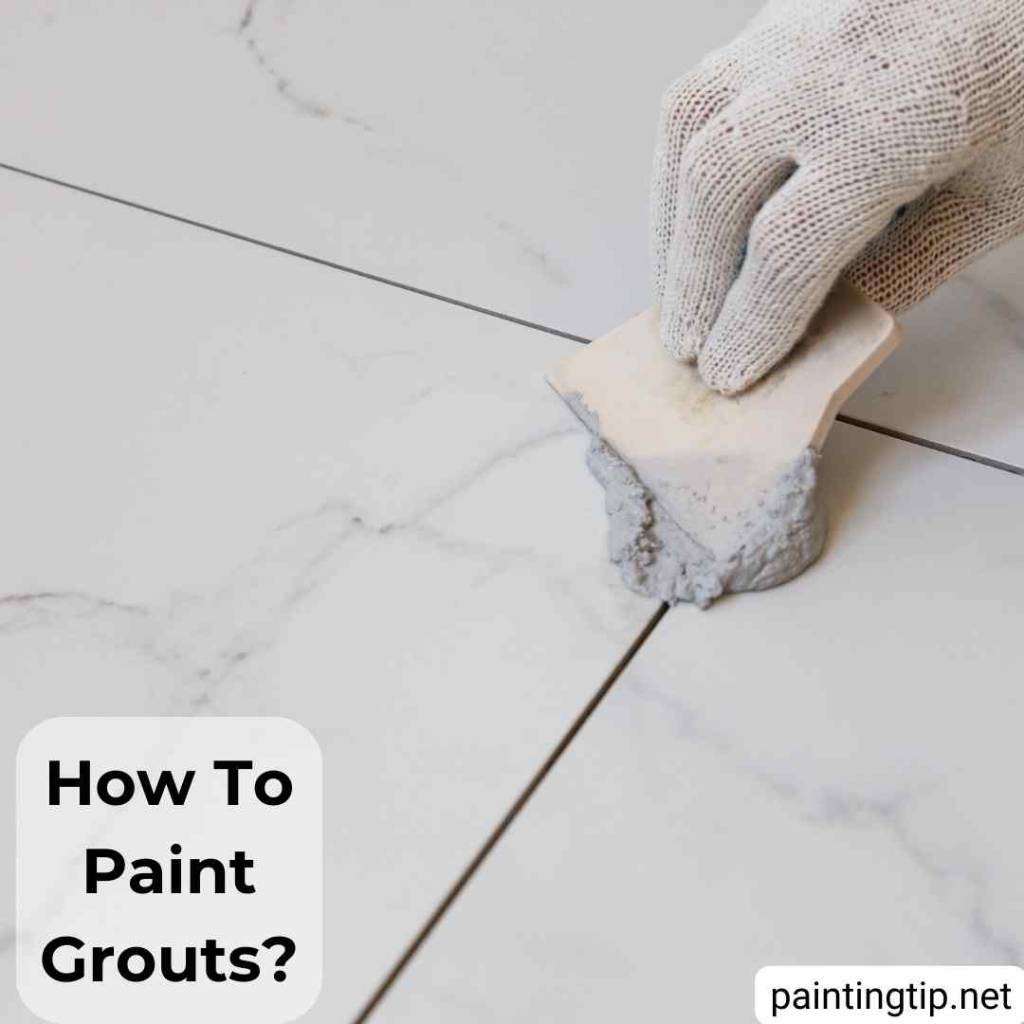
Before anything else, inspect every grout line in the area you’re painting. Look for cracks, gaps, or sections where the grout has receded below the tile surface. Fill any damaged areas with new grout compound and allow it to cure completely—typically 24 to 48 hours depending on the product. Painting over incomplete or damaged grout will produce an uneven finish that continues to deteriorate underneath the paint.
Step 2: Clean the Grout Thoroughly
This is the step that determines whether the paint holds. Grout lines collect soap residue, cleaning product buildup, mildew, and general grime that paint won’t bond through. Scrub the grout with a stiff brush—an old toothbrush works well for narrow lines—using a dedicated tile and grout cleaner or a solution of warm water and white vinegar. Pay particular attention to bathroom grout, where soap scum and mildew accumulate in layers that aren’t always visible.

Rinse thoroughly and allow the grout to dry completely. In a bathroom, open windows and run the exhaust fan—residual humidity slows drying significantly. Wait at least 24 hours after cleaning before painting, and longer if the space doesn’t ventilate well.
Step 3: Tape or Prepare for Cleanup
You have two practical options for keeping paint off the tile surface. The first is to apply painter’s tape along both edges of the grout line before you start—time-consuming on a large area but precise. The second is to paint freely and wipe excess off the tile surface with a damp cloth immediately before it dries. Acrylic paint wipes cleanly from glazed tile while still wet, so this approach works well if you work in small sections and keep a damp cloth within reach throughout.
Step 4: Apply the First Coat
Use a fine-tipped artist’s brush or a dedicated grout brush for application. A pencil-tipped brush gives the most control and allows you to follow the grout line without overloading adjacent tile. Apply the paint in smooth, consistent strokes along the line, working in one direction. Don’t apply too thickly—a thin, even first coat adheres better than a heavy one and reduces the risk of brush marks showing in the final finish.
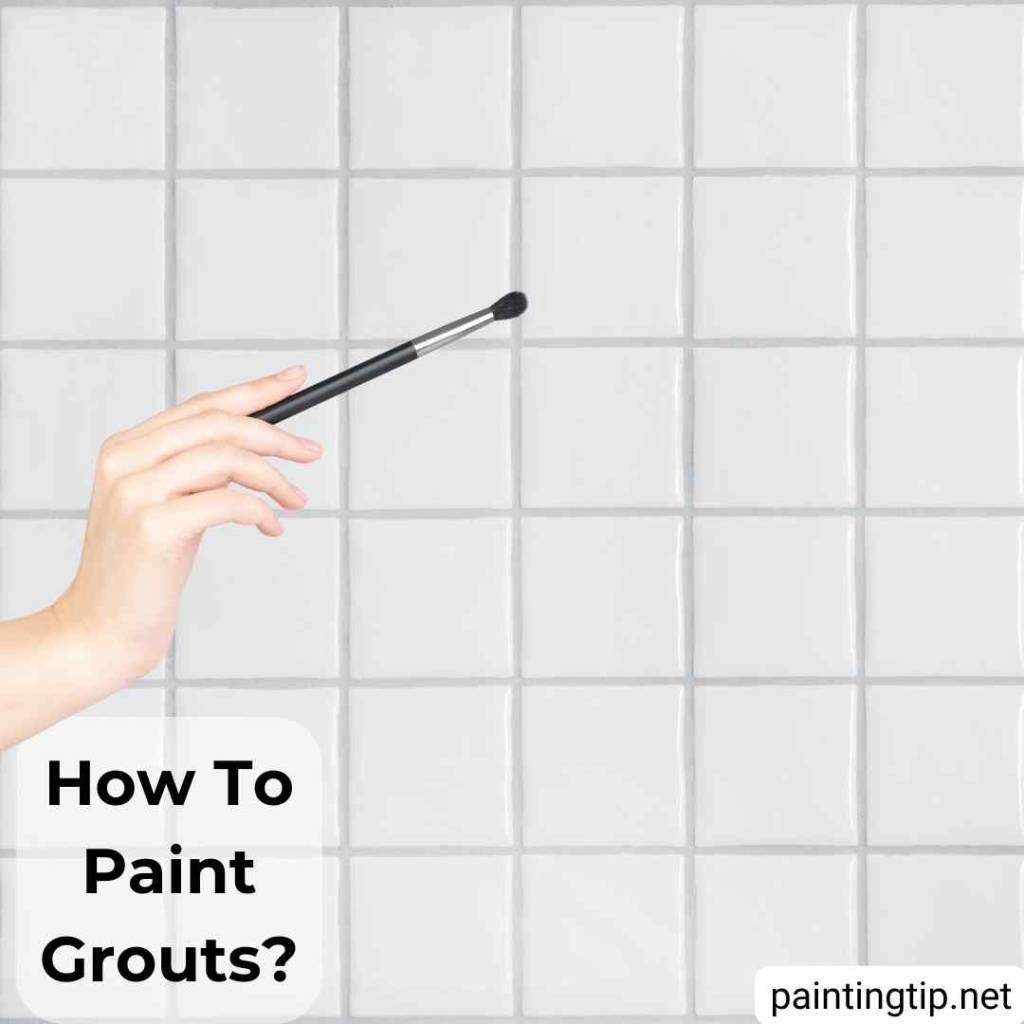
Wipe any paint that lands on the tile surface immediately with a damp cloth. Once acrylic paint dries on glazed tile, removal becomes significantly harder. Allow the first coat to dry for approximately four hours before assessing coverage and applying the second coat.
Use a fine-tipped artist’s brush or a dedicated grout brush for application. A pencil-tipped brush gives the most control and allows you to follow the grout line without overloading adjacent tile. Apply the paint in smooth, consistent strokes along the line, working in one direction. Don’t apply too thickly—a thin, even first coat adheres better than a heavy one and reduces the risk of brush marks showing in the final finish.
Wipe any paint that lands on the tile surface immediately with a damp cloth. Once acrylic paint dries on glazed tile, removal becomes significantly harder.
Allow the first coat to dry for approximately four hours before assessing coverage and applying the second coat.
Step 5: Apply the Second Coat
One coat rarely gives sufficient coverage or durability on grout—the porous surface absorbs paint unevenly, and a single layer will show thin spots once dry. Apply a second coat using the same technique as the first. Two coats is the practical minimum; on particularly dark or stained grout, a third coat may be needed to achieve consistent coverage.
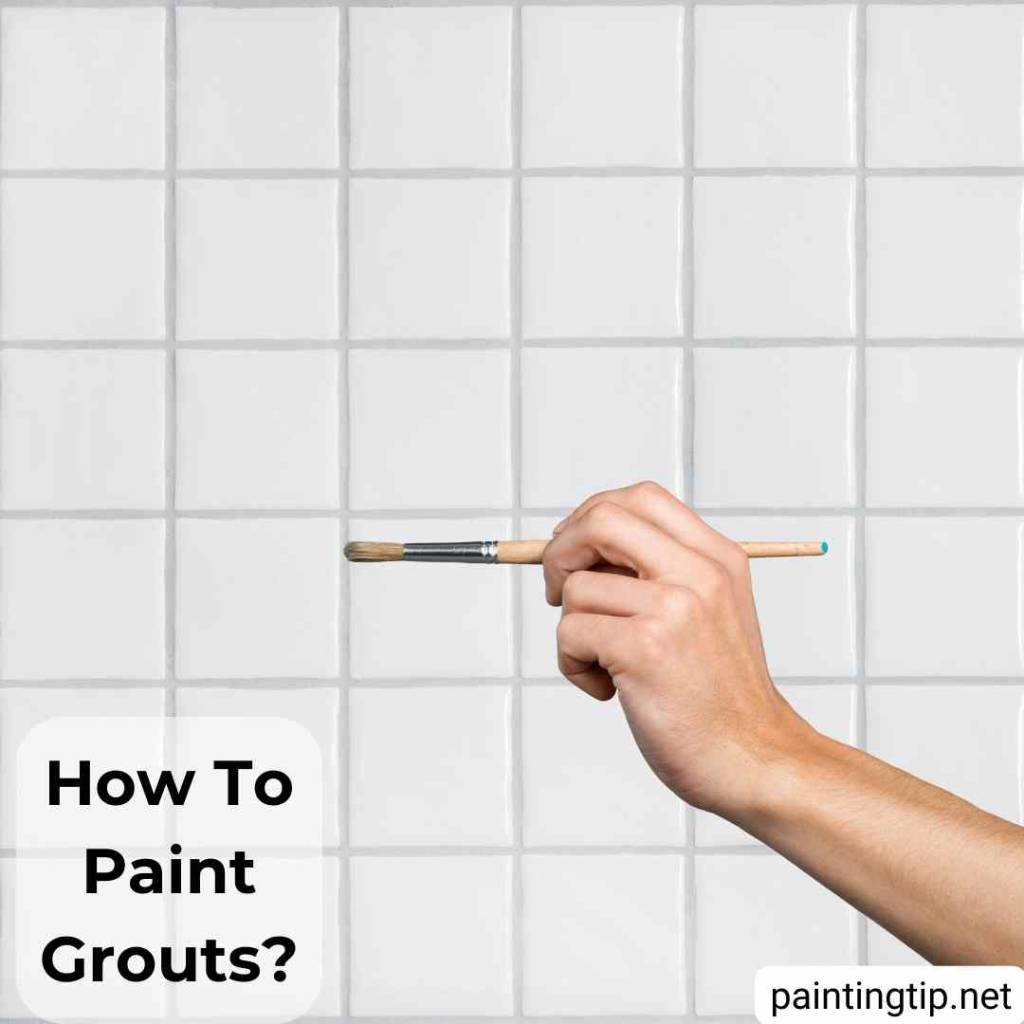
Allow the final coat to dry completely before the next step—typically four to six hours for acrylic paint under normal indoor conditions.
Step 6: Seal with Varnish
This step is optional on wall grout but strongly recommended for floor grout and any bathroom surface that sees regular water exposure. Apply a water-based varnish over the painted grout lines once the final coat has cured fully. The varnish layer adds resistance to friction, moisture, and cleaning product contact—the three main causes of painted grout wearing prematurely. Use a brush that matches the width of your grout lines and apply in a single, even coat.

How Long Does Painted Grout Last?
On wall grout in a bathroom, a properly painted and sealed finish typically holds for five years or more before needing attention. Floor grout wears faster due to foot traffic and abrasion—high-traffic areas may show wear in two to three years, while low-traffic floors can last considerably longer. The type of paint, number of coats, and whether a varnish was applied all affect longevity. Touching up worn areas is straightforward—clean, dry, and repaint the affected lines rather than redoing the entire surface.
Frequently Asked Questions
Below are answers to the most common questions about painting grout lines. For anything not covered here, feel free to use the comments section. “Related article: Removing paint from tiles“
Can You Paint Grout Lines?
Yes. Grout’s porous surface accepts paint readily, and painting is a practical way to refresh discolored or stained grout without replacing it. The results hold up well on wall grout and reasonably well on floor grout, provided the right paint is used and the surface is properly prepared beforehand.
Can You Paint Grout with Acrylic Paint?
Yes, and it’s one of the more accessible options for DIY grout painting. General-purpose acrylic paint adheres well to grout’s porous surface, dries quickly, and cleans up easily while wet. For floor grout or bathroom applications, finishing with a water-based varnish after painting extends the life of the finish considerably.
Can You Paint Grout with Regular Paint?
Standard wall paint isn’t well-suited for grout—it lacks the flexibility and water resistance that grout lines need, particularly in bathrooms and on floors. It may adhere initially but will typically begin to peel within months in wet or high-traffic areas. Purpose-made grout paint or acrylic paint with a varnish topcoat are more reliable choices.
Can You Paint Shower Grout?
Yes, though shower grout is one of the more demanding applications because of the consistent water and humidity exposure. Use a paint specifically formulated for wet areas—epoxy-based grout paint or a high-quality waterproof acrylic—and seal with a water-resistant varnish afterward. Preparation is especially critical in a shower: the grout must be completely free of mildew and soap residue, and fully dry before painting.
Does Grout Paint Actually Work?
Purpose-made grout paint works well when the grout is in good structural condition and the surface is properly prepared. The results are most durable on wall tiles and least durable on high-traffic floor grout. The most common reasons painted grout fails prematurely are insufficient surface preparation, painting over damaged or damp grout, and using a paint not suited to the application.
Can You Paint Floor Grout?
Yes, but floor grout is the most demanding application for painted grout due to abrasion and foot traffic. Use a durable paint—purpose-made grout paint or acrylic with a hard-wearing varnish topcoat—and expect to touch up high-traffic areas more frequently than you would on wall grout. Proper sealing after painting makes a significant difference to how long the finish holds.
How Do You Color Grout with Acrylic Paint?
The process is the same as standard grout painting: clean and dry the grout thoroughly, apply two thin coats of acrylic paint with a fine brush, allow each coat to dry fully, and finish with a water-based varnish for protection. For color accuracy, test the paint on a small inconspicuous section first—acrylic paint can dry slightly darker or lighter than it appears wet, and grout’s porous surface can affect how the final color reads.
