Silicone caulk is widely used in American homes around bathtubs, sinks, showers, and window frames. It is popular because it is flexible and water-resistant. However, when silicone caulk is applied incorrectly or ages over time, it can cause sealing problems. Mold growth, discoloration, unpleasant odors, and water leaks often push homeowners to look for caulk alternatives.
Many homeowners today are looking for an alternative to silicone caulk, especially in bathrooms, bathtubs, and around windows. In this article, we take a closer look at practical caulk alternatives and explain where each option works best.
Caulk Alternatives for Bathrooms, Bathtubs, and Windows
As mentioned earlier, silicone caulk is not always the most user-friendly sealing material. Improper application, trapped moisture, and poor ventilation can cause silicone to peel, discolor, or develop mold over time. In many cases, old silicone must be completely removed and reapplied, which can be messy and time-consuming.
Because of these ongoing issues, many homeowners begin looking for a bathtub caulk alternative or a more practical solution for window edges. Below, we explain the most effective alternatives to silicone caulk and where each option performs best.
1-Sealing Tape (Bathtub and Shower Sealing Tape)
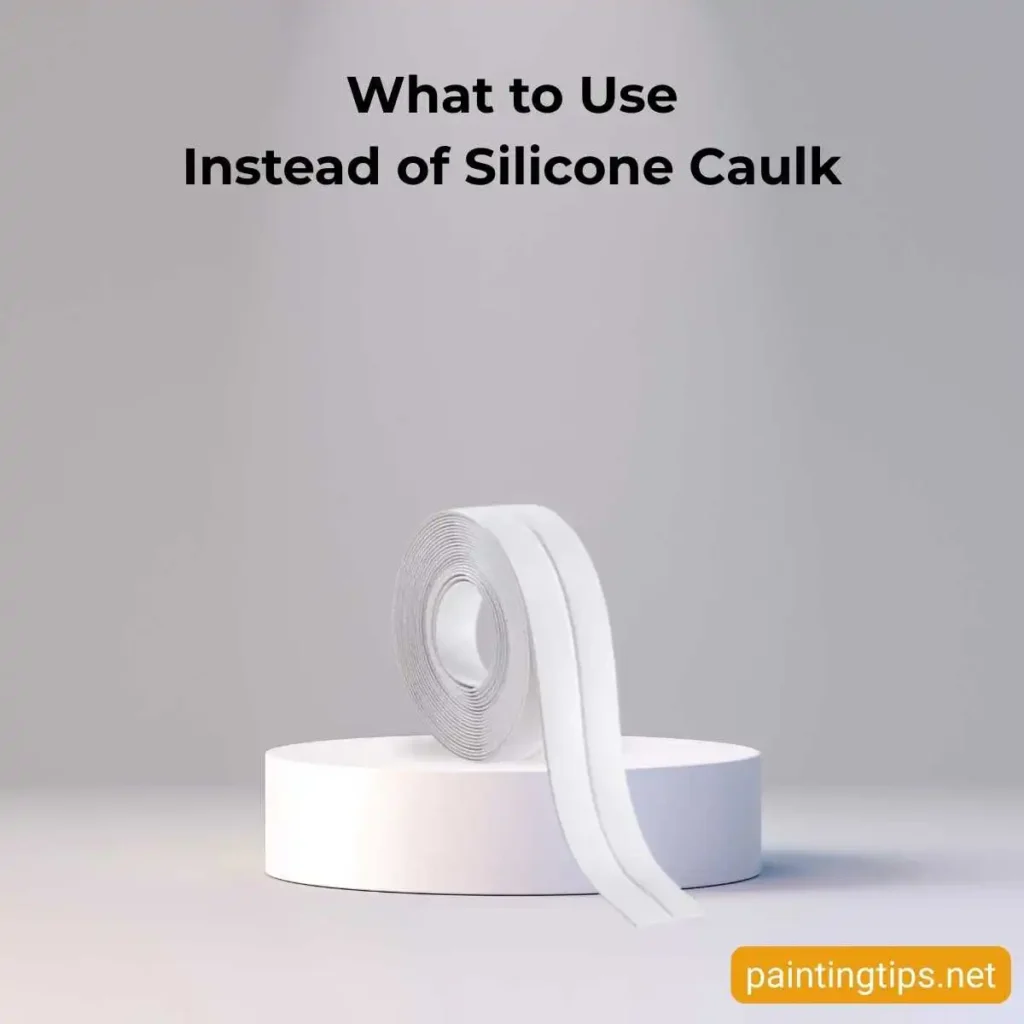
Sealing tape is one of the most popular caulk alternatives for bathtubs, shower trays, and sinks. These self-adhesive waterproof tapes are designed specifically for wet areas. Compared to silicone caulk, sealing tape is slightly more expensive, but it offers several advantages:
- Easy and clean application
- No strong chemical smell
- Resistant to cleaning products
- Does not yellow or mold easily
- Long-lasting when applied correctly
For homeowners who want a quick alternative to silicone caulk without mess, sealing tape is an excellent choice, especially around bathtubs and sinks.
2-Bathtub Trim Strips (Tub Edge Trim)
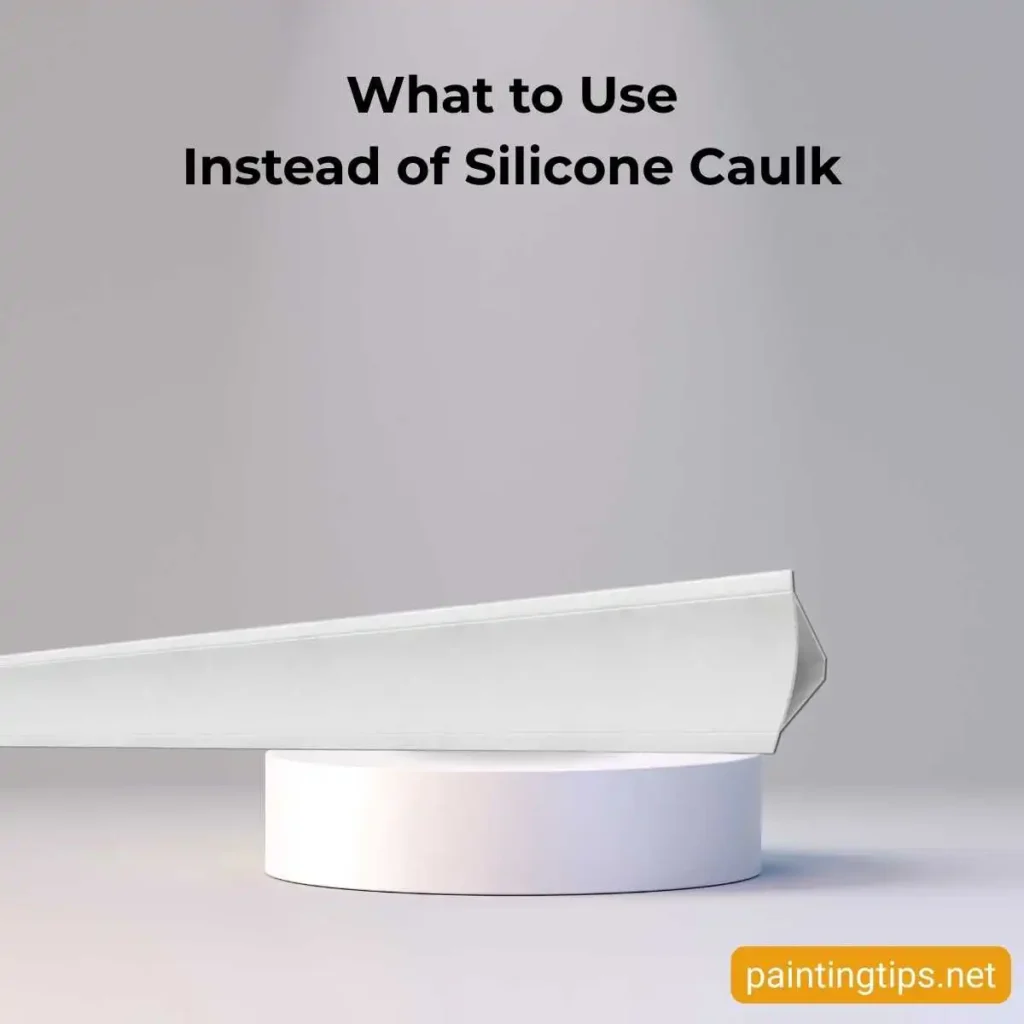
Bathtub trim strips are plastic edge profiles, usually white or transparent, that are installed where the bathtub, shower enclosure, or countertop meets the wall. They provide a neat, finished look while helping to block water penetration.
These trim strips come in different colors and sizes, so they usually do not create an unattractive appearance. White and clear trims are the most commonly used options in modern bathrooms.
However, there is one important detail: bathtub trim strips still require adhesive for installation, and in most cases, silicone caulk is used as the bonding material. In addition, special corner pieces are often needed to create clean and watertight corner joints. Installation steps are simple:
- Cut the trim strips to size
- Apply adhesive or silicone to the back
- Press firmly into place
- Avoid water contact for at least 24 hours
While not a full replacement, trim strips can reduce visible caulk lines and extend the lifespan of the seal.
3-Polyurethane Sealant (PU Sealant)
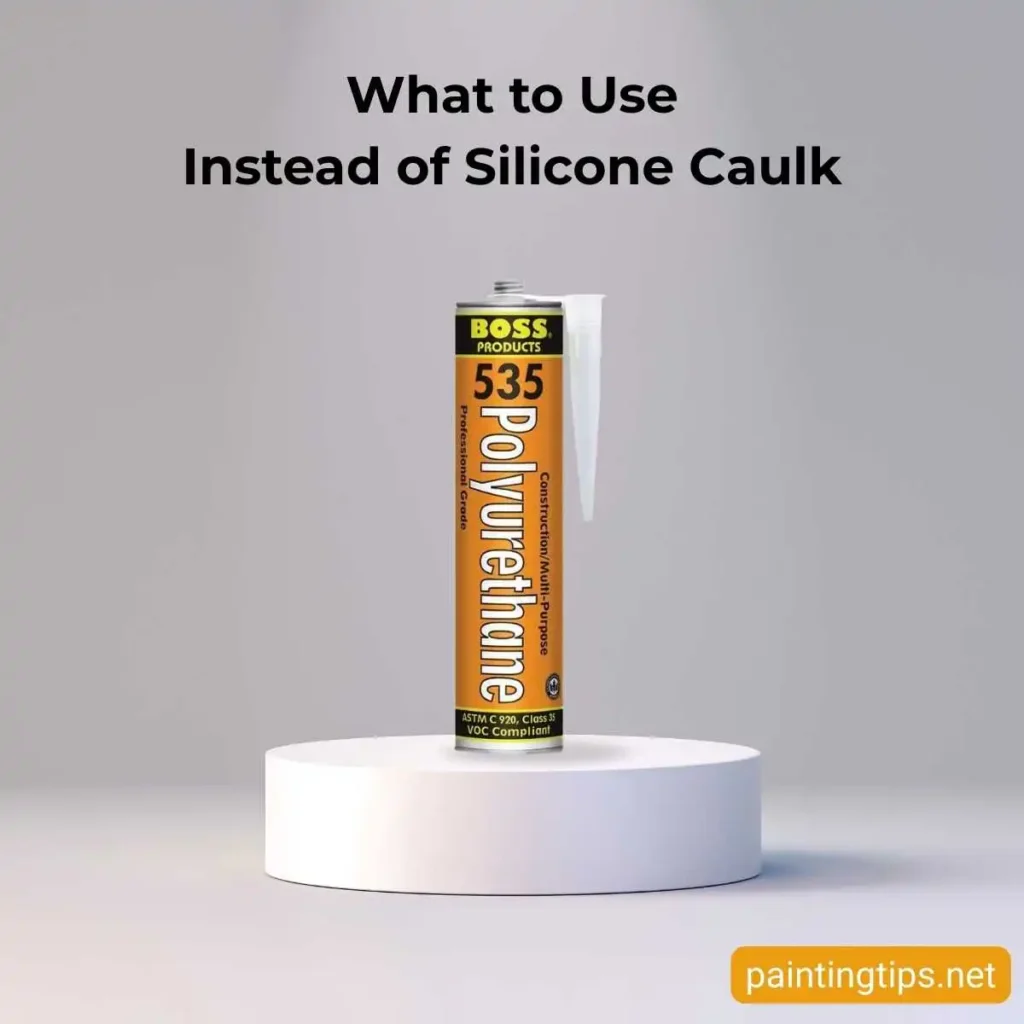
Polyurethane sealants are much stronger and more durable than standard acrylic sealants. They are commonly used for both sealing and bonding applications in construction and renovation projects. As an alternative to silicone caulk, polyurethane sealant offers:
- Extremely strong adhesion
- High flexibility
- Excellent water resistance
- Long service life
Often sold as “PU sealant,” this material works well around bathtubs, shower bases, sinks, and even window frames. It adheres strongly to ceramic, metal, concrete, and many plastics.
One drawback is that polyurethane sealants are not available in fully transparent versions. They are usually produced in white, gray, or beige tones. Still, for those looking for a durable bathtub caulk alternative, PU sealant is a professional-grade option.
4-Clear Self-Adhesive Sealing Tape for Windows and Doors
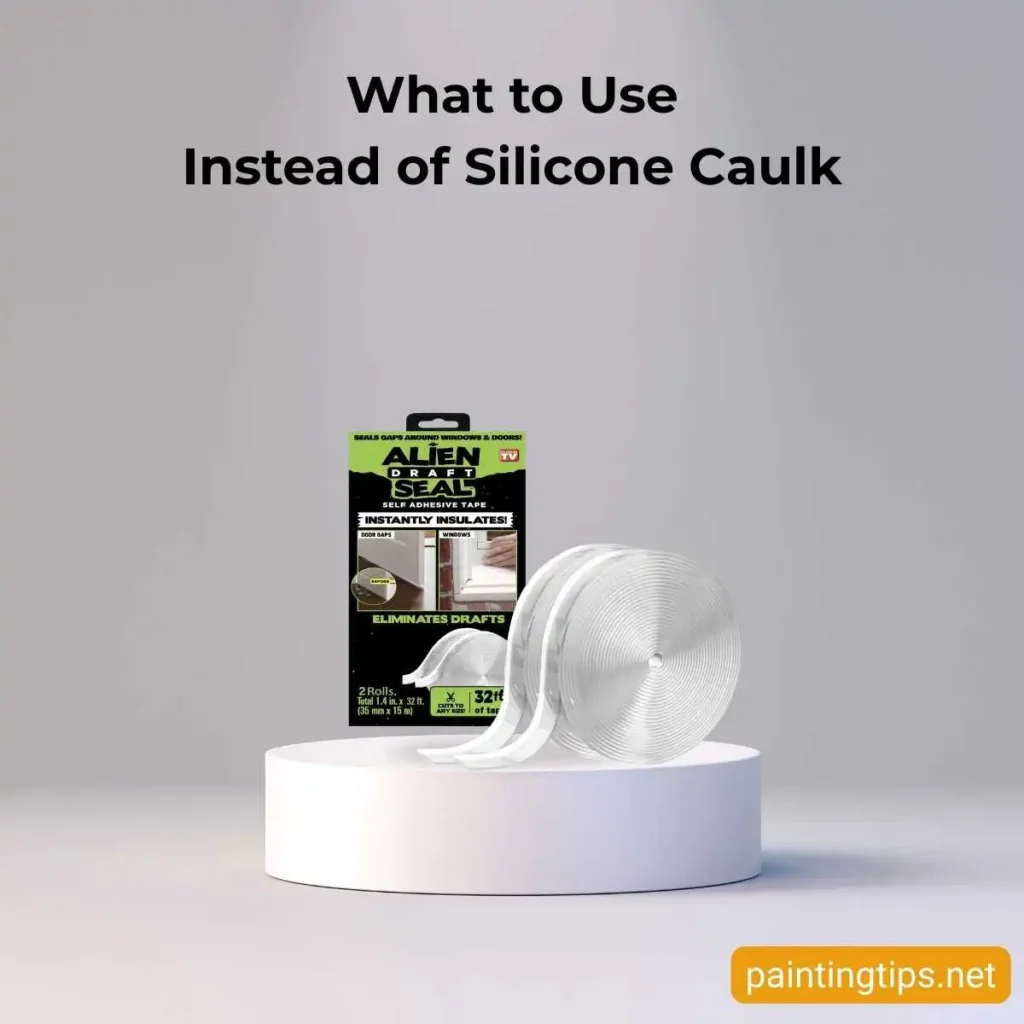
Self-adhesive sealing tapes are a practical alternative to silicone caulk, especially for sealing gaps around windows, doors, and light-duty interior joints. These flexible tapes are designed to block drafts, reduce air leaks, and help prevent moisture from passing through small gaps. Unlike traditional caulking, sealing tape:
- Requires no tools or curing time
- Applies cleanly with a peel-and-stick design
- Blends easily thanks to its low-profile and transparent look
- Helps improve insulation around windows and doors
As an alternative to caulking, this type of tape is ideal for homeowners who want a quick, mess-free solution without dealing with caulk guns or cleanup. While it is not intended for constant water exposure inside showers, it works well as an alternative to silicone caulk for window edges, door frames, and areas exposed to occasional moisture. You can find this type of sealing tape at Walmart here. If leaking windows are a concern in your home, this guide may help: How Do You Fix Leaking Windows?
Which Caulk Alternative Is Best?
The best caulk alternative depends on the area you are sealing and the level of moisture exposure.
- For bathtubs and showers: waterproof sealing tape or polyurethane sealant works best for preventing leaks and moisture buildup.
- For decorative edges and clean finishes: bathtub trim strips help create a neat appearance while supporting the seal.
- For windows and doors: clear self-adhesive sealing tape is a practical alternative to silicone caulk, especially for draft prevention and light moisture protection.
Each alternative to silicone caulk has its own advantages. Choosing the right option can help reduce mold growth, prevent water leaks, and minimize ongoing maintenance while delivering a cleaner and longer-lasting result.
Final Thoughts
Silicone caulk is still commonly used, but it is no longer the only option for sealing bathrooms, bathtubs, and windows. Today, improved materials such as sealing tapes, trim systems, and polyurethane sealants offer practical caulk alternatives that are often easier to apply and maintain.
Whether you need a reliable bathtub caulk alternative, a clean solution for window edges, or a simple alternative to caulking without the mess, choosing the right product can make a noticeable difference. With the right alternative to silicone caulk, you can reduce mold issues, limit water damage, and achieve a cleaner, more professional finish throughout your home.
