Wood floors instantly enhance the look and feel of a home, but they are also one of the surfaces where daily life leaves the most visible marks. Even with the most careful use, scratches, wear, and general damage are almost inevitable. In this guide, we’ll cover essential tips on how to get scratches out of wood floors and how to protect them from future damage.
How to Get Scratches Out of Wood Floors
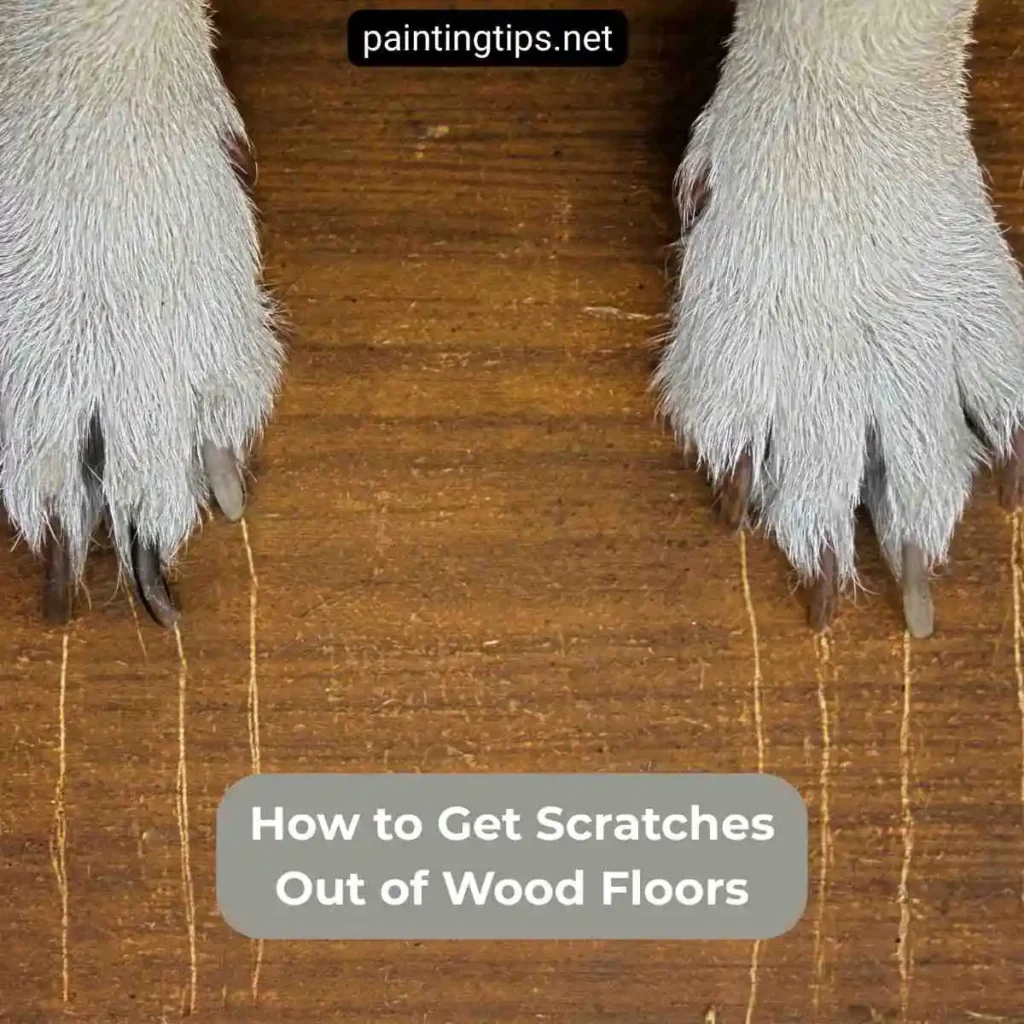
Wood floors add warmth and elegance to any home, but because wood is a natural and somewhat delicate material, it can easily get scratched or worn over time. These scratches may come from pets, furniture legs, toys, or simply everyday use. No matter how they happen, there are several effective ways to remove scratches from wood floors and restore their appearance.
To repair deep scratches on wood floors, wood filler or even sanding dust mixed into a paste can help rebuild the worn area and create a smooth, even surface. If the scratches are severe enough to affect the wood’s appearance or color, applying a suitable wood stain is one of the most effective ways to bring back the floor’s natural look. With these options in mind, let’s break down each method and see how they work in different scratch levels.
1-Stain Pen
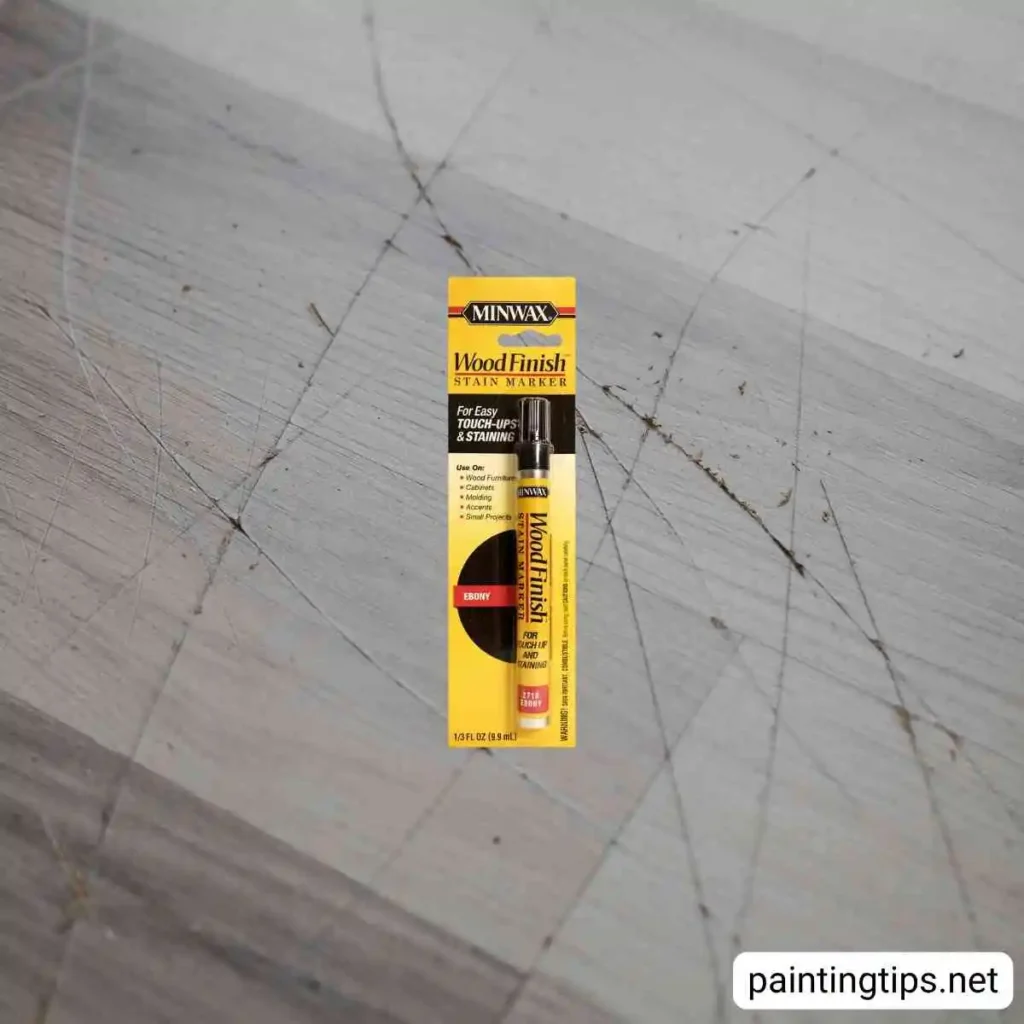
A stain pen is one of the easiest ways to touch up light scratches on wood floors. These pens are designed to match common wood tones, allowing you to blend the scratched area with the rest of the floor. Start by cleaning the scratch so there’s no dust or residue. Then gently run the stain pen over the mark, following the direction of the wood grain. Let it sit for a few seconds, and wipe away any excess with a clean cloth. If needed, you can repeat the process until the color blends naturally. This quick method works best for shallow, surface-level scratches that only affect the finish—not deep gouges.
2-Wood Filler
Wood filler is a great option for repairing deeper scratches, dents, or small gouges in wood floors. Begin by cleaning the damaged area to remove dust and debris. Choose a filler that matches your floor color, or use a stainable filler if you plan to apply wood stain afterward. Press the wood filler into the scratch using a putty knife, making sure to fill the entire indentation. Smooth the surface and remove any excess before it dries.
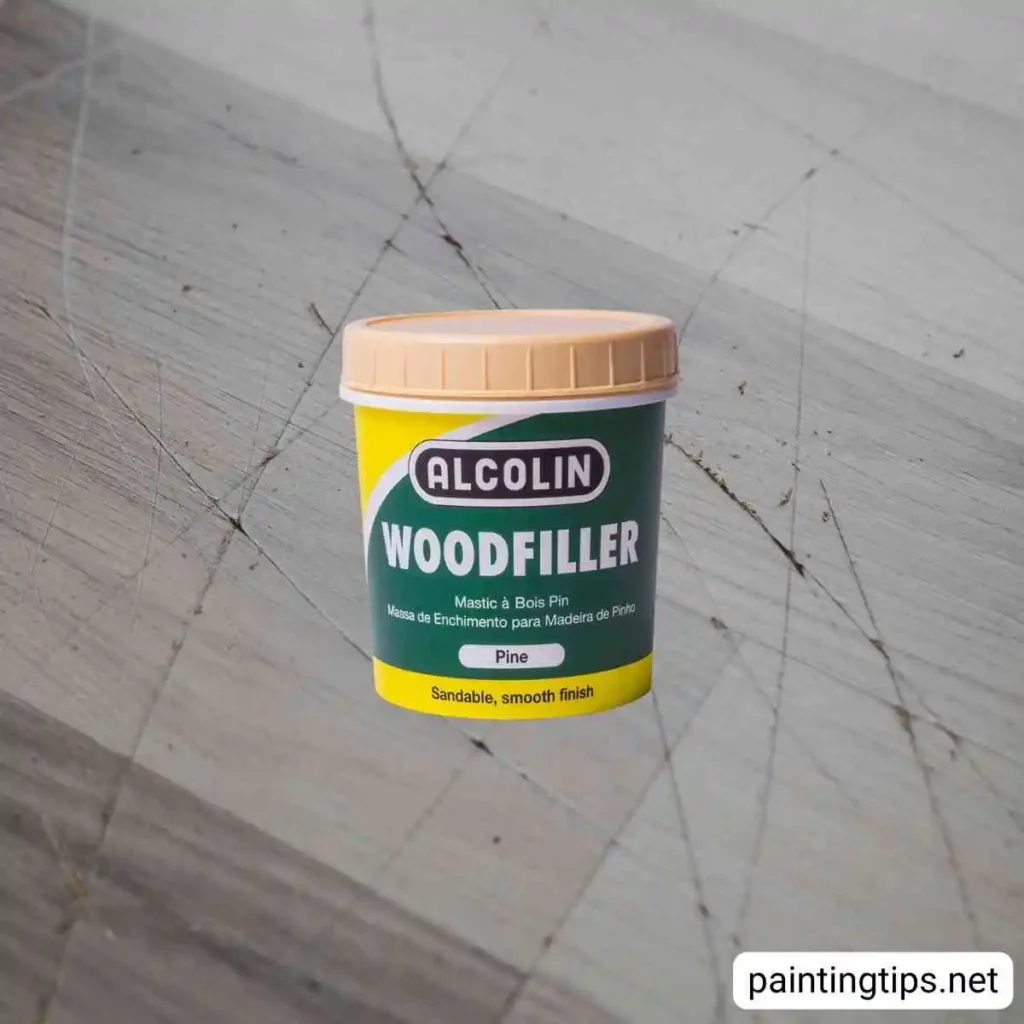
Once the filler is completely dry, lightly sand the spot to level it with the surrounding wood. At this point, you can apply a matching wood stain or finish to blend the repair seamlessly with the rest of the floor. This method works well when the scratch is too deep for simple touch-up products like stain pens or wax sticks.
3-Crayon
Using a crayon is a quick, budget-friendly way to hide light scratches on wood floors. Choose a crayon color that closely matches your floor. Start by gently cleaning the scratched area so the wax can adhere properly. Then rub the crayon over the scratch, pressing lightly to fill the mark with wax.
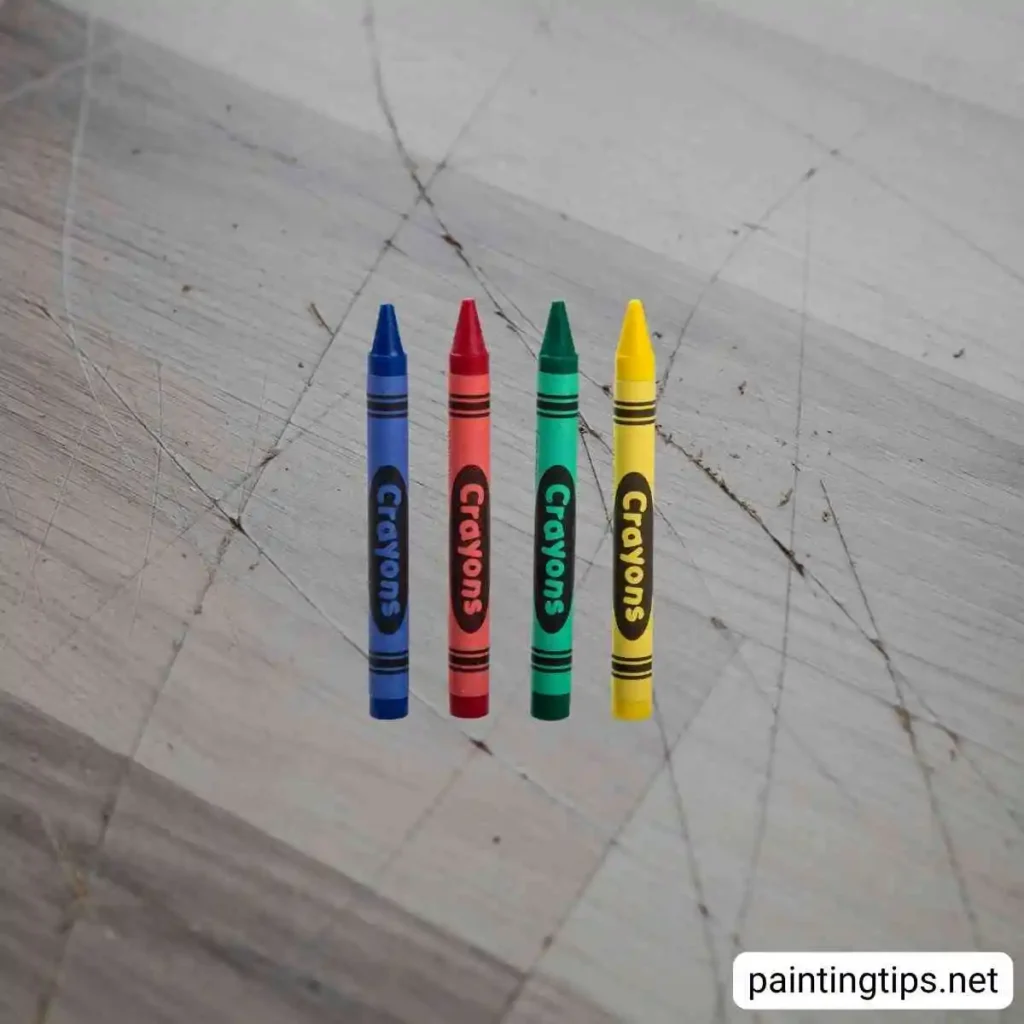
Once the scratch is filled, buff the area with a soft cloth to remove any excess and blend the color into the surrounding wood. This method works best for shallow scratches and surface-level scuffs, offering a fast and simple touch-up when you don’t have specialized products on hand.
4-Wax Stick
A wax stick is a reliable option for filling and disguising light to medium scratches on wood floors. Choose a wax stick that matches your floor’s color for the best results. Start by cleaning the scratched area to make sure the wax adheres properly. Then rub the wax stick firmly over the scratch, allowing the wax to fill the damaged spot completely. Once the scratch is filled, use a plastic scraper or a credit card to level the wax with the surrounding surface.
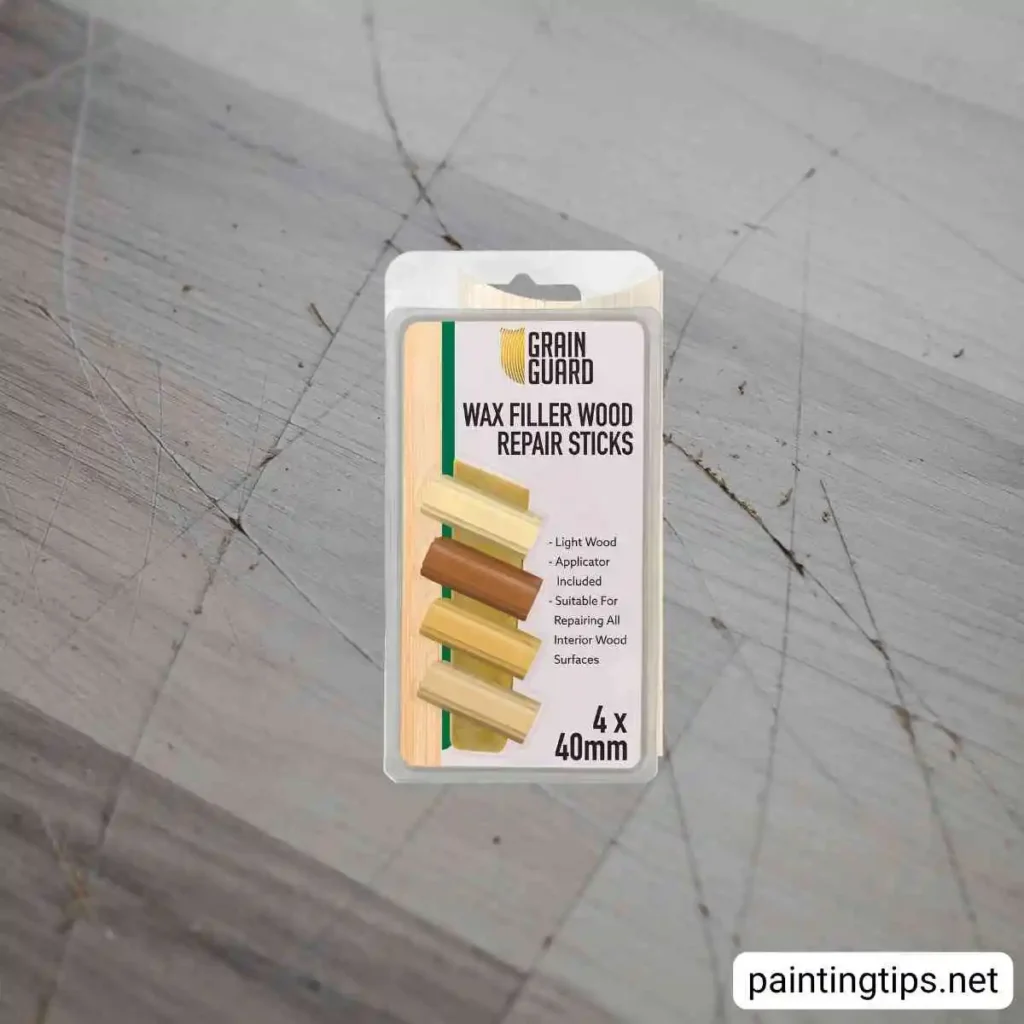
Finish by buffing the area with a soft cloth to blend the repair and restore a smooth appearance. Wax sticks are especially useful when you want a quick, durable fix without sanding or refinishing the entire floor.
5-Sanding
Using sanding dust to repair scratches is a more advanced method, typically used for deeper or larger scratches. This technique involves lightly sanding the damaged area and collecting the fine sanding dust from the same wood surface.
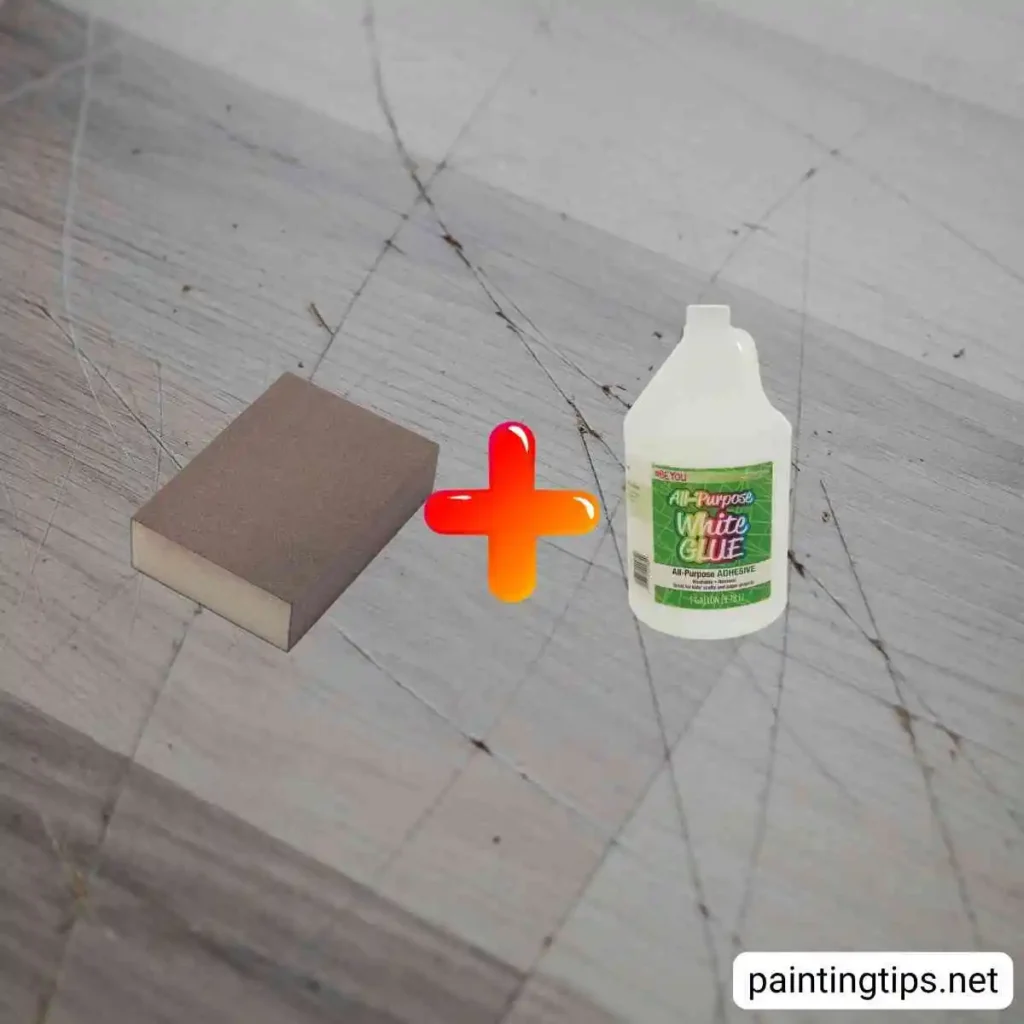
Mix this dust with a small amount of white wood glue to create a paste that closely matches the color and texture of your floor. Apply the mixture into the scratch using a putty knife, pressing it in to fill the damaged spot completely. Smooth the surface and let it dry fully. Once dry, lightly sand the area again to level it with the surrounding floor. After that, you can apply a matching wood stain or finish to blend the repair seamlessly. This method works well for bigger scratches or small gouges where regular wood filler might not blend as naturally with the floor.
6-Wood Stain
Applying wood stain is a highly effective method for repairing scratches that are too extensive for other touch-up techniques. This method works best on solid wood floors without a laminate coating, as the stain needs to penetrate the wood surface to restore color.
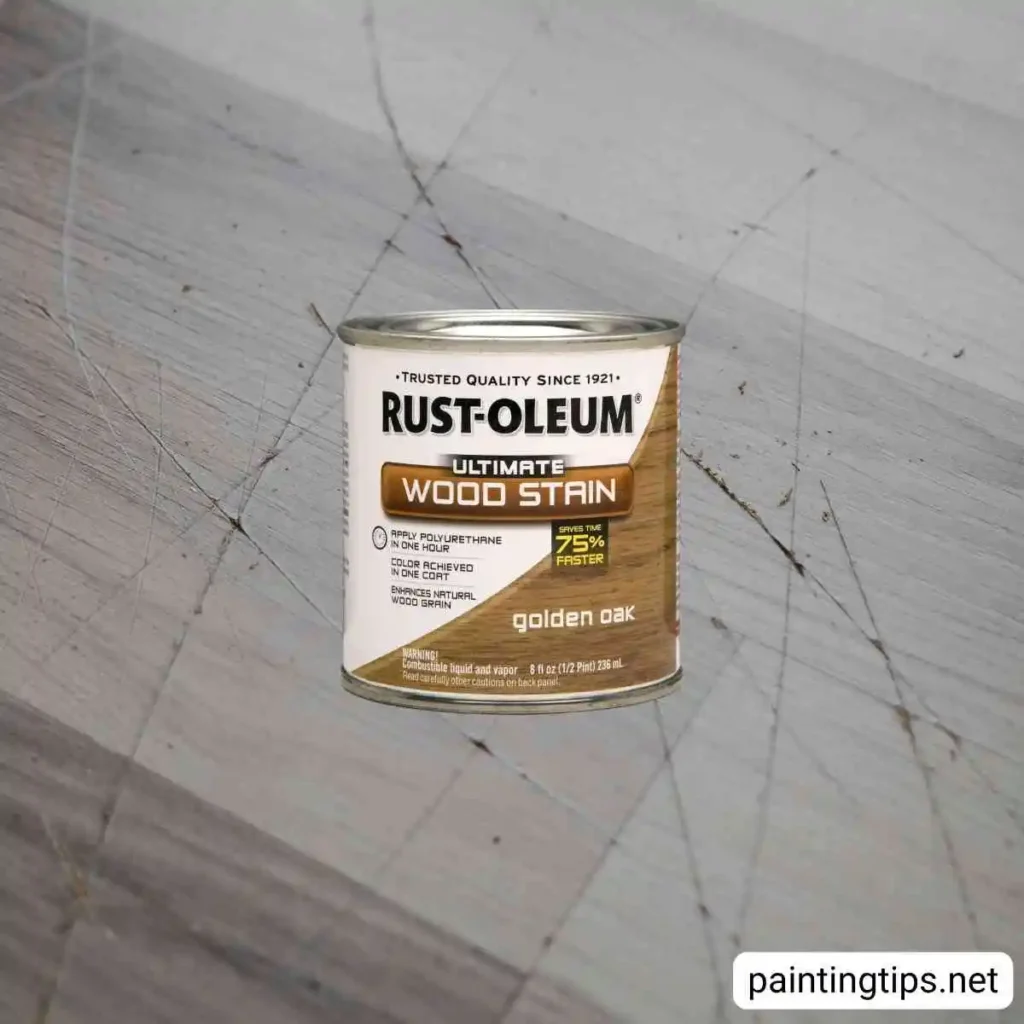
Choose a wood stain that matches your floor’s original tone. Begin by cleaning the scratched area thoroughly, then apply the stain evenly over the damaged spots using a brush or cloth, following the direction of the wood grain. Allow the stain to penetrate and dry completely, and apply additional coats if needed until the scratches blend seamlessly with the surrounding wood. This method is ideal when scratches are widespread, deep, or when other solutions like stain pens, wax sticks, or wood filler aren’t sufficient. If you’re interested in giving your wood floors a completely new look, check out our guide on “How to Paint Hardwood Floors” for step-by-step tips and expert advice.
Preventing Damage to Wood Floors
Protecting your wood floors is just as important as repairing scratches. Start by placing felt pads under furniture legs and keeping the floor properly sealed with a protective finish. Avoid dragging heavy items, such as chairs or furniture, across the surface to prevent scratches and dents. Keep your pets’ nails trimmed and well-maintained, and provide scratching posts for cats to minimize damage. Steer clear of abrasive cleaning products that can wear down the finish. For exposed wood floors without a laminate layer, apply a protective varnish when needed to maintain durability. Finally, in high-traffic areas, use rugs, runners, or mats to reduce wear and help preserve your floor’s appearance over time. “Related article: How to Paint a Baseboard“
