Acrylic and oil-based paints are chemically incompatible in a way that matters practically: oil-based paint cures into a hard, slick, non-porous film that water-based coatings—including acrylic—struggle to grip. Apply acrylic directly over oil without preparation and the result looks fine for days or even weeks before the adhesion failure shows up as peeling or flaking. By then, you’ve lost the time you spent painting and gained a repair job on top of the original problem. The good news is that painting acrylic over oil-based paint works reliably—with the right preparation. This guide covers both methods, when each makes sense, and what actually happens when you skip the prep.
Can You Paint Acrylic Over Oil?
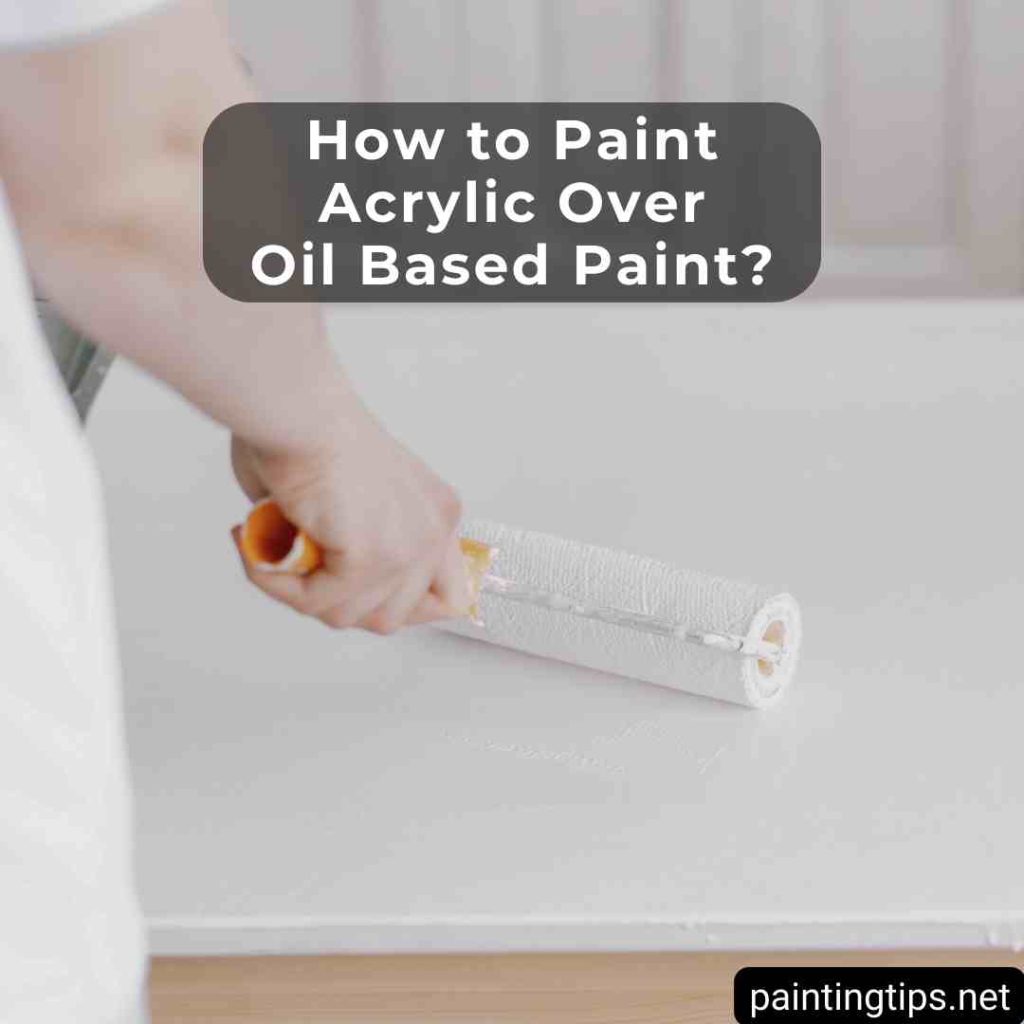
Yes, but not directly. The slick surface that oil-based paint leaves when fully cured gives acrylic paint almost nothing to bond to. Even when acrylic appears to stick initially, the bond is weak enough that normal wear, temperature changes, or moisture will eventually cause it to lift. This isn’t a product quality issue—it’s a chemistry mismatch that no amount of careful brushwork will fix without addressing the surface first.
The preparation required depends on which approach you take. A bonding or transitional primer applied over the oil-based surface creates a layer that bridges the chemistry gap—something acrylic can grip that also grips the oil-based paint beneath it. Sanding works through a different mechanism: it breaks the slick film mechanically, creating a slightly rough surface that gives the acrylic paint something to key into. Both methods work. The right choice depends on the surface, the tools available, and how much preparation work you’re willing to do.
One important distinction: this applies to fully cured oil-based paint. Applying any water-based coating over oil-based paint that hasn’t fully dried is a different problem entirely—the solvents still off-gassing from the oil-based layer will interfere with the acrylic as it tries to cure, and the result will be worse than applying acrylic over cured oil without any prep at all.
“For a deeper understanding of how oil-based and water-based products differ, our guides on Oil-Based Stain vs. Water-Based Stain and Water Based vs Oil Based Paint are worth reading before you start.”
What Happens If You Paint Acrylic Over Oil Without Preparation?
The failure is predictable even if the timing isn’t. Acrylic paint applied directly over a cured oil-based surface will appear to dry normally. The problem becomes visible later—sometimes days, sometimes weeks—when the paint begins to lift at edges, peel in sheets, or flake under normal contact. High-touch surfaces like doors, trim, and cabinets show the failure fastest. Walls may hold longer but will eventually show the same result.
The reason is straightforward: acrylic is water-based and flexible. Oil-based paint is rigid and non-porous when cured. The two films expand and contract differently with temperature and humidity changes, and without a proper bond between them, those movements separate the layers. No topcoat can compensate for a failed bond at the substrate level. “If you’re working with latex specifically, our guide on how to paint latex over oil paint walks through the process with latex-specific considerations.”
How to Paint Acrylic Over Oil-Based Paint
There are two reliable methods. The first uses a primer to bridge the chemistry gap without sanding. The second uses sanding to mechanically break the gloss and create adhesion. A combination of both—light sanding followed by primer—gives the most reliable result, but either method alone is sufficient when executed correctly.
Step 1: Clean the Surface
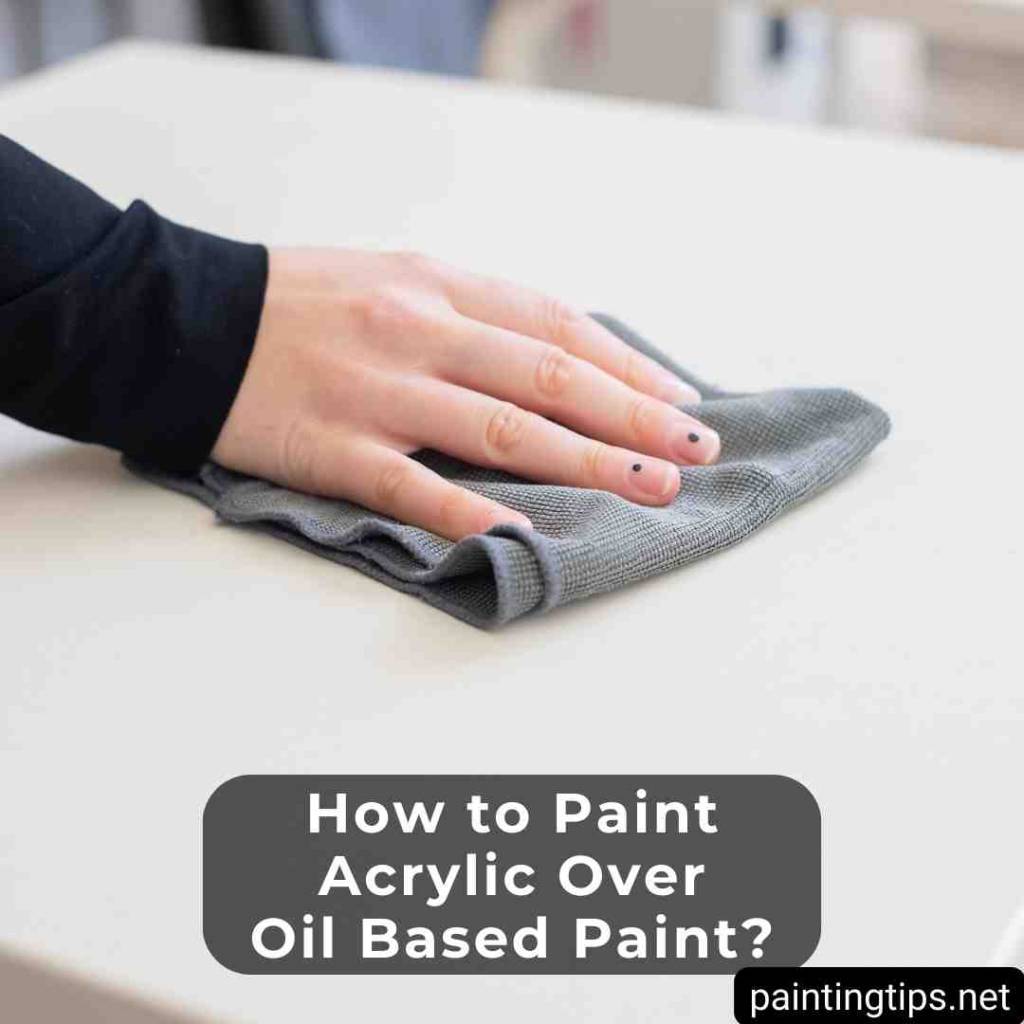
Before anything else, clean the oil-based surface thoroughly. Grease, dust, and hand oils are invisible adhesion killers—they sit between the old paint and whatever you apply next, preventing proper bonding regardless of how well you prime or sand. Wash with warm water and a mild detergent or a dedicated degreaser, rinse with clean water, and allow to dry completely. In kitchens and bathrooms, this step is especially important—cooking residue and soap scum accumulate on painted surfaces in layers that aren’t always visible.
Step 2: Prime or Sand the Surface
This is where the two methods diverge. Using a primer: Apply one coat of bonding primer, transitional primer, or glossy surface primer over the cleaned oil-based surface. These products are formulated specifically to adhere to slick, non-porous surfaces and provide a base that acrylic paint can grip reliably. Allow the primer to dry fully—typically five hours, though product labels vary—before applying acrylic. Don’t rush this step. Applying acrylic over primer that hasn’t fully dried creates the same adhesion problem you were trying to solve.
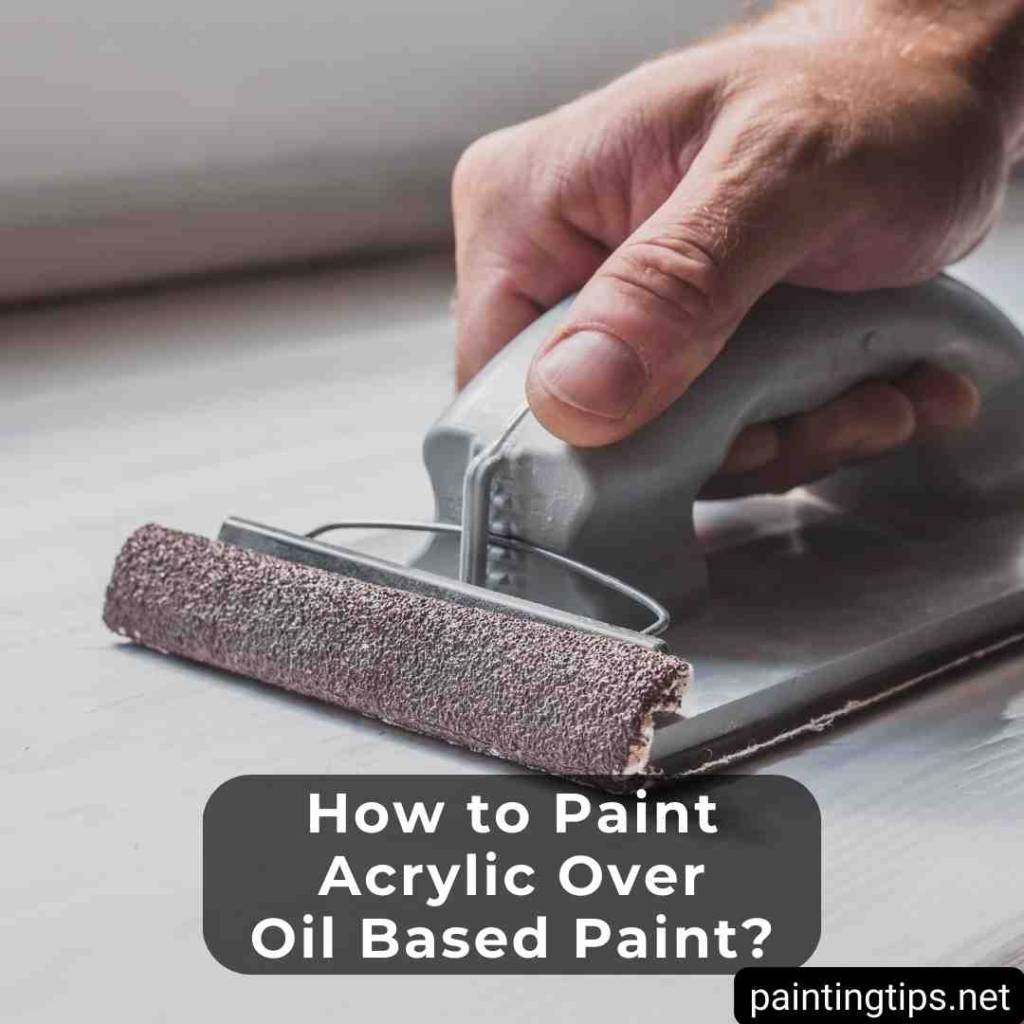
Using sandpaper: Use 180–200 grit sandpaper and work until the sheen is gone and the surface feels uniformly matte. You’re not trying to remove the oil-based paint—just break the slick film. On larger flat areas, a sanding block or orbital sander speeds up the process. On trim, profiles, and detailed work, hand-sand or use a sanding sponge. After sanding, wipe the surface with a damp cloth to remove all dust before painting. Dust left on the surface will telegraph through the finish and compromise adhesion.
Using both methods together—a light scuff-sand followed by a coat of bonding primer—gives the most reliable adhesion and is the safest approach on high-traffic or moisture-exposed surfaces.
Step 3: Apply the First Coat of Acrylic
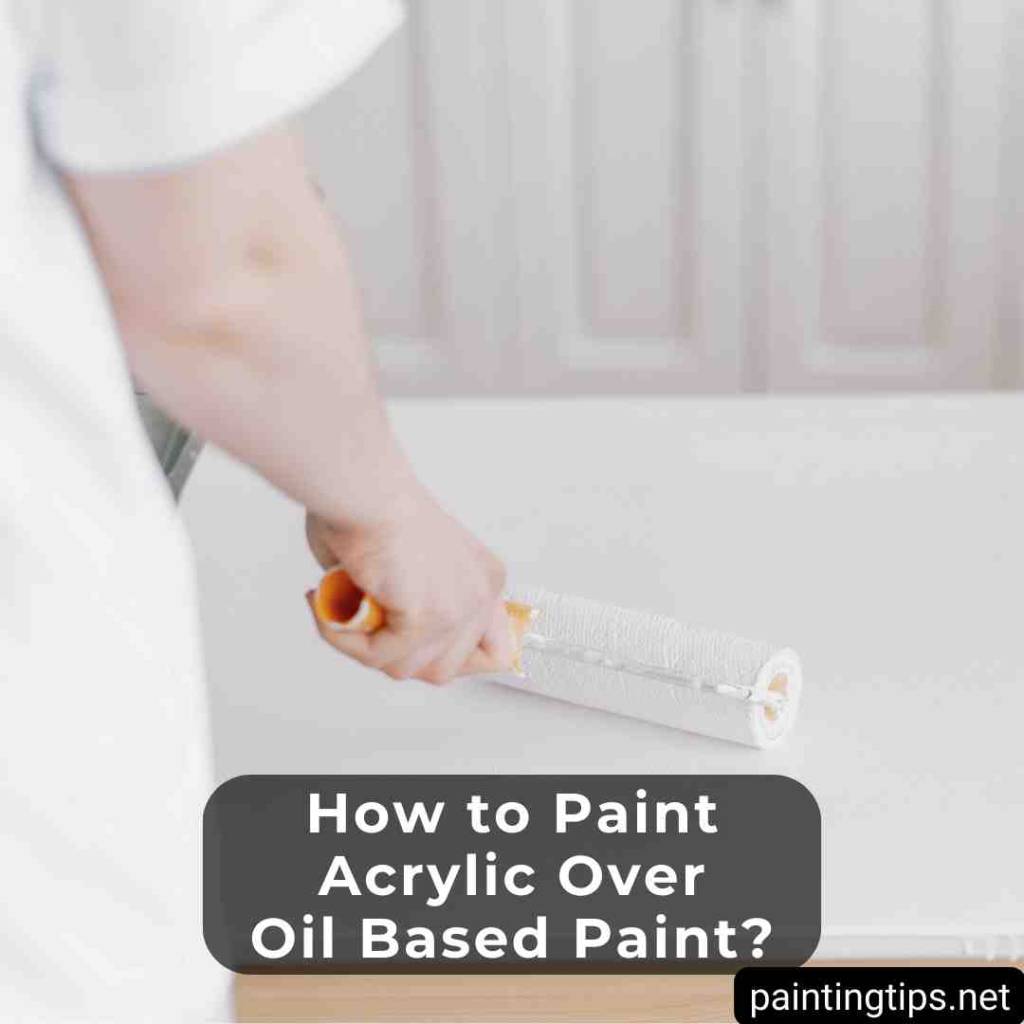
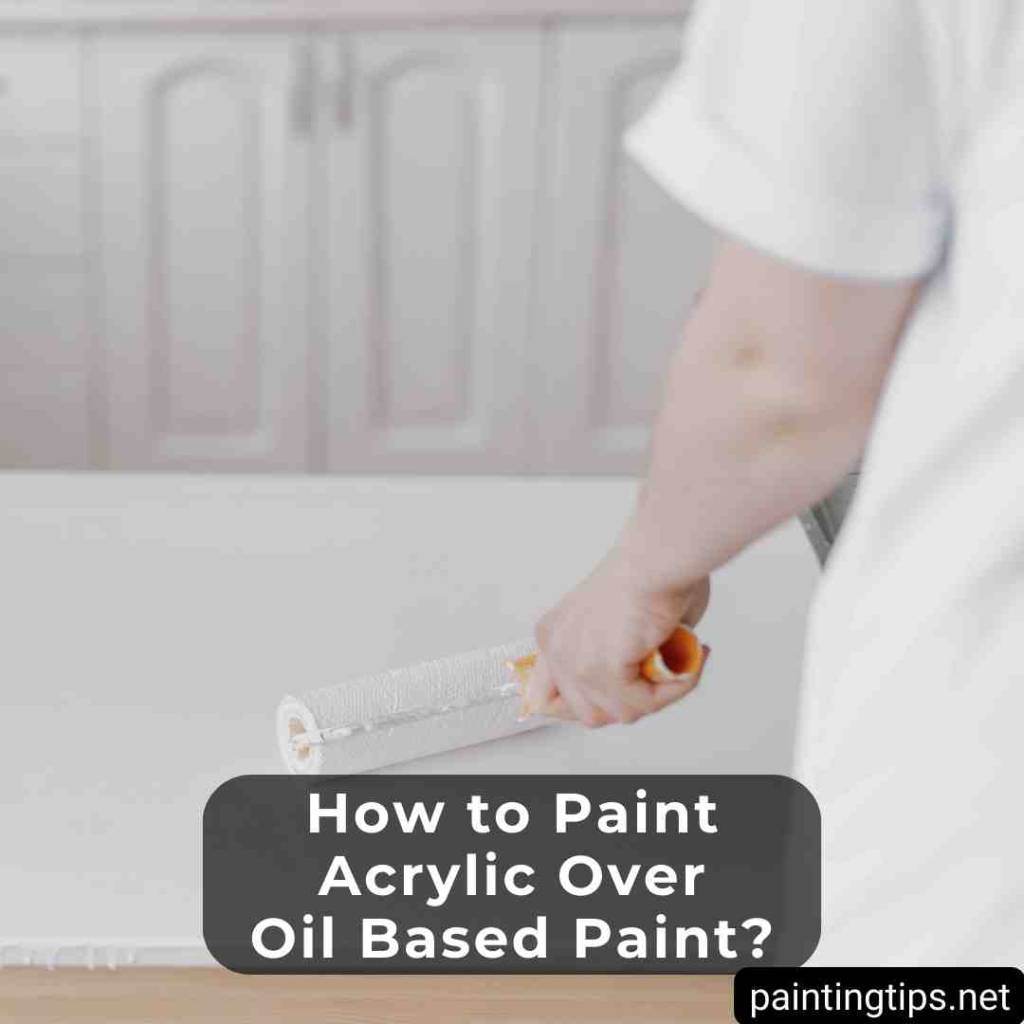
Apply the first coat of acrylic paint evenly over the primed or sanded surface. A short-nap roller minimizes brush marks and produces a more consistent finish on flat surfaces. “For streak-free results, our guide on how to paint with a roller without streaks is worth reading before you start.” Work in sections and maintain a wet edge to avoid lap marks. The first coat will often look uneven or thin—that’s normal and not an indication of adhesion problems.
Step 4: Allow the First Coat to Dry
Allow at least four to five hours for the first coat to dry before assessing coverage or applying a second coat. Recoating too soon traps moisture beneath the surface and can cause adhesion failure at the inter-coat level even when the bond to the substrate is sound. In humid conditions or cold temperatures, extend the drying time accordingly.
Step 5: Apply the Topcoat
Once the first coat is fully dry, apply the final coat of acrylic using the same technique. Two coats is the standard minimum for full coverage and durability. On surfaces with significant color change or heavy previous paint buildup, a third coat may be needed.
Acrylic Paint Over Oil-Based Primer
Oil-based primer followed by an acrylic topcoat is a legitimate and commonly used combination. Once an oil-based primer has fully cured, it presents a surface that acrylic paint can bond to without the adhesion problems associated with painting acrylic over cured oil-based topcoat. The primer does the bonding work at the substrate level; the acrylic topcoat bonds to the primer rather than directly to the substrate beneath.
The key requirement is full cure—not just dry to the touch. Oil-based primers feel dry within a few hours but continue curing for considerably longer. Apply acrylic topcoat too early and you risk trapping solvents that interfere with the acrylic as it dries. Follow the primer manufacturer’s recommended recoat window, and add time in humid or cold conditions.
Frequently Asked Questions
Below are answers to the most common questions about painting acrylic over oil-based paint. For anything not covered here, feel free to use the comments section.
Can You Use Acrylic Paint Over Oil-Based Paint?
Yes, with preparation. A bonding or transitional primer applied over the cleaned oil-based surface allows acrylic paint to adhere reliably. Sanding the surface to remove the gloss is an alternative that also works. Applying acrylic directly over oil-based paint without either step will result in adhesion failure—peeling or flaking that may not appear immediately but will develop under normal wear.
Can You Paint Acrylic Over Oil Without Sanding?
Yes, if you use a primer. A bonding primer, transitional primer, or glossy surface primer applied over the cleaned oil-based surface eliminates the need for sanding by creating an adhesion-promoting layer between the two paint types. Sanding without primer also works, but primer alone is the easier and less labor-intensive option for most surfaces.
Can You Paint Acrylic Over Wet Oil Paint?
No. Applying any water-based coating over oil-based paint that hasn’t fully dried will result in adhesion failure and an uneven cure. Oil-based paint may feel dry within hours, but full cure takes considerably longer—wait at least 24 hours before applying anything over it, and longer in humid or cold conditions. Applying acrylic over oil-based paint that’s still curing traps solvents beneath the surface, which causes both products to cure poorly.
What Paint Can You Use Over Oil-Based Paint?
Oil-based paint bonds directly to oil-based paint without primer, provided the surface is clean and sound. Water-based paints—acrylic, latex—require a bonding or transitional primer first. With the right primer, water-based topcoats perform well and durably over oil-based surfaces.
Can You Paint Acrylic Over a Varnished Oil Painting?
Yes, but the varnish needs to be removed first. Varnish creates an even slicker surface than cured oil-based paint, and acrylic won’t bond reliably to it even with sanding. Remove the varnish, sand the surface lightly, apply a primer if needed, then apply acrylic.
Can You Use Acrylic Finish Over Oil-Based Paint?
Acrylic varnish or topcoat applied over fully cured oil-based paint carries the same adhesion risk as acrylic paint over oil. Without proper surface preparation—sanding or priming—the acrylic finish will eventually lift. With preparation, it can work, but an oil-based topcoat over oil-based paint is a more straightforward choice if you’re finishing an oil-based painted surface.
