The question of how many coats of primer you need doesn’t have a simple answer. Every painting project is different, and what works for one wall might not work for another. You might be covering a dark color, dealing with stains, or working with new drywall. Understanding when you need two coats, which type of primer to use, and common mistakes like applying too much or painting too soon will help you get professional results that last.
How Many Coats of Primer Do You Need?
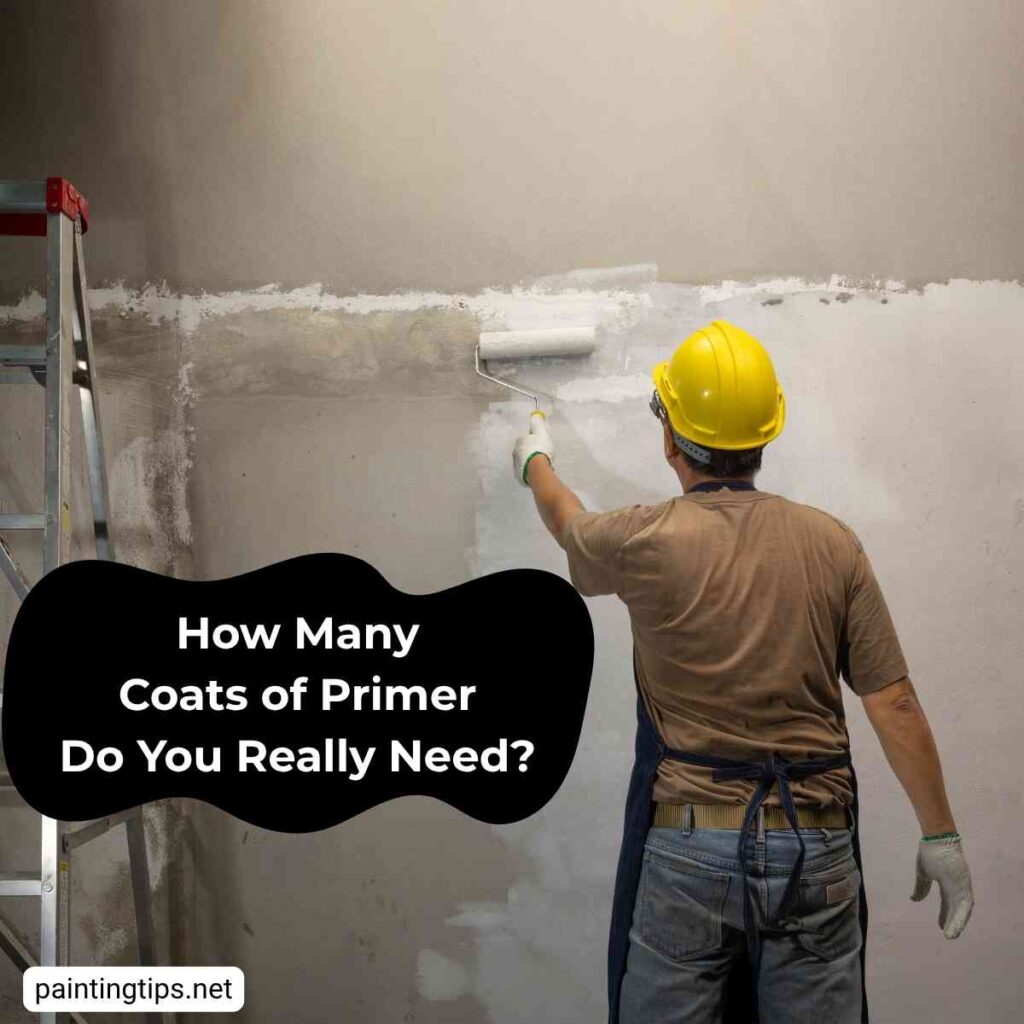
The number of primer coats you’ll need depends on several factors, including the surface condition, color changes, and the type of material you’re working with. For most standard painting projects on previously painted walls in good condition, one coat of primer is typically sufficient. However, this isn’t a universal rule, and understanding your specific situation will help you make the right decision.
When you’re dealing with porous surfaces like new drywall, bare wood, or unpainted plaster, a single coat usually does the job if you’re using a high-quality primer. These surfaces absorb paint differently, and a good primer creates that essential barrier between the wall and your topcoat. On the other hand, if you’re covering dark colors with lighter shades, making drastic color changes, or working with stained or damaged walls, two coats become necessary. The second coat ensures complete coverage and prevents the old color from bleeding through your fresh paint job.
Do You Really Need Primer?
Skipping primer might seem like a time-saver, but it’s rarely a good idea. Primer serves multiple critical functions that paint alone simply cannot accomplish. It creates a uniform surface for paint adhesion, seals porous materials, and blocks stains from showing through your finish coat. Without primer, you’ll likely need extra coats of paint to achieve the coverage you want, which actually costs you more time and money in the long run.
There are limited exceptions where you might skip primer. If you’re repainting a wall that’s already in excellent condition with the same or similar color, and you’re using a high-quality paint-and-primer combination product, you might get away without a separate primer coat. However, even in these situations, many professional painters still recommend using primer for the best results and longest-lasting finish. “You can find more information by reading this: “Do You Need to Primer Before Painting?””
How Do I Know if I Need Two Coats of Primer?
Determining whether you need a second primer coat comes down to visual inspection and understanding your project’s demands. After applying your first coat and letting it dry completely, examine the surface carefully under good lighting. If you can still see the original color showing through, notice uneven absorption patterns, or spot areas where stains are bleeding through, you definitely need that second coat.
Specific situations almost always require two primer coats. When you’re painting over dark or bold colors like deep reds, navy blues, or blacks with a lighter color, one coat rarely provides adequate coverage. Similarly, water stains, smoke damage, or crayon marks on walls need multiple primer coats to seal completely. New drywall can be tricky too – while the drywall itself might only need one coat, the joint compound used on seams is more porous and often requires an additional coat for uniform absorption. “For more information, you can read the article: “How Much Primer Do I Need?””
What Primer You Should Use
Selecting the right primer makes all the difference in your painting outcome. Oil-based primers work exceptionally well for blocking stains, sealing raw wood, and providing excellent adhesion on glossy surfaces. They’re your go-to choice for covering water stains, smoke damage, or when painting over dark colors. “Related article: “Can You Paint Over Dark Colors Without Primer?”” The tradeoff is longer drying times and the need for mineral spirits for cleanup.
Water-based latex primers have become increasingly popular for good reason. They dry quickly, clean up easily with soap and water, and work beautifully on drywall, previously painted walls, and softwood. Modern latex primers are quite effective for most interior projects. For specific challenges, shellac-based primers excel at blocking severe stains and odors, though they’re more expensive and have strong fumes. When working with metal surfaces, use a specialized metal primer to prevent rust. For exterior projects, choose primers specifically formulated to withstand weather conditions and temperature fluctuations.
What Happens if I Use the Wrong Type of Primer?
Using the wrong primer can create a cascade of problems that compromise your entire paint job. If you use a water-based primer over oil-based paint without proper surface preparation, you’ll likely see peeling and poor adhesion within months. The primer simply won’t bond properly to the slick surface. Similarly, using an interior primer for an exterior project leaves your paint vulnerable to moisture damage, cracking, and premature failure.
The consequences extend beyond adhesion issues. A primer not designed for stain-blocking won’t prevent tannins from bleeding through on wood surfaces or stop water stains from reappearing on your ceiling. You might find yourself repainting sooner than expected, dealing with discoloration, or watching your paint bubble and peel. In some cases, you’ll need to strip everything off and start over, which costs significantly more than simply buying the correct primer initially.
Can You Put Too Much Primer on a Wall?
Yes, applying too much primer creates its own set of problems. While it might seem like more is better, excessive primer can lead to an uneven, textured surface that shows through your topcoat. Thick primer application takes much longer to dry and can crack or peel as it cures. You’re also wasting product and money on material that provides no additional benefit.
The key is applying thin, even coats rather than one thick layer. A properly applied primer coat should cover the surface uniformly without drips, sags, or visible brush strokes. If you’re using a roller, maintain consistent pressure and overlap your passes slightly. Most primers achieve optimal performance at a coverage rate of about 350-400 square feet per gallon. If you’re using significantly more product than recommended, you’re probably applying it too thickly.
What Happens if You Paint Over Primer Too Soon?
Rushing to paint over wet or insufficiently dried primer is a mistake that can ruin your entire project. When you apply paint over primer that hasn’t fully cured, the solvents in your topcoat can reactivate and lift the primer, causing both layers to bubble, wrinkle, or peel. You’ll see uneven adhesion, and the paint may not level properly, leaving you with a blotchy, unprofessional appearance.
Different primers have different drying requirements. Water-based latex primers typically dry to the touch in about an hour but need at least three to four hours before painting over them – and that’s in ideal conditions with good ventilation and moderate humidity. Oil-based primers require even more patience, often needing 24 hours before you can safely apply your topcoat. Check your primer’s label for specific drying times and pay attention to environmental factors. High humidity, poor ventilation, thick application, or cold temperatures can significantly extend drying times. When in doubt, give your primer extra time to cure. The few hours of waiting will save you from potentially having to redo the entire job.
Conclusion
Getting your primer application right sets the foundation for a beautiful, long-lasting paint finish. While most projects need just one coat of quality primer on prepared surfaces, don’t hesitate to apply a second coat when covering stains, making dramatic color changes, or working with challenging surfaces. Choose your primer type carefully based on your specific project needs, whether that’s oil-based for stain blocking, latex for general use, or specialty formulations for unique situations. Remember that patience pays off – rushing the process by applying primer too thickly or painting before it’s fully dried will cost you more time and frustration than simply doing it right the first time. By understanding these fundamentals and taking the time to properly prime your surfaces, you’ll achieve professional-quality results that stand the test of time. “To learn more about primer paint, read this: “What Is Primer in Paint?”
