Painting varnished wood can look intimidating at first, but with proper prep work and the right materials, you can easily paint over varnished wood and get a smooth, durable finish that lasts. Varnished surfaces naturally resist adhesion, which is why proper sanding, cleaning, and using a strong bonding primer are essential steps. Whether you’re refreshing old furniture or updating trim and doors, following the correct method for painting varnished wood will help your new paint stick better, look cleaner, and last much longer.
Painting Varnished Wood
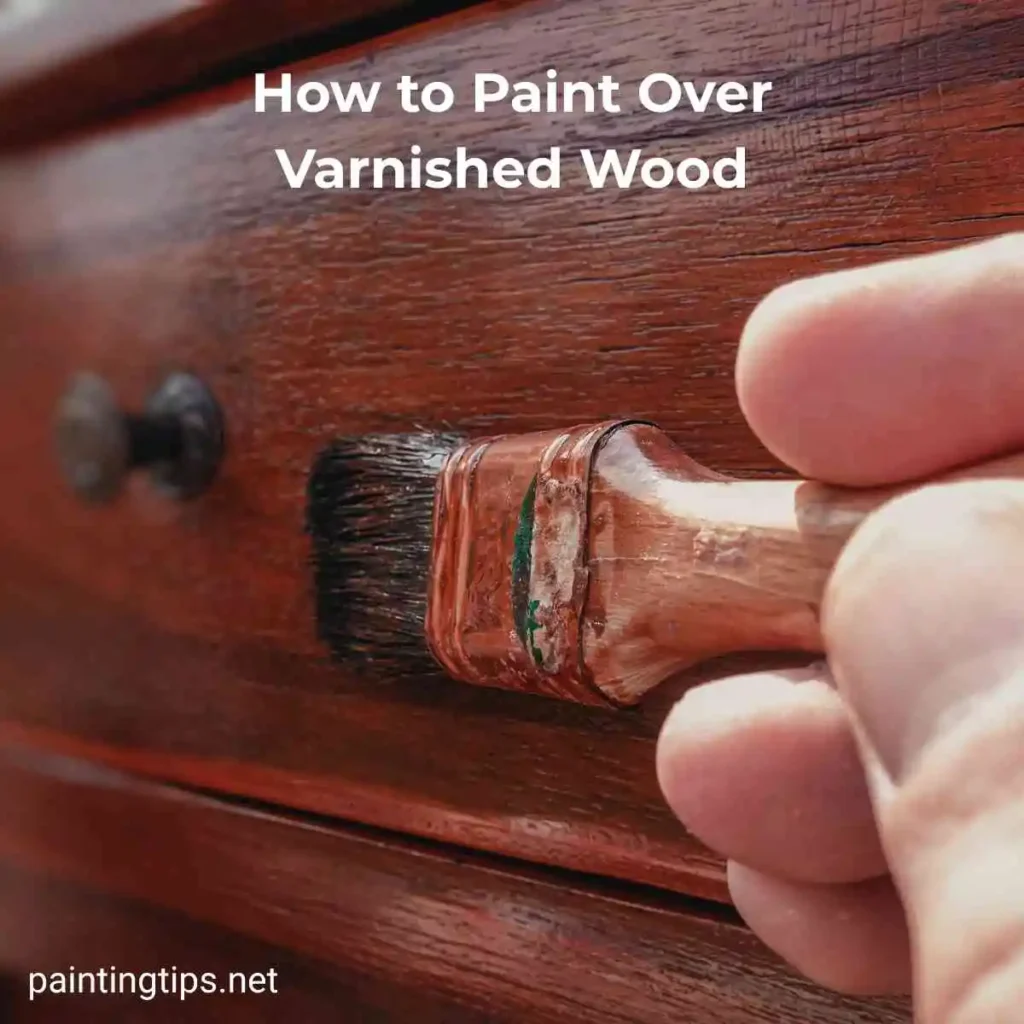
Painting varnished wood requires more care than painting bare wood because the varnish layer reduces paint adhesion. That’s why preparing the surface is essential in the painting varnished wood process. Below are the key steps, starting with the most important.
Step 1 – Lightly Sand or Scuff
To paint over varnished wood you can either remove the varnish completely with a paint stripper or lightly sand/scuff the surface. Light sanding is usually preferred. Some painters skip sanding if they plan to use a primer, but sanding still improves adhesion when painting varnished wood. Use medium-grit (150–200) sandpaper. You don’t need to remove all varnish — just scuff the surface. After sanding, remove all dust. “Before you start painting, this may be helpful: How to remove varnish from wood.”
Step 2 – Repair Holes and Cracks
If the varnished wood has dents, nail holes, or small cracks, repair them before moving to the next steps. Use wood filler to fill any imperfections and make the surface smooth enough for painting varnished wood. Apply the wood filler with a putty knife, press it firmly into the gaps, and slightly overfill the area so it can be sanded flush later. Once it dries completely, sand the repaired spots with 150–200 grit sandpaper until the surface is even and blends naturally with the rest of the wood. This step ensures the final paint finish looks smooth and professional.If the varnished wood has holes or cracks, fill them with wood filler. Let it dry, then sand the repaired areas with 150–200 grit sandpaper.
Step 3 – Ensure the Wood Is Clean and Dust-Free
A clean surface is essential for proper adhesion when painting varnished wood. After sanding, the surface often holds fine dust that can prevent both primer and paint from bonding correctly. Start by wiping the wood thoroughly with a dry cloth or a tack cloth to lift loose particles. If the wood still feels dusty or greasy, use a gentle wood cleaner or a lightly dampened cloth to remove any remaining residue. Allow the surface to dry fully before you apply primer. Painting or priming over even a small amount of dust can lead to uneven texture, peeling, or visible bumps in the final finish.
Step 4 – Apply a Bonding Primer
Applying a bonding primer is one of the most important steps when painting varnished wood. If you skipped sanding, do not skip primer. Painting directly over varnished wood without primer is not recommended. Use a soft-bristle brush or a high-quality short-nap roller to apply the bonding primer, and make sure it’s fully dry before painting.
Step 5 – Choose the Right Paint
After surface preparation, choose the paint type that fits your project. Acrylic paint gives solid color, is easy to apply, and dries fast. Oil-based paint is more durable but dries slowly and is harder to work with. Wood stain is better suited for raw or untreated wood. “If you are looking for additional information on this topic, you can also read this: Best paint for varnished wood.”
Step 6 – How to Paint Over Varnished Wood
Correct application depends on the paint type. Follow the manufacturer’s recommended dry times between coats. It’s crucial the first coat is completely dry before applying the second. For water-based paints, this is typically about 4 hours; for oil-based paints, around 24 hours. Use high-quality brushes and rollers. Spread the paint evenly and check for uniform coverage after all coats are applied. “Related article: How to paint wooden chairs.”
Step 7 – Seal the Paint (Optional)
If you used water-based paint, acrylic paint, or wood stain, you can protect the finish from scratches, impact, and moisture by sealing it with a clear varnish. A water-based clear varnish is usually sufficient. For added durability, apply one or two coats of clear varnish about a day after the paint has fully dried.
Warnings and Precautions
- When painting varnished wood, taking a few precautions will help you avoid common mistakes and ensure a long-lasting finish. First, always work in a well-ventilated area. Paints, bonding primer, and wood filler can release fumes that may cause headaches or irritation if airflow is poor. Open windows or use fans when possible.
- Avoid rushing the drying times. One of the biggest issues people face when painting varnished wood is peeling or uneven texture caused by applying coats too quickly. Make sure each coat — including primer — is fully dry before moving on. This is especially important when using oil-based paint, which takes significantly longer to dry.
- Use the right tools. Cheap brushes or rollers can leave streaks, shed fibers, or create an uneven finish. High-quality tools help the paint spread evenly over varnished wood and reduce visible marks.
- Do not skip sanding entirely unless your bonding primer specifically states that sanding is optional. Even light scuffing helps the primer grip the varnished surface more effectively and reduces the risk of peeling later.
- Finally, test the paint on a small, hidden spot before painting the entire surface. This helps you see how well the paint adheres to the varnished wood and whether the color looks right under your lighting conditions. “If you plan to paint an unfinished cabinet, read this article: How to paint raw wood cabinets.”
